
 Worksheets
Science 9 Unit A Biodiversity
Total questions: 70
Worksheet time: 56mins
What does DNA stand for?
Do Not Assist
deoxyribbon nucleic acid
deoxyribonucleic acid
dexyribonucleic acid
What is a niche?
the habitat of an organism
how many organisms of that kind live in the area
an organism's role in the ecosystem
a rash you need to scratch
An advantage of asexual reproduction:
the population can grow quickly in a short amount of time
offspring can adapt to their environments faster
long term bonds are formed between the parents and offspring
there is more variety in the offspring
Identify the statement that is most accurate for the relationship between evolution and natural selection.
Evolution is the mechanism for natural selection
Natural selection is the mechanism for evolution
Evolution results in natural selection
Natural selection results in evolution
Natural selection could not occur without
geographic isolation
variation in the population
stable environments
competition for unlimited resources
What is a niche?
the habitat of an organism
how many organisms of that kind live in the area
an organism's role in the ecosystem
a rash you need to scratch

The process shown is:
asexual reproduction
sexual reproduction
Sperm and egg cells have _____ number of chromosomes as other body cells.
the same
twice the
half the

The process shown is called:
meiosis
binary fission
budding
spore production

The process shown is called:
meiosis
binary fission
budding
spore production

The process shown is called:
meiosis
mitosis
budding
spore production
Which trait is influenced by genetics only?
scars
mass
blood type
skin colour
An organism that can eat many types of food and live in many places is called a:
specialist
generalist

An organisms that lives in the striped area would have a ______ niche.
broad
narrow
The organism that can better survive small changes in the environment:
specialist
generalist
Organisms that live in a broad niche are called:
generalists
specialists
Organisms that live in a narrow niche are called:
generalists
specialists
Which country would have the highest biodiversity?
Canada
United States
Columbia
Russia

Both parents are:
homozygous recessive
heterozygous
heterozygous dominant

What are the chances that a child will have the recessive trait of blonde hair?
75%
25%
0%
100%

What are the chances that a child will have the recessive trait of blonde hair?
75%
25%
0%
100%
What part of a cell has the genetic information?
cell membrane
chloroplast
cytoplasm
chromosome
Problems with _______ can lead to offspring with the wrong number of chromosomes.
meiosis
mitosis
cell division
Height is an example of:
discrete variation
Continuous variation
Handspan is an example of:
discrete variation
Continuous variation
Blood type is an example of:
discrete variation
Continuous variation
A baby panda was born in a Belgian zoo. This is an example of:
establishing protected areas
captive breeding programs
international import/export treaties
A wildlife refuge has been set up in Peru. This is an example of:
establishing protected areas
captive breeding programs
international import/export treaties
This form of reproduction requires 2 parents:
sexual reproduction
asexual reproduction
both sexual and asexual reproduction
A recessive trait is seen in the offspring when:
both parents pass on the trait
one parent passes on the trait
Which is probably an example of artificial selection?
Broad leaves on maples allow them to collect more sunlight.
Durum wheat is high in protein, making it useful for pasta.
The beak of the golden eagle is sharp for tearing meat.
Wolves have ridges on their skull for strong jaw muscles.


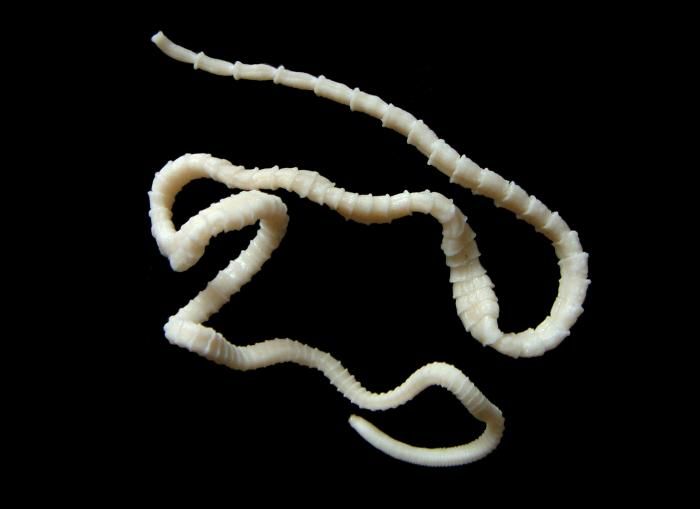

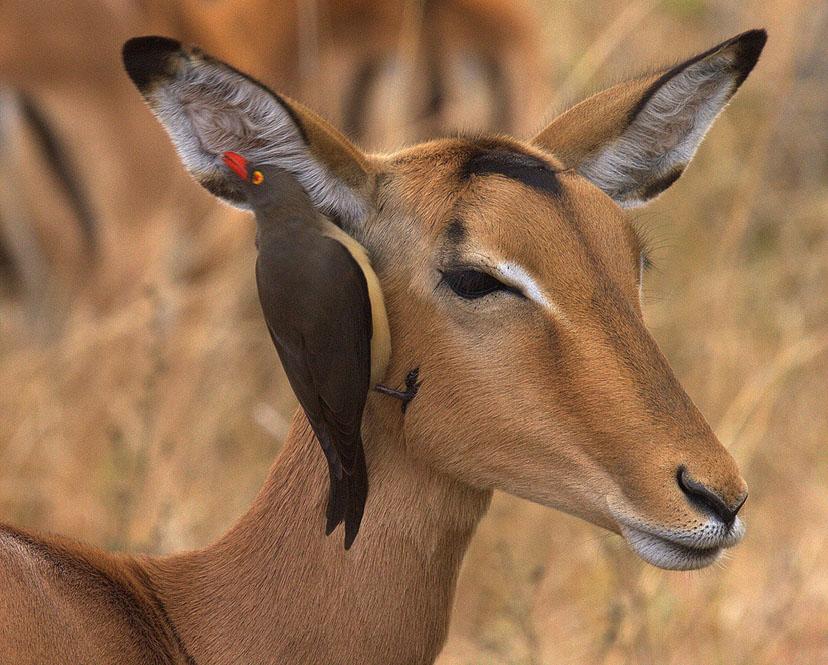

Aphids are tiny insects that live on and eat the leaves of plants, removing vital nutrients from the plants.
Predation
Parasitism
Commensalism
Mutualism
After cell division by meiosis, the number of chromosomes each egg or sperm has is:
1/4 the original
1/2 the orginal
ten times the original
twice the original
Which of the following are heritable characteristics?
colour hair
liking apples

Which of the following is NOT an example of natural selection?
People selectively breeding hamsters.
Insect populations developing resistance to certain pesticides.
Bacteria becoming resistant to antibiotics.
Male birds of certain species developing colorful feathers to attract female mates.
Which term refers to the process by which individuals who are better suited to the environment survive and reproduce therefore passing down their genes to their offspring?
Inheritance of Acquired Characteristics
Variation
Adaptation
Natural Selection

Which species’ DNA is most similar to the DNA of the toothed whale?
Hippopotamus
Baleen Whale
Grazing Mammals
Camels

What is this an example of?
diversity of species
variation
vestigial structures
mitosis and meiosis
A well-tested concept that explains a wide range of observations is called a(an):
hypothesis
fact
law
scientific theory
The concept of gene flow is demonstrated when a cow is driven off from its herd, joins another herd, and reproduces. When the cow contributes to the gene pool of the new herd, which of these will most likely increase? Choose the best answer.
Environmental fitness
Reproductive mutations
Natural selection
Genetic variation

A graph regarding the effect of agricultural bioengineering on insect pests is shown below. How has natural selection affected species of insect pests?
Natural selection has not affected the number of species that are resistant to pesticides
Natural selection has rapidly increased the number of species that are resistant to pesticides
Natural selection has only affected the number of species that are resistant to pesticides

The table shows the survival rate of two types of beetles in the same environment over a period of three years.
Which statement about the beetles in this environment is best supported by the data?
Brown beetles have a shorter life cycle than green beetles have
Green beetles are more fit for their environment than brown beetles
brown beetles undergo more unfavorable mutations than green beetles

