wayground logo

Free Printable Worksheets

NEW

Font size

S
M
L
XL
Worksheets

First Semester Review

Total questions: 71

Worksheet time: 56mins

Name
Class
Date
1.
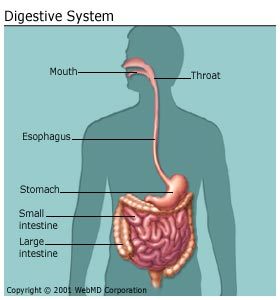
The main function of the digestive system is to...
a)
Protect the body from infections
b)
Store nutrients into the bones
c)
Break down food to be absorbed
d)
Support and protect the organs of the body
2.
The endocrine system communicates to the body using....
a)
electrical signals
b)
soluble gases
c)
digestive enzymes
d)
chemical hormones
3.
This system forms a protective barrier between the environment and the internal body system.
a)
Circulatory
b)
Integumentary
c)
Respiratory
d)
Endocrine
4.
The body system that transmits information inside the body using electrical impulses.
a)
Endocrine
b)
Skeletal
c)
Muscular
d)
Nervous
5.
Which body system is required in producing offspring?
a)
Reproductive System
b)
Endocrine System
c)
Digestive System
d)
Immune System
6.
What is the main function of the excretory system?
a)
Convert food into nutrients
b)
Send signals in the form of hormones
c)
Filter water and remove waste products from the body
d)
Exchange gases between the body
7.
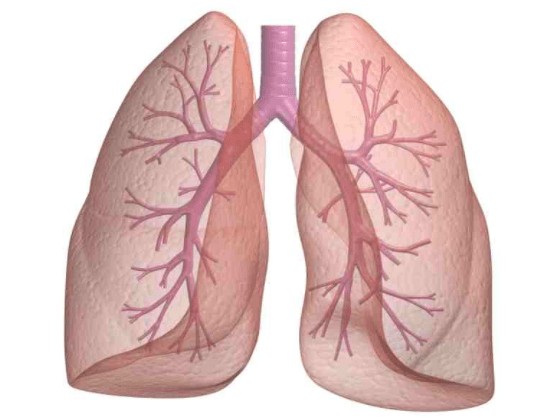
This system brings in oxygen into the body and removes carbon dioxide...
a)
Circulatory
b)
Respiratory
c)
Excretory
d)
Digestive
8.
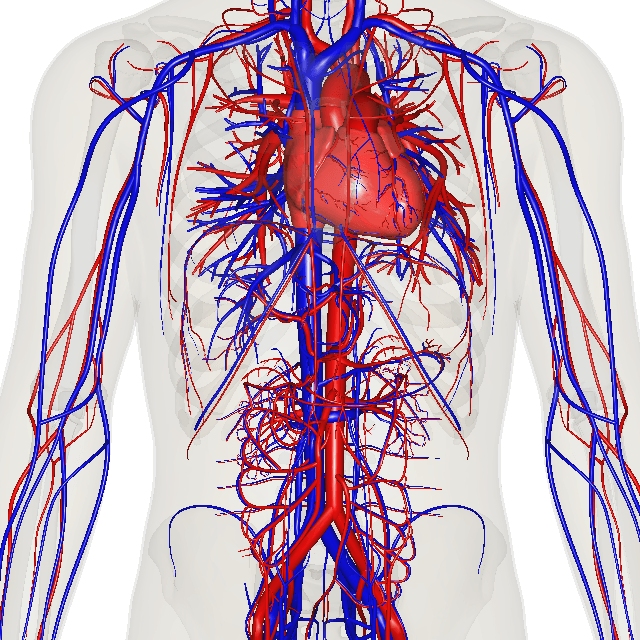
Which body system delivers nutrients to the cells inside the body?
a)
Reproductive
b)
Circulatory
c)
Nervous
d)
Excretory
9.
The major organs of this system allow movement in the body; there are three major types - cardiac, skeletal, and smooth.
a)
SKELETAL
b)
MUSCULAR
c)
INTEGUMENTARY
d)
DIGESTIVE
10.
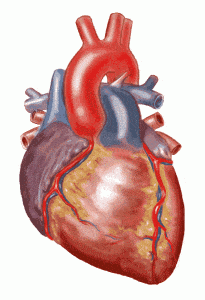
The heart, blood vessels and blood are the major organs of which system?
a)
CIRCULATORY
b)
DIGESTIVE
c)
EXCRETORY
d)
NERVOUS
11.

Made of 206 bones, which support and protect the body and give it shape.

a)

Muscular System

b)

Skeletal System

c)

Respiratory System

d)

Circulatory System

12.
This is a example of........ 
a)
organ system
b)
cells
c)
organ
d)
tissue
13.
This is a example of ........
a)
cell
b)
organ system
c)
organ
d)
tissue
14.
This is a example of ........
a)
organ
b)
organ system
c)
tissue
d)
cell
15.
Which of the following organelles could be compared to the nervous system?
a)
mitochondria
b)
nucleus
c)
lysosome
d)
ribosome
16.
A group of the same type of cells that work together for a purpose are called -
a)
 a tissue
b)
an organ
c)
an organ system
d)
an unicellular organism
17.
 Which system is the stomach in?
a)
respiratory
b)
digestive
c)
nervous
d)
excretory
18.
1. Which system are the lungs in?
a)
respiratory
b)
digestive
c)
excretory
d)
muscular
19.
Which system enables the body to move, moves food through the digestive system, and keeps the heart beating?
a)
skeletal
b)
muscular
c)
digestive
d)
nervous
20.
This system supports and protects vital organs, stores minerals, and produces red blood cells.
a)
skeletal
b)
muscular
c)
circulatory
d)
nervous
21.
This organelle is in both plants and animals. It is a barrier between the cell and the environment.  It controls what goes in and out of a cell.
a)
cell wall
b)
cell membrane
c)
cell organelles
d)
mitochondria
22.

Oxygen travels around the body to cells as a part of the _________________________.

a)

Circulatory system

b)

Digestive system

c)

Respiratory systems

d)

Endocrine system

23.

The skin of an animal functions to protect it from external factors, much like the walls of a house protect people inside it from weather. What structure of an animal cell is most like the skin of an animal and the wall of a house?

a)

nucleus

b)

cell wall

c)

cell membrane

d)

mitochondrion

24.
Which of the following body systems work together for support, protection, and movement?
a)
respiratory and cardiovascular
b)
skeletal and muscular
c)
skeletal and integumentary
d)
digestive and respiratory
25.
Controls all the cell activities through the DNA located there.
a)
Lysosomes
b)
Nucleus
c)
Vacuole
d)
Mitochondria
26.
I am the outer most layer of an animal cell. I control what goes in and out of the cell. What am I?
a)
cell wall
b)
nucleus
c)
cell membrane 
d)
lysosome
27.
A rigid layer in a plant cell that lies outside the cell's  membrane is...
a)
Cytoplasm
b)
Nucleus
c)
Cell Wall
d)
Mitochondria
28.
What is the name of the genetic material that is inside the nucleus?
a)
ER
b)
ATP
c)
YOLO
d)
DNA
29.
This cell part is in ALL cells. It is the gel-like liquid that provides support and cushioning for the organelles.
a)
Chloroplasts
b)
Chromosomes
c)
Cytoplasm
d)
Mitochondria
30.
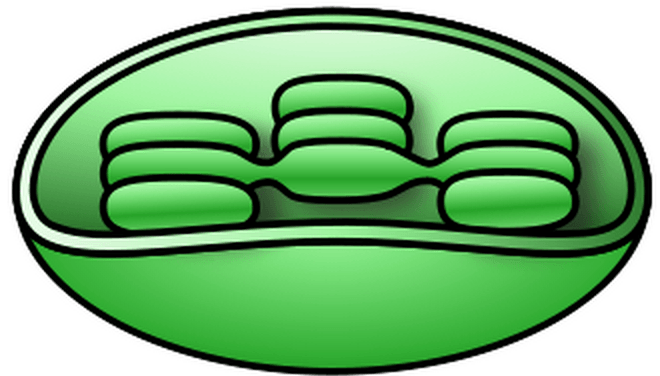
What is the name of the structure shown in the diagram?  It is also known as the "powerhouse" of the cell.
a)
Chloroplast
b)
Mitochondrion
c)
Nucleus
d)
Vacuole
31.
I am a large organelle in the plant cell that stores water. What am I?
a)
cytoplasm
b)
cell membrane
c)
vacuole
d)
lysosomes
32.
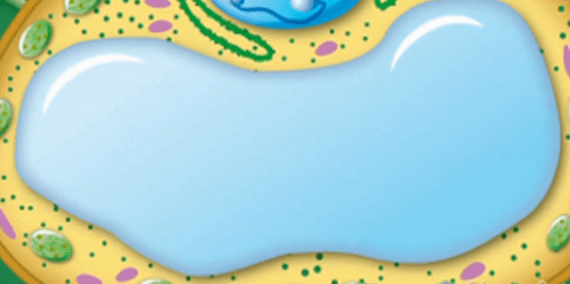
What kind of cell is this?
a)
Plant
b)
Animal
c)
Bacterial
d)
Gross
33.
You might think of me as the trash collector in the cell since I digest wastes. What am I?
a)
cytoplasm
b)
lysosome
c)
cell wall
d)
nucleus
34.
I am only found in a plant cell. I use radiant energy to make glucose through a process called photosynthesis. What am I?
a)
cell wall
b)
mitochondria
c)
cytoplasm
d)
chloroplast
35.
An organism made of many cells is called
a)
unicellular
b)
multicellular
c)
bacteria
d)
weird
36.
What is one way in which all living things on Earth are alike?
a)
All living things have hair.
b)
All living things are made of cells and come from other cells.
c)
The cells of all living things have chloroplast.
d)
All living things can move. 
37.
Which statement reflects one of the major components of the cell theory?
a)
All living things are multi-cellular.
b)
Organs are the basic unit of structure and function for all living things.
c)
All cells come from previously existing cells.
d)
Every organism has a reproductive system to ensure survival of the species.
38.
describes a trait that covers up, or dominates, another form of the trait
a)
Dominant
b)
Recessive
c)
Co-dominance
d)
Heredity
39.
Both alleles for a characteristic are the same
a)
Hybrid
b)
Heterozygous
c)
Homozygous
d)
Phenotype
40.
The genes an organism has for a specific trait.
a)
Genotype
b)
Phenotype
c)
Punnett Square
d)
Dominant Allele
41.
How an organism actually looks based on a specific trait.
a)
Genotype
b)
Phenotype
c)
Punnett Square
d)
Dominant Allele
42.
Having two identical alleles for a trait.
a)
Homozygous
b)
Heterozygous
c)
Trait
d)
Allele
43.
Having two different alleles for a trait.
a)
Homozygous
b)
Heterozygous
c)
Trait
d)
Allele
44.
How many alleles (letters) do each person carry for a trait?
a)
1
b)
2
c)
3
d)
4
45.
How many alleles (letters) does a child get from each parent for each trait?
a)
1
b)
2
c)
3
d)
4
46.
Dominant alleles are represented by a:
a)
Male gene
b)
lowercase letter
c)
recessive trait
d)
capital letter
47.
In a heterozygous genotype, the ___________ allele takes over in the phenotype.
a)
recessive
b)
dominant
c)
lower case letter
d)
both 
48.
AA and Aa always show up as
a)
dominant
b)
recessive
49.
aa always shows up as
a)
dominant
b)
recessive
50.
Which of the following is a phenotype?
a)
Aa
b)
red hair
c)
heterozygous
d)
DNA
51.
An inherited characteristic that distinguishes one organism from the other.
a)
Trait
b)
RNA
c)
Nucleotide
d)
Hybrid
52.

Aa, DD, Bb, yy are all examples of

a)

genotypes

b)

phenotypes

c)

football plays

d)

heterozygous traits

53.
Study of how traits are inherited 
a)
Traits
b)
Genetics
c)
DNA
d)
Chromosomes
54.
What is an advantage of sexual reproduction?
a)
Allows genetic variation
b)
Only needs one parent
c)
Happens very quickly
d)
Offspring are exact copies of parent
55.

What type of stimulus?

The smell of pizza

a)

Internal

b)

External

56.
What type of stimulus?
Loud fire alarm
a)
Internal
b)
External
57.
What type of stimulus?
An infection in the body
a)
Internal
b)
External
58.

Plants can detect gravity and respond to it. How do the stems respond to gravity?

a)

The stems grow away from gravity

b)

The stems grow toward gravity

c)

The stems do not detect this stimulus

59.

Plants can detect gravity and respond to it. How do the roots respond to gravity?

a)

The roots grow away from gravity

b)

The roots grow toward gravity

c)

The roots do not detect this stimulus

60.

Plants can detect light and respond to it. How do the stems respond to light?

a)

The stems do not respond to this stimulus

b)

The stems grow toward light

c)

The stems grow away from light

61.
Phototropism is a plant's response to -
a)
Light - an external stimulus
b)
Light - an internal stimulus
c)
Gravity - an external stimulus
d)
Gravity - an internal stimulus
62.
Geotropism is a plant's response to -
a)
Light - an external stimulus
b)
Light - an internal stimulus
c)
Gravity - an external stimulus
d)
Gravity - an internal stimulus
63.
Thigmotropism is a plant's response to -
a)
Touch - an external stimulus
b)
Touch - an internal stimulus
c)
Gravity - an external stimulus
d)
Gravity - an internal stimulus
64.
What force allows a plant to become more rigid and stand upright?
a)
turgor pressure
b)
geotropism
c)
photosynthesis
d)
phototropism
65.
What force or substance causes turgor pressure?
a)
light
b)
gravity
c)
glucose
d)
water
66.
How does the human body respond to hot temperatures?
a)
hibernates
b)
migrates
c)
sweats 
d)
shivers 
67.
The chewing and grinding of food into smaller pieces is an example of...
a)
Mechanical Digestion
b)
Chemical Digestion
68.
Gastric juices in the stomach digest food into a thick liquid.  This is...
a)
Mechanical digestion
b)
Chemical digestion
69.
Enzymes (chemicals) in your saliva help break down food while chewing.  This is...
a)
Mechanical digestion
b)
Chemical digestion
70.
The crushing and mashing of food is what type of digestion?
a)
Chemical
b)
Mechanical
71.

Type of digestion in the stomach:

a)

Mechanical

b)

Chemical

c)

Both