wayground logo

Free Printable Worksheets

Font size

S
M
L
XL
Worksheets

Human Body

Total questions: 68

Worksheet time: 2hrs 52mins

Name
Class
Date
1.
What kind of information can be sent through the nervous system?
a)
hearing a fire alarm
b)
feeling a sharp pencil tip
c)
smelling pancakes or bacon
d)
all of the above and much more
2.
What are some major parts of the digestive system?
a)
kidneys, liver, bladder, and skin
b)
brain, spinal cord, and nerves
c)
mouth, stomach, large intestine, small intestine
d)
heart, arteries, and veins
3.
Which body system lets you breathe oxygen in and carbon dioxide out?
a)
respiratory system
b)
circulatory system
c)
excretory system
d)
none of the above
4.
Which body system helps you remove waste products from your body that you do not need?
a)
muscular system
b)
excretory system
c)
skeletal system
d)
none of the above
5.
What are kidneys?
a)
curvy shapes that look like a human ear
b)
a pair of respiratory organs used for breathing
c)
red beans often used in chili and salads
d)
a pair of excretory organs that filter waste products from blood
6.
Smooth muscle is related to stomach in the same way that cardiac muscle is related to ________?
a)
lungs
b)
heart
c)
skeletal muscles
d)
strong
7.
The smallest units or parts of living things; the body's building blocks.
a)
cells
b)
organs
c)
tissues
d)
system
8.
Your large and small intestines are part of this body system.
a)
nervous
b)
digestive
c)
muscular
d)
skeletal
9.
A collection of the same kinds of cells working together to do the same job.
a)
cells
b)
tissues
c)
organs
d)
system
10.
The nutrients in food that supply the human body with energy.
a)
carbohydrates
b)
fats
c)
minerals
d)
proteins
11.
Nonliving substances found in nature.
a)
minerals
b)
fats
c)
organs
d)
cells
12.

In which part does digestion start?

a)

heart

b)

stomach

c)

brain

d)

mouth

13.

Which organ does pump blood in all the body?

a)

liver

b)

brain

c)

heart

d)

stomach

14.

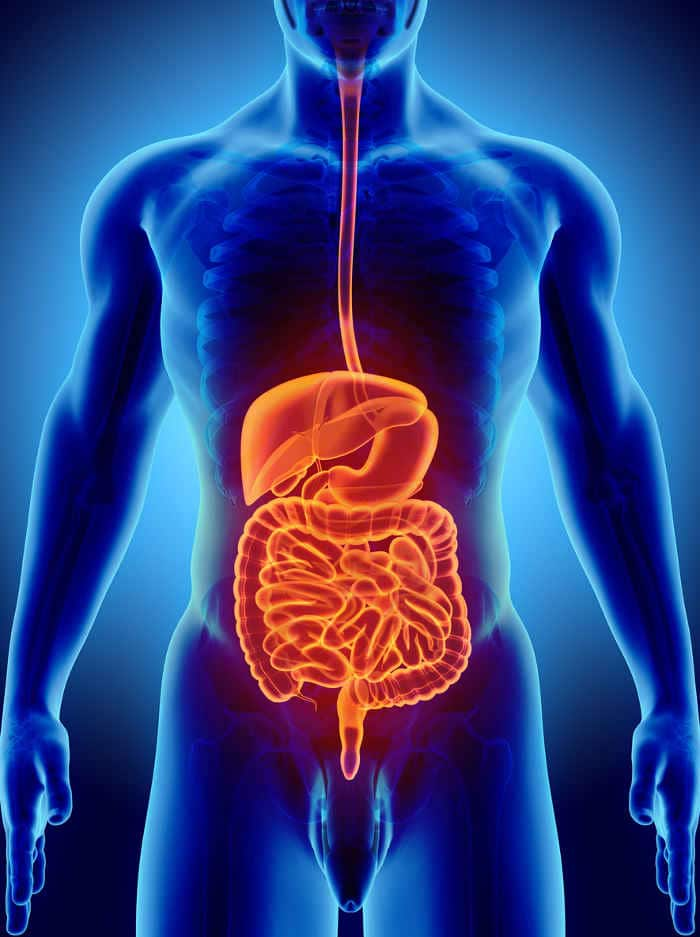
Which human system do you see in the image?

a)

digestive system

b)

respiratory system

c)

circulatory system

d)

nervous system

15.

The system that provides movement, support, and blood cells to the body is?

a)

skeletal system

b)

muscular system

c)

digestive system

d)

urinary stystem

16.

Which type of waste is removed by the respiratory system?

a)

carbon dioxide

b)

bile

c)

urine

d)

amino acids

17.

Red blood cells are made in the?

a)

heart

b)

bone marrow

c)

kidneys

d)

brain

18.
I have many jobs. I make bile to help your stomach break down food.  I also store nutrients your body needs.  I also make antibodies to help you fight disease.  What am I?
a)
liver
b)
kidneys
c)
stomach
d)
lungs
19.
I take and absorb the nutrients that your body needs from your food and I put it in your bloodstream so your body can use it.  What am I?
a)
lungs
b)
liver
c)
small intestines
d)
large inttestines
20.
I am a muscle located behind your lungs.  I am always moving and I never get tired.  I pump blood to all parts of your body. What am I?
a)
heart
b)
lungs
c)
kidneys
d)
liver
21.
When you eat, I mix your food with chemicals made by your body, then I churn up your food into smaller parts.  What am I?
a)
small intestines
b)
large intestines
c)
liver
d)
stomach
22.
Your body can't use every part of the food you eat. The waste comes to me , and I dry it out so it can leave your body. What am I?
a)
kidneys
b)
small intestines
c)
large intestines
d)
liver
23.

We are a pair of filters that clean your blood.  We take liquid waste from your bloodstream and we send it down to your bladder. What are we?

a)
lungs
b)
liver
c)
kidneys
d)
arteries
24.
We take oxygen that your body needs from the air and put it in your blood and send it out of your body. What are we?
a)
lungs
b)
heart
c)
liver
d)
veins
25.
I hold your body parts in.  I have pores so sweat can escape your body.  I am filled with nerves that help you sense temperature and feel the things around you. What am I?
a)
skin
b)
bones
c)
heart
d)
muscles
26.
I control your muscles and all of the organs in your body.  I make sure you breathe automatically, ensure your heart beats properly, and remind you to blink your eyes. I even hold all of your thoughts and memories. What am I?
a)
muschles
b)
brain
c)
arteries
d)
veins
27.
We give your body support and structure. We also protect your delicate organs, like your brain, liver, and lungs. We are filled with a substance called marrow. What are we?
a)
muscles
b)
skin
c)
bones
d)
veins
28.
We are blood vessels that send blood back towards your heart. Most of the blood we carry doesn't have much oxygen left in it. What are we?
a)
veins
b)
esophagus
c)
lungs
d)
kidneys
29.
We are blood vessels that send blood away from your heart to all different parts of your body. We have thicker, stronger walls than veins. What are we?
a)
veins
b)
trachea
c)
arteries
d)
esophagus
30.
I am sometimes called your "windpipe." When you breathe air travels through me to your lungs. What am I?
a)
esophagus
b)
trachea
c)
arteries
d)
veins
31.
We work in pairs to pull your bones in different directions.  We also help move food and blood through your body. Without us, you'd wouldn't be able to move at all. What are we?
a)
skin
b)
bones
c)
muscles
d)
kidneys
32.
I am a tube in your throat. When you swallow, food, or drink travels down through me into your stomach. What am I?
a)
trachea
b)
stomach
c)
small intestines
d)
esophagus
33.
What two systems work together to protect and support movement that the human body makes?
a)
nervous and skeletal system
b)
digestive and nervous system
c)
skeletal and muscular system
d)
muscular and digestive system
34.
What is the skeletal system made of?
a)
bones
b)
skin
c)
hair
d)
muscles
35.
______________ are hard material that provides support and protection to the body’s soft tissues.
a)
bones
b)
muscles
c)
toes
d)
eyes
36.
______________ are formed from tissues that contract and relax, which produces motion.
a)
bones
b)
shoulders
c)
muscles
d)
eyes
37.
______________ are attached to ______________ and begin and control movement.
a)
bones are attached to joints
b)
joints are attached to muscles
c)
eyes are attached to the orbital socket
d)
muscles are attached to bones
38.
______________ are found in internal organs that are responsible for essential life processes.
a)
bones
b)
muscles
c)
eyes
d)
toes
39.
What is the largest organ in the human body?  Hint: it covers and protects the human body from outside elements.
a)
skin
b)
stomach
c)
intestine
d)
heart
40.
How does the brain know what the conditions are like outside?
a)
Nerve receptors
b)
Finger nails
c)
Bones
d)
Muscles
41.
What bone protects the brain?
a)
Rib Cage
b)
Skull
c)
Femur
d)
Face
42.
The heart is a strong _______________
a)
muscle
b)
bone
c)
fat
d)
blood
43.
The _____________ are protected by the ribs.
a)
Lungs and brain
b)
Heart and lungs
c)
Heart and brain
d)
Stomach and Brain
44.
Your heart beats faster when you 
a)
rest
b)
exercise
c)
sleep
d)
think
45.
This is the first area of the digestive system
a)
Stomach
b)
Mouth
c)
Intestines
d)
Esophagus
46.

Which body system controls the communication that happens in the body?

a)
Nervous System
b)
Skeletal System
c)
Digestive System
d)
Immune System
47.
Our brain is the size of ______________
a)
our 2 fists
b)
1 fist
c)
a tomato
d)
Cantaloupe
48.
Your heart is the size of ______________
a)
your 2 fists
b)
1 fist
c)
your brain
d)
a baseball
49.
The heart, blood vessels and blood are the major organs of which system?
a)
CIRCULATORY
b)
DIGESTIVE
c)
EXCRETORY
d)
NERVOUS
50.
_________ is the meat part of any animal.
a)
Tendon
b)

Bone

c)

Muscle

d)

Joint

51.
__________________ send messages from the senses to the brain.
a)
Brain nerves
b)
Movement nerves
c)
Muscle nerves
d)
Sensory​ nerves​
52.
When scientists cut something open to figure out how a living thing works it is called?
a)
Mutation
b)
Surgery
c)
Disilection
d)
Dissection
53.
Which characteristic do single-celled organisms and multicellular organisms have in common?
a)
Both have cells with specialized functions for each life process.
b)
Both perform all life processes within one cell.
c)
Both have a way to get rid of waste materials.
d)
Both are able to make food from sunlight.
54.
Which body system sends electrical signals to all other body systems?
a)
circulatory system
b)
nervous system
c)
digestive system
d)
skeletal system
55.

What do red blood cells do?

a)

help digest food

b)

destroy germs and viruses

c)

movement of arms and legs

d)

move oxygen around the body

56.

Nutrients are absorbed in the?

a)

lungs

b)

heart

c)

kidneys

d)

small intestine

e)

stomach

57.

If your immune system has made antibodies, that means?

a)

Your body has seen the virus before and it is likely you will not get it again.

b)

Your body has seen the virus before and it is very likely you will get it again.

c)

Your immune system does not make antibodies.

d)

Your body has seen the virus and the antibodies tell your body that it should shut down.

58.

Its primary job in the body is to fight diseases?

a)

kidneys

b)

heart

c)

red blood cells

d)

white blood cells

59.

A/an ________ is an injection of a weakened form of a pathogen to help the individual gain immunity from a disease.

a)

Virus

b)

Vacuum

c)

Vaccine

d)

Antibiotic

60.

Which of these is NOT a sign that the body is fighting a pathogen?

a)

Fever

b)

Bleeding

c)

Coughing

d)

Sneezing

61.

You are a doctor and Little Billy is in your office with the flu. His mother wants you to prescribe an antibiotic. Which would be the best response?

a)

"Absolutely, get that kid an antibiotic!"

b)

"Actually, he just needs to take a painkiller."

c)

"Unfortunately, antibiotics do not work against viruses like the flu."

d)

"Give him a vaccine and he will feel better right away!"

62.

Which type of virus has spikes on the outside, giving it a "crown-like" appearance?

a)

Bacteriophage

b)

Coronavirus

c)

Norovirus

d)

Ebola virus

63.

Which of these would never be included in a vaccine, due to its potential to cause illness/disease?

a)

Fully deactivated virus

b)

Weakened virus

c)

Partial virus

d)

Complete, fully active virus

64.

Which is smaller, a virus or a bacterium?

a)

Virus

b)

Bacterium

65.

The skin helps the body?

a)

maintain body temperature

b)

maintain blood pressure

c)

maintain the ratio of white blood cells to red blood cells

d)

maintain a layer of protection against germs

66.

When your doctor asks for a urine sample to check your sugar levels, he is also testing the function of the ____system.

a)

digestive

b)

circulatory

c)

nervous

d)

excretory

67.

Corey is playing basketball outside and notices some changes in his body. He is breathing harder and his pulse is higher. Which organs are causing this to happen? Select all that apply.

a)

muscles

b)

lungs

c)

kidneys

d)

brain

e)

liver

68.

Brian is sick and has had diarrhea and is running a fever. Which systems are responsible for these symptoms? Select all that apply.

a)

digestive

b)

circulatory

c)

immune

d)

nervous

e)

excretory