wayground logo

Free Printable Worksheets

Font size

S
M
L
XL
Worksheets

DNA / Reproduction Review

Total questions: 66

Worksheet time: 46mins

Name
Class
Date
1.
All Offspring of Asexual reproduction are identical
a)
True
b)
False
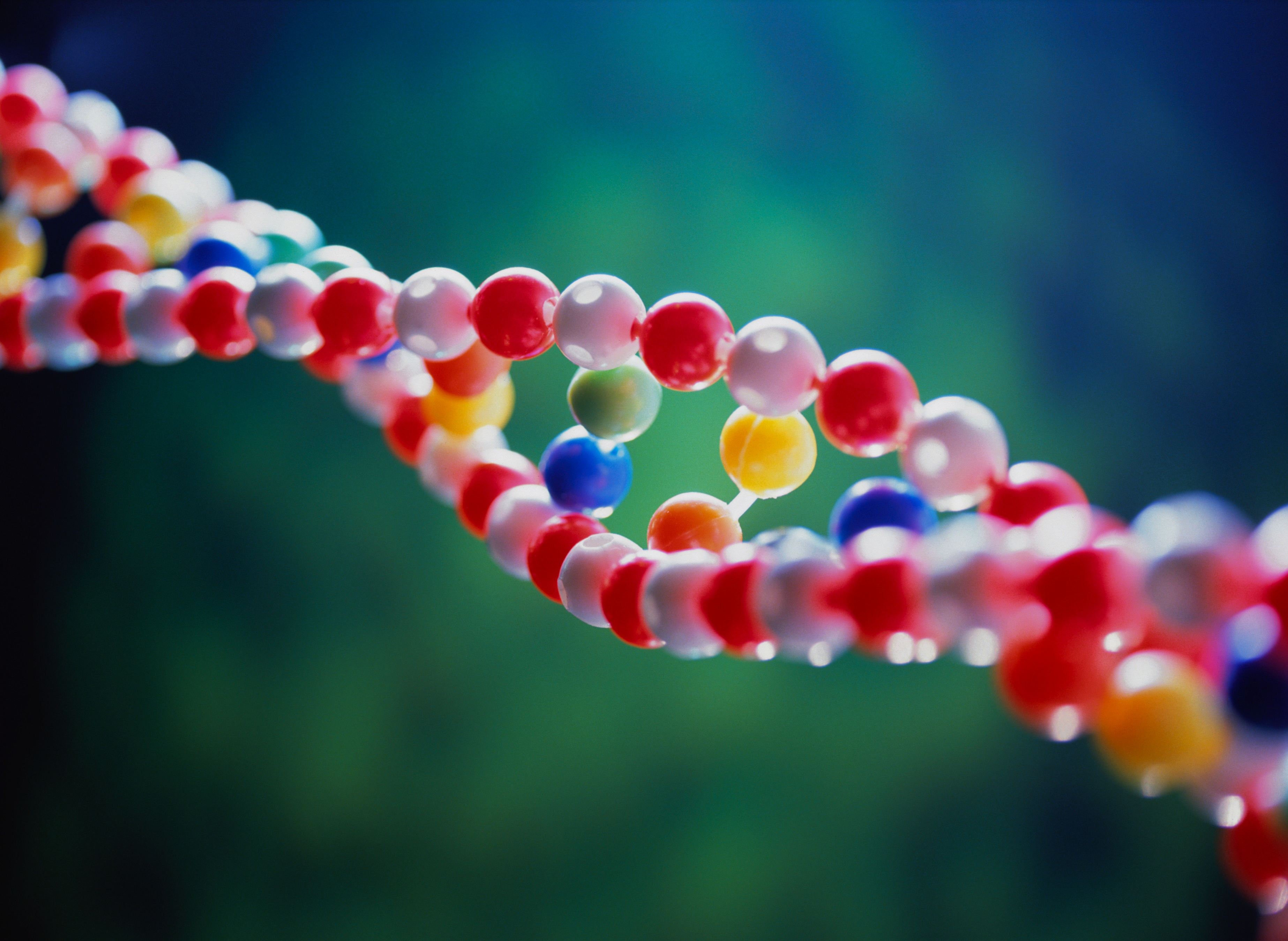
2.
If the environment changes for an Asexual offspring it will?
a)
Explode
b)
Create another offspring
c)
Fall in love
d)
Die
3.
How many parent(s)are needed for asexual?
a)
4
b)
1
c)
9
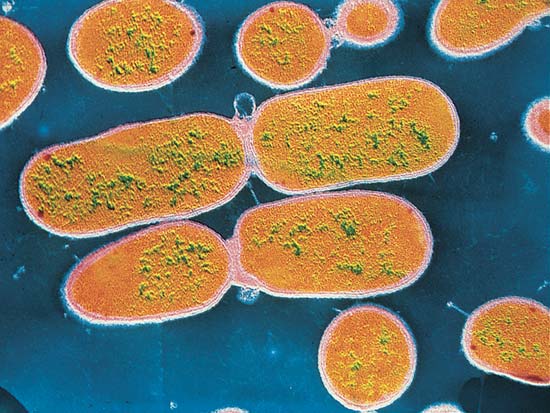
d)
100
4.
Which process is considered to be faster? 
a)
Asexual
b)
Sexual 
5.
How are genetic traits passed down from generation to generation?
a)
Chromosomes
b)
Reproduction
c)
DNA
d)
Genes
6.
True or False: Fission is a way to reproduce asexually.
a)
True
b)
False
7.
Baker’s yeast is a tiny, single-celled fungus that makes bread dough rise and converts sugars in alcohol. This yeast reproduces by budding. As the small bud grows, it receives a copy of the parent’s nucleus. When the bud pinches off, the new cell is smaller than the parent cell but genetically identical  What type of reproduction is this?
a)
Asexual
b)
Sexual
8.
What are some of the facts about asexual reproduction?
a)
Takes only one mate to reproduce and takes a longer time to reproduce
b)
Takes a shorter amount of time to reproduce and it takes two mates to reproduce
c)
Reproduces diverse offspring and takes a longer time to reproduce
d)
Takes only one mate to reproduce and takes a shorter time to reproduce
9.
In asexual reproduction, all of the offspring are:
a)
Physically Identical
b)
Genetically Identical
c)
The same age
d)
Not Identical
10.
What is one disadvantage for asexual reproduction?
a)
Happens very quickly
b)
Only needs one parent
c)
Lack of genetic diversity
d)
All offspring are exact copies of parent
11.
The offspring from asexually reproduced organisms are?
a)
Different than their parents
b)
Genetically identical to parent
c)
Like a combination from both parents
d)
A different species
12.
_____________________ carries information for inherited traits.
a)
DNA
b)
FBI
c)
RNA
d)
CBS
13.
____________________ is to make copies of DNA
a)
replicate
b)
recycle
c)
reuse
d)
rejoice
14.

A sequence of three nucleotides which together form a unit of genetic code in a DNA molecule.

a)

Chromosome

b)

DNA

c)

Replication

d)

Codon

15.
Adenine bonds with ______________.
a)
Guanine
b)
Thymine
c)
Cytosine
d)
Adenine
16.
Guanine bonds with ______________.
a)
Adenine
b)
Guanine
c)
Cytosine
d)
Thymine
17.
Why is DNA important?
a)
it is very small and very complicated
b)
it's in everything
c)
it serves as the blueprint for traits of all living things
d)
because we eat it every day for energy
18.
Which sequence of DNA bases would pair with this partial strand
ATG TGA CAG
a)
ATG TGA CAG
b)
TAC ACT GTC
c)
GTA AGT GAC
d)
CAT TCA CTG
19.
Which shows the correct complementary base pairing for DNA?
a)
C-A, T-G
b)
A-G, C-T
c)
C-G, U-A
d)
T-A, G-C
20.
The drawing shows the structure of what molecule?
a)
A DNA molecule
b)
A lipid molecule
c)
A carbohydrate molecule
d)
A protein molecule
21.

What base pairs with adenine?

a)

phosphate

b)

guanine

c)

cytosine

d)

thymine

22.

What base pairs with thymine?

a)

adenine

b)

guanine

c)

cytosine

d)

limousine

23.

What base pairs with guanine?

a)

cytosine

b)

guanine

c)

thymine

d)

sugar

24.

What base pairs with cytosine?

a)

guanine

b)

adenine

c)

thymine

d)

magazine

25.

If a DNA sequence it GAATGCCT, what are the matching base pairs?

a)

ACGTACCTG

b)

AEIOU and sometimes Y

c)

CTTACGGA

d)

GCCTATGC

26.

If a DNA sequence is CATCAT, what are the matching base pairs?

a)

ACGTAC

b)

MEOW

c)

GTAGTA

d)

GCCTAT

27.

What does the structure of DNA resemble?

a)

A ladder

b)

a twisted ladder

c)

a single helix

d)

A warped ladder

28.

What types of living organisms have no genetic material at all?

a)

Insects

b)

Bacteria

c)

Plants

d)

All living organisms have genetic material
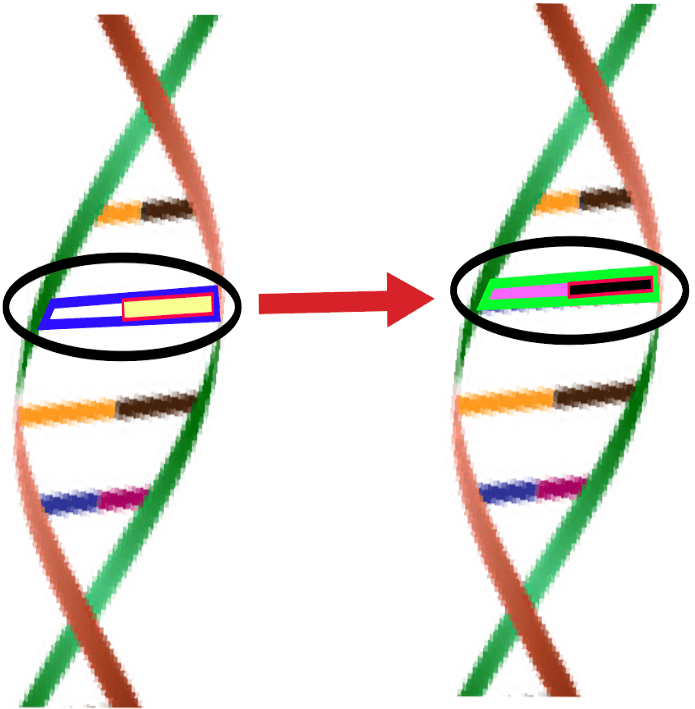
29.

A permanent change in the DNA sequence

which can affect a single gene or group of genes

a)

Homeostasis

b)

Somatic Cell

c)

Chromosomal

d)

Mutation

30.

Mutations can have...

a)

No effect

b)

Minor Effect

c)

Major Effect

d)

All of the Above

31.

Mutations are SOMETIMES helpful to the organism.

a)

true

b)

false

32.

Identify which of the following is a genetic mutation disease?

a)

Common head cold

b)

Down Syndrome

c)

Heart attack

d)

COVID-19

33.
Which is the best definition of DNA?
a)
a spiral ladder
b)
something in your cells
c)
the recipe for making an organism
34.
The yellow part of this picture is DNA. What do you think the turquoise part around it is?
a)
chromosome
b)
gene
c)
DNA
d)
ACTG
35.
Which sentence is FALSE?
a)
All organisms have 23 pairs of DNA.
b)
Chromosomes are made of genes.
c)
DNA is made out of 4 chemicals: adenine, cytosine, thymine, guanine
d)
DNA is the recipe for life.
36.
The chemicals that make up DNA (A, C, T, & G) are like...
a)
the ingredients in a recipe.
b)
the steps in directions.
c)
a map to follow.
d)
really cool and whatever.
37.
Why are your chromosomes arranged in pairs?
a)
Scientists have no idea
b)
Because you get one from your mom and one from your dad
c)
Because pairs can divide easier
d)
Because DNA is awesome
38.

The purpose of binary fission is:

a)

to enable a bacterial cell to infect a host

b)

to enable two bacterial cells to merge into a single cell

c)

to enable a bacterial cell to reproduce itself

39.

Binary fission is the reason why populations of bacteria can grow very quickly.

a)

True

b)

False

40.

Fully grown parent cells split into two halves resulting in two daughter cells with the exact DNA as the parent.

a)

Binary Fission

b)

Budding

c)

Fragmentation

d)

Vegetative Reproductions

41.
All Offspring of Asexual reproduction are identical
a)
True
b)
False
42.

Bacteria reproduce asexually by a process called

a)

replication

b)

meiosis

c)

mitosis

d)

binary fission

43.
How many parent(s)are needed for asexual?
a)
4
b)
1
c)
9
d)

2

44.

Binary fission is observed in

a)

(a) hydra

b)

(b) yeast

c)

(c) bacteria

d)

(d) human being

45.
a)
budding
b)
sporulation
c)
vegetative propagation
d)
binary fission
46.
What are some of the facts about asexual reproduction?
a)
Takes only one mate to reproduce and takes a longer time to reproduce
b)
Takes a shorter amount of time to reproduce and it takes two mates to reproduce
c)
Reproduces diverse offspring and takes a longer time to reproduce
d)
Takes only one mate to reproduce and takes a shorter time to reproduce
47.

Which is a type of Asexual Reproduction

a)

Sexual

b)

Binary fission

c)

Cells

d)

organism

48.

Which of the following methods do bacteria that cause tooth decay and cavities reproduce?

a)

Budding

b)

Binary fission

c)

Spore formation

d)

Vegetative reproduction

49.

Yeast reproduce by

a)

Budding

b)

Binary fission

c)

Spore formation

d)

Vegetative reproduction

50.

A certain strain of bacteria doubles every 20 minutes. If 2 bacterial cells are placed in a beaker with food. How many bacterial cells would you expect in 40 minutes?

a)

4

b)

6

c)

8

d)

10

51.

A certain strain of bacteria doubles every 20 minutes. If 2 bacterial cells are placed in a beaker with food. How many bacterial cells would you expect in 60 minutes?

a)

8

b)

16

c)

32

d)

64

52.

Hydra reproduce by

a)

Budding

b)

Binary fission

c)

Spore formation

d)

Vegetative reproduction

53.
A process in which DNA has the unique ability to make an exact copy of itself.
a)
Replication
b)

Copying

c)
Transcription
54.

Why is reproduction essential to life?

a)

So a species will not go extinct

b)

So species will go extinct

c)

for an organism to maintain an unbalance in population size

d)

So we can eliminate certain species

55.
The ability of an organism to create offspring is ___________________________________.  
a)
reproduction
b)
evolution
c)
development
d)
growth
56.
Type of reproduction that produces two genetically identical offspring from one parent is _________________.
a)
Sexual
b)
Asexual
c)
reproduction
d)
homeostasis
57.

What type of asexual reproduction is it?

a)

budding

b)

regeneration

c)

sporulation

d)

binary fission

58.

What type of asexual reproduction is it?

a)

vegetative propagation

b)

sporulation

c)

budding

d)

binary fission

59.

What type of asexual reproduction is it?

a)

vegetative propagation

b)

sporulation

c)

budding

d)

binary fission

60.

What type of asexual reproduction is it?

a)

budding

b)

regeneration

c)

sporulation

d)

binary fission

61.

What type of asexual reproduction is it?

a)

vegetative propagation

b)

sporulation

c)

budding

d)

binary fission

62.

What type of asexual reproduction is it?

a)

vegetative propagation

b)

sporulation

c)

budding

d)

binary fission

63.

Which type of reproduction tends to produce more offspring?

a)

Sexual

b)

Asexual

c)

They occur at the same rate

64.

Created models of DNA

a)

Chargaff

b)

Franklin

c)

Watson and Crick

d)

Hershey and Chase

65.
Who was responsible for the experiment depicted by the image?
a)
Martha Chase
b)
Watson and Crick
c)
Frederick Griffith
d)
Rosalind Franklin
66.
Who was responsible for the model shown?
a)
Oswald Avery
b)
Watson and Crick
c)
Erwin Chargaff
d)
Rosalind Franklin