
 Worksheets
Body Systems updated 2024
Total questions: 66
Worksheet time: 45mins
The basic unit of nervous tissue
Neuroglia
Nerve
Neuron

Which types of cells found in this epithelium produce mucus?
goblet cells
goblin cells
neutrophils
eosinophils
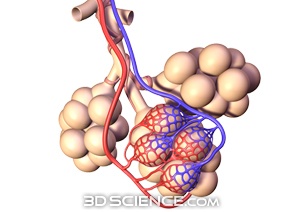
When you breathe, your lungs take in _________ and remove ___________.
air/oxygen
oxygen/carbon dioxide
carbon dioxide/waste
waste/air

What does the circulatory system do?
circulates the blood throughout the body
circulates water throughout the body
excretes waste
controls all parts of the body
These three parts work together to make up the central nervous system. They are the ________, _________, and __________.
brain, spinal cord, and nerves
heart, lungs, brain
cerebrum, cerebral cortex, cerebellum
kidney, bladder, ureter
This system carries food, gasses, and wastes throughout the body
circulatory system
respiratory system
nervous system
skeletal system
This system allows the body to take in oxygen and get rid of waste gases.
nervous system
muscular system
respiratory system
excretory system
This system protects the body's organs, provides support for the body.
nervous system
skeletal system
respiratory system
integumentary system
Which system takes food into the body, breaks down food, and absorbs the materials?
respiratory
circulatory
digestive
excretory
Which system collects and removes wastes?
muscular
circulatory
digestive
excretory
In multicellular organisms, tissues are made up of _______.
organs
systems
cells
blood

This type of cell sends messages throughout the body in the form of electrical impulse.
nerve cell
adipose cell
muscle cell
skin cell
This type of cell carries oxygen throughout the body.
goblet cell
nerve cell
white blood cell
red blood cell
This type of cell fights infection.
red blood cell
adipose cell (fat cell)
white blood cell (monocyte)
nerve cell
The ___________ is the basic unit of life.
organ
cell
atom
tissue
What is the correct order of organization?
tissues, cells, organs, organ systems, organism
cell, tissue, organs, organ systems, organism
organism, cells, tissues, organ systems, organism
tissues, cells, organs, organ systems, organism
Which cell produces mucous and helps to protect the respiratory system?
adipose cell
goblet cell
nerve cell
red blood cell
Which cells are responsible for temperature control in the body, cushioning organs, and long term energy storage?
adipose cell
nerve cell
goblet cell
white blood cell
Which type of muscle is found in your heart?
skeletal
smooth
cardiac
straight
What is an example of an involuntary muscle?
heart
arms
legs
shoulders
Which muscle type is found in your stomach, bladder, and intestines?
skeletal
smooth
cardiac
straight
Which types of muscle tissue are voluntary?
cardiac
skeletal
smooth
cardiac and smooth
What is the function of the excretory system?
Responsible for the elimination of waste by homeostasis.
Makes protein.
Transports nutrients, oxygen, and hormones to cells throughout the body and removal of metabolic wastes
Moves gasses.
Where are red blood cells made?
circulatory system
excretory system
endrocrine system
skeletal system
What is a stimulus?
a reaction to an event
anything that causes a change in an organism
a cell organelle
What is a response?
a reaction to an event
a cell organelle
anything that causes a change in an organism
Touching a really hot pan is a stimulus.
true
false
Screaming after being slapped is a stimulus.
true
false
is throwing up after eating a bad burrito a stimulus or a response?
stimulus
response
What is cell specialization?
a thing with cells
biology problems
the differentiation of cells as they develop
the development that occurs depending on their location
The diaphragm links the respiratory to the muscular system because...
it is made of skeletal muscle tissue that helps you breath.
it is made of smooth muscle tissue that helps you breath.
it is made of cardiac muscle tissue that helps you breath.
The digestive and respiratory systems pair together to ...
bring carbon dioxide and wastes to cells for diffusion.
bring oxygen and wastes to cells for diffusion.
bring oxygen and nutrients to cells for cellular respiration.
bring carbon dioxide and nutrients to cells for cellular respiration.
The digestive and respiratory rely on the ___ systems to transport needed materials to the cells.
circlatory and excretory
circulatory and muscular
nervous and digestive
nervous and skeletal
The immune system fights diseases. The circulatory system pairs with the immune system because ___.
blood is made in the bones.
plasma carries nutrients.
red blood cells carry oxygen.
white blood cells fight infection.
What tissue type carries information from your brain to the heart telling it to pump blood.
nerve tissue
epithelial tissue
muscle tissue
connective tissue
Why are the lungs, the major organ of the respiratory system, also considered an excretory organ?
They get rid of carbon dioxide, a cellular waste
They get rid of oxygen, a cellular waste
They get rid of urea, a cellular waste
They get rid of salt, a cellular waste
What is the correct relationship between the digestive system and the muscular system?
Most organs of the digestive tract are made of skeletal muscle.
Peristalsis is controlled by smooth muscle tissue.
The stomach has three layers of cardiac muscle tissue.
What systems do neurons depend on to be able to conduct cellular respiration (a process that has the key ingredients of oxygen and glucose)?
excretory, digestive, circulatory
musculoskeletal, nervous, respiratory
nervous, excretory, digestive
respiratory, digestive, circulatory
How do the skeletal and circulatory systems relate to each other?
Bone marrow produces blood.
The heart is made of cardiac muscle tissue.
The heart is held in place in the chest by ligaments.
The blood brings carbon dioxide and glucose to the cells of the bones.
All organ systems have this at its most basic unit.
Cells
Neurons
Tissues
Organs
Approximately how many times a day does a person breathe?
2,000
5,000
20,000
50,000
What's in the Circulatory (Cardiovascular) system?
consists of heart, veins and brain
consists of heart, blood vessels and blood
consists of heart, blood and lungs
consists of heart, brain and bladder
Which statement is MOST TRUE about the movement of oxygen molecules between the lungs and cells of the body?
A. Oxygen molecules enter and leave the body by way of lungs, but they do not move between the lungs and the blood.
B. Most oxygen molecules move from cells of the body to the lungs by moving through the circulatory system and then leaving the circulatory system by way of capillaries at the lungs.
C. Most oxygen molecules move from the lungs directly to the body by way of special respiratory tubes where the oxygen molecules mix with the blood.
D. Most oxygen molecules move from the lungs to cells in the body by entering microscopically small blood vessels (capillaries) and then move to the heart which pumps it to the cells of the body.
What does our body use oxygen for in cellular respiration?
A. to react with glucose in order to get energy
B. To absorb the CO2
C. To react with water
D. To help blood flow
Which statement best describes why your heart rate increases while exercising?
Her bones needed more oxygen because they were moving faster.
Her stomach needed more oxygen because it was digesting food faster.
Her brain needed more blood to coordinate her rapid exercise movements.
Her muscles needed more glucose and oxygen because they were working harder.
In Cellular Respiration what do we get rid of and gain?
ATP and Oxygen
Oxygen and water
ATP, Carbon Dioxide and Water
Which system provides nutrients to the body?
circulatory
nervous
digestive
skeletal
The digestive and respiratory systems pair together to ...
bring carbon dioxide and wastes to cells for diffusion.
bring oxygen and wastes to cells for diffusion.
bring oxygen and nutrients to cells for cellular respiration.
bring carbon dioxide and nutrients to cells for cellular respiration.

