
 Worksheets
Quiz Unit 1 and Unit 2 year 4
Total questions: 30
Worksheet time: 21mins
Observations use what?
Graphs
Your 5 senses
Scientists
Predictions
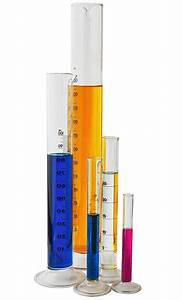
What trait does this scientific tool measure?
length
mass
volume
temperature
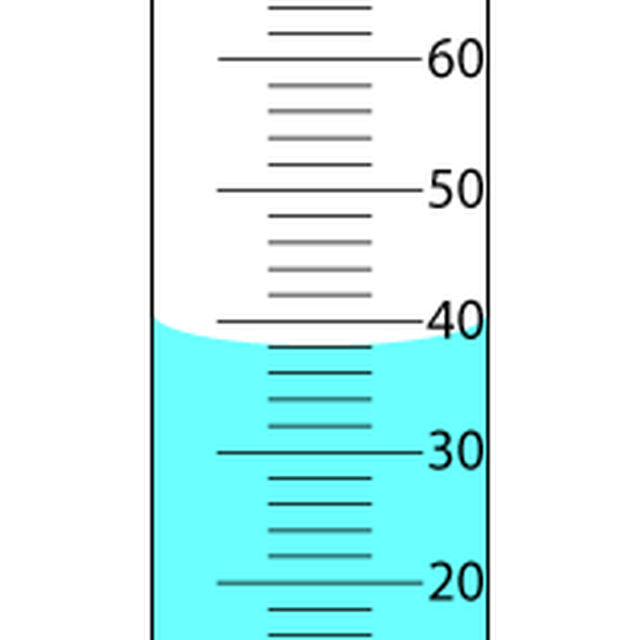
Which recorded measurement is correct?
39mL
40mL
38mL
34.0mL
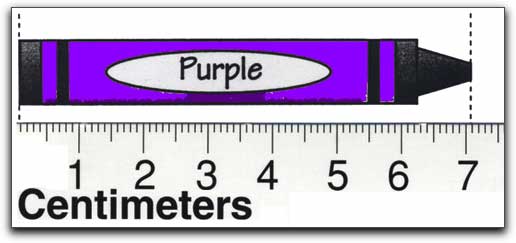
What is the length of this crayon to the nearest tenth of a centimeter?
7 cm
7.1mm
7.0 cm
7.1 cm
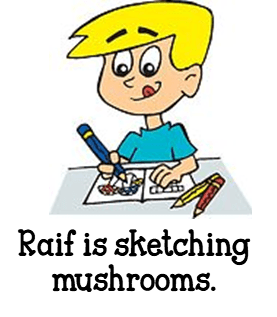
Look at the picture given. Choose the most suitable manipulative skill.
Use and handle apparatus and subtance
Handle specimens
Sketch specimens, apparatus and subtances
Clean apparatus
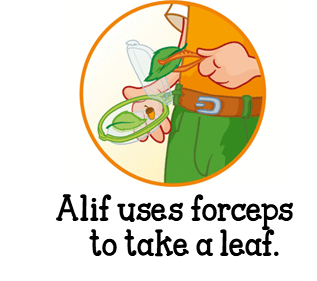
Look at the picture given. Choose the most suitable manipulative skill.
Use and handle apparatus and subtance
Handle specimens
Sketch specimens, apparatus and subtances
Clean apparatus
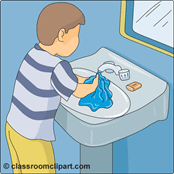
Look at the picture given. Choose the most suitable manipulative skill.
Use and handle apparatus and substances
Clean apparatus
Sketch specimens, apparatus and substances
Store apparatus
Which of the following apparatus is used to measure the volume of liquid?
Stopwatch
Thermometer
Measuring cylinder
Which of the following statement is not a science room’s rules?
Tidying the science room before left
Conducting the experiment as instructed by teacher
Eats and drinks in science room
Which of the following is not a Science Process Skill ?
Interpreting data
Defining operationally
Arranging apparatus accordingly
Controlling variables
What is a control variable
Anything that can change
The thing you change
The thing you measure at the end
The thing you keep the same
A prediction is...
... just a lucky guess
... what you think will happen and why
... an estimate
After one month, Aisha observes her plant is larger in size. What is the controlling variable that Aisha observes?
Manipulated variables
constant variables
Responding variables

Name the organs involved during breathing
Nose, Heart and lungs
Nose , Trachea and Lungs
Lungs and Kidney

Name the organ
Lungs
Heart
Trachea

The picture shows human _____
Exhale
Inhale

Choose the correct passage of air during inhale
Lungs - trachea - nose
Nose - Trachea - Lungs
Lungs - Nose - Trachea

Choose the correct passage air during exhale.
Lungs - Trachea - Nose
Nose - Trachea - Lungs
Lungs - Nose - Trachea
Inhaled air contains _______ compared to exhaled air.
more oxygen
more carbon dioxide
more water vapour

Choose the correct condition of the chest during inhalation
Chest moves upwards
Chest moves downwards
Chest moves upwards and downwards
What is the process called when you breath in the air?
inhalation
exhalation
What is the process called when you breath out the air?
inhalation
exhalation
Which of the following show the air passage for inhalation?
lungs --> nose --> trachea
nose --> trachea --> lungs
nose --> lungs --> trachea
trachea --> lungs --> nose
Which of the following will cause faster rate of breathing?
reading a story book
dancing
sleeping
watching television
Inhaled air contains _______ compared to exhaled air.
more oxygen
more carbon dioxide
more water vapour
What is meant by rate of breathing
The number of chest movement in one minute.
The number of leg movement in one minute.
The number of lung movement in one hour.
The number of eyes movement in one day.
Which activity is low rate of breathing?


Why does your breathing rate increase when you exercise?
more oxygen is picked up at the lungs for delivery to the working muscles
less oxygen is picked up at the lungs for delivery to the working muscles
your muscles are resting
your lungs need more energy to function

