wayground logo

Free Printable Worksheets

NEW

Font size

S
M
L
XL
Worksheets

Chemical Interactions Test Review

Total questions: 35

Worksheet time: 20mins

Name
Class
Date
1.
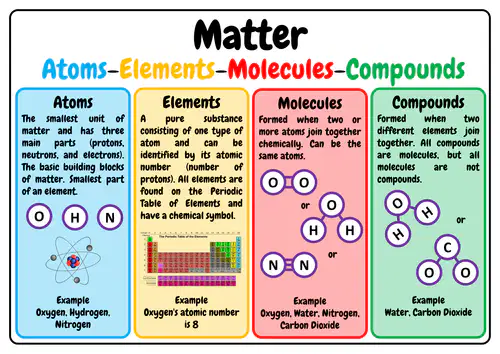
All ____________ are made up of two or more atoms bonded together.
a)

atoms

b)

molecules

c)

electrons

d)

elements

2.

Chemical _________ is when 2 or more atoms transfer or share _________ with each other.

a)

bonding/protons

b)

bonding/neutrons

c)

bonding/atoms

d)

bonding/electrons

3.
H2O2← ?
This number tells the number of atoms present.
a)
coefficient
b)
molecule
c)
subscript
d)
atom
4.
2H2O
This number tells how many molecules are in a chemical equation.
a)
coefficient
b)
subscript
c)
compound
d)
element
5.
2H2O
How many H2O molecules are present?
a)
1
b)
4
c)
2
d)
8
6.
What does this image represent?
a)
Atom
b)
Element
c)
Molecule
d)
Marshmallows
7.
Atoms are most stable when their outer shell is complete.
a)
true
b)
false
8.
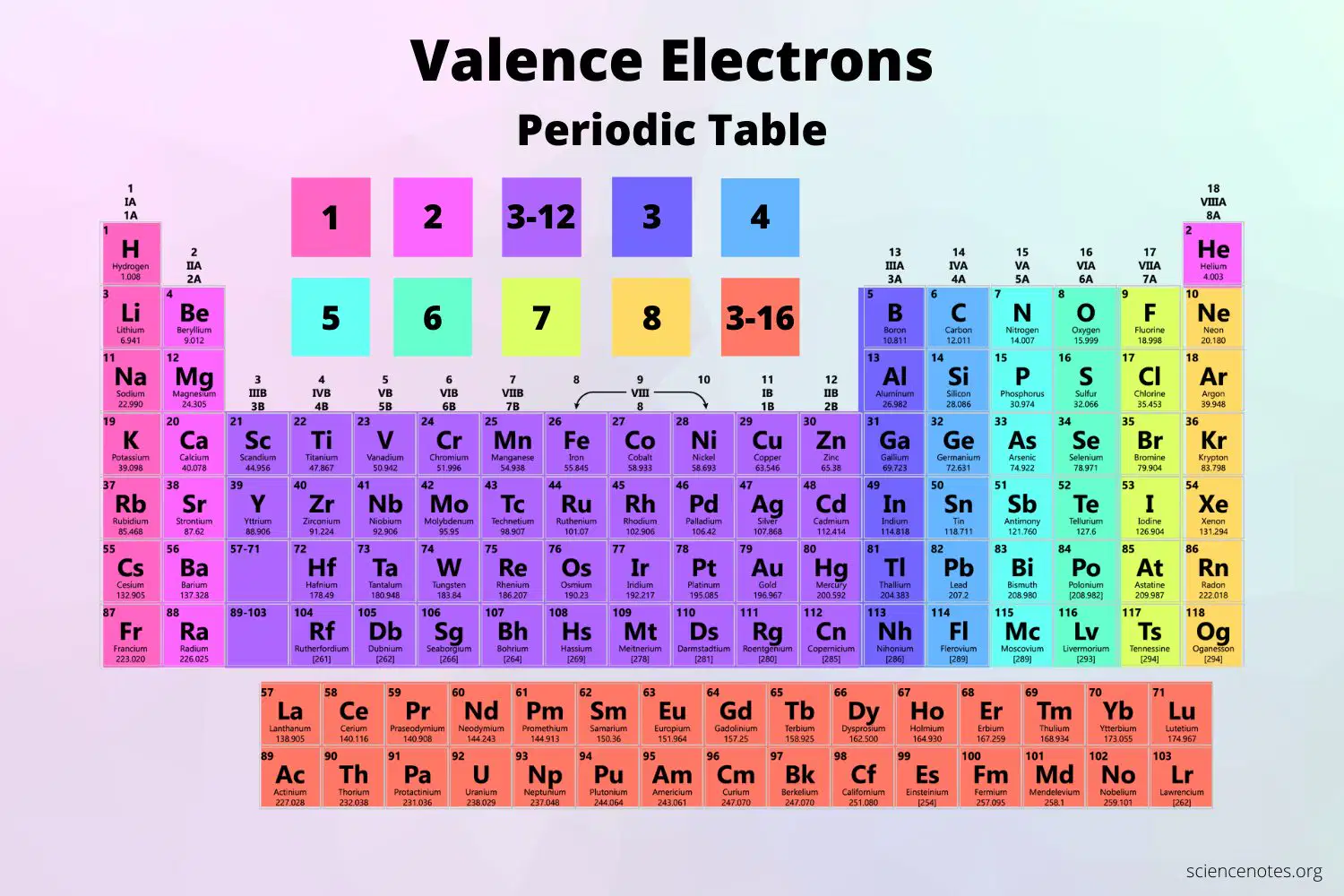
What is a valence electron?
a)
The sum of neutrons and protons.
b)
The # of electrons in the last shell.
c)
A type of bond.
d)
A popular compound.
9.

How many valence electrons does hydrogen have?

a)

4

b)

3

c)

2

d)

1

10.
a)
2
b)
8
c)
3
d)
13
11.
Which of these items is made up of one or more molecules?
a)
Gold
b)
Hydrogen
c)
Salt 
d)
Neon 
12.
Carbon dioxide (CO2) contains how many atoms of oxygen?
a)
0
b)
1
c)
2
d)
3
13.
When there is no subscript after an element's symbol, it means there are how many atoms of that element?
a)
0
b)
1
c)
2
d)
unknown
14.

How many valence electrons does oxygen have?

a)

2

b)

3

c)

6

d)

4

15.

If a compound is two or more different elements combined which is NOT a compound?

a)

H20 (Water)

b)

C6H12O6 (Sugar)

c)

O2 (Oxygen)

d)

NaCl (Salt)

16.
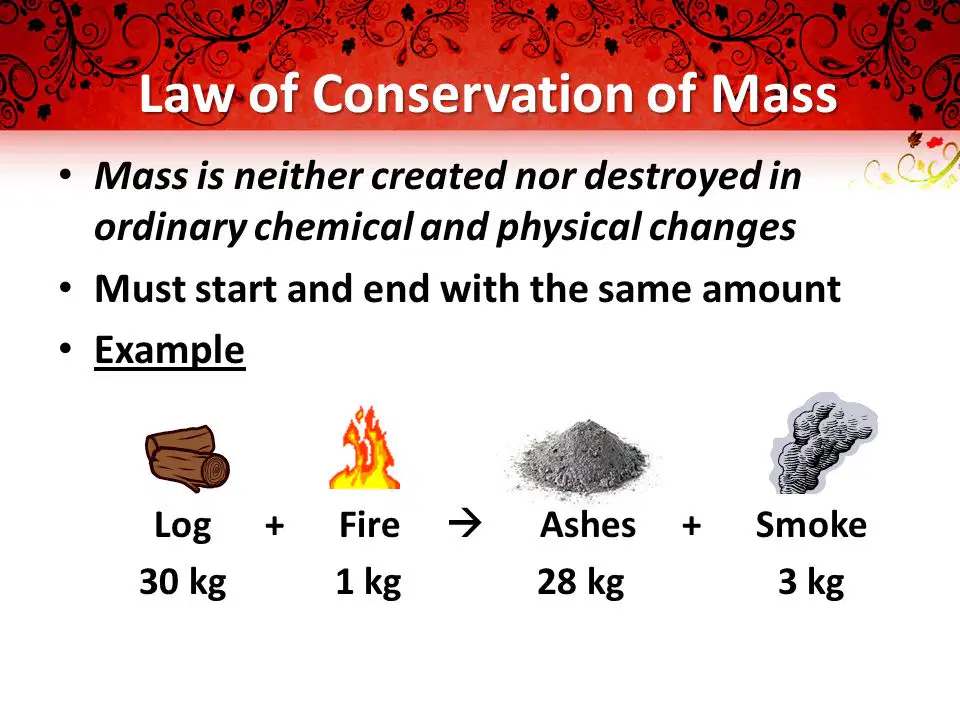
What does the Law of Conservation of Mass state?
a)

Matter cannot be gained or lost in a chemical reaction.

b)

Matter can only be lost in a chemical reaction.

c)

Matter can only be gained in a chemical reaction.

d)

Matter can be gained and lost in a chemical reaction. 

17.
What is the right part of a chemical equation called...
2H2 + O2 --> 2H2O
a)
Reactants
b)
Products 
c)
Yields 
d)
Chemical Equation 
18.
What is the total number of atoms present in 5Na3PO4
a)
5
b)
40
c)
55
d)
8
19.
How many elements are in C6H12O6?
a)
1
b)
2
c)
3
d)
4
20.
What are the larger numbers that you CAN CHANGE in a chemical equation? 
a)
Coefficient 
b)
Products
c)
Reactants
d)
Subscripts
21.
What is the part of the chemical equation in green called? 
Fe + S --> FeS
a)
products
b)
reactants
c)
yield
d)
chemical formula
22.

___ Al + ___ Br2 -----> ____ AlBr3

a)

3, 2, 2

b)

2, 3, 2

c)

3, 2, 2

d)

1, 2, 3

23.

___ Cr + ___O2 -----> ____ Cr2O3

a)

3, 2, 4

b)

2, 3, 4

c)

2,1, 5

d)

4, 3, 2

24.

___ NaClO3 ----> ___ NaCl + ___ O2

a)

1, 3, 2

b)

2,3,2

c)

2, 2,3

d)

3, 2, 2

25.

____ H2 + ____ N2 ----> ____ NH3

a)

1, 2, 3

b)

3, 1, 2

c)

3, 2, 1

d)

1, 3, 2

26.
At the end of chemical reactions, what is the total mass of the reactants compared to the total mass of the products?
a)
the product is doubled
b)
the product is half the mass of the reactants
c)
the mass is the same
d)
the mass changes depending on the reaction
27.

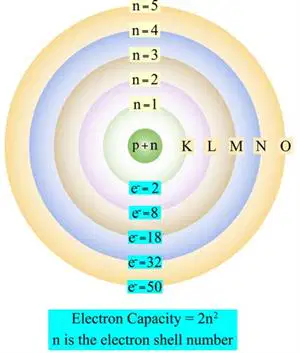
How many electrons can the first electron orbital hold?

a)

1

b)

2

c)

8

d)

0

28.

How many electrons can you put in the second electron orbital?

a)

2

b)

6

c)

8

d)

18

29.

How many electrons can you put in the third electron orbital?

a)

2

b)

6

c)

8

d)

18

30.

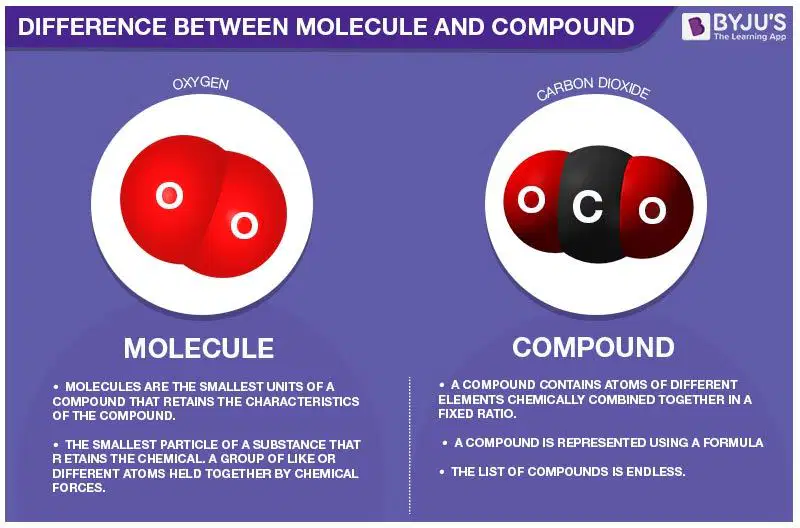
A ___________ is made up of 2 or more DIFFERENT TYPES of ATOMS that are chemically bonded together.

a)

atoms

b)

molecules

c)

compound

d)

elements

31.

All compounds are molecules, but not all molecules are compounds.

a)

True

b)

False

32.

Which is the correct organization from smallest to largest?

a)

Electrons, Protons, Atoms, Elements, Molecules, Compounds

b)

Protons, Electrons, Atoms, Elements, Molecules, Compounds

c)

Electrons, Protons, Elements, Atoms, Molecules, Compounds

33.

Both #1 and #2 in the picture are molecules.

a)

True

b)

False

34.

In the picture: #1 is a ____________, whereas #2 is two unbonded nitrogen atoms.

a)

molecule

b)

compound

35.

How many atoms are in C6H12O6?

a)

24

b)

3