
 Worksheets
Animal kingdom classification
Total questions: 50
Worksheet time: 42mins

How many legs does a spider have?
2
4
6
8
What is a vertebrate?
an animals that lays hard shelled eggs
animals with a backbone
an animal that breathes through its gills
an animal without a backbone

which group do I belong to?
aves
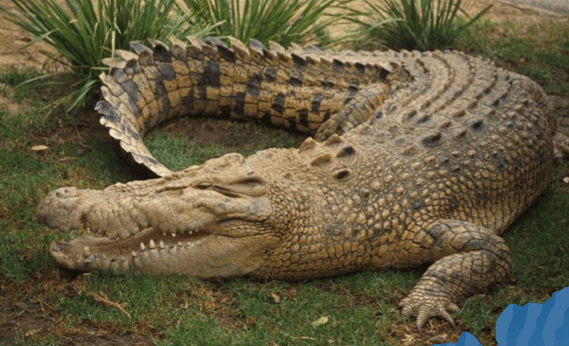
reptile
amphibian
mammals
an example of arthropod


What is invertebrate?
an animal that lives in water
a warm blooded animal
an animal without a backbone
a cold blooded animal
my body covered by feathers, breathing with lungs and oviparous.


Which of the following is a characteristic of an amphibian?
They give live births and feed their young with milk.
They have feathers and breathe with lungs.
They live on land and have fur.
They have two stages to their life cycle.

My body is warm, I have fur, feed my young on milk, and have live births. What am I?
Reptile
mammals
aves
amphibian

based on their characteristics, animals that have the closest relatives are
[1] and [2]
[1] and [3]
[2] and [4]
[3] and [4]
the example of echinoderm


Which is NOT a characteristics of animals?
Have to obtain their food from outside sources
Have cells with a nucleus.
Are made of one cells.
Have either radial or bilateral symmetry.

this animal belong to ___ phyllum
annelid
Platyhelminthes
nemathelminthes
arthropod

2- In animals the bodies of which can be divided in two equal halves only in one plane are:
(i) asymmetrical
(ii) bilaterally symmetrical
(iii) radially symmetrical
these invertebrates have jointed appendages, 3 body segments and an exoskeleton
cnidarian
annelid
mollusk
arthropod
echinoderm

which phylum?
cnidarian
annelid
mollusk
arthropod
echinoderm

which phylum?
cnidarian
annelid
mollusk
arthropod
echinoderm
Animals without a backbone are called ________________________.
Warm-Blooded
Invetebrates
Cold-Blooded
Vertebrates
They have four legs or no legs
molluscs
arthropods
reptiles
annellids
they are covered in feathers
mammals
birds
molluscs
reptiles
they have fins and bodies covered in scales
amphibians
cnidarians
echinoderms
fish


Scientists classify animals based on their shared_____.
Classification
Characteristics
Things they eat
Where they live
Animals with a backbone are called ________________________.
Vertebrates
Invertebrates
Carnivores
Omnivores
Animals that have body temperatures that change with their surroundings are called
Carnivores
Warm-Blooded
Omnivores
Cold-Blooded
The largest group of animals on Earth is the___
Insects
Mammals
Birds
Fish
Animals without a backbone are called ________________________.
Warm-Blooded
Invetebrates
Cold-Blooded
Vertebrates
The scientific name given to an organism is based on binominal nomenclature.
True
False
A group of organisms that can mate and produce offspring that can also mate and reproduce
Binominal Nomenclature
Genus
Taxonomy
Species
First word in an organism's scientific name
Classification
Genus
Taxonomy
Species

What is the difference between a fungus and a plant?
Fungi are autotrophic and the plants are heterotrophic
Fungi are heterotrophic and the plants are autotrophic
Plants can move but fungi cannot move
Plants are multicellular and animals are unicellular

Leaf S
Eastern white pine
balsam poplar
sweet gum
ginko


Which of the following is the best definition of "classification"?
The practice of grouping animals randomly and studying their characteristics
The practice of grouping animals based on their characteristics
The practice of studying animals in their natural habitats
The practice of studying animals under a microscope

