
 Worksheets
Cell Communication Review
Total questions: 15
Worksheet time: 8mins
Signal
a substance formed of amino acids that binds which a specific molecule, causing the cell in which the substance is found to respond
a molecule that is generated when a specific substance attaches to a receptor on a cell membrane and that causes changes within the cell
anything that carries information between cells
Second Messenger
a substance formed of amino acids that binds which a specific molecule, causing the cell in which the substance is found to respond
a molecule that is generated after a specific substance attaches to a receptor on a cell membrane and that causes amplification and changes within the cell
anything that carries information between cells
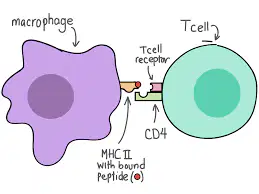
what is the best description for the mode of communication between T-cell and Antigen
autocrine
direct
paracrine
endocrine
which of the following is a cell receptor
enzyme linked
g protein
ion channel
all of the above
How does a cell recognize only the signals meant for it?
It has receptor proteins that respond to light and sound
It has receptor proteins of specific shapes that certain molecules fit in.
It has receptor proteins in the cytoplasm that respond to touch
It has receptor proteins that repel certain signal molecules
Stages of communication are
paracrine, local, synaptic
reception, transduction, response
reception, disintegration, cell generation
alpha, beta, and gamma stages
paracine signaling
targeting near by cells
requires nerve cells
occur in yeast only
happens in plants but not animals
which molecule help in transduction stage
G protein
transduction factor
c AMP
ion channel
Neurons send signals with neurotransmitters through:
direct contact through gap junctions
long distance signaling in the bloodstream
local signaling across the synaptic cleft
Hormones are called
first messengers
second messengers
both
none
The two types of feedback systems that help organisms maintain homeostasis are:
minor and major
static and dynamic
positive and negative
receptor and effector
Maintaining body temperature is an example of a:
Negative Feedback
Positive feedback
When glucose levels in the blood rise, your brain sends a signal to your pancreas. The pancreas releases insulin, which opens channels in cell membranes to allow glucose to enter the cell, lowering blood sugar levels.
Positive Feedback
Negative Feedback
What is the point of a feedback loop?
To provide the body with more energy
To provide the body with more food
To make sure the conditions in the body remain stable and Homeostasis
To make sure the conditions in the body are always changing
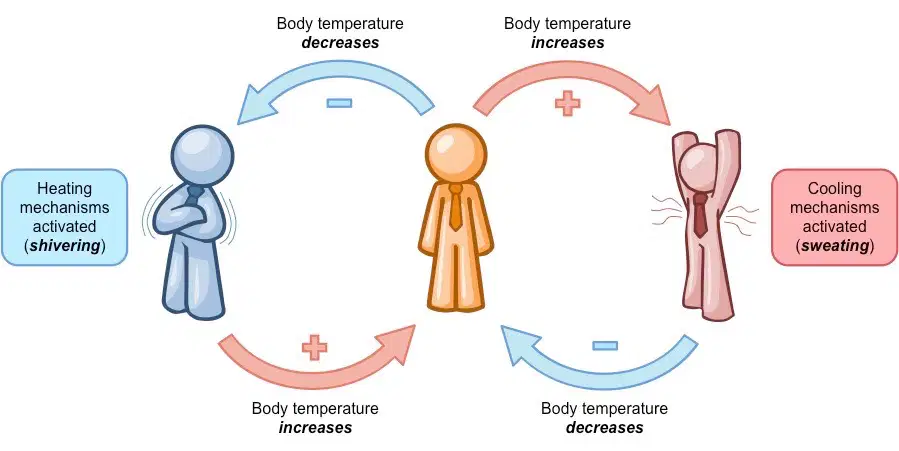
In this body temperature feedback loop, predict what would happen if cooling mechanisms were NOT activated?
The body would not warm up.
The body would not cool down.
Your body would get colder and colder.
Your body would release lots of heat.

