
NEW
Font size
 Worksheets
Coastal Processes
Total questions: 25
Worksheet time: 23mins

Which of the following is NOT a characteristic of a coastal wave?
Crest
Swash
Trough
Landform
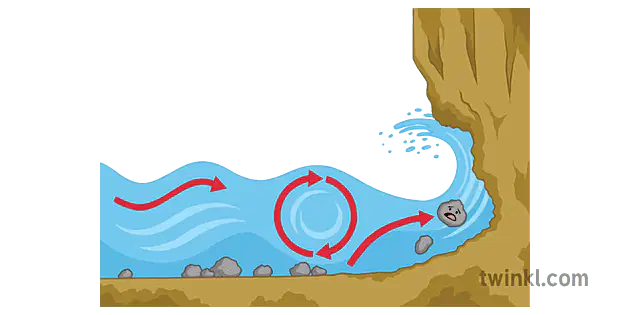
The process by which rock fragments carried by the water are thrown against the coast, breaking up the coastal rocks:
Solution
Abrasion
Cavitation
Hydraulic Action

Which of the following is responsible for transporting sediments along the coast?
Tides
Erosion
Swash
Longshore Current
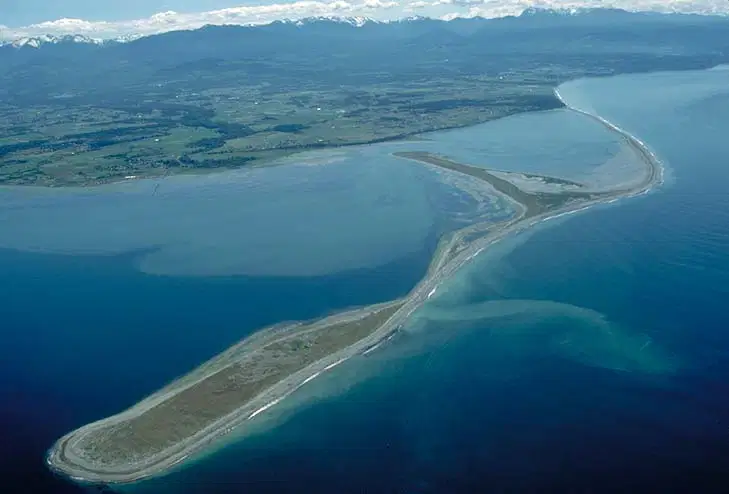
The process by which sediment is dropped or laid down by waves is known as:
Erosion
Weathering
Depostion
Transportation
Which of the following landforms is NOT formed from wave erosion?
Cliffs
Arches
Stacks
Spits
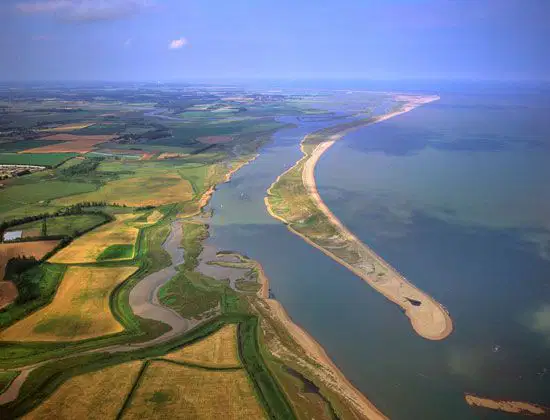
A narrow strip of land that extends into the water from the coast is called a:
Headland
Bay
Spit
Estuary
Which of the following landforms is created by wave deposition?
Bay-bars
Cliffs
Caves
Stacks
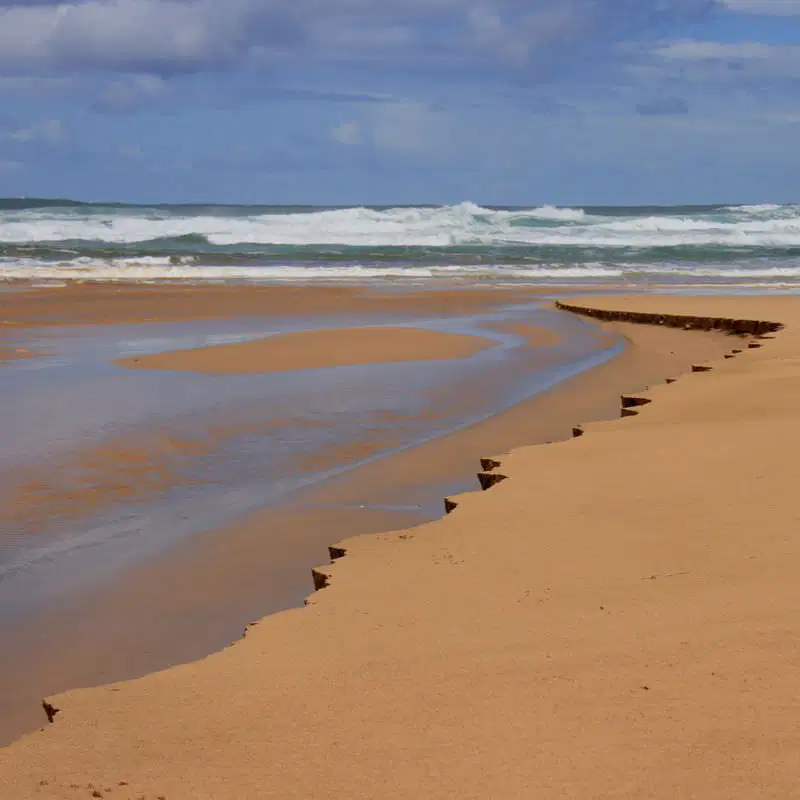
Large quantities of sand may be deposited up the beach creating a parallel rise to the beach. If it stays in place, it may eventually become a high ridge of sand called a:
Beach
Berm
Estuary
Tidal flat
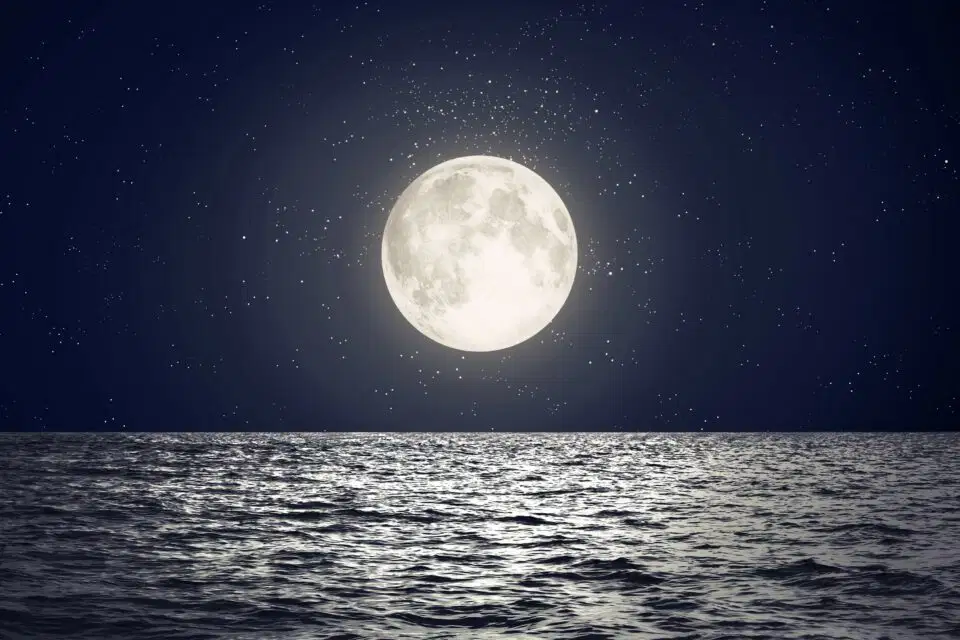
The repeated movement of water caused by the gravitational pull of the Moon is called:
Waves
Tides
Currents
Swell
Which of the following landforms is created by wave transportation?
Cliffs
Arches
Tombolos
Stacks
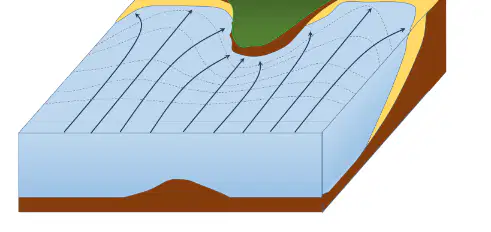
The process by which waves change direction and bend as they encounter an obstacle is known as:
Refraction
Reflection
Absorption
Diffraction
Which of the following is NOT a feature formed from wave deposition?
Barrier islands
Caves
Spits
Tombolos
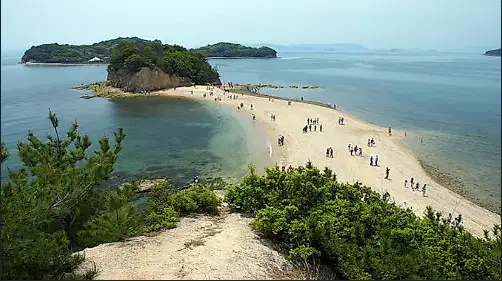
A long, narrow sandbar that connects an island to the mainland is called a:
Spit
Tombolo
Barrier Island
Estuary
The vertical distance between the crest and trough of a wave is called the:
Wavelength
Frequency
Wave Height
Wave Refraction
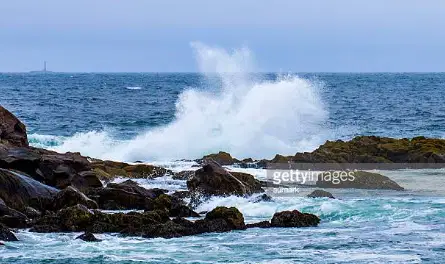
The process by which rock particles carried by the water collide with each other, becoming smaller, smoother and rounder particles is known as:
Abrasion
Attrition
Solution
Diffraction
Which of the following is NOT a feature formed from wave transportation?
Sandbars
Caves
Longshore
Barrier islands
The process of waves crashing against cliffs and wearing them away is an example of:
Hydraulic action
Solution
Corrasion
Abrasion
The horizontal distance between two consecutive wave crests or troughs is known as the:
Wave length
Wave Frequency
Amplitude
Swash
Which of the following is a feature formed from wave erosion?
Caves
Bars
Spits
Tombolos
Under the influence of gravity water is pulled back toward the sea. This is known as:
Swash
Backwash
Longshore currents
Rip currents
The main agent of coastal change is:
Wind
Currents
Swash
Spit
Which of the following is NOT a feature formed from wave deposition?
Barrier islands
Spits
Notches
Bay-bars
Which feature develops along coasts with alternate bands of resistant and less resistant rocks due to erosion and wave refraction ?
Tombolos
Headlands and Bays
Stacks
Spits
An area of water dammed by a bay-bar:
Estuary
Dune
Tidal wave
Lagoon
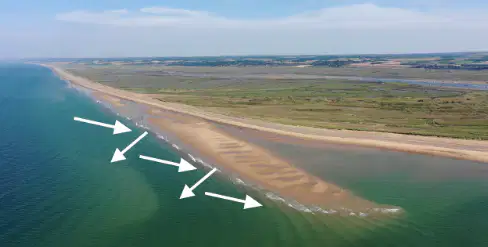
The process by which waves carry and move sediment along the coast is known as:
Longshore drift
Erosion
Deposition
Weathering

