
 Worksheets
1º ESO UNIT 6 Interaction in living things
Total questions: 41
Worksheet time: 45mins
Which of the following examples is not a physical stimuli
Light.
Electrical.
Mechanical.
Thermal.
flavour
Which of the following statements about receptors is FALSE
Proprioceptors provide information about the position and posture of the organism’s body in space
Living organisms have receptors that inform them about their body’s internal conditions.
Senses belong to the group of exteroceptors.
Sense organs provide information about the organism’s internal environment.
Select the incorrect statments about coordination
Coordination is necessary in both animals and plants.
Coordinating systems allow communication between the different cells that make up an organism.
The endocrine system acts more quickly than the nervous system.
Coordinating systems mediate between receptors and effectors.
Which of the following organisms do not have nervous system
Mushroom
Lion
Amaeba
Insect
Plant
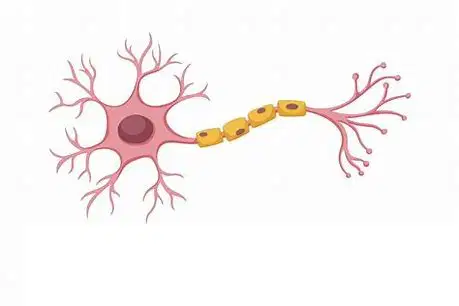
Look at the image. Which is the name given to the yellow cells?
Neurons
Astrocytes
Oligodendrocytes
Schwann cells
These are short protrusions that generally transmit incoming nerve impulses in neurons
Dendrites
Axons
Somas
Neuroglia
These are highly specialised cells in the nervous tissue.
They are star-shaped cells unable to divide.
They initiate and transmit nerve impulses.
(a)
Which of the following statements about plant hormones is FALSE
Plant hormones are produced in specialized glands.
The production of plant hormones mostly occurs in the apexes of stems and roots
Plant hormones can act on cells that lie far from the apexes of stems and roots.
Plant hormones allow responses to stimuli from the environment.
Select the incorrect responses in the Sympathetic nervous system
Dilates pupils
increases heartbeat
inhibits activity of digestive system
stimulates saliva
contracts bladder
This autonomic nervous system is associated with situations of rest and calm, and decreases energy expenditure of the body.
Parasympathetic nervous system
Sympathetic nervous system
The nerve impulse at the axon ending causes the release of ___________, substances that relay impulses between neighboring cells
neurotransmitters
hormones
effectors
receptors
taxes
Identify which of the following sequences corresponds to a voluntary act
Sensory receptor → sensory neuron → spinal cord → cerebral cortex → spinal cord → motor neuron → muscle
Sensory receptor → sensory neuron → spinal cord → motor neuron → muscle
Sensory receptor → sensory neuron → spinal cord → cerebellum → spinal cord → motor neuron → muscle
Sensory receptor → neuroglia → spinal cord → cerebral cortex → spinal cord → motor neuron → muscle
A plant response to certain chemical substances
Chemotropism
Phototropism
Geotropism
Thigmotropism
Plant tendrils wrap around a supporting post
Thigmotropism
Geotropism
Seismonastia
Nictinastia
The roots of a plant grow down into the soil
Negative Phototropism
Positive
Geotropism
Negative Chemotropism
Positive
Thigmotropism
Long-lasting responses to a constant stimulus that determine the direction of plant growth. Can be positive or negative
Tropisms
Nastic movements
Taxes
Static responses
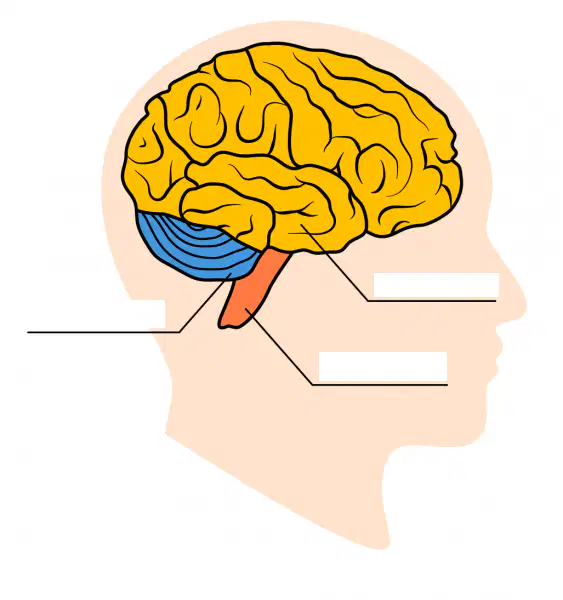
Look at the image. Which part of the brain is painted in blue colour?
Cerebellum
Brainstem
(cerebrum) Cerebral cortex
Which of the following statements about receptors is FALSE
Mechanoreceptors detect sound, pressure and contact
Photoreceptors detect light
Chemoreceptors detect chemical substances
Thermoreceptors detect temperature and contact
Select the incorrect endocrine gland in humans
Pituitary gland
Ovaries
Pineal gland
Pancreas
Liver
These chemical substances are delivered to the bloodstream and are carried to certain target tissues or organs, where they trigger a specific response
Neurotransmitters
Vesicles
Hormones
Histamines

Look at the image. Which of the following processes is representing?
Voluntary act
Reflex
Instinct
These neuroglia wrap around several axons, form an insulating layer called the myelin sheath
Astrocytes
Oligodendrocytes
Schwann cells
Brain is protected by the skull and it has the ________ for further protection
meninges
spinal column
brain stem
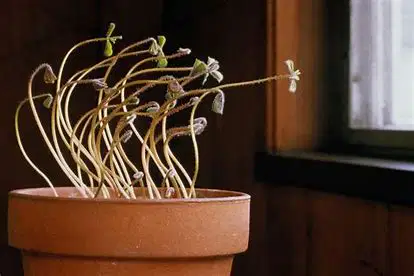
Look at the image. Which type of response is showing the plant?
phototropism
geotropism
chemotropism
thigmotropism
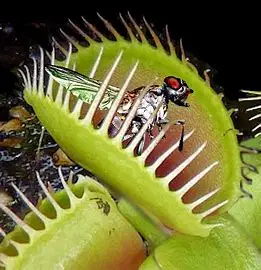
Which type of response is performing this plant?
thermonasty
seismonasty
hydronasty
nictinastia
These substances play an important role in controlling growth and development, as well as in reproduction and the overall functioning of the organism
(a)
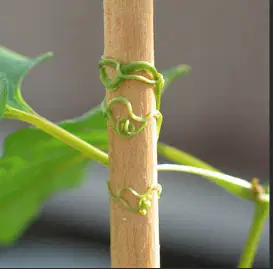
Which type of tropism is showing this plant?
Thigmotropism
Chemotropism
Geotropism
Phototropism

Look at the diagram of the main endocrine glands. Which endocrine glond is letter A?
Pancreas
Adrenal gland
Ovaries
Tyroid gland
Pineal gland
Unicellular organisms can also produce dynamic responses. Which of the following images is representing a cillia movement?
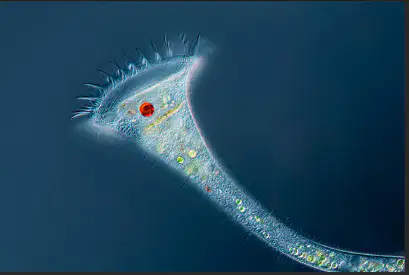
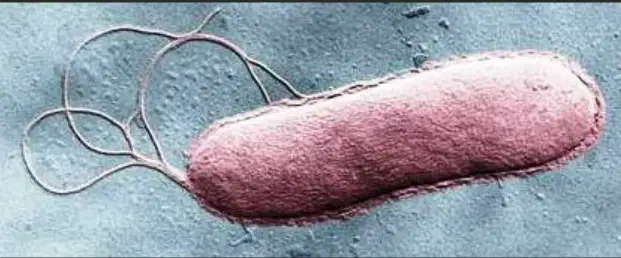

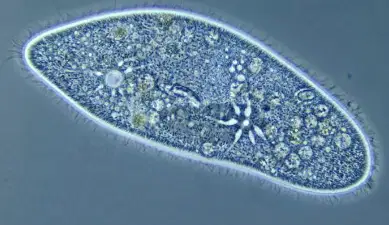
Select the correct statements that define flagellum in unicellular organisms
Occur at one end of a the cell
Only found in eukaryotic cell
they are short, hair-like structures
Beat in coordination
They are long, whip-like structures
Select the correct options that define the ENDOCRINE SYSTEM
They provide a quick response that lasts a short time.
Their response is slower and lasts longer.
The information is transmitted by hormones
The information is transmitted by electrical impulses
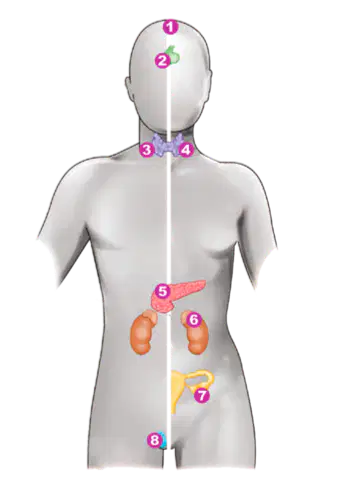
Which is the endocrine gland represented by number 7?
Ovaries
Testicles
Adrenal glands
Parathyroid glands
This endocrine gland produce the melatonine hormone, that regulates cycles of sleep and heart rhythms:
Pineal Gland
Pituitary gland
Pancreas
Thyroid gland
Parathyroid gland
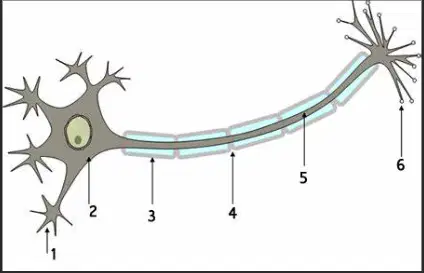
Which part of the neuron is pointing at number 2?
Soma
Dendrite
Axon
Myelin sheath
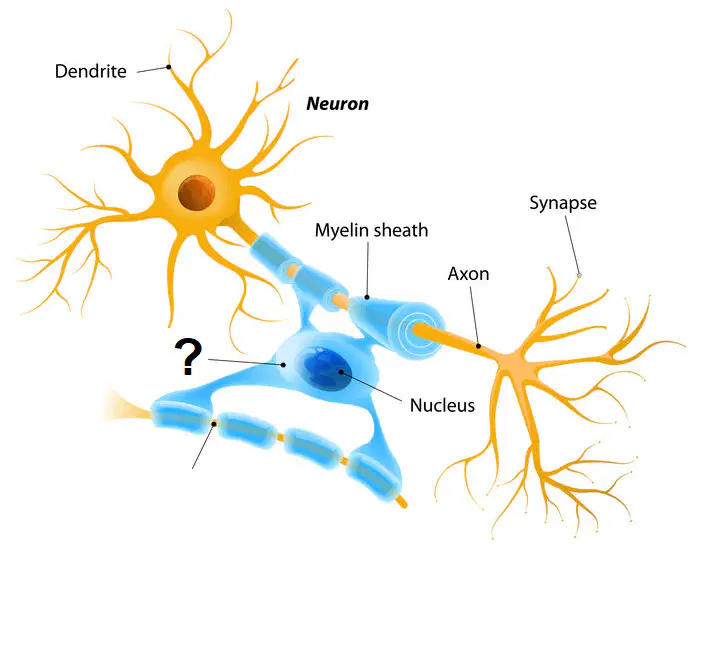
Which type of neuroglia cell is the blue cell?
Olygodendrocyte
Swhann Cell
Neuron
Motor cell
Sensory cell

This image is representing a synapse between two neurons. What are exactly the red molecules?
Neurotransmitters
Hormones
Neuroglia
Mitochondria
This type of receptors in animals provide information about the body position and body motion, as well as on the relative position of body parts
Propioceptors
Interoceptors
Exteroceptors
Sense receptors
We have mechanoreceptors in our...
eyes
nose
tongue
ears
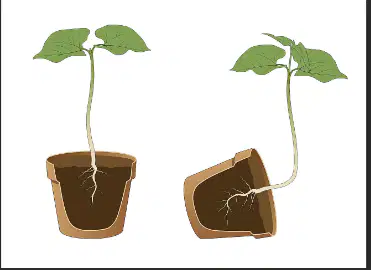
The plant on the right is showing a...
geotropism
phototropism
thigmotropism
chemotropism
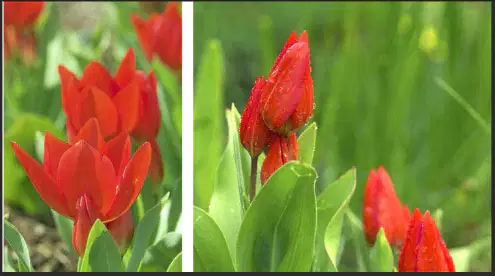
This flower is showing a transient and reversible response to a change in temperature. This movement is called...
Thermonasty
Nictinastia
Hydronasty
Thigmotropism
Chemotropism
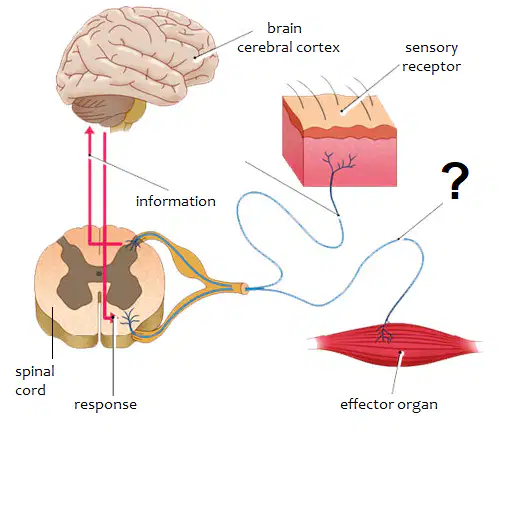
This image is showing a voluntary action. Which type of neuron is connected with the effector organ?
Motor neuron
Sensory neuron
Interneuron
Oligodendrocyte
Schawnn neuron

