
 Worksheets
Quiz for Friend Section 3
Total questions: 75
Worksheet time: 48mins
If the steering wheel was a clock, then where should your hands be?
10 & 2
9 & 3
8 & 4
8 & 2
Avoid gripping the wheel with your...
Palms
fingers
thumbs
Driving 20 over the speed limit, or going 85 mph, is considered (a) driving
Are radar detectors legal in this state?
Yes
No
Always (a) when you are about to go from a driveway, parking lot, etc. onto a road, or over a sidewalk
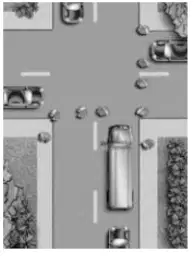
Which car can go?
Top
Left
Right
Bottom
None
You do not have to stop for a bus if what is between you and it? (2 answers)
Intersection
Barrier
Solid Yellow Lines
Median
Stopping distance is affected by...
Braking distance
Steering distance
Perception time
Reaction distance
Leg muscle strength
Stopping distance is affected by...
Weather
Mental condition
Visibility
Foot Size
Physical condition
If you are going 25 MPH on dry, level pavement, how much feet of distance do you need to stop?
85
135
195
265
344
If you are going 55 MPH on dry, level pavement, how much feet of distance do you need to stop?
85
135
195
265
344
If you are going 65 MPH on dry, level pavement, how much feet of distance do you need to stop?
85
135
195
265
344
If you are going 35 MPH on dry, level pavement, how much feet of distance do you need to stop?
85
135
195
265
344
If you are going 45 MPH on dry, level pavement, how much feet of distance do you need to stop?
85
135
195
265
344
You should practice braking before driving a vehicle with (a) brakes
You must yield right of way to...
Funeral Processions
Military conveys
Traffic in a road you want to enter
Traffic already in a roundabout
If you are behind a stationary emergency vehicle or tow truck...
Come to a complete stop
slow down and proceed with caution
Try and change lanes.
Try and change lanes. If you can't, slow down and proceed with caution
If a trash collection vehicle is stopped on a highway of 4 or more lanes...
Pass it like any other vehicle, but slower
Stop and wait for it to move
Pass it in a lane not next to it
If you can't change lanes, go 10 mph under the speed limit and pass at least 2 feet left of it
If a trash collection vehicle is stopped on a highway, and there are less than 4 lanes...
Stop and wait for it to move
Pass it in a lane not next to it
Go 10 mph under the speed limit and pass at least 2 feet left of it
You cannot park within (a) feet of fire trucks and their equipment while they're answering an alarm
Stay (a) or more feet of an emergency vehicle with its lights flashing
When an emergency vehicle with its lights on is approaching you...
Stop where you are
Maintain speed and don't change lanes
Pull over to the right side
Prepare for unexpected movements from it
Which way do you go around a roundabout
Clockwise
Counterclockwise
Should you use your turn signals before entering a roundabout?
Yes
No
If you plan to go left out of an upcoming roundabout
Go in the right lane
Go in the left lane
Use either lane
If you plan to go straight when going out of an upcoming roundabout
Go in the right lane
Go in the left lane
Use either lane
What are you not supposed to do before changing lanes
Check your mirrors
Use your turn signal
Glance over your shoulder
Reduce your speed by 10 MPH
In a multi-lane highway, stay in the right lane if you are driving (a) that traffic
In a multi-lane highway, the left lane is for (a)
What is not true about passing?
You should check for traffic all around you beforehand
You should not exceed the speed limit
Once you see the car your passing in the rear view mirror, return to the right lane
You may pass on the right if the vehicle you are passing signaled they are going left
It's ok if you enter a no passing zone mid-pass
When passing a bicycle, moped, motorcycle, etc., slow down and maintain at least _ feet of distance.
(a)
When being passed...
Slow down
Maintain your speed
Speed up
Where is it legal to pass?
Hill or curve
Intersection
Hills and curves with traffic going in the same direction
Railroad Crossing
Where your lane is marked with a solid line
What occurs when your wheels turn farther than intended and the rear wheels slide
Drift
Skidding
Over-correction
Rear-skidding
What do you do if you veer off the road?
Increase your speed
Decrease your speed
Look in the direction you want to go, then turn back to the road quickly
Look in the direction you want to go, then turn back to the road slowly
How many seconds early should you use your signals
1-2
2-3
3-4
4-5
When turning, (a) smoothly before and during it
Before turning left, keep your wheels...
Left
Straight
Right

What does this mean?
Left turn
Right turn
Slow down or stop
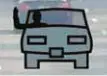
What does this mean?
Left turn
Right turn
Slow down or stop
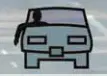
What does this mean?
Left turn
Right turn
Slow down or stop
When turning, other vehicles might pull out in front of you because...
They want to turn into your lane
They may not know exactly what you will do
You will need at least _ seconds of following distance when traveling under 35 MPH
(a)
You will need at least _ seconds of following distance when traveling 35-45 MPH
(a)
You will need at least _ seconds of following distance when traveling 46-70 MPH
(a)
You should increase following distance...
Nasty weather or heavy traffic
While exiting an expressway
When the vehicle behind you blocks your visions
Behind a motorcycle, bike, etc.
While being tailgaited
What are clues of what could happen on the road?
Exhaust smoke
Turned wheels
Brake or back up lights
Slow moving vehicles that are on or could enter the road
Don't keep your eyes in _ place(s)
(a)
In rural areas, look for...
Hidden intersections
Curves and hills
Road conditions
Slow moving vehicles
Your inside rear view mirror should be positioned so that it shows the entire what of your vehicle?
Fenders
Back side windows
Back window
Trunk
When looking left and right at an intersection, you should look which way first?
Left
Right
You should look in your rear view mirrors every ___ seconds
5
10
15
20
Check traffic behind you before...
Going down a steep hill
Changing lanes
Backing up
Slowing down quickly
What's the best way to see a vehicle in your blind spots?
Look over your shoulder
Speed up to move your blind spots
Slow down to move your blind spots
Check your mirrors
Be especially careful of pedestrians when...
Turning
Going straight
Do bicyclist have the same right of way as motor vehicles?
Yes
No
Check ___ for motorcycles when going into traffic, and always ___ to them
once
twice
Yield
Stop
A change in the road surface or debris can be big for a...
Car
Truck, semi truck, etc.
Motorcycle, bike, etc.
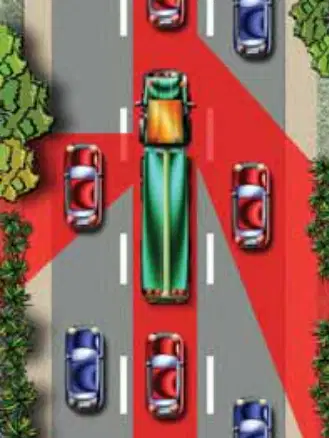
What is this?
The no zones
The yes zones
The driver's field of view
The safety cushion
Why is the left no zone smaller than the right?
Semi truck are not allowed to turn left
They only have large right turns
Just because
Because the driver is closer that way
When passing a truck, RV, etc., when should you return to your lane?
3 seconds after getting in front of it
4 seconds after getting in front of it
When you can see the entirety of the truck's front in your mirror
When you can see half of the truck's front in your mirror
When parking on a public road, be as far from ___ as safely possible
the curb
the sidewalk
train tracks
traffic
Use your mirrors to look behind you while backing up
True
False
Where can you park?
20 feet of an intersection
a bike lane
beside another parked vehicle
20 feet away from a hydrant
500 feet of emergency vehicles answering an alarm
You should have your headlights on...
Always
At night
When you need to use your windshield wipers
When in fog
You should use high-beam headlights in fog
True
False
You should not use your windshield wipers for sprinkles
True
False
During rain, the road is most likely to be slippery...
During the first half hour
During the first hour
Near the end of it
After the rain stops
When braking on packed snow
Apply brakes gently
release from the gas pedal
Slam the brakes
Use the parking brakes
What can prevent drowsy driving
Chewing gum
Rolling down the window
Turning on the radio
Pulling over and taking a short nap
Drinking coffee or energy drinks
If you are about to hit a deer...
Try to swerve around it
Stay in your lane and try to stop
If you park downhill with a curb, turn your wheels...
Left
Right
If you park uphill with a curb, turn your wheels...
Left
Right
If you park uphill without a curb, turn your wheels...
Left
Right
If you park downhill without a curb, turn your wheels...
Left
Right

