
 Worksheets
Final - 3rd Q Review
Total questions: 67
Worksheet time: 59mins

Identify the cycle pictured
The Nitrogen Cycle
The Water Cycle
The Carbon Cycle
The Phosphorous Cycle
How does carbon dioxide leave the atmosphere and become part of the food chain?
through transpiration
through photosynthesis
through factory emission
sunlight
how do animals get the carbon they need?
decomposing
combustion
eating plants
breathing it in
What role do animals play in the carbon cycle?
absorb carbon dioxide from the atmosphere
give off carbon dioxide through respiration
combustionm
decomposing matter
What role do decomposers play in the carbon cycle?
absorb carbon dioxide
release carbon dioxide into atmosphere
return carbon into the soil
combustion
What is one way that carbon dioxide can be put back into the atmosphere?
sunlight
burning of fossil fuels
ocean currents
rain
5) Which part of the carbon cycle occurs when plants or animals die?
Photosynthesis
The oceans
Respiration
Decay
Combustion


Large frozen blocks of water in the water cycle are __________.
sun
water cycle
glaciers
precipitation
The movement of water both on and above Earth's surface is ____________________.
sun
water cycle
glaciers
precipitation

What change occurs as water vapor forms clouds in the atmosphere?
a gas changes to a liquid
a liquid changes to a gas
a solid changes to a liquid
a gas changes to a solid
Students put water in a two liter bottle and place it by a lamp. What part of this model represents cloud formation in the water cycle?
Tiny drops of water forming at the top of the bottle.
Drops of water running down the side of the bottle.
The lamp shining on the bottle and the water.
Water sitting in the bottom of the bottle.
A model that describes all the processes by which rock is formed.
rock cycle
Weathering
Sedimentation
What is the product of Melting?
Igneous Rock
Sediments
Sedimentary rock
Magma
Metamorphic rock
What is the product of Crystallization?
Igneous Rock
Sediments
Sedimentary rock
Magma
Metamorphic rock
What is the product of Uplift and Exposure/ Weathering and Erosion?
Igneous Rock
Sediments
Sedimentary rock
Magma
Metamorphic rock
What is the product of Deposition and Lithification?
Igneous Rock
Sediments
Sedimentary rock
Magma
Metamorphic rock
What is the product of Metamorphism?
Igneous Rock
Sediments
Sedimentary rock
Magma
Metamorphic rock
breaks the rock down into smaller pieces
melting
deposition
lithification
uplift
weathering and erosion


The movement of the tectonic plates is caused by
the rotation of the Earth.
convection currents in the Asthenosphere
the gravity of the iron-nickel core.
the Moho discontinuity.
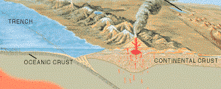
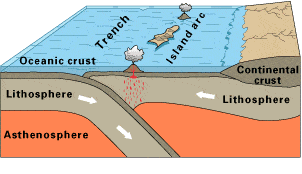
Observe this diagram of a plate boundary. One statement BEST describes what is happening. It is that
the oceanic crust is melting.
the denser ceanic crust is subducting under the less dense oceanic crust
volcanic islands are forming.
the tectonic plates are moving away from each other.

Below is a picture of sea-floor spreading. How are the ocean crusts moving?
Converging
Diverging
Sliding
No movement
The rigid section of the earth that move as a unit is called..........
Gravitational Pull
Tectonic plates

A ________ is a device that has a magnet on a needle that spins freely. It is used for navigation because its needle usually points north.
calculator
ruler
compass
map
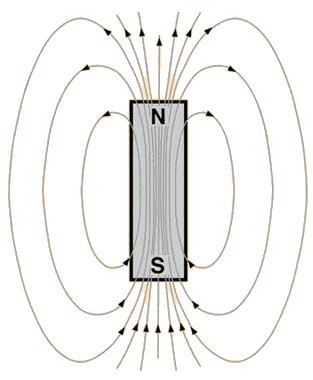
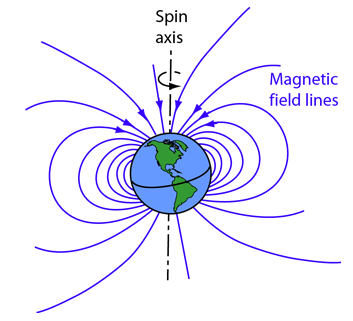
What is the shape of a magnetic field around a wire?
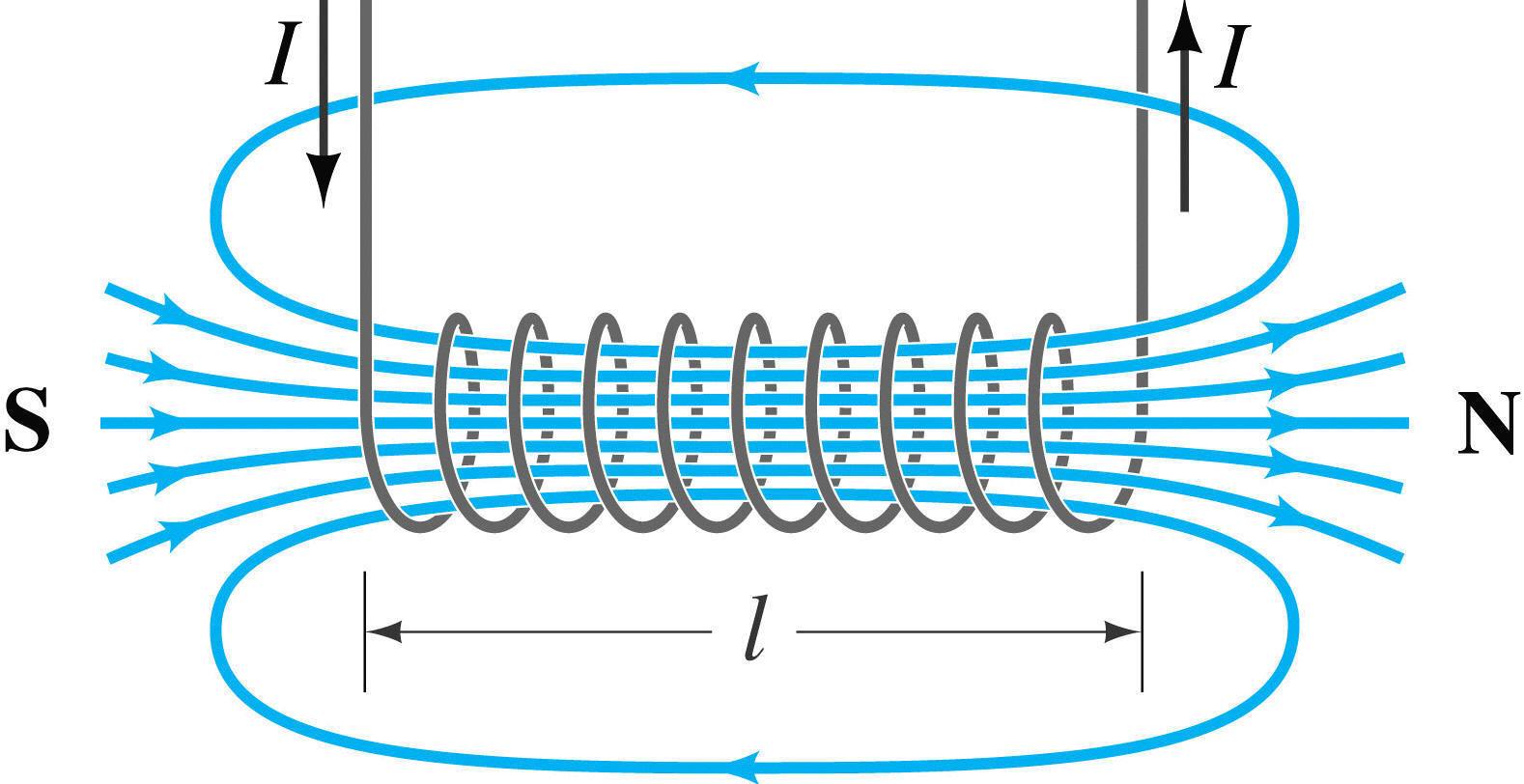
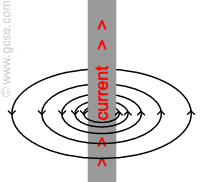
Lakes can disappear due to
condensation
transpiration
eutrophication
photosynthesis
The streams and smaller rivers that feed into a main river are its
watersheds
tributaries
divides
reservoirs
Though it occurs naturally, human activities can increase
tributaries
eutrophication
watersheds
When a lake is created by building a dam , the lake is called a
watershed
divide
reservoir
A river and all the streams and smaller rivers that flow into it together makeup a
tributary
water shed
river system
What is the water that is above the Earth's surface?
Surface Water
Runoffs
Groundwater
Water Table
What is it called when water flows across the Earth's surface into bodies of water?
Surface Water
Runoffs
Groundwater
Water Table
What is the water found in the spaces between rock particles below the Earth's surface?
Surface Water
Runoffs
Groundwater
Water Table
What is the upper boundary, or surface, of groundwater?
Surface Water
Runoffs
Groundwater
Water Table
What is a body of rock or sediment that stores groundwater and allows water to flow?
Gradient
Stream Load
Aquifer
Pores
What is the open spaces between particles of rock or sediment where aquifers store water?
Gradient
Stream Load
Aquifer
Pores
What is the percentage of storage space in an aquifer that is measured?
Porosity
Permeability
Recharge
Discharge
What is a measure of how easily water can flow through an aquifer?
Porosity
Permeability
Recharge
Discharge
The spaces between rocks or sediment where water is stored in an aquifer.
Openings
Pores
Stream load
Water table
As permeability increases
Infiltration decreases and runoff decreases
Infiltration increases and runoff decreases
Infiltration decreases and runoff increases
Infiltration increases and runoff increases
What is the relationship between particle size and porosity?
As particle size increases permeability increases
As particle size decreases permeability increases
There is no relationship
What type of sediment tends to be the most impermeable?
sand
clay
silt
rocks
Soil with the greatest porosity has particles that are ...
poorly sorted and densely packed
poorly sorted and loosely packed
well sorted and densely packed
well sorted and loosely packed


