
 Worksheets
Food Prep Final
Total questions: 97
Worksheet time: 51mins
What does the abbreviation Tsp or t mean
teaspoon
tablespoon
cup
pint
What does the abbreviation lb. mean
teaspoon
ounce
pound
gallon
What does the abbreviation C mean
pound
Cup
ounce
dozen
What does the abbreviation pt mean
pint
cup
pound
ounce
What does the abbreviation g mean
pound
ounce
gram
pint
What does the abbreviation gal mean
pint
dozen
cup
gallon
What does the abbreviation Tbsp or T mean
tablespoon
teaspoon
cup
ounce
What does the abbreviation doz. mean
fluid ounce
dozen
cup
gallon
What does the abbreviation oz mean
pint
fluid ounce
ounce
cup
What does the abbreviation fl. oz mean
pint
ounce
cup
fluid ounce
Solid ingredients should be packed or pressed into liquid measuring cups to measure accurately.
True
False

Name this
skillet
sauce pan
frying pan
stock pot
A chef's knife has a broad tapered blade that is good for chopping and dicing
True
False

Name this
rubber scraper
turner /spatula
wooden spoon
flipper
Match the following vegetables with the appropriate group.
- STARCHY
yams, carrots, squash
potatoes and corn
spinach and lettuce
legumes, lentils, soy

Name this knife that can be used to peel fruit or cutting small amounts of food
serrated knife
vegetable peeler
paring knife
chef's knife
This tool is used for gripping hot foods like corn on the cob.
fork
tongs
grater
wooden spoon
What should be under a cutting board to prevent it from slipping or sliding around?
nothing is needed
a damp towel
a hot pad
The quantity of food the recipe makes is called the...
serving size
yield
portion
Cooks food by surrounding the items with hot, dry air in the oven. As the outer layers of the food become heated, the food's natural juices turn to steam and are absorbed into the food.
Poach
beat
bake
Cube shaped (medium ½ x ½ x ½" and small is ¼ x ¼ x ¼")
dice
whip
simmer
blanch
To cook food items, often meat or poultry, uncovered in an oven.
roast
boil
saute
stirfry
A cooking method closely related to sautéing. Food is cooked over a very high heat, generally in a wok with a little fat, and stirred quickly.
boil
broil
stir fry
simmer
Breading- or batter-coating food, immersing (completely covering) it in hot fat, and frying it until it is done. The outside of the food item develops a crispy coating while the inside stays moist and tender.
deep fry
fold
garnish
saute
To beat together ingredients, typically fat and sugar, until soft and creamy. Dissolves the sugar and adds air.
garnish
sift
dredge
cream
To cook foods in a small amount of fat over medium-high heat.
saute
steam
braise
grill
Small, colorful, edible bits of food used to enhance the appearance of a dish.
garnish
coat
braise
To cook food under direct heat.
roast
broil
pare
To cut food into small pieces by pressing/rubbing the food against the rough surface of a grater.
simmer
poach
mince
grate
To cut food into small, irregular pieces.
blanch
cream
chop
To cook food with steam by placing it in a basket or rack over, but not in, boiling water.
braise
steam
broil
bake
To gently combine delicate ingredients.
dredge
stir fry
fold
stew
To cook food by first browning it, then simmering in a small amount of liquid.
dice
braise
cream
Completely submerging food in a liquid that is at a constant, moderate temperature
poach
dice
saute
Cut the main food item into bite-sized pieces and either blanch or sear them, cook food in oil first and then add liquid. Cover the food completely while it is simmering.
stew
deep fry
saute
To thoroughly mix foods using a vigorous over-and-over motion.
beat
fold
mince
poach
To cut off a very thin layer of peel from fruits and vegetables.
pare
whip
saute
stir fry
To cut food into the smallest possible pieces.
pare
mince
dice
To put dry ingredients, such as flour, through a sifter or strainer in order to add air, remove lumps, or mix ingredients.
score
puree
sift
dice
To brush or pour liquid over a food as it cooks
grate
sift
baste
saute
Cooking food in liquid between 160°F and 180°F. The surface of the liquid should show some motion, but no air bubbles should break the surface.
saute
broil
simmer
stew
To incorporate air into a mixture by beating it vigorously, making it light and fluffy.
whip
fold
score
roast
The method of steaming can help foods retain their shape, color, flavor and nutrients.
true
false

Name this food preparation technique in the picture provided.
folding
kneading
broiling
whisking/whipping

Name this food preparation technique in the picture provided.
stirring
mixing
dicing
kneading
When boiling, nutrient loss is very LOW when using this method.
True
False

Name this food preparation technique in the picture provided.
double boiling
dredging
peeling
chopping

Name this food preparation technique in the picture provided.
Grating
sauteing
rolling
whisking

Name this food preparation technique in the picture provided.
grating
peeling
zesting
shaving
A wok is traditionally used in stir frying.
True
False
What is a coating technique that soaks food in liquid (called a marinade) to flavor and tenderize?
Breading
Marinating
Brushing
Basting
To heat liquid until bubbles rapidly rise to the surface and break.
Boil
Simmer
Steam
Saute
What are examples of the seed part of the plant
Pumpkin seeds
beets
nuts
lettuce
What are examples of the fruit part of the plant
Collards
Beets
Tomato
Nuts
What are examples of the root part of the plant
Pepper
Pumpkin seeds
Leeks
Violets
What are examples of the stem part of the plant
Leeks
Asparagus
Squash
Rhubarb
What are examples of the leaf part of the plant
Radish
Lettuce
Rhubarb
Tomato
What are examples of the flower part of the plant
Chive Blossom
Beets
Lettuce
Violets
What parts of the grain are used to make products such as brown rice and whole wheat bread?
Bran
Endosperm
Germ
What part(s) of the grain remain in white rice and enriched breads?
Bran
Germ
Endosperm
This part of the grain is considered the nutritional powerhouse.
Germ
Bran
Endosperm
Which rice is a healthier choice, brown or white?
Brown
White
Carbohydrates are divided into two categories. They are:
simple and fiber
simple and complex
fiber and complex
Adding SOME of the nutrients lost during processing.
Restored
Enriched
Converted
Converted
When cooking pasta, your finished product should be
Al dente
a roux
mise en place
Considered Whole Grain when it has . . .
All Portions of the Grain
Germ
Bran
Endosperm
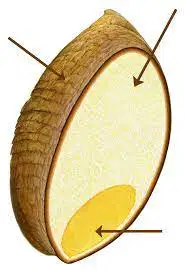
Label the bottom arrow with the correct part of the grain
Bran
Germ
Endosperm
Is rice an example of a whole grain?
yes
no
All purpose flour is made from...
Germ
Bran
Endosperm
Whole Kernal
Milling is a process that:
adds nutrients to the grain
Strips the grain of the bran and germ
helps farmers grow better grains
adds a tax to the producers of grains
What kind of nutrition do whole grains give our bodies?
Fiber
Sugar
Salt
Grains are the most important staple in the world food supply
True
False
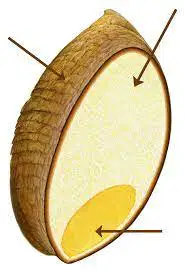
Label the top right arrow with the correct part of the grain
Bran
Endosperm
Germ
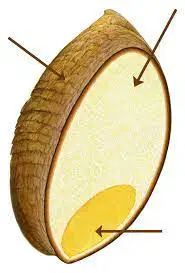
Label the top left arrow with the correct part of the grain.
Bran
Endosperm
Germ
What are the three types of rice grains?
White, brown, whole
Instant, natural, cooked
Short, medium, long
Method of preserving and restoring nutrients in rice.
Enriched
Fortified
Converted
Restored
How should cooked grains be stored for food safety?
in a loosely sealed container
in the freezer
in the refrigerator
in a cool, dry place
The entire Kernel is used in enriched flour
True
False
Foods that have had vitamins and minerals added back into them.
nutritious
Enriched
whole
healthy
What is the differen between cream and milk?
Milk has fewer fat solids than cream
Milk has more fat solids than cream
Dairy alternatives are healthier than dairy
True
False
Every type of dairy milk (from whole, low-fat, or fat-free to chocolate) delivers the nine essential nutrients
True
False
What nutrients are added to milk during processing?
Vitamin A and B
Calcium and Vitamin A
Vitamin C and A
Vitamin B and D
The milk fat in raw milk rises to the surface during storage. Which processing method will prevent this from occurring?
pasteurization
scalding
homogenization
Vitamin D fortification
Using too-high cooking temperatures will cause milk to:
become creamier.
curdle and scorch.
harden
harden and become sweeter.
Buttermilk is an example of:
cultured milk products.
milk solids.
nondairy foods.
whey.
Which dairy product contains the highest percentage of fat?
Heavy Cream
Whole Milk
Half-and-Half
Skim Milk
___________ is known as milk sugar
Lactose
Lactase
Glucose
Fats
4 nutrients found in milk are,
Vitamin D
Fats
Calcium
Protein
Carbohydrates
Protein
Sodium
Fats
Riboflavin
Vitamin A
Fiber
Antioxidants
Vitamin D
Sodium
Fiber
Lactose
The 4 categories of cheese are:
soft
semi-hard
hard
semi-soft
shredded
blue vein
aged
ripened
hard
semi-hard
soft
semi-flat
hard
round
soft
shredded
If a dairy product is homogenized, then the fat particles are
Grouped together to form a smooth texture
Small enough to drink
Evenly distributed
Removed
The process applied to milk that allows it to be safe for consumption is called:
Straining
Curdling
Homogenization
Pasteurization

Name this food preparation technique in the picture provided.
Folding
Stirring
Creaming
Turning
How does heat affect food? Choose all that apply
Brings out flavor and aroma
It does nothing
Can change the color
Changes the texture

Name this food preparation technique in the picture provided.
Grinding
Grilling
Peeling
Searing
A term that means "everything in its place." Includes measuring your ingredients and gathering all supplies/equipment for the recipe
mise en place, or "mise"
measurements
preparation
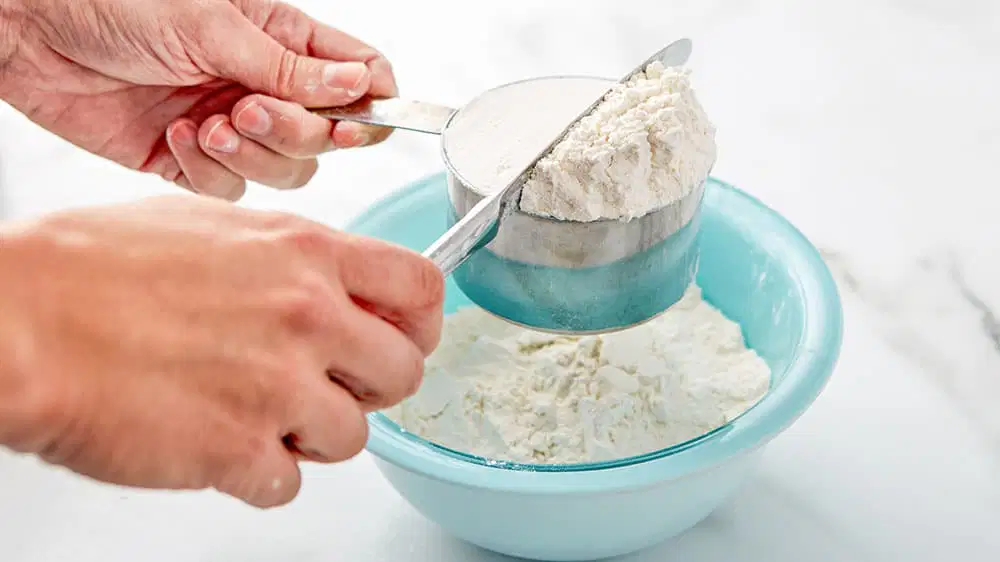
Name this food preparation technique in the picture provided.
measuring liquids
sifting
leveling
cutting in

