wayground logo

Free Printable Worksheets

NEW

Font size

S
M
L
XL
Worksheets

G7 Unit 4 Matter Concepts Review

Total questions: 45

Worksheet time: 31mins

Name
Class
Date
1.

Crystal formation is a physical change.

a)

True

b)

False

2.

How do particles in a solid move?

a)

Move fast in straight lines

b)

Vibrate

c)

Move freely

d)

Are stationary

3.

Which substance can be easily compressed?

a)

Gas

b)

liquid

c)

solid

4.

What happens to solids when they are heated?

a)

They freeze

b)

They expand

c)

They contract and get smaller

d)

They break down

5.

How do particles in a liquid move?

a)

Move fast in curved paths

b)

Move fast in straight lines

c)

Vibrate

d)

Move freely over each other

6.

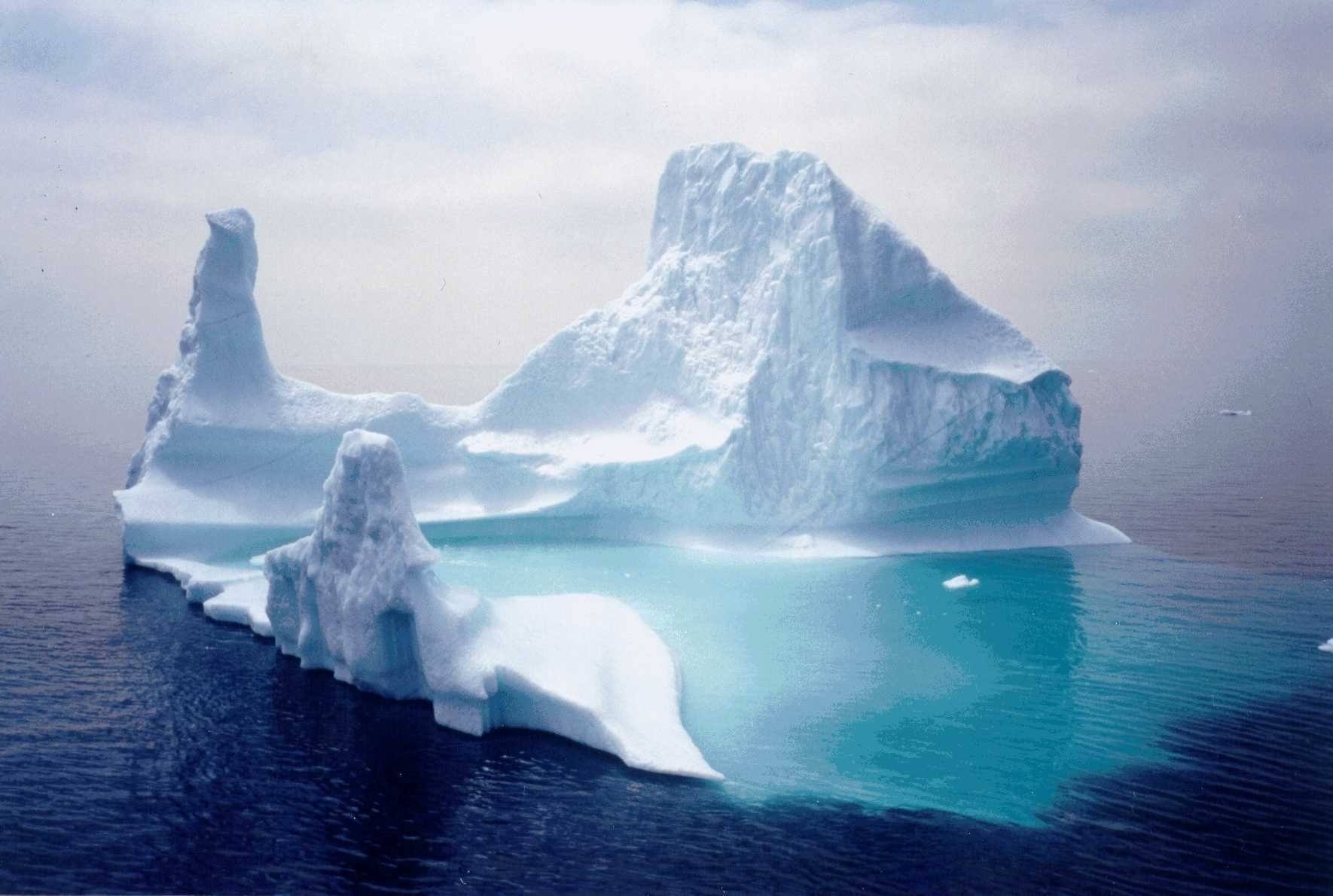
What is the state of matter in this image?

a)

liquid

b)

solid

c)

liquid

7.

A ________ has no shape and no size.

a)

gas

b)

liquid

c)

solid

8.

One similarity between solids, liquids and gases is

a)

all three have atoms and molecules

b)

all three have molecules that are close together

c)

all three take the shape of their containers

9.

Anything that takes up space and has mass is

a)

Matter

b)

Volume

c)

Liquid

d)

Atom

10.
Hot coffee is stirred with a spoon; the spoon gets hot due to
a)
conduction
b)
convection
c)
radiation
11.
Near the ceiling of a room the air is warmer; the warm air rises because of
a)
conduction
b)
convection
c)
radiation
12.
Molecules in cold things move more _________
than in hot things.
a)
quickly
b)
slowly
c)
happily
d)
merrily
13.
In heat transfer, heat always flows from the _______________ substance to the _______________ substance.
a)
Hotter to colder
b)
Colder to hotter
c)
Hotter to hotter
d)
Colder to colder
14.
Which statement is true?
a)
The quicker a molecule moves, the colder it is.
b)
The slower a molecule moves, the warmer it is.
c)
The quicker a molecule moves, the warmer it is
d)
The movement on molecule don�t affect its temperature
15.
What kind of heat transfer happens when the sun is heating your body?
a)
Conduction
b)
Radiation
c)
Convection
d)
Density
16.

The motion of atoms or molecules within a substance

a)

temperature

b)

thermal energy

c)

kinetic energy

d)

solid

17.

The average kinetic energy of the atomes or molecules within a substance.

a)

thermal energy

b)

kinetic energy

c)

temperature

d)

gas

18.

Matter in which atoms vibrate so much that they are far apart.

a)

liquid

b)

solid

c)

gas

d)

thermal energy

19.

The process when matter loses thermal energy and changes from a gas to a liquid.

a)

thermal energy

b)

kinetic energy

c)

temperature

d)

condensation

20.

__________ is a type of heat transfer that occurs through the movement of fluids, which can be solid liquid or gas.

a)

Conduction

b)

Convection

c)

Radiation

21.

Changing matter from a solid to a liquid is called:

a)

condensation

b)

evaporation

c)

freezing

d)

melting

22.

What is sublimation?

a)

When a substance changes directly from a gas to a solid

b)

When a substance evaporates

c)

When a substance changes directly from a solid to a gas

d)

When a substance freezes

23.

What happens to the liquid particles when they lose energy...

a)

The particles move faster

b)

The particles get further apart

c)

The particles get closer together

d)

The particles stop moving

24.
What happens to a substance when it changes from a liquid to a solid?
a)
it gains mass
b)
it gains energy
c)
it loses mass
d)
it loses energy
25.
If you want to change liquid water into a gas you must:
a)
remove heat from the water
b)
apply pressure to the water
c)
add heat to the water
d)
add chemicals to the water
26.

The process when a gas turns into a solid

a)

Deposition

b)

Weathering and Erosion

c)

Super freezing

d)

Sublimation

27.
The molecules in the picture are tightly held together with little movement. They have shape and energy.  Therefore, the picture represents _________.
a)
solid
b)
liquid
c)
gas
d)
plasma
28.

Identify the process being described:

A Liquid Changes to a Solid.

a)

Melting

b)

Boiling

c)

Freezing

d)

Condensation

29.
What are the two main categories of matter?
a)
Elements & Compounds
b)
Pure Substances & Mixtures
c)
Homogeneous & Heterogeneous
d)
Suspensions & Colloids
30.
A molecule is the smallest part of...
a)
An element
b)
A compound
c)
A mixture
31.
An example of a homogeneous mixture is...
a)
Pizza
b)
Granite
c)
Salad Dressing
d)
Salt Water
32.
The atom is the smallest part of...
a)
An element
b)
A compound
c)
A mixture
33.
Which of the following is an element?
a)
Sugar
b)
Salt
c)
Water
d)
Oxygen
34.
Which of the following is a compound?
a)
Sugar
b)
Salt Water
c)
Salad Dressing
d)
Oxygen
35.
An example of a heterogeneous mixture is...
a)
Coffee
b)
Kool-Aid
c)
Salad Dressing
d)
Salt Water
36.
the liquid a substance dissolves in
a)
solute
b)
solvent
c)
mixture
d)
solution
37.
the substance to be dissolved in a liquid
a)
solute
b)
solvent
c)
dissolve
d)
mixture
38.

Solutions are a special kind of mixture in which __________.

a)

Each object stays the same in the mixture

b)

substances are dissolved together

39.

What type of substance is being modeled here?

a)

pure substance

b)

mixture

40.

What two types of matter are pure substances?

a)

elements and solutions

b)

compounds and mixtures

c)

elements and compounds

d)

mixtures and solutions

41.
Shape is a ____ that helps identify an object.
a)
physical property
b)
chemical property
c)
mass
d)
matter
42.

Which one of the following would you use to separate sand from iron filings?

a)

a magnet

b)

filter paper

c)

hot plate

d)

strainer

43.
Pizza
a)
Heterogeneous
b)
Homogeneous
44.
The ability of a metal to allow heat or electricity to pass through it.
a)
conductivity
b)
insulator
c)
mass
d)
density
45.

The ability of one substance to dissolve in another is called ________.

a)

Solubility

b)

Acidity

c)

Basicity

d)

Reactivity