
 Worksheets
Atoms, Matter, PT, & Interactions (PS.2-4) Pt 2 SOL Review
Total questions: 41
Worksheet time: 40mins
Name
Class
Date
1.

Order the atomic models below from the oldest to the mot recent.
a)
2, 1, 3, and 4
b)
1, 2, 4, and 3
c)
3, 2, 4, and 1
d)
3, 1, 2, and 4
2.
Which particles make up the nucleus of an atom?
a)
protons and neutrons
b)
electrons and protons
c)
electrons, protons, and neutrons
d)
electrons and neutrons
3.
The particles of the atom you can find by knowing the atomic number.
a)
neutrons
b)
protons and electrons
c)
protons and neutrons
d)
atomic mass
4.
The subatomic particle that determines the identity of an element.
a)
neutron
b)
proton
c)
electron
d)
outer shell
5.
An electron has a _____ charge.
a)
negative
b)
positive
c)
neutral
6.

What is the number of protons that the element in this image contain?
a)
14
b)
7
c)
15
d)
18
7.
If an atom has 12 positively charged subatomic particles, which of the following must it also have to be considered a neutral atom?
a)
12 neutrons
b)
12 electrons
c)
12 protons
d)
24 protons and neutrons
8.

Which letter represents a proton?
a)
A
b)
B
c)
C
d)
D
9.
Which letter represents an electron?
a)
A
b)
B
c)
C
d)
D
10.

What is the atomic mass of the atom pictured?
a)
9
b)
10
c)
18
d)
19
11.
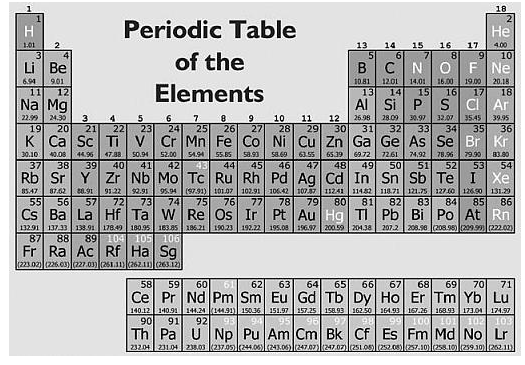
Referring to the periodic table, the element calcium (Ca) is most similar to which of the following elements?
a)
chlorine (Cl)
b)
potassium (K)
c)
magnesium (Mg)
d)
gold (Au)
12.
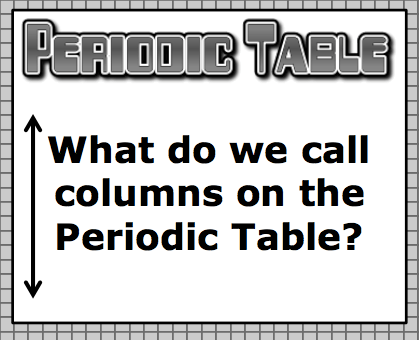
a)
Periods
b)
Groups
13.
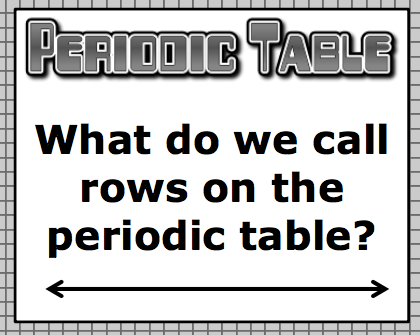
a)
Periods
b)
Groups
14.

a)
energy levels
b)
valence electrons
c)
protons
d)
neutrons
15.
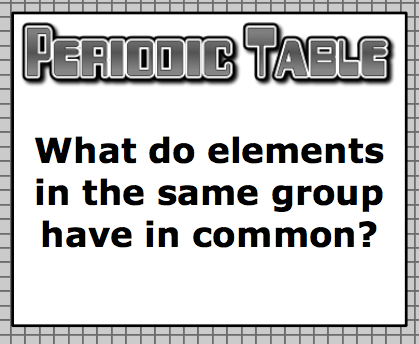
a)
energy levels
b)
valence electrons
c)
protons
d)
neutrons
16.
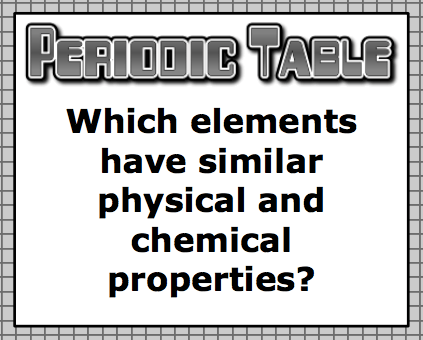
a)
Same group
b)
Same period
17.
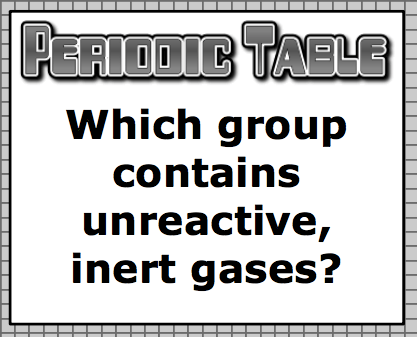
a)
Group 1
b)
Group 17
c)
Group 2
d)
Group 18
18.
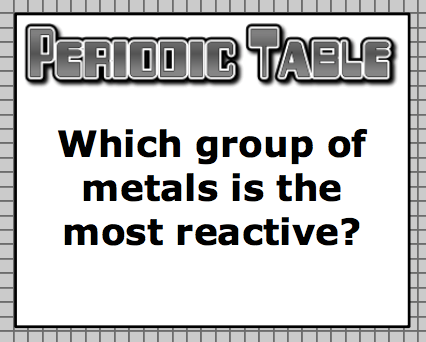
a)
Group 1
b)
Group 17
c)
Group 18
d)
Group 2
19.
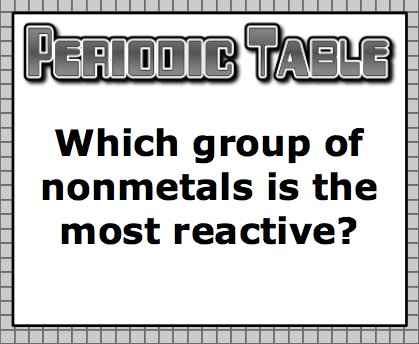
a)
Group 1
b)
Group 17
c)
Group 18
d)
Group 2
20.
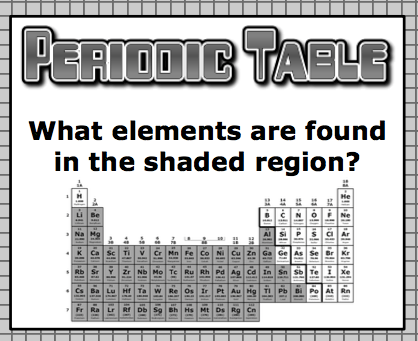
a)
Metals
b)
Nonmetals
c)
Metalloids
21.
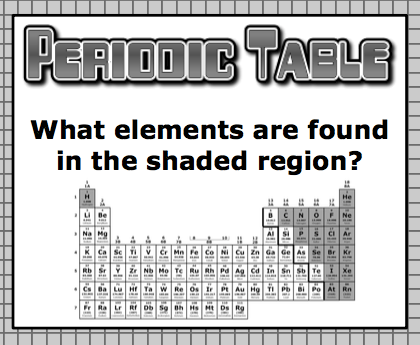
a)
Metals
b)
Nonmetals
c)
Metalloids
22.
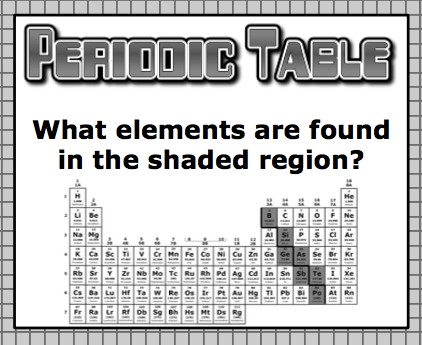
a)
Metals
b)
Nonmetals
c)
Metalloids
23.
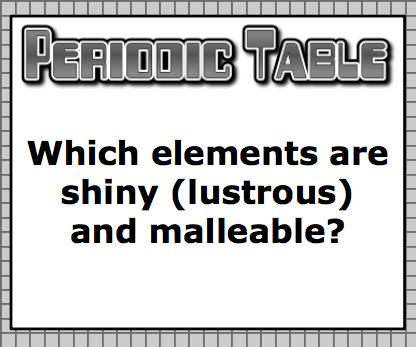
a)
Metals
b)
Nonmetals
c)
Metalloids
24.
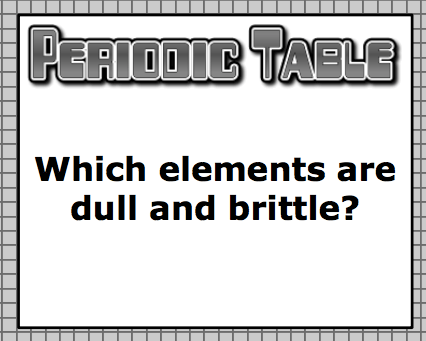
a)
Metals
b)
Nonmetals
c)
Metalloids
25.
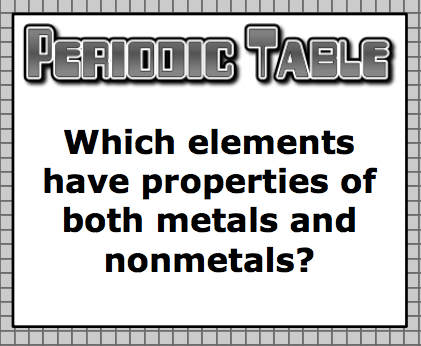
a)
Metals
b)
Nonmetals
c)
Metalloids
26.
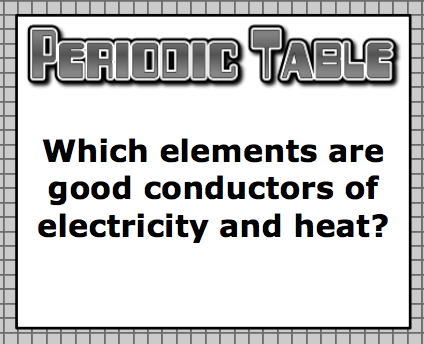
a)
Metals
b)
Nonmetals
c)
Metalloids
27.
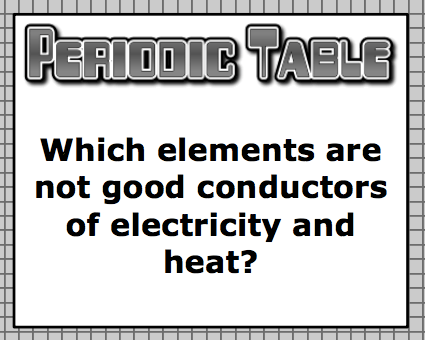
a)
Metals
b)
Nonmetals
c)
Metalloids
28.
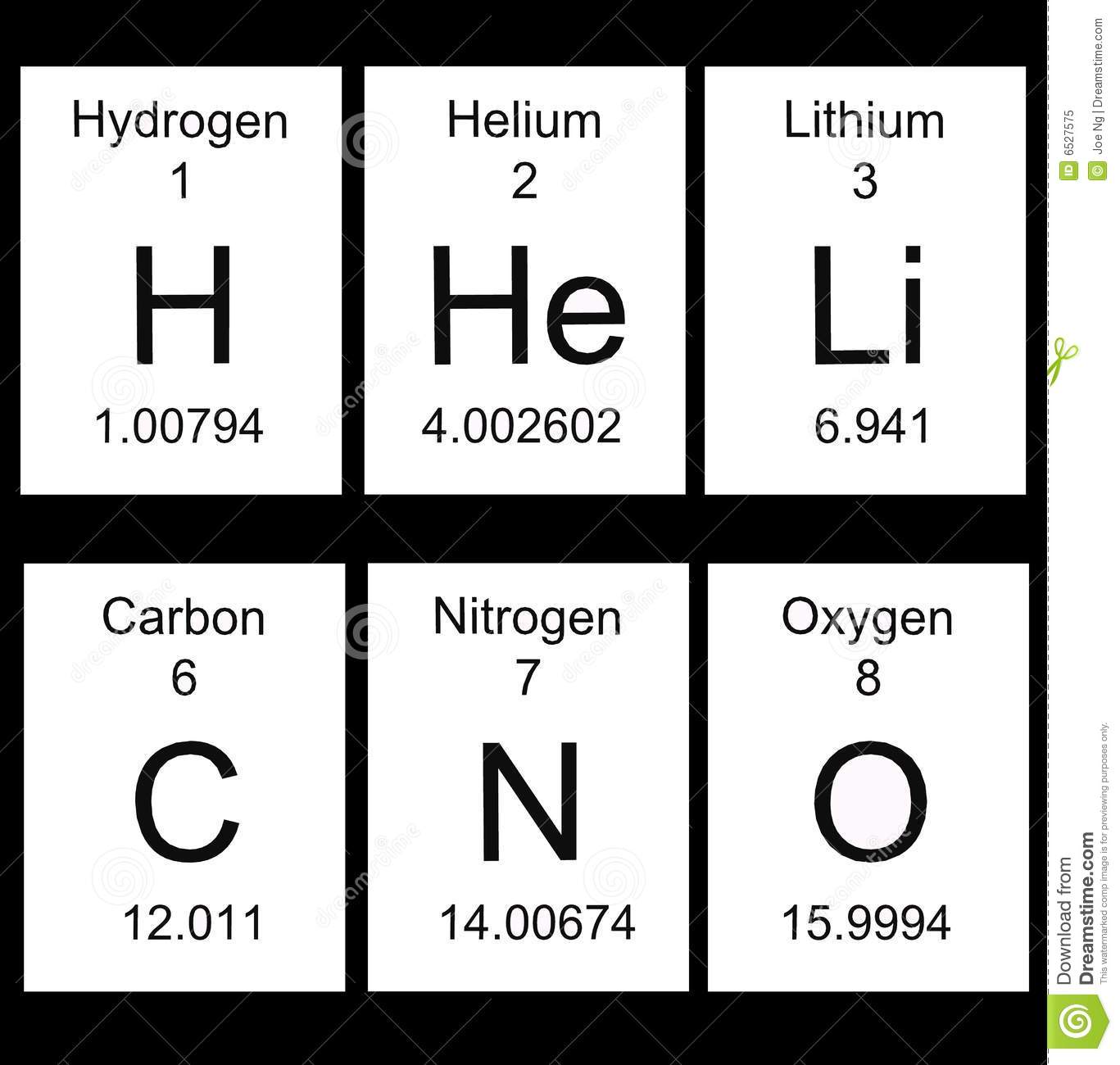
The number at the bottom of each square on the periodic table is the ...
a)
atomic number
b)
atomic mass
c)
chemical symbol
d)
element name
29.
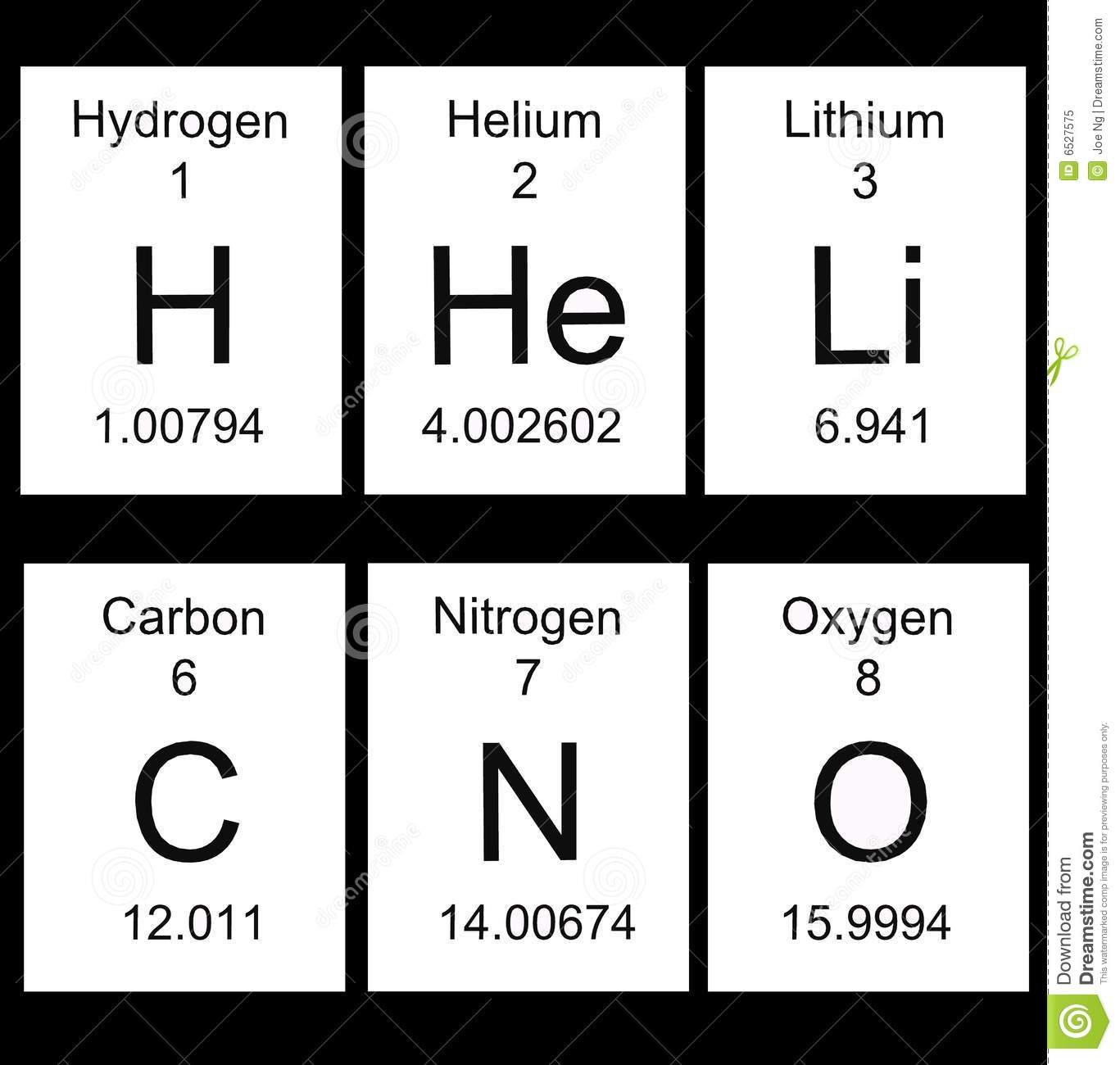
The number at the top of each square on the periodic table is the ...
a)
atomic number
b)
atomic mass
c)
Chemical Symbol
d)
Element Name
30.
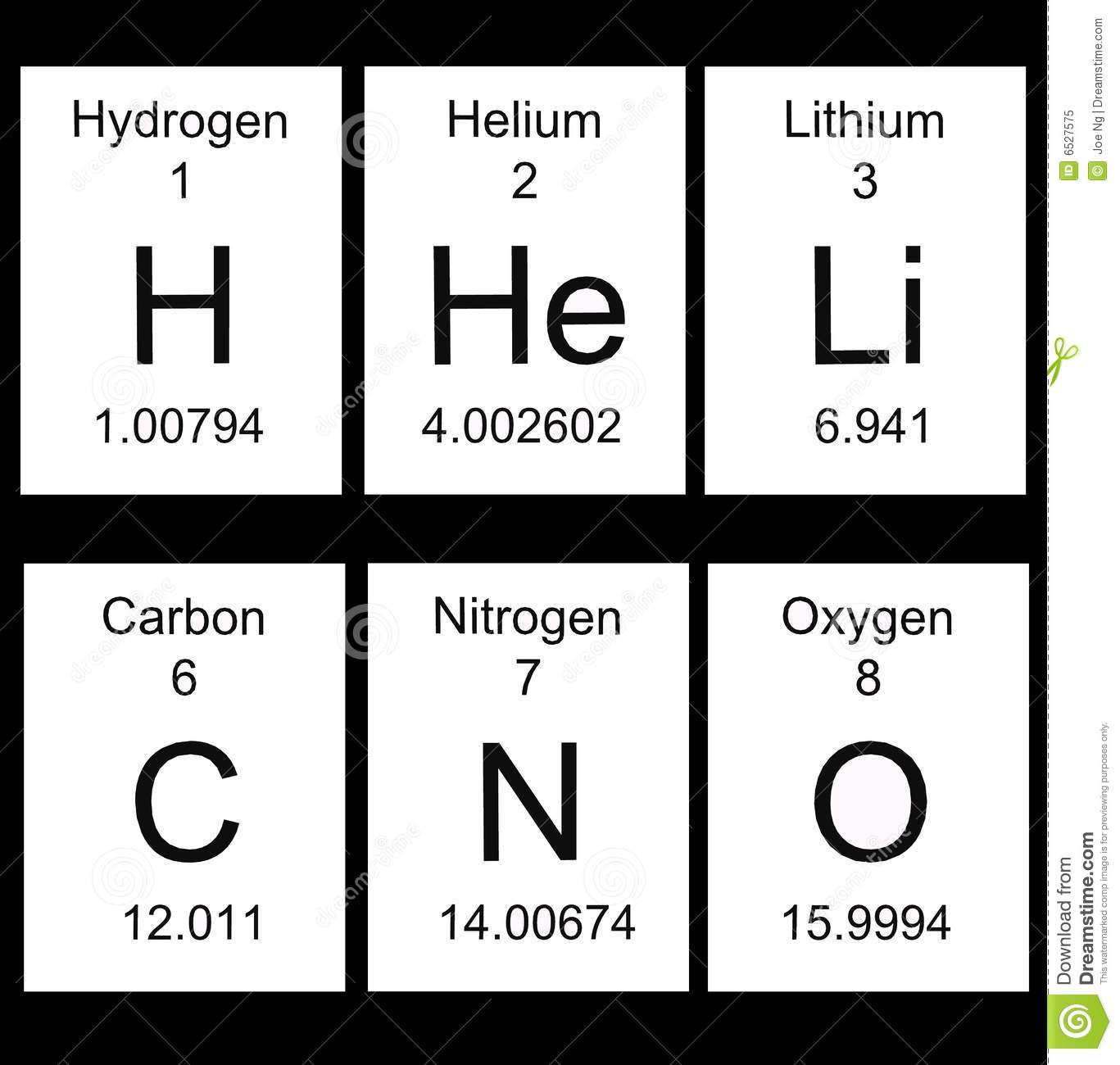
What is the chemical symbol for Lithium?
a)
H
b)
He
c)
Li
d)
N
31.
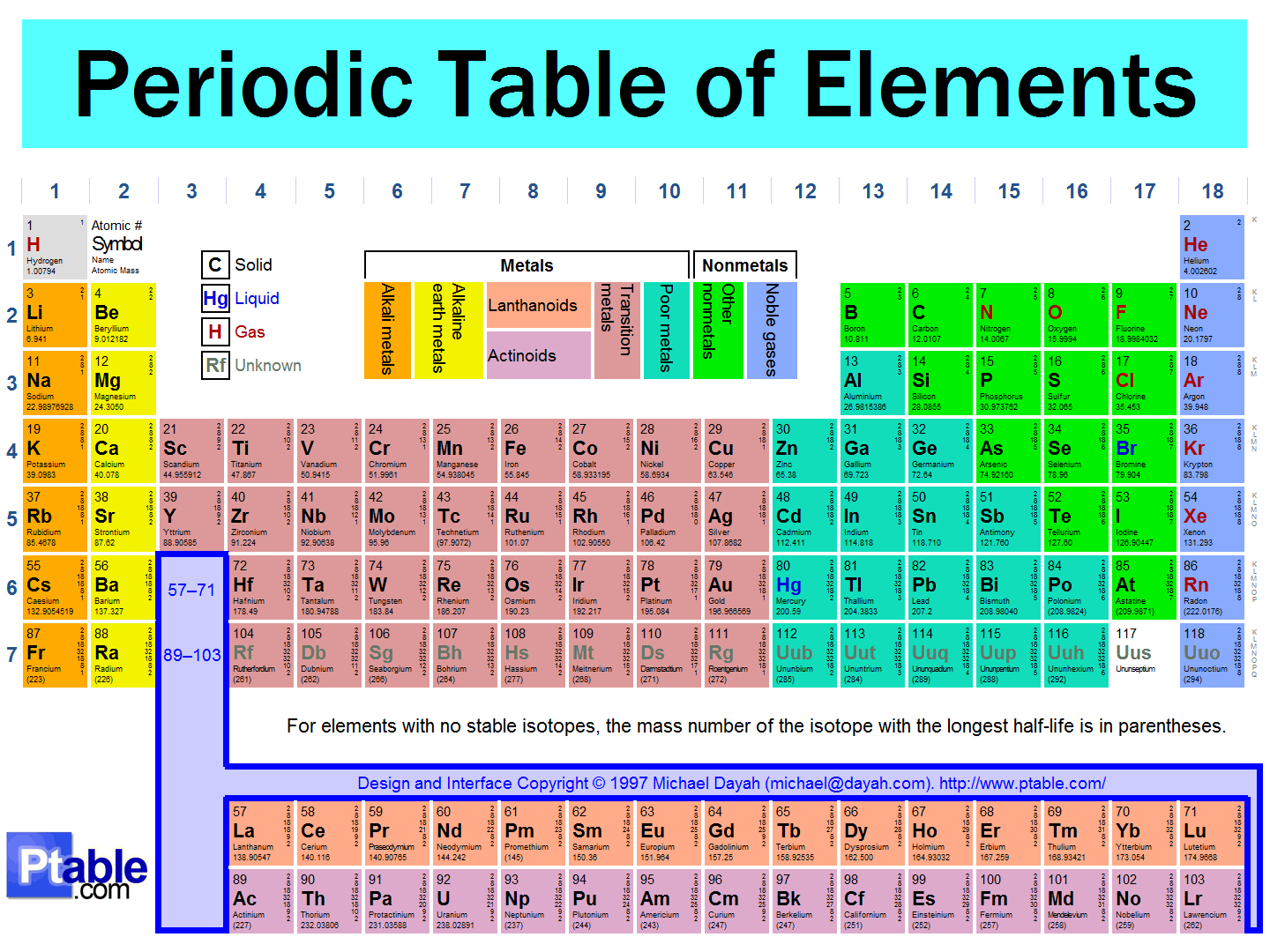
This class of elements are sometimes called "semiconductors."
a)
Metals
b)
Nonmetals
c)
Metalloids
d)
Groups
32.
Which group of the periodic table is composed of inert (not reactive) gases?
a)
alkali metals
b)
alkaline earth metals
c)
halogens
d)
noble gases
33.
In the modern periodic table elements are arranged by:
a)
atomic mass
b)
atomic number
c)
valence electrons
d)
number of isotopes
34.
How many electrons does Oxygen need to fill its outer shell?
a)
3
b)
4
c)
1
d)
2
35.
How many valance electrons does Iodine Have?
a)
6
b)
16
c)
7
d)
17
36.
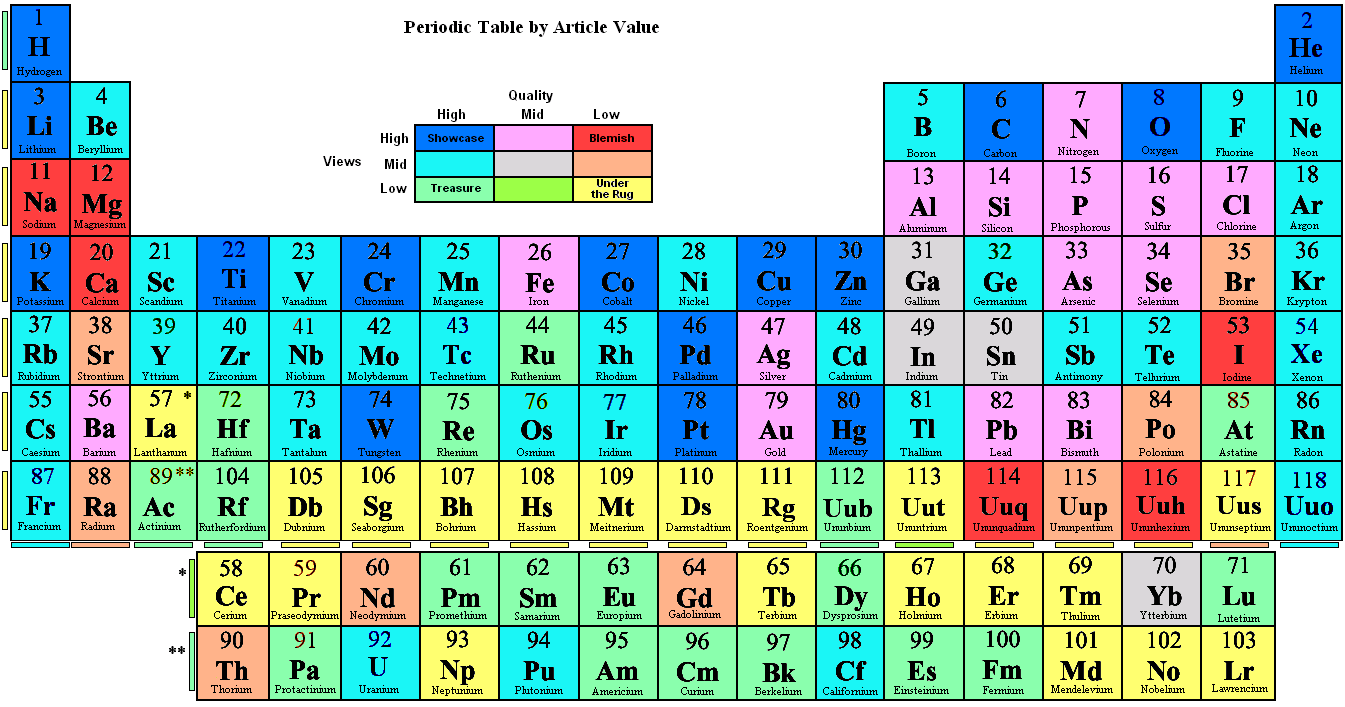
The period for Bromine is ___________.
a)
3
b)
2
c)
4
37.
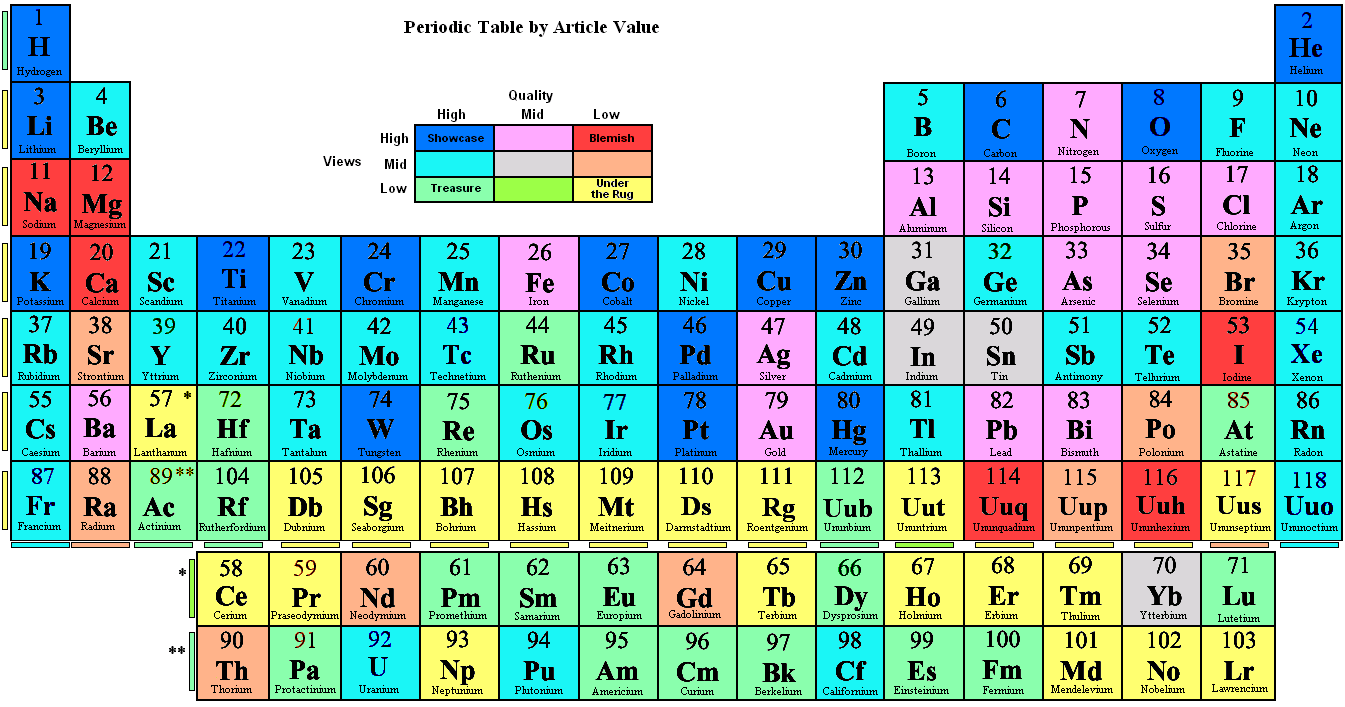
Beryllium is in group number______.
a)
Group 2
b)
Group 3
c)
Group 4
d)
Group 7
38.
How many valence electrons do atoms need to be stable?
a)
1
b)
2
c)
6
d)
8
39.
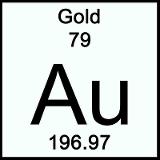
Which number is the atomic mass?
a)
79
b)
196.97
40.
What does the atomic mass tell you?
a)
the average number of electrons and protons
b)
The number of neutrons
c)
the average number of protons and neutrons
d)
The number of protons.
41.
Which element is not a metal?
a)
H
b)
Re
c)
Al
d)
B
100 %

