
 Worksheets
G6 Science Final (Semester 2)
Total questions: 43
Worksheet time: 26mins
___is stored energy due to interactions between objects or particles
Electrical energy
Kinetic energy
Potential energy
Thermal energy
___is energy due to motion.
Potential energy
Hydrological energy
Thermal Energy
Kinetic energy
___is the average kinetic energy of particles in a material.
Temperature
Heat
Conduction
Convection
This is heat transfer between 2 touching objects.
Convection
Radiation
Conduction
Heat
This is heat transfer that happens in fluids through movement of matter.
Temperature
Radiation
Conduction
Convection
This heat transfer uses electromagnetic waves (ex. the Sun).
Conduction
Radiation
Convection
Solar oven
True or false:
Gas particles have high amounts of kinetic energy.
True
False
True or false:
The higher the kinetic energy, the lower the temperature of the substance.
True
False
True or false:
The change from a gas to a liquid is called evaporation.
True
False
True or false:
The temperature when a liquid changes to a solid is called its boiling point.
True
False
True or false:
A conductor is a material through which thermal energy flows easily.
True
False
True or false:
A closed system exchanges matter or energy with the environment.
True
False
True or false:
The thickness of a substance does NOT affect how thermal energy is transferred.
True
False
True or false:
Every material has different specific heat.
True
False

What is the specific heat of ice?
1700
2060
4180
897

Which material has the lowest specific heat?
Carbon
Copper
Iron
Water

___is a state of matter where particles are fast-moving and spread out.
Gas
Liquid
Solid
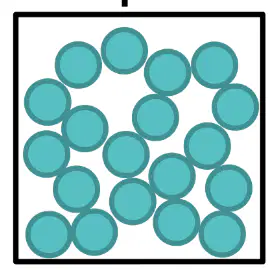
___is a state of matter where particles are closely packed, but slide passed each other.
Gas
Liquid
Solid
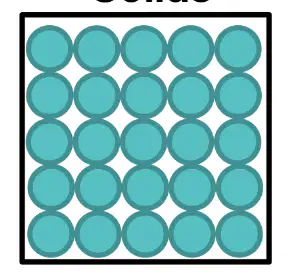
___is a state of matter where particles are packed together in a rigid shape.
Gas
Liquid
Solid
Kinetic or potential:
Relates to particle speed
Potential
Kinetic
Kinetic or potential:
Measured by state of matter
Potential
Kinetic
Kinetic or potential:
Measured by temperature
Potential
Kinetic
Kinetic or potential:
Relates to distance & attraction between particles
Potential
Kinetic
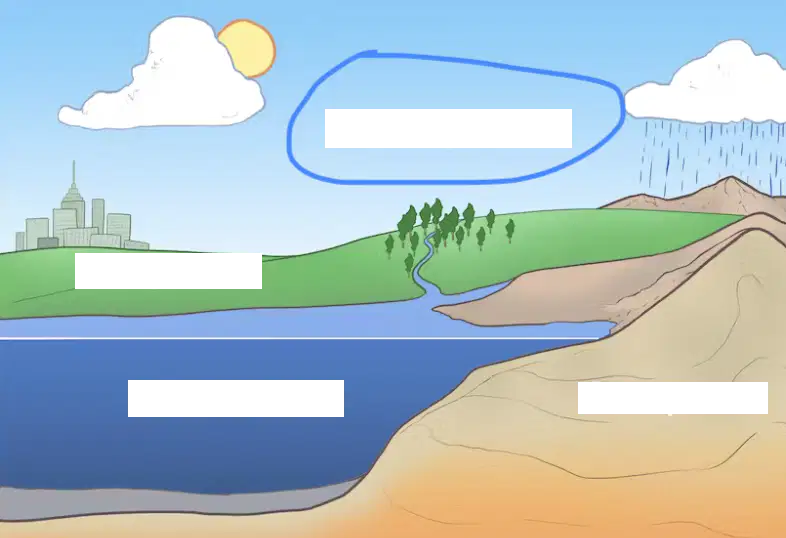
Which sphere is pictured?
Biosphere
Atmosphere
Geosphere
Hydrosphere
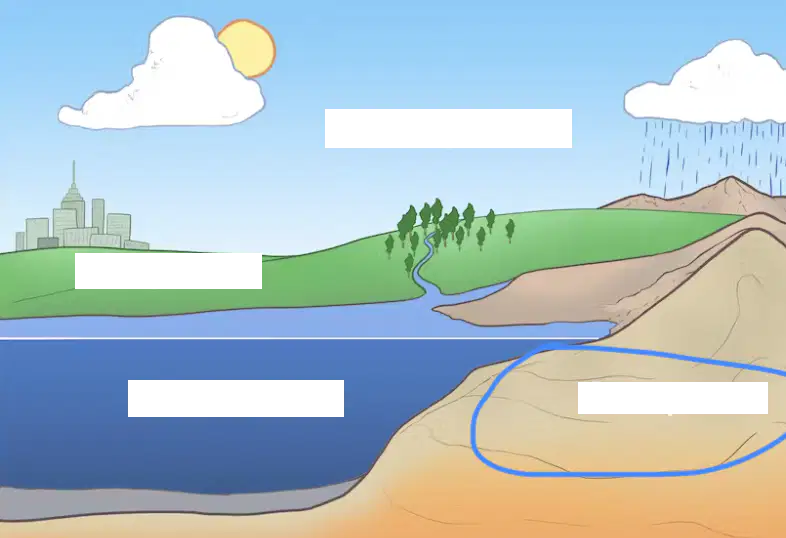
Which sphere is pictured?
Biosphere
Atmosphere
Geosphere
Hydrosphere

Which sphere is pictured?
Biosphere
Atmosphere
Geosphere
Hydrosphere
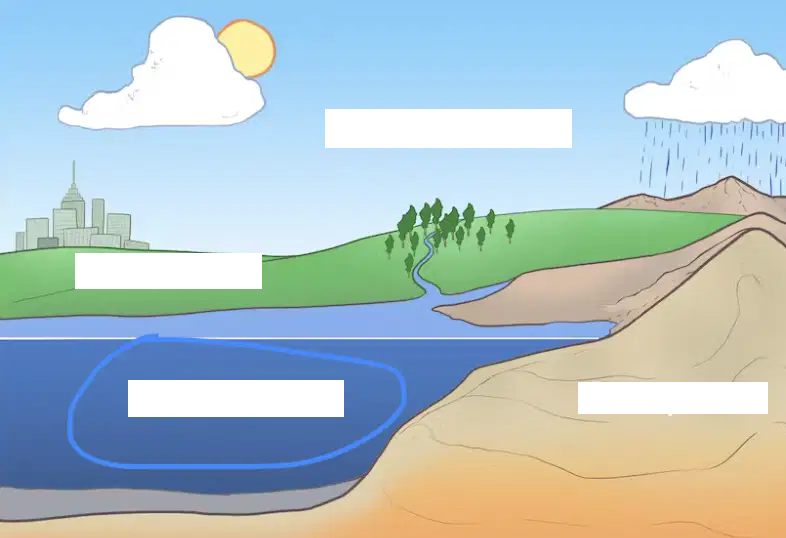
Which sphere is pictured?
Biosphere
Atmosphere
Geosphere
Hydrosphere
This process is when plants release water vapor into the atmosphere.
Condensation
Transpiration
Evaporation
Precipitation
This process is when water droplets lose thermal energy and turn into ice crystals.
Condensation
Vaporization
Crystallization
Icing
Which of the following are forms of precipiation?
Rain
Snow
Hail
All of the above
As the lower atmosphere becomes warmer, the rates of evaporation ___.
increase
decrease
stay the same
double
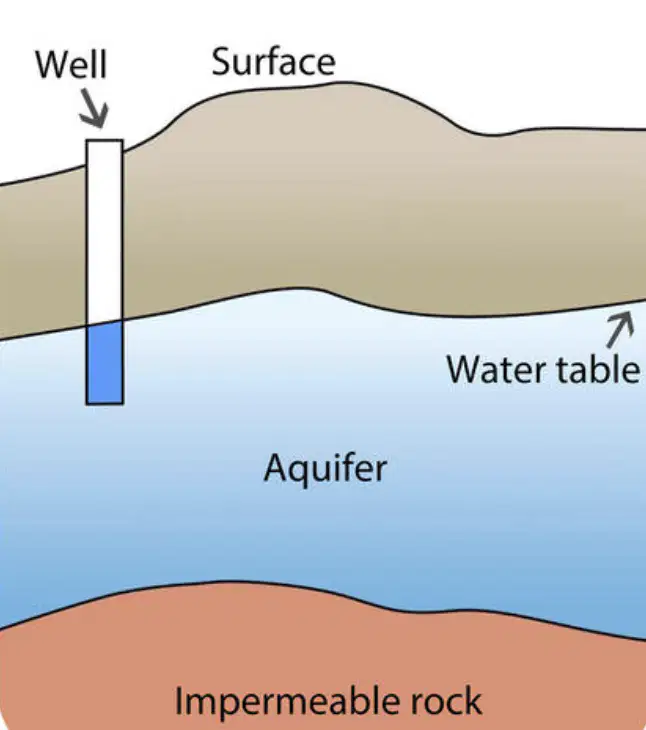
Which of these holds large amounts of water in sediment or rock?
Water tables
Aquifers
Impermeable rocks
Wells

These are layers of snow that pile up year after year.
Water tables
Icebergs
Glaciers
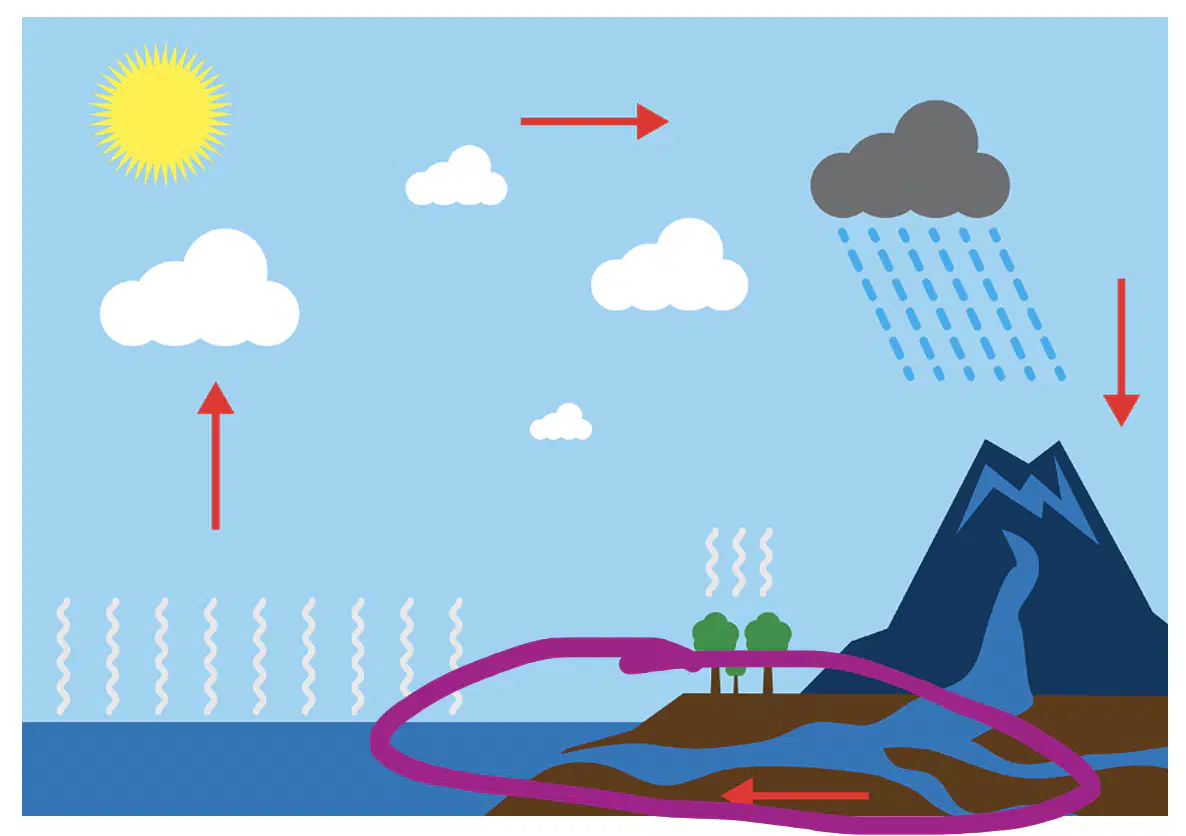
What phase of the water cycle is circled?
Collection
Evaporation
Condensation
Precipitation

What phase of the water cycle is circled?
Collection
Evaporation
Condensation
Precipitation

What phase of the water cycle is circled?
Collection
Evaporation
Condensation
Precipitation

What phase of the water cycle is circled?
Collection
Evaporation
Condensation
Precipitation

What sphere does this belong to?
Geosphere
Biosphere
Hydrosphere
Atmosphere

What sphere does this belong to?
Geosphere
Biosphere
Hydrosphere
Atmosphere

What sphere does this belong to?
Geosphere
Biosphere
Hydrosphere
Atmosphere
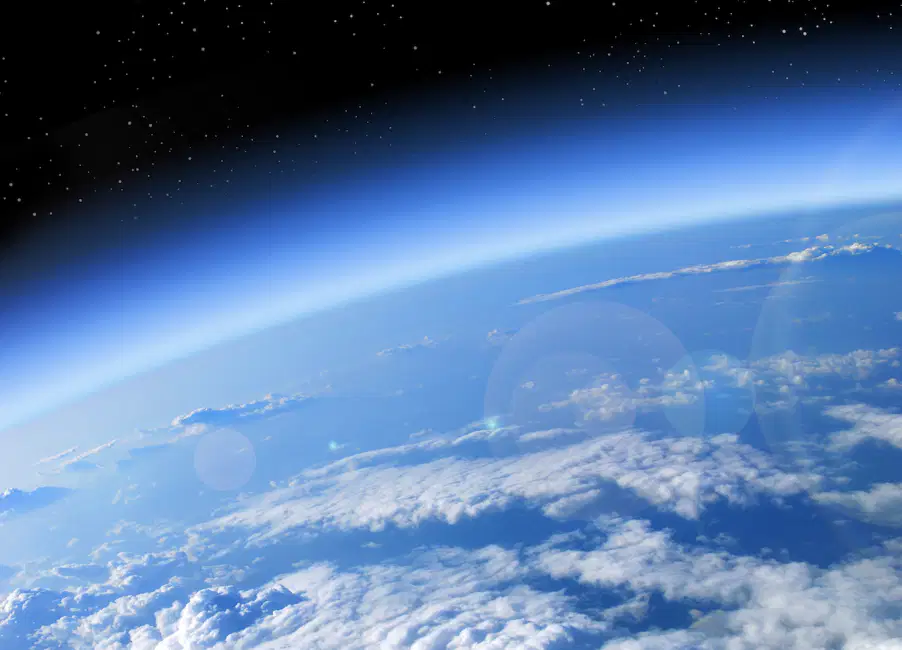
What sphere does this belong to?
Geosphere
Biosphere
Hydrosphere
Atmosphere
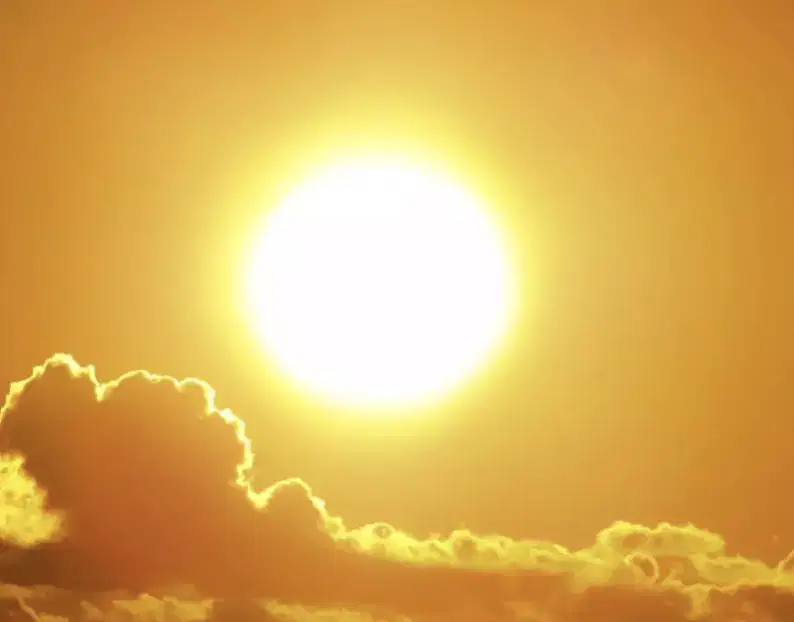
How does the Sun drive the water cycle?
It causes water to fall back to Earth as evaporation
Heats up groundwater and causes precipitation
Heats up surface water and causes evaporation
It causes water to fall back to Earth as precipitation
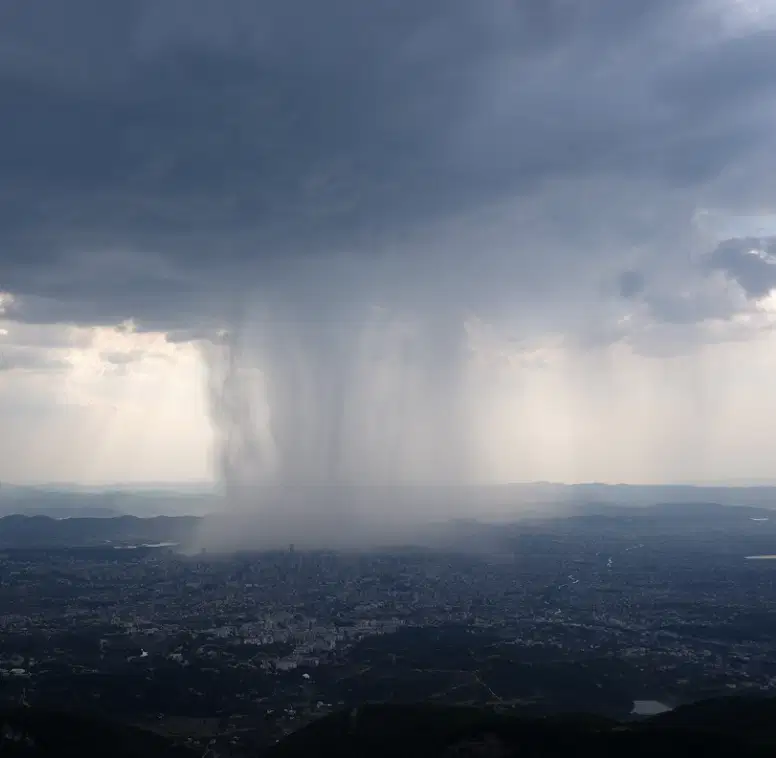
How does gravity drive the water cycle?
It causes water to fall back to Earth as evaporation
Heats up groundwater and causes precipitation
Heats up surface water and causes evaporation
It causes water to fall back to Earth as precipitation

