
 Worksheets
7th Grade Science: S2 Exam
Total questions: 56
Worksheet time: 28mins
Name
Class
Date
1.
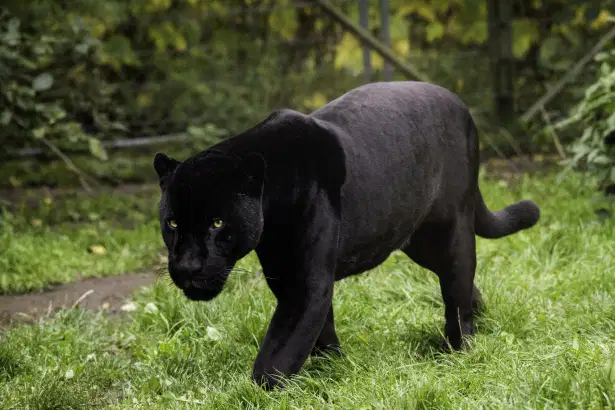
Over 50 years, the size of the panther population in the southeastern United States increased. What best explains the increase in the size of the panther population?
a)
Fewer panthers were born than died.
b)
More panthers were born than died.
c)
A lot of panthers were born and none of them died.
2.
A resource population is the population that.....
a)
is eaten by others
b)
eats others
3.
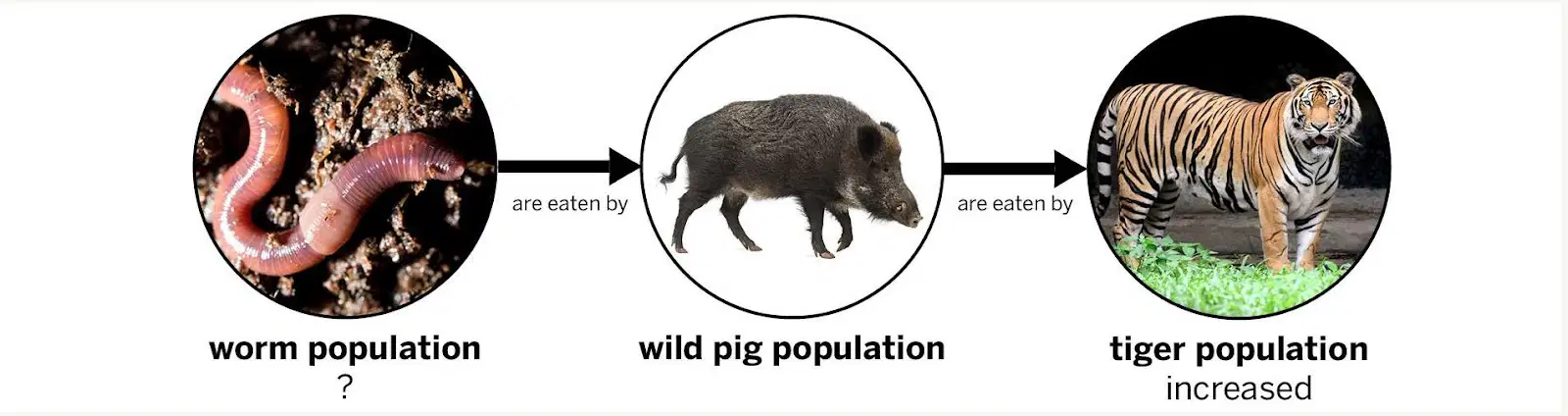
Recently the tiger population has increased. What will likely happen to the worm population?
a)
increase. The larger tiger population will lead to fewer wild pigs. The smaller wild pig population will need fewer energy storage molecules to reproduce, so they will eat fewer worms. This will lead to more births than deaths in the worm population.
b)
stay the same. Tigers do not eat worms, so the number of births and deaths in the worm population will stay the same.
c)
decrease. The larger tiger population will leave fewer energy storage molecules available in the ecosystem for the worm population, so there will be fewer births in the worm population.
4.
Energy storage molecules are:
a)
molecules required only for the birth rate
b)
potatoes
c)
a molecule organisms use to stabilize a population
d)
a molecule that organisms can use to release the energy needed to survive
5.
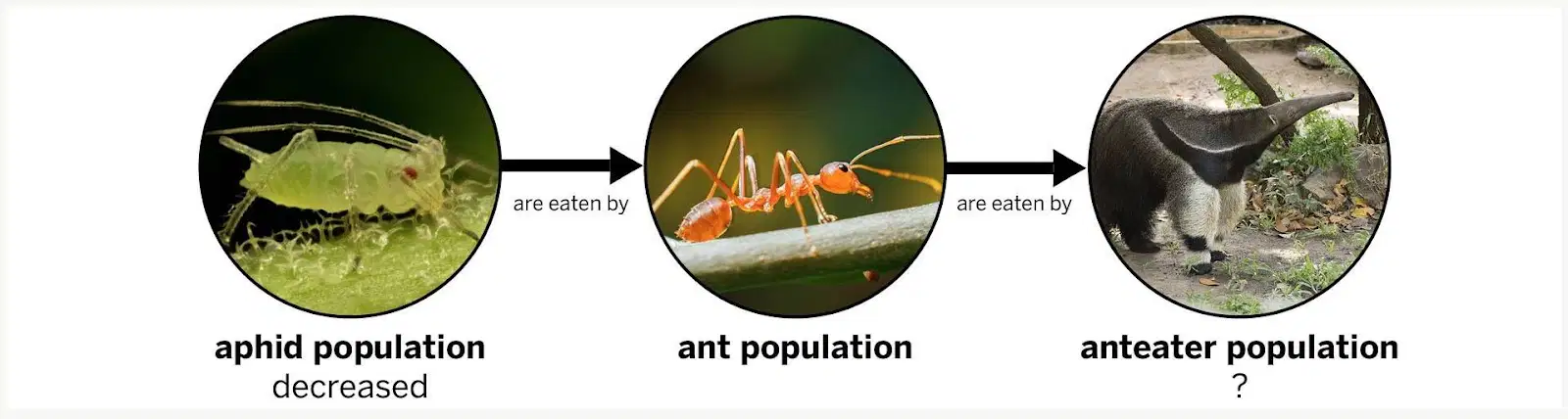
Recently the size of the aphid population decreased. What will likely happen to the anteater population?
a)
stay the same. Anteaters do not eat aphids, so the number of births and deaths in the anteater population will stay the same.
b)
decrease. Fewer energy storage molecules will be available to the anteater population from the smaller ant population, so the anteater population will reproduce less. This will lead to fewer births than deaths in the anteater population.
c)
increase. The smaller aphid population will leave more energy storage molecules available in the ecosystem for the anteater population, so there will be more births in the anteater population.
6.

A population of deer lives in Canada. Over 50 years, the size of the deer population decreased. What best explains the decrease in the size of the deer population?
a)
A lot of deer died and no deer were born.
b)
Fewer deer were born than died.
c)
More deer were born than died.
7.
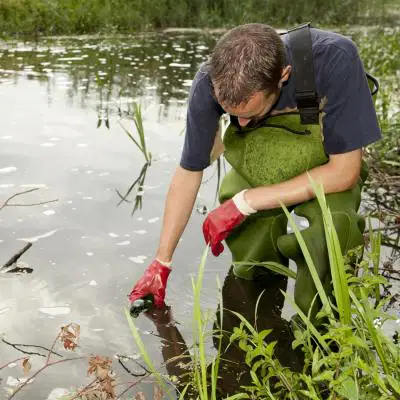
An ecologist is a scientist who studies....
a)
The life cycles of viruses and their hosts.
b)
The interactions between living things and their environments.
c)
The types of rocks and soil in an area.
d)
The phase of different substances.
8.
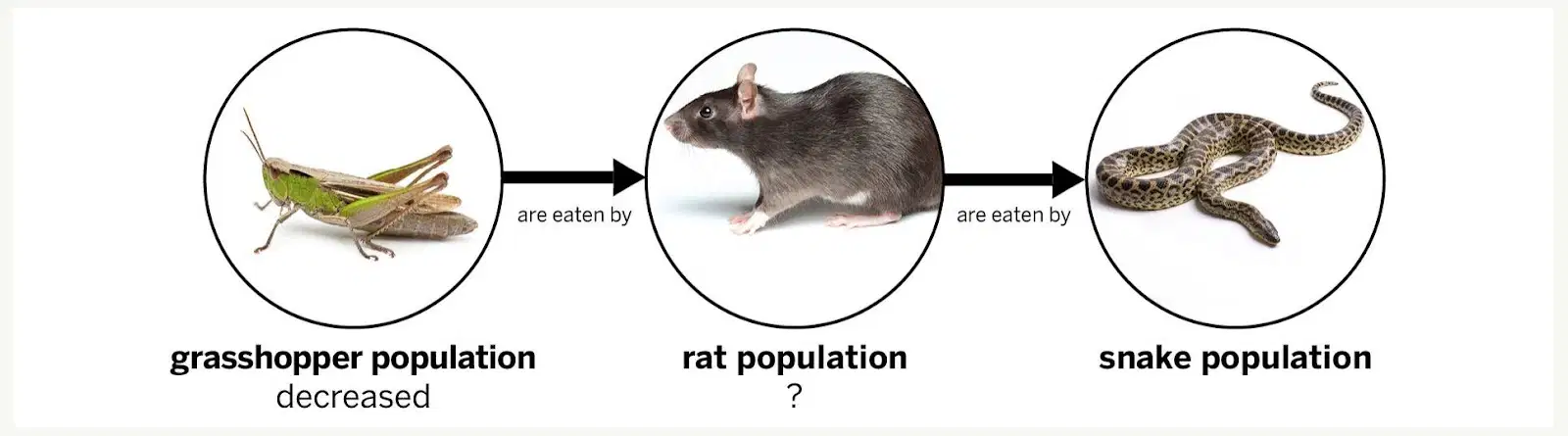
The grasshopper population decreased suddenly. What will likely happen to the size of the rat population as a result?
a)
stay the same. The size of their consumer population did not change, so the number of deaths in the rat population did not change. There will be the same number of births and deaths in the rat population.
b)
increase. The smaller grasshopper population will need fewer energy storage molecules so there will be more energy storage molecules available for the rat population to reproduce. This will lead to more births in the rat population.
c)
decrease. The smaller grasshopper population provides fewer energy storage molecules for the rat population, so the rat population will reproduce less. This will lead to fewer births than deaths in the rat population.
9.
In the last 50 years, the size of the squirrel population has stayed the same. What must be true about the squirrel population during the last 50 years?
a)
The number of squirrels that were born was the same as the number of squirrels that died.
b)
No squirrels were born and no squirrels died.
c)
The squirrels did not have any baby squirrels during these years.
10.

In this food web, which of the following animal(s) are part of the resource population?
a)
Coyote
b)
Deer
c)
Wolf
11.
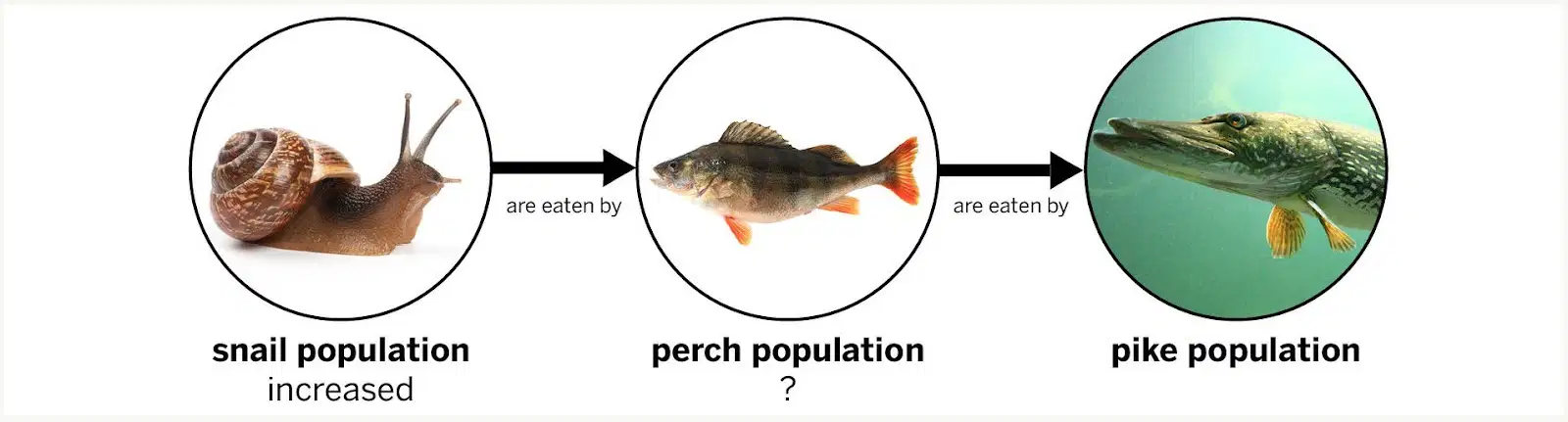
Then the snail population increased suddenly. What will likely happen to the size of the perch population as a result?
a)
stay the same. The size of its consumer population did not change, so the number of deaths in the perch population did not change. There will be the same number of births and deaths in the perch population.
b)
increase. The larger snail population will provide more energy storage molecules for the perch population, so they will reproduce more. This will lead to more births than deaths in the perch population.
c)
decrease. The larger snail population will take more energy storage molecules from the ecosystem, leaving fewer available for the perch population. This will lead to more deaths than births in the perch population.
12.
A small part that is meant to show what the whole is like......?
a)
A piece of something
b)
A fraction
c)
Sample
d)
Competition
13.
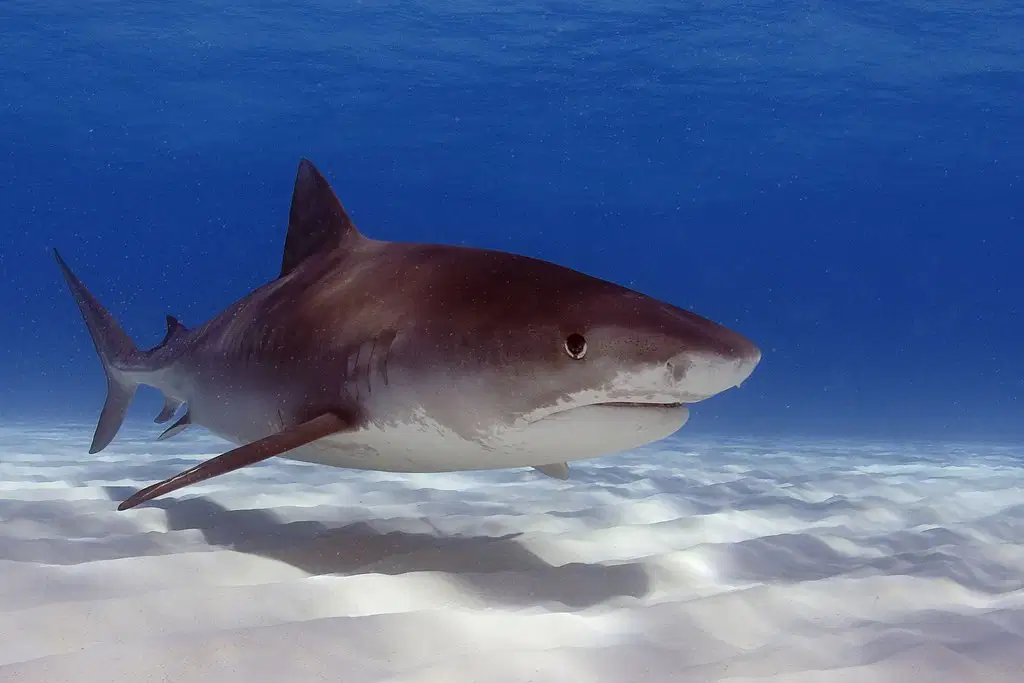
Over the last 50 years, the size of the shark population increased. What best explains the increase in the size of the shark population?
a)
A lot of sharks were born and no sharks died.
b)
Fewer sharks were born than died.
c)
More sharks were born than died.
14.
A consumer population is the population that.....
a)
is eaten by others
b)
eats others
15.
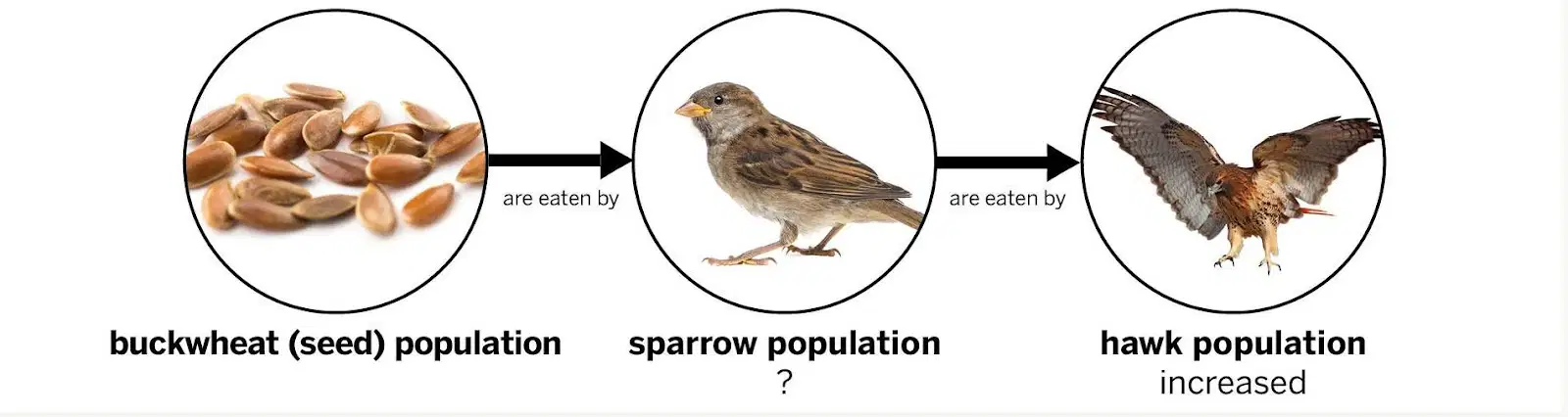
Then the hawk population increased suddenly. What will likely happen to the size of the sparrow population as a result?
a)
stay the same. The size of their resource population did not change, so the amount of energy storage molecules available for the sparrows did not change. There will be the same number of births and deaths in the sparrow population.
b)
increase. An increase in any population leads to an increase in the sizes of all other populations in the ecosystem.
c)
decrease. The larger hawk population will need more energy storage molecules, so they will eat more sparrows. This will leads to more deaths than births in the sparrow population.
16.
Which picture accurately shows a population?
a)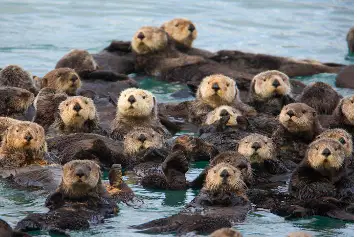
Option 1
b)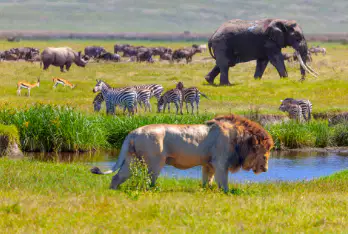
Option 2
c)
Option 3
d)
Option 4
17.

Recently the size of the frog population decreased. What will likely happen to the spider population?
a)
stay the same. Frogs and spiders do not eat each other, so the number of births and deaths in the spider population will stay the same.
b)
increase. More energy storage molecules will be available to the spider population from the larger fly population, so the spider population will reproduce more. This will lead to more births than deaths in the spider population.
c)
decrease. A decrease in the size of one population leads to a decrease in the sizes of all other populations in an ecosystem.
18.

The data shows that recently the shark population increased. How will the increase in the shark population affect the other populations? (Check all that apply)
a)
There must have been more births than deaths in the shark population for the size of the shark population to have increased.
b)
The larger shark population would need more energy storage molecules, so more sea otters would be eaten by the sharks, causing more deaths than births in the sea otter population.
c)
The sea star population, which competes with the sea otters for clams, would increase because there would be more energy storage molecules available for the sea star population.
19.

The data shows that recently the size of the raccoon population decreased. How will the decrease in the raccoon population affect the other populations? (Check all that apply)
a)
There must have been fewer deaths than births in the raccoon population for the size of the raccoon population to have decreased.
b)
Fewer ducks would be eaten by the racoons, causing fewer deaths than births in the duck population. This would lead to an increase in the duck population.
c)
The size of the owl population, which competes with the raccoons for ducks, would increase because there would be more energy storage molecules available for them.
20.
What is the best definition of an organism?
a)
Many individuals of the same species living in the same area.
b)
All of the living and nonliving things in a particular area.
c)
An individual plant, animal, fungus, or single-celled life form.
d)
A creature that is large enough to see without using a microscope.
21.
What is a scientific word that refers to new organisms being made?
a)
Reproduce
b)
Renovate
c)
Expire
d)
Subsist
22.
Within a population, organisms are always…
a)
eating and sleeping.
b)
being born and growing up.
c)
being born and dying.
d)
dying of old age and eating other things.
23.
What causes a population size to increase?
a)
The number of births is greater than the number of deaths.
b)
The number of deaths is greater than the number of births.
c)
The number of births and the number of deaths is equal.
24.
What causes a population size to decrease?
a)
The number of births is greater than the number of deaths.
b)
The number of deaths is greater than the number of births.
c)
The number of births and the number of deaths is equal.
25.
If the population size stays stable, does this mean that no organisms have been born or died?
a)
Yes, because if organisms were born or died that would change the number of organisms in the population.
b)
No, because if some organisms are born and the same number of organisms die, then the total population size can stay constant.
c)
Yes, because some organisms never die, so they don't need to reproduce.
d)
No, because all organisms will give birth and then die.
26.

Based on this graph, what must be true about the US honeybee population?
a)
There are more births than deaths occurring.
b)
There are more deaths than births occurring.
c)
There is an equal number of deaths and births occurring.
d)
People don't like honeybees.
27.
When something remains mostly the same over time it is said to have....?
a)
Uneventful
b)
Potential Energy
c)
Stability
d)
Boring
28.

A large population of ducks lives in an area with a lake. In the last 40 years, the size of the duck population has stayed the same. What must be true about the duck population during the last 40 years?
a)
The number of ducks that were born was the same as the number of ducks that died.
b)
No ducks were born and no ducks died.
c)
Humans started protecting the duck population so they stopped dying.
d)
The ducks did not have any baby ducks during these years.
29.
Matter that make up the nonliving parts of an ecosystem, such as air and water
a)
abiotic
b)
biotic
c)
composer
d)
energy storage molecules
30.
A closed ecosystem made by humans
a)
Earth
b)
biodome
c)
biopic
d)
mitosis
31.
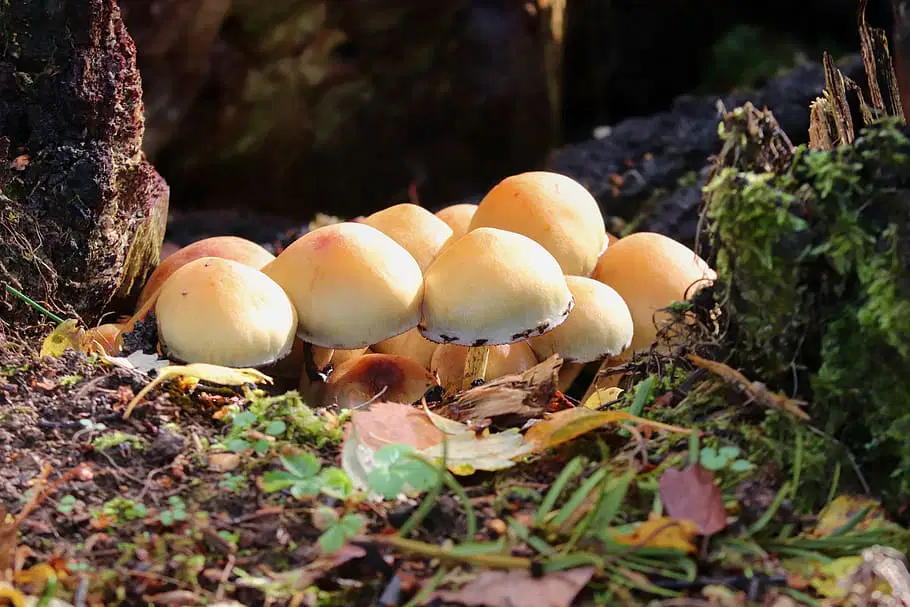
Decomposers are important to ecosystems because they
a)
break down dead matter
b)
capture energy from the sun
c)
are producers
d)
can be omnivores
32.
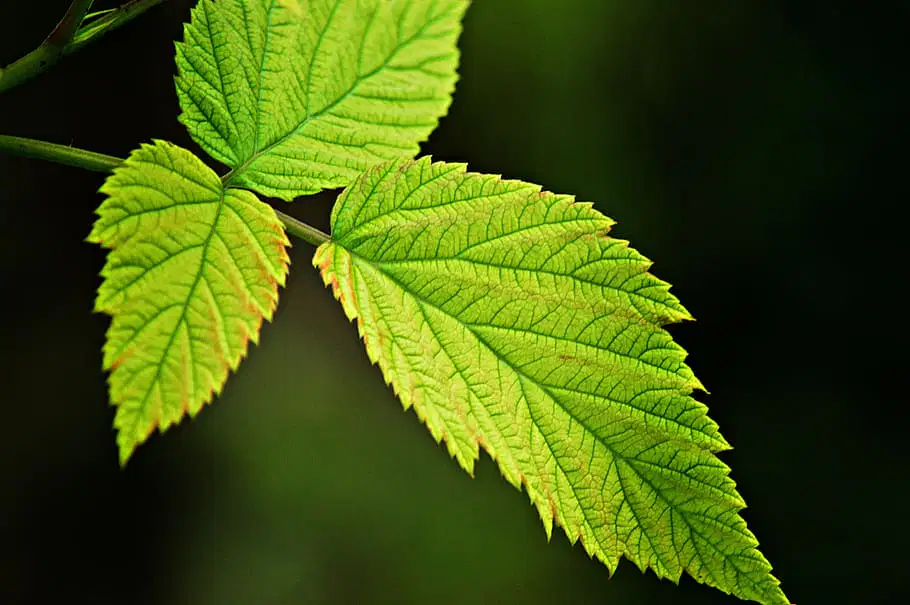
What are the products of photosynthesis?
a)
Carbon dioxide and water
b)
Carbon dioxide and oxygen
c)
Glucose and oxygen
d)
Glucose and water
33.
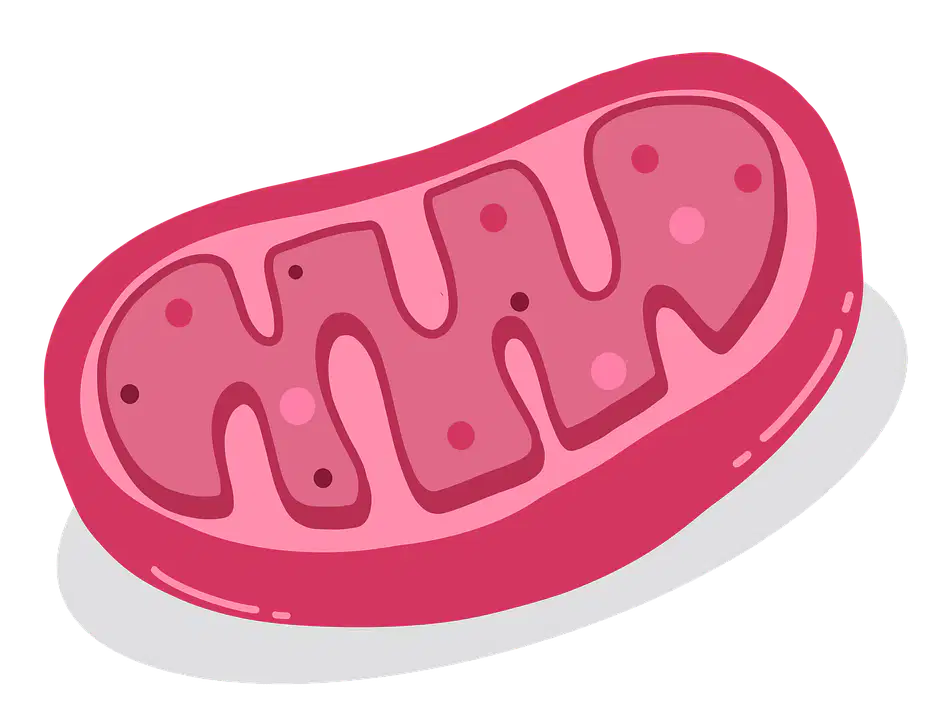
A jungle ecosystem has plants, animals, and decomposers (which consume dead things). Scientists are interested in studying cellular respiration in the jungle. Which group or groups of organisms should they study?
a)
plants
b)
animals and decomposers
c)
animals
d)
all organisms in the jungle
34.

Plants, animals, and decomposers (which consume dead things) are in a forest ecosystem. Scientists are studying photosynthesis in the forest. Which group or groups of organisms should they study?
a)
all organisms in the forest
b)
animals and decomposers
c)
plants and decomposers
d)
plants
35.
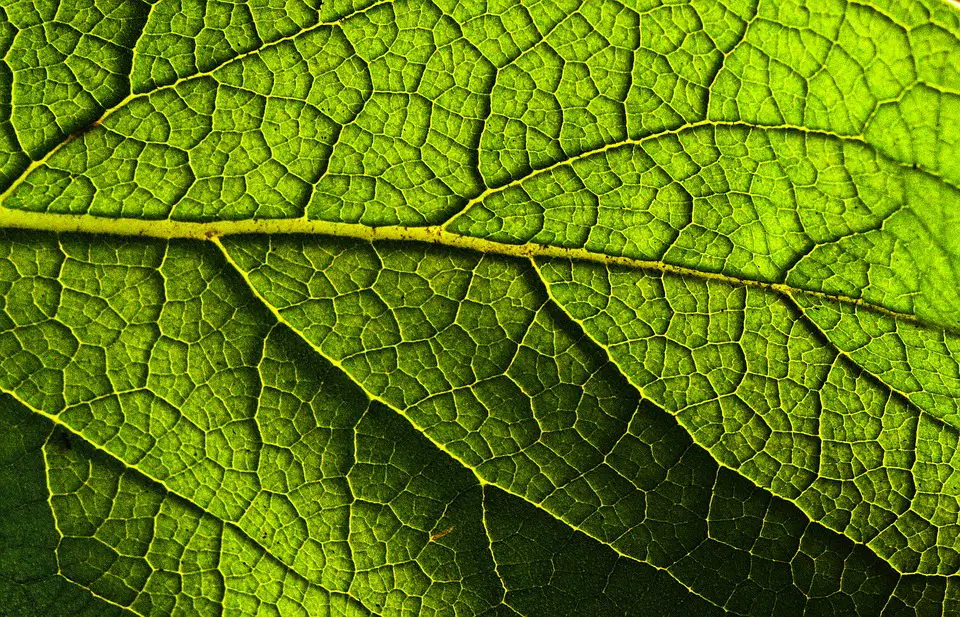
Where in the cell does photosynthesis occur?
a)
mitochondria
b)
stomata
c)
xylem
d)
chloroplast
36.

Parrotfish live in the ocean and eat plantlike organisms called algae. Sunlight is shining on the fish and the algae. Is carbon moving into the living things, moving out of the living things, or both?
a)
Carbon is moving into AND out of the living things, at the same time.
b)
Carbon is only moving into the living things; it is not moving out of them.
c)
Carbon is only moving out of the living things; it is not moving into them.
d)
There is no way to know for sure, with this information.
37.
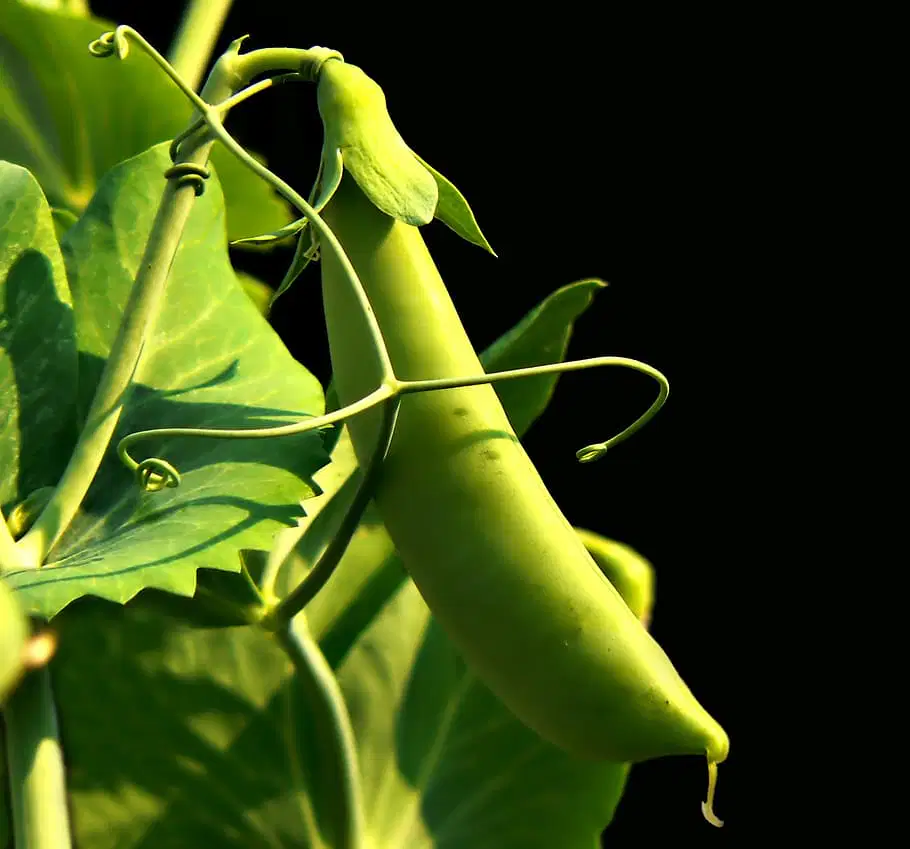
Pea plants have been in the sunlight since early morning. What can the pea plants do because they are in sunlight? What does this mean for the number of energy storage molecules in the pea plants? The pea plants can…
a)
GIVE OFF carbon to the air. Giving off carbon allows them to make energy storage molecules.
b)
GIVE OFF carbon to the air. Giving off carbon uses up energy storage molecules.
c)
TAKE IN carbon from the air. The carbon is used to break down energy storage molecules.
d)
TAKE IN carbon from the air. The carbon is used to make energy storage molecules.
38.

What are the products of cellular respiration?
a)
Water and Oxygen
b)
Energy, Water, and Carbon Dioxide
c)
Oxygen and Carbon Dioxide
d)
Water and Energy
39.

Some rice plants on a hillside are taking in carbon from the air around them. Are the plants in sunlight? What is happening to the number of energy storage molecules in the plants? The plants...
a)
are NOT in sunlight, and the number of energy storage molecules in the plants is INCREASING.
b)
are NOT in sunlight, and the number of energy storage molecules in the plants is DECREASING.
c)
are IN sunlight, and the number of energy storage molecules in the plants is DECREASING.
d)
are IN sunlight, and the number of energy storage molecules in the plants is INCREASING.
40.

If the number of decomposers decrease in an ecosystem, we can expect the rate of cellular respiration to...
a)
Increase
b)
Decrease
41.

If the amount of carbon dioxide in the air decreased, then the rate of photosynthesis...
a)
Increase
b)
Decrease
42.
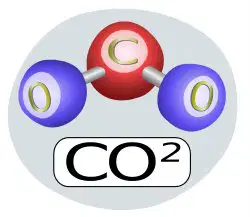
Which of the following DOES NOT give off carbon dioxide?
a)
Decomposers
b)
Dead Matter
c)
Consumers
d)
Producers
43.
An organism that gets energy storage molecules by breaking down dead matter
a)
primary consumer
b)
secondary consumer
c)
producer
d)
decomposer
44.
Matter that makes up the living and dead organisms in an ecosystem.
a)
abiotic
b)
mitosis
c)
biotic
d)
photosynthesis
45.
The chemical reaction between oxygen and glucose that releases energy.
a)
photosynthesis
b)
carbonation
c)
oxygenation
d)
cellular respiration
46.
A molecule made of carbon and oxygen atoms
a)
carbon dioxide
b)
oxygen
c)
energy storage molecules
d)
carbon
47.
An organism that needs to eat in order to get energy storage molecules
a)
dead matter
b)
decomposer
c)
consumer
d)
producer
48.
A molecule that organisms can use to release the energy they need to survive
a)
oxygen
b)
carbon
c)
glucose
d)
energy storage molecule
49.
The part of the cell where cellular respiration happens.
a)
cells
b)
energy storage molecules
c)
mitochondrion
d)
chloroplasts
50.
All the living and nonliving things in a particular area
a)
biosphere
b)
space
c)
ecosystem
d)
biodome
51.
The process by which plants and other producers use energy from sunlight to change carbon dioxide and water into oxygen and glucose.
a)
metamorphasis
b)
mitosis
c)
cellular respiration
d)
photosynthesis
52.
An organism that can make its own energy storage molecules
a)
primary consumer
b)
secondary consumer
c)
decomposer
d)
producer
53.
If a forest full of trees is in the sunlight, what is happening to the number of energy storage molecules in the trees?
a)
The number of energy storage molecules is increasing
b)
The number of energy storage molecules is staying the same
c)
This doesn't matter
d)
The number of energy storage molecules is decreasing
54.
When there is ______ sunlight, producers CANNOT make as many energy storage molecules from the carbon in carbon dioxide.
a)
more
b)
less
55.
Which of these is ONLY found in plant cells?
a)
Nucleus
b)
Cell Membrane
c)
Cell Wall
d)
Mitochondria
56.
Which of these cell parts are found in animal cells? (Check ALL that apply)
a)
Nucleus
b)
Cell Wall
c)
Cell Membrane
d)
Chloroplasts
e)
Mitochondria
100 %

