wayground logo

Free Printable Worksheets

Font size

S
M
L
XL
Worksheets

Science Process Skills

Total questions: 20

Worksheet time: 20mins

Name
Class
Date
1.
What does "Observation" in science processing skills mean?
a)

Making a guess based on what you know

b)

Using your senses to learn about something

c)

Using tools to find out exact information

d)

Judging if information is true and makes sense

2.
What does "Classification" in science processing skills mean?
a)

Putting things into groups based on what they have in common

b)

Using words or pictures to share what you learned

c)

Making a smaller or simpler version of something

d)

Using what you know to figure out a problem

3.
What does "Measurement and Quantitative Skills" in science processing skills mean?
a)

Understanding information that has been collected

b)

Using tools to find out exact information

c)

Knowing what things you can change in an experiment

d)

Deciding what your results mean

4.
What does "Inference" in science processing skills mean?
a)

Making a guess based on what you know

b)

Coming up with a possible answer to a question

c)

Planning an experiment to test an idea

d)

Judging if information is true and makes sense

5.
What does "Prediction" in science processing skills mean?
a)

Guessing what will happen in the future

b)

Explaining exactly what you mean

c)

Making a smaller or simpler version of something

d)

Using what you know to figure out a problem

6.
Which science processing skill is used when you sort your rock collection into three groups: shiny rocks, dull rocks, and rocks with fossils?
a)

Observation

b)

Classification

c)

Measurement and Quantitative Skills

d)

Inference

7.
Which science processing skill is used when you use a thermometer to measure the temperature of water before and after you heat it?
a)

Observation

b)

Classification

c)

Measurement and Quantitative Skills

d)

Inference

8.
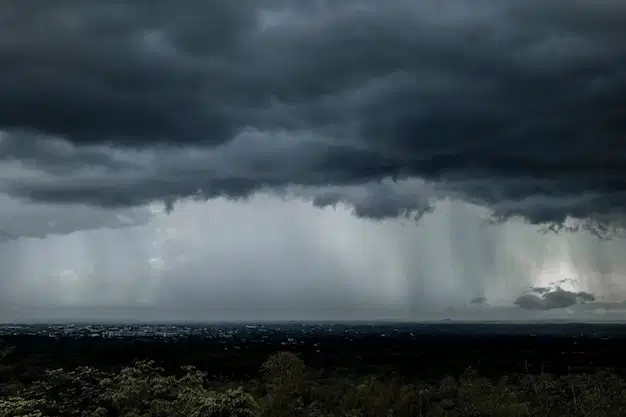
Which science processing skill is used when you see dark clouds in the sky and decide to take an umbrella with you when you go out?
a)

Observation

b)

Classification

c)

Measurement and Quantitative Skills

d)

Inference

9.
Which science processing skill is used when you predict that your dog will be happier and healthier if you take it for a walk every day?
a)
Observation
b)
Classification
c)
Measurement and Quantitative Skills
d)
Prediction
10.
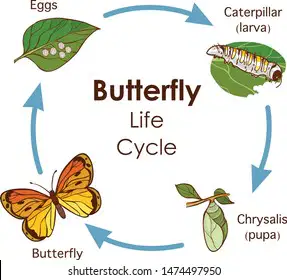
Which science processing skill is used when you draw a picture of the life cycle of a butterfly after observing it in nature?
a)

Observation

b)

Communication

c)

Measurement and Quantitative Skills

d)

Prediction

11.
Experimental Design
a)

Making a smaller or simpler version of something

b)

Planning an experiment to test an idea

c)

Judging if information is true and makes sense

d)

Using what you know to figure out a problem

12.
Hypothesis Formulation
a)

Coming up with a possible answer to a question

b)

Explaining exactly what you mean

c)

Making a smaller or simpler version of something

d)

Using what you know to figure out a problem

13.
Variable Identification
a)

Understanding information that has been collected

b)

Using tools to find out exact information

c)

Knowing what things you can change in an experiment

d)

Deciding what your results mean

14.
Operational Definition
a)
Making a guess based on what you know
b)
Coming up with a possible answer to a question
c)
Planning an experiment to test an idea
d)
Explaining exactly what you mean
15.
Drawing Conclusions
a)
Making a guess based on what you know
b)
Explaining exactly what you mean
c)
Making a smaller or simpler version of something
d)
Deciding what your results mean
16.
Which science processing skill would be most directly used in determining whether a new type of plant food helps plants grow taller?
a)

Observation

b)

Experimental Design

c)

Variable Identification

d)

Operational Definition

17.
If you were to create a 3D model of the solar system to better understand the positions and movements of the planets, which science processing skill would you be using?
a)

Modeling

b)

Classification

c)

Measurement and Quantitative Skills

d)

Inference

18.
When conducting a science experiment, why is it important to identify variables?
a)

To know what factors can be changed, controlled, or measured

b)

To make a guess about the outcome of the experiment

c)

To decide what the results of the experiment mean

d)

To explain exactly what a certain term means in the context of the experiment

19.
If you were to evaluate the results of an experiment and decide whether the conclusion is valid based on the data, which science processing skill would you be using?
a)

Critical Thinking

b)

Communication

c)

Interpretation of Data

d)

Problem Solving

20.
Which science processing skill would be most directly used when figuring out how to clean up a spilled experiment safely using the knowledge you have about the materials?
a)

Problem Solving

b)

Observation

c)

Classification

d)

Measurement and Quantitative Skills