
 Worksheets
Biology-20 Biotechnology and genetic modification
Total questions: 10
Worksheet time: 9mins

Which are most closely related to biotechnology?
medicine and agriculture
construction and engineering
electricity generation
communication and information technology

Which best describes a controversial issue associated with the use of genetically modified crops?
the use of genetically modified crops to increase potential yield
the short term use of genetically modified crops in helping people in developing countries
the development of genetically modified crops which are resistant to herbicides
the long term effects which may arise from the use of genetically modified crops

Which of the following is the process of using technology to create or change the DNA of living things?
Genetic modification
Machinery
Pest resistant crops
Transpiration
Which of these is not a way in which biotechnology can benefit agriculture?
increase crop population
reducing the loss of crops due to insects
producing better-tasting food
improving farm machinery
Which of these is a type of genetic modification?
Pure breeding
Kidney Surgery
Gene inserting
Use of herbicides

Step 1: The process begins by identifying the part of (a) – the gene – that codes for the production of a desired (b) . Enzymes called (c) are used to cut the DNA on either side of the (d) . These enzymes cut DNA molecules at particular points. They leave short lengths of unpaired bases at either end of the cut DNA, called (e) .

Step 2: Next, (a) are removed from (b) . The ring of DNA in the plasmid is cut, using the same (c) that were used for cutting the human DNA. The reason for using the same restriction enzyme is so that the (d) on the plasmid DNA are complementary to the sticky ends that were left on the (e) .

Step 3:
The human (a) and the cut plasmids are now mixed together. The sticky ends on the human DNA pair up with the complementary sticky ends on the plasmid DNA. Another (b) , called (c) DNA 连接酶, links the two strands firmly together, closing the (d) . Now we have bacterial plasmids that contain the human gene. They are called (e) 重组质粒.
Step 4:
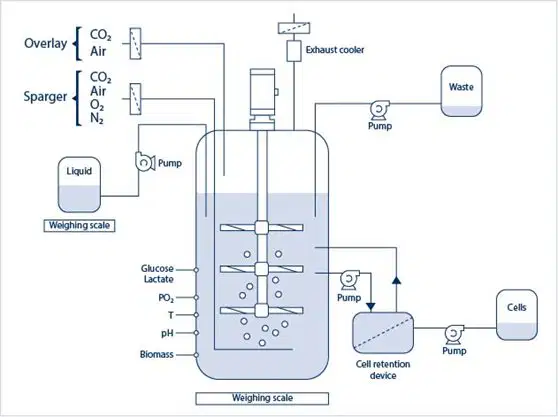
Next, these (a) are added back to the (b) . These are now genetically modified bacteria because they contain (c) as well as their own. The GM bacteria are put into (d) , where they reproduce asexually to form large populations. They express the gene for the human protein – that is, they use the code on the human DNA to make the (e) , which can be extracted from the fermenters and purified.

Which of the following is true for Golden rice?
It has yellow grains, because it was soaked in yellow dye
It is Vitamin A enriched, with can help prevent child blindness
It is pest resistant, with a gene from Bacillus thuringiensis
It is drought tolerant, developed using Agrobacterium vector

