
 Worksheets
Prepare, serve and display food safely
Total questions: 20
Worksheet time: 22mins

A chef has produced some mini beef pies
This should be held in a pie warmer above
60°C
50°C
48°C
100°C

The 3 main Causes of food poisoning are
(tick 3 responses)
Time in the temperature danger zone
Cross contamination
Food Handler contamination
Sanitary work practices
Foodborne microorganisms grow most rapidly at temperatures between
5°C and 60°C
1°C and 4°C.
60°C and 80°C.
-18°C and -21°C.

Food left out in the temperature range 5°C and 60°C. is known as the
Bain marie zone
Danger zone
Microbial growth zone
Cross contamination zone
A chef has prepared a warm pasta salad at 8am and left it out for public display.
What is the corrective action for this dish at 12pm?
Eat immediately
Top up with fresh pasta
Throw out
Cover and date immediately

Using industry examples, outline the 2-4 hour rule
Which is the least desirable strategy for the safe preparation of food ?
Use timers in prep areas to monitor how long food is being kept in the temperature danger zone.
Freezing ingredients before preparing certain recipes, such as tuna or chicken salad
Removing food from the refrigerator that needs preparation for a short period of time
Cooking potentially hazardous food to required minimum internal temperatures

Food standards require that a probe (a) be used and it must be accurate to within (b) . There are 2 methods for calibrating thermometers- (c) Point & Ice Point Method
Insert the sensor area (bottom 5 cm) of the thermometer into the food in the centre and/or (d) part of the food.
Thermometers should be washed, rinsed, (e) , and air-dried before and after each use to prevent cross- contamination.
The transfer of a contaminated microorganisms to a non-contaminated source is known as
Chemistry
Compounding
Cross contamination
Biological contamination
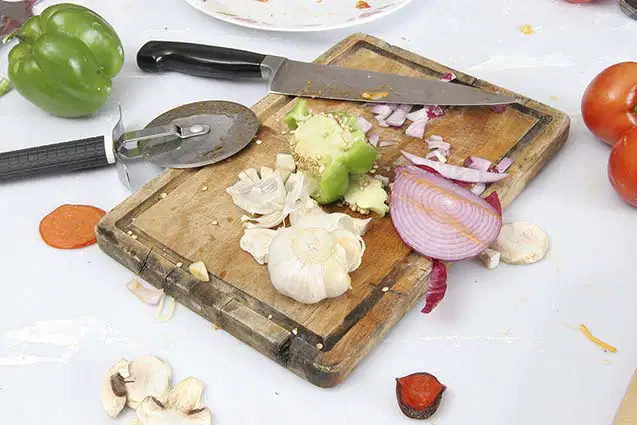
List 5 ways to minimise cross-contamination
Which is an example of food handler contamination
Washing hands before a shift
Working in a clean unifrom
Working with a gastrointestinal illness
Using gloves when stacking a dish washer

According to the World Health Organisation the duration for entire hand washing procedure should be
40-60 seconds
60-90 seconds
120-180 seconds
Singing staying alive twice
Using gloves can assist in preventing contamination
Tick 3 instances where they should be changed
As soon as they become soiled or torn.
Before beginning a different task and after touching high risk foods
At least every four hours during continual use
After they get wet from washing fruit
A chef has made a stock pot size chicken soup (50 litres)
Controls and monitoring - cooling cooked food
Using a probe (a) , check that the (b) of potentially hazardous food reduces from (c) within (d) and from (e) within a further four (4) hours.
Which is not a desirable way to cool food quickly?
Sitting containers of food on a ice bath
Transferring food to smaller containers
Using a blast chiller
Refrigeration of food immediately
Safe reheating of food
1. Reheat internal temperature of food to (a)
2. Do not reheat food in a (b) or similar hot food display unit. These units are designed to (c) hot food, not make them hot.
3. Frozen cooked food should not be placed in a hot display unit to defrost and (d) .
Food can only be reheated (e) so only reheat the required amount. Throw out excess food once reheated
A chef has prepared a New York Cheese Cake
Potentially hazardous, cold food must be held at an internal temperature of
5°C or lower
15°C or lower
-5°C or lower.
Room temperature
Other than temperature control, choose 3 safe food practices for public, self-serve style buffet service
Protect food from contaminants with covers or sneeze guards
Have staff monitor the area
Create a menu that uses low risk food items
Provide separate serving utensils for each food.
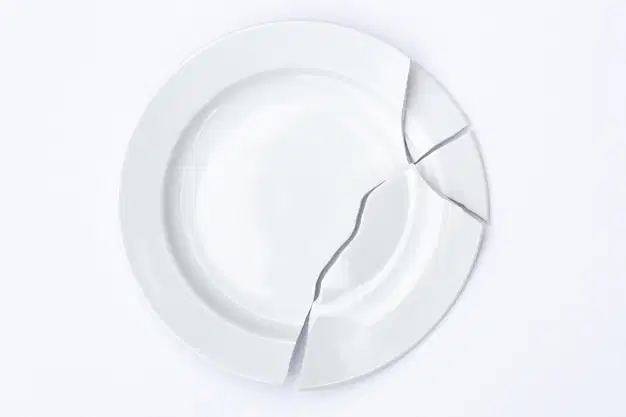
You have noticed broken cookery during service.
Identify the potential hazards and outline safe work practices for discarding the broken plate
Single use items should not be used more than (a)
Store single use items in their original (b) until required to ensure the items remain clean and reduce exposure to (c) foreign objects.
Make sure items are stored away from (d) cleaning chemicals, wet areas and rubbish storage.
(e) Handle the single use items as little as possible to reduce the potential for cross-contamination

