
NEW
Font size
 Worksheets
Biomes
Total questions: 65
Worksheet time: 33mins
Why are tropical climates so hot?
Because there is very little rain.
Because they receive more direct sunlight than other areas.
Because there are not many plants in tropical areas.
Because the days are longer in tropical areas.
What kind of climate does a desert have?
A desert is very dry.
A desert is very wet.
A desert has the same climate as a rainforest.
All deserts are cold.
What is a biome?
A bunch of trees, forests, and rivers.
An area with lots of of rainfall.
An interdependent system of plants, animals, and land.
An area with lots of of rainfall.
What might happen if you tried to plant a tree that is native to tropical rainforests in the tundra?
The tree would quickly adapt to its new environment.
The tree would survive, but it probably wouldn't grow.
The tree would slowly adapt to its new environment.
The tree would probably die.
What can you infer about animals that live in the desert?
Most of them are quite large.
Most of them are warm-blooded.
Most can survive on very little water.
Most can't live in temperatures below 90 degrees Fahrenheit.
What type of climate would a tundra have?
A tundra has warm winters and cool summers.
-=
A tundra is cold all year long.
A tundra is hot all year long.
A tundra has hot summers and cold winters.
non-living things
always plants
living things

___ is a cold, dry biome where the soil stays frozen the entire year and has very little precipitation.
Savannah
Boreal Forest
Tundra
Desert

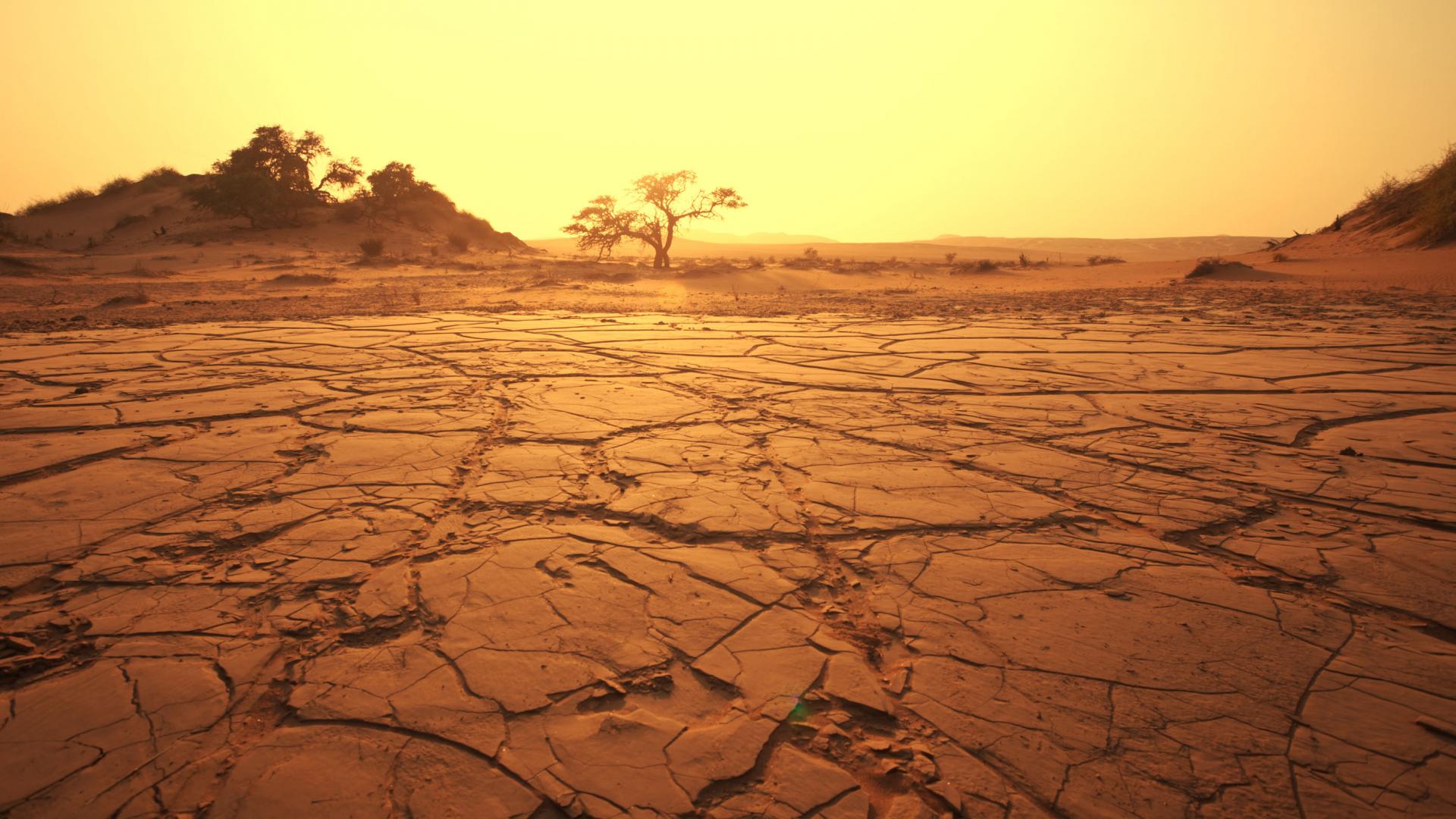
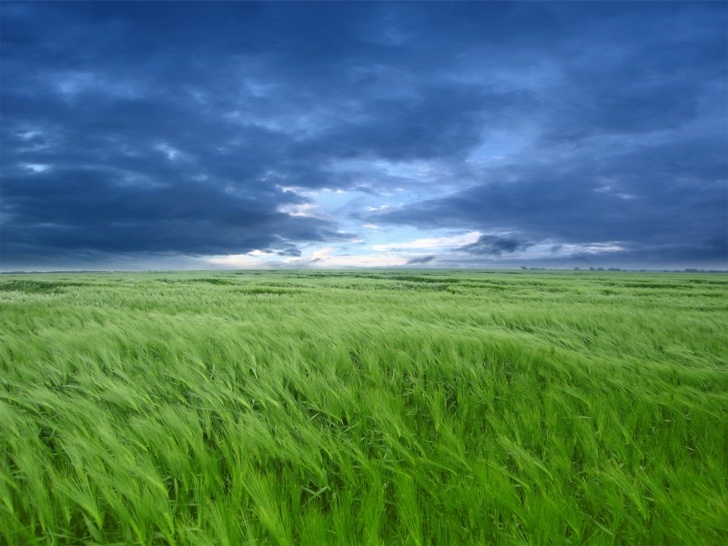
What biome is this?
deciduous forest
taiga
desert
grassland
Which biome is warm year-round, receives LOTS of rain, and is rich in. biodiversity?
Temperate forest
Temperate grassland
Boreal Forest
Tropical rainforest
chaparral
They are examples of biomes
Desert, Grasslands, forest, aquatic, tundra
Desert, hot, col, taiga, tropical rainforest, tundra
Desert, savanna, taiga, bag, tundra
Desert, savanna, taiga, animals, species

Which biome is characterized by freezing temperatures, and a lack of vegetation?
What are the 5 major types of biomes?
aquatic, grassland, forest
aquatic, grassland, mud
aquatic, grassland, forest, desert, and tundra
freshwater, saltwater, clean water, dirty water, and estuary
What is the difference between an ecosystem and a biome?
An ecosystem are smallish. Biomes are biggish.
An ecosystem are biggish. Biomes are smallish.
What kind of leaves do plants have in low sunlight areas, like on the rainforest floor?
wide, broad, large leaves
tiny, thin leaves
red leaves
needle-like leaves
What kind of climate does a tropical rainforest have?
warm and wet
cold and dry
warm and dry
cold and wet
What does the word ADAPTATION mean?
how much sun shines on the rainforest floor
how living things change to survive
how much carbon dioxide is in the air
how much rain an area gets

Why would a plant on the rainforest floor need large, wide, broad leaves?
to collect as much rain as possible
to collect as much carbon dioxide as possible
to scare off animals that would eat it
to collect as much sunlight as possible
Which statements does NOT tell about the rainforest ecosystem?
there are many different kinds of plants and animals there
lots of food and medicines are found there
it rains more than any other place
it is very cold and dry

Dropping leaves in the fall is a characteristic of what type of tree?
deciduous
evergreen
conifer
bonsai
Biome with many different species of cacti and reptiles and very little rainfall.
Desert
Temperate Rainforest
Tropical Rainforest
Arctic Tundra
Type of forest biome near the equator; receives a lot of rain; temperatures are warm all year.
desert
tropical rain forest
Taiga
temperate rain forest
Which biome is the driest?
desert
prairie
deciduous forest
tropical rain forest
Which biome is characterized by four different seasons, Spring, Summer, Winter and Fall?
Tropical Rain forest
Desert
Taiga
Deciduous forest
Which biome covers most of the land mass near the Earth's equator?
desert
grassland
tropical rainforest
Taiga
Which biome, because of its climate, has the largest number of species of plants and animals?
desert
grassland
tropical rainforest
Taiga
The most important abiotic factors when studying biomes are...
Food and Water
Water and Sunlight
Temperature and Oxygen
Water and Temperature
Which biome is Canada?
desert
grassland
tropical rainforest
Taiga
Which of the following components is classified as BIOTIC?
Rock
Sand
Wind
Tree
The taiga
a cold, treeless, desert-like biome found near the North and South Poles
a forest biome dominated by coniferous trees, such as pine, fir, and spruce
a dry, rocky biome found in the central part of South America.
found mostly in Africa
Conifer species, such as pines.
Desert
Tropical forest
Grassland
Deciduous forest
Taiga
Hot and dry
Desert
Tropical forest
Grassland
Deciduous forest
Taiga
Pampas grass, coneflowers, and fuffalo grass.
Desert
Tropical forest
Grassland
Deciduous forest
Taiga
Monkeys, jugauars and orangutan.
Desert
Tropical forest
Grassland
Deciduous forest
Taiga
American black bear, bald eagle, and bobcat.
Desert
Tropical forest
Grassland
Deciduous forest
Taiga
Aquatic biomes are Marine and fresh water.
True
False

