
 Worksheets
Pre IGCSE Energy Quiz
Total questions: 50
Worksheet time: 1hrs 4mins

What type of diagram shows the efficiency of energy transfer?
Flow
Arrow
Sankey

What two conditions are needed to create fossil fuels?
Heat
Freezing temperatures
Moist environment
Pressure
What is the unit for energy?
Joules
Watts
Centimeters
Kilograms

Which is NOT a benefit of wind energy?
low or no emissions
requires small or reduced land use
low operational and maintenance costs
renewable source of power
One end of a copper rod is placed in a flame of a Bunsen burner. Small pieces of wax placed along the rod melt at progressively larger distance from the flame. Heat is transferred through the rod by...
Convection
Radiation
Conduction
Which of these examples best shows a change from potential to kinetic energy?
Water flowing over a tall cliff
A metal spring being stretched out
Electricity making a bulb light up
A stone lying on top of a mountain

Which of the following sources of energy generates emissions during use?
Natural gas
Hydropower
Nuclear
Wind

Which is a negative aspect of the use of petroleum?
It is extracted at a low cost.
It can be easily transported
It produces hazardous substances.
Petroleum is used in many products.

Which is FALSE about hydroelectric power?
Has little or no impact on the environment.
Energy output can be regulated to meet demand.
No greenhouse emissions.
Dams are expensive to build.

Which is true about nuclear power?
Not considered a renewable fuel source
High greenhouse gas emmisions
Requires fossil fuels during energy generation
Uranium is easy to mine and transport

Which is NOT a greenhouse gas?
Carbon dioxide (CO2)
Ozone (O3)
Nitrous oxide (N2O)
Nitrogen (N2)

Which is a renewable source of energy?
Uranium
Coal
Waves
Oil


Before the student jumps from the bridge he has a store of ______________ energy.
When he is falling, the student's store of ______________
energy increases.
When the bungee cord is stretched, the cord stores energy as ______________ energy.
gravity, kinetic, elastic
elastic, kinetic, gravitational
gravitational, kinetic, elastic
gravitational, movement, stretching
Batteries convert _________ energy to ___________ energy
Electrical / Chemical
Chemical / Nuclear
Electrical / Magnetic
Chemical / Electrical
What type of energy resource is nuclear power?
Renewable
Non-renewable
What term fits the following statement? Energy cannot be created or destroyed.
Law of Conservation of energy
Newton's Second Law
Law of conservation of momentum
Law of conservation of motion
Which is the type of energy exists within gasoline?
Thermal
Electrical
Nuclear
Chemical
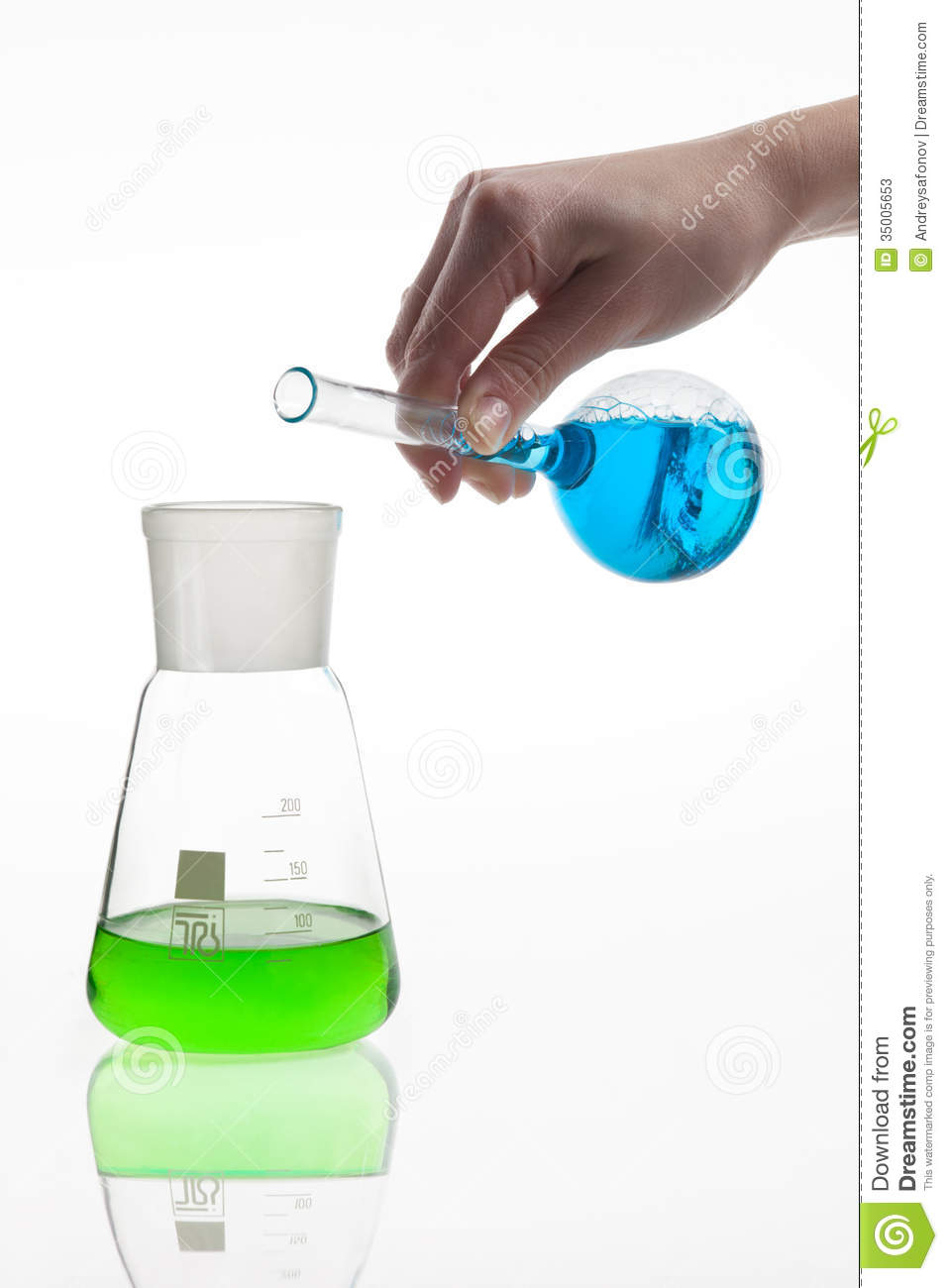
A student mixed two chemicals to allow them to react. The temperature before the reaction was 25 ° C. The temperature after the reaction was 18° C. Which of the following is true?
It is an exothermic reaction
It is an endothermic reaction
What type of energy is stored in a wind up toy?
Elastic potential
Gravitational potential energy
Heat
In a swimming pool, the water near the surface is slightly warmer. The warm water rises because of...
Convection
Radiation
Conduction
A roller coaster going down a hill is seeing a drop in ________ energy and a gain in _________ energy.
Mechanical / Thermal
Kinetic / Gravitational Potential
Gravitational Potential / Kinetic
Electrical / Sound
Wind, solar and waves are examples of:
Renewable energy resources
Non renewable energy resources
Fossil fuels
Finite energy resources

Which type of energy is NOT given off by a fire?
light
electrical
thermal
sound
Select all the ways energy can be transferred. (There are 4)
Chemical
Mechanically
Heating
Radiation
Electrically
Friction is a force that try to stop things moving.
How could I reduced friction?
Stop trying to move
Jelly
Lubricant
More pushing
When barium hydroxide and ammonium chloride react, the temperature of the mixture decreases. What kind of reaction is this?
Endothermic
Decomposition
Exothermic
Indothermic
A hot cup of tea would be an example of which two energy stores?
Chemical & Kinetic
Thermal and chemical
Electrostatic & thermal
Magnetic & thermal

Total energy = 200J
Useful energy = 20J
Workout the efficiency of this lightbulb.
efficiency = total energy inuseful enegy ×100
100%
80%
40%
10%
Na+Cl2 → 2NaCl

This car needs 8600J of energy to power it. If 5000J is changed into useful energy, how much energy is wasted?
13600J
3600J
5000J
8600J
Which type of energy transfer requires particles?
Conduction
Temperature
Radiation

Which appliance is designed to transfer electrical energy to kinetic energy?
A - food mixer
B - kettle
C- lamp
D - radio
When calcium reacts with water, the temperature changes from 18°C to 39°C. Which statement is correct?
The solution at the end is acidic
The reaction is reversible
The reaction is exothermic
The reaction is endothermic

Ice cubes in your glass of soda melt.
endothermic
exothermic

