
NEW
Font size
 Worksheets
NAVIGATIE 1
Total questions: 57
Worksheet time: 29mins
1. A signal of intent must be sounded in international waters by _____________
a vessel meeting another head-on
a vessel overtaking another in a narrow channel
a vessel crossing the course of another
Which vessel would NOT sound a fog signal of one prolonged and two short blasts?
A vessel not under command
A vessel constrained by her draft
A vessel being towed
"Which vessel is NOT regarded as being" "restricted in her ability to maneuver?"
A vessel servicing an aid to navigation
A vessel engaged in dredging
A vessel constrained by her draft
Under what circumstances would an overtaking vessel sound a whistle signal of two prolonged followed by one short blast?
When overtaking in restricted visibility
When overtaking in a narrow channel
When overtaking on open waters
A power-driven vessel leaving a quay or wharf must sound what signal?
Three short blasts
A long blast
] No signal is required.
What shapes shall a vessel engaged in mineclearance operations exhibit
The shapes of a vessel not under command.
3 balls and in case the vessel is at anchor, 3 balls and the shape prescribed for anchored vessels
The shapes of a power-driven vessel underway and 3 diamonds.
Which are the factors taken into accont in determining the "safe speed" additionally, by vessels with operational radar ?
The minimal passing distance, the use of a proper range scale, the elimination of jamming.
The characteristics, efficiency, constraints imposed by the radar range scale in use, the effect of the sea state, the number, location and movement of vessels.
The same factors as when the radar is not in use.
What sound signals may a vessel navigating within a channel use, when in doubt to the intention of a crossing vessel ?
One long blast and two short blasts on the whistle.
5 short and rapid blasts on the whistle.
One long warning signal.
What safety precautions shall a vessel nearing a bend of a narrow channel or fairway take ?
To sound 5 short blasts.
To sound one short blast and navigate on the right side of the channel.
To sound one long blast and navigate with particular alertness and caution.

The lights shown indicate a vessel......
towing another vessel astern, length of tow exceeding 200m.
towing a vessel made fast alongside.
towing more than one vessel astern
no answer
You are on watch at night and you stop the main engines. What changes would you make to your navigational lights?
Switch the steaming lights off
Switch on three vertical red lights
Switch on two vertical red lights and switch off all other navigational lights.
Switch on two vertical red lights and switch off steaming lights.
How often should the auto pilot be tested in manual mode?
At least once a watch
At least once a day
At least once in a passage
Prior to arrival and departure only
Apart from ensuring navigational safety at anchorage, what should the OOW do?
Have all bridge equipment cleaned.
Check that the engineer on watch is in the engine room.
Monitor the VHF for orders for the vessel.
Direct the lookout to do maintenance work.
What type of radio message would you transmit if your ship has a collision and there is grave and imminent danger?
Distress alert and message
Urgency message
safety message
Distress relay

The horizontal pattern of a radar beam consists of......
one lobe
a number of lobes of similar size
one small lobe and two larger lobes
one large lobe and smaller side lobes either side
When on bridge lookout duty, how would you report a light 22.5 degrees aft of midships on the port side?
Light two points abaft the port beam
Light behind on port side
Light astern
Light four points abaft the port beam
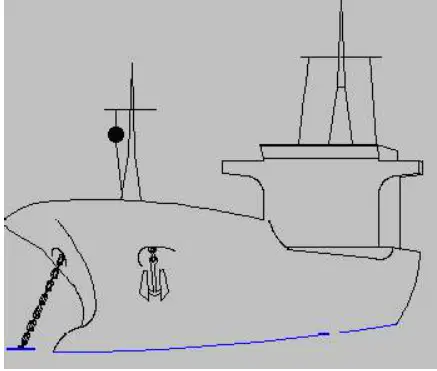
Vessel will leave anchorage. You will heave up the anchor. How and to whom will you report the status of the anchor?
To the officer on duty on the bridge
To the Chief Officer
To the master according to his instructions
] No need report
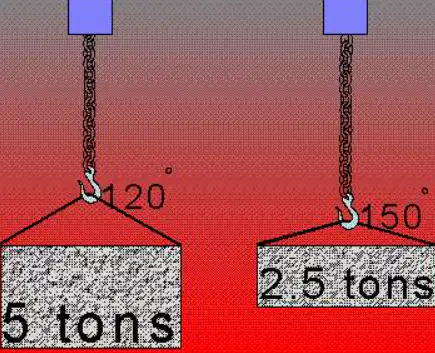
What is the strain on each of the two slings?
1) 5tons 2) 5tons
1) 5tons 2) 5tons
1)10tons 2) 5tons
1) 2tons 2) 1ton
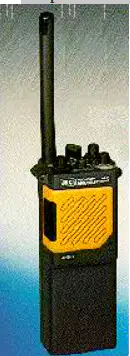
The portable VHF radio-telephones required to be carried by GMDSS regulations should have which channels as a minimum?
Channel 16 and minimum others simplex channel in VHF band
Channel 16 only
Channels 13 and 16
Channels 6 and 16
Pentru o nava de transport cherestea avand bordul liber de vara Flv=2,4 si pescajul de vara Tv= 7,20 liber la tropice Flt are valoarea:
2,55 m.
2,25 m;
2,35 m;
2,45 m;
O nava cu canarisire zero este :
pe chila dreapta;
in pozitie dreapta;
bandata;
aprovata.
Bordul liber de vara se calculeaza in functie de :
latimea navei;
volumul de carena;
lungimea navei;
inaltimea de constructie.
O nava are pescajul prova pescajul pupa si momentul unitar de asieta
MCT = 160 t cm. Ce cantitate de balast trebuie imbarcata intr-un tanc avand centrul de greutate la 80 m spre prova fata de centrul plutirii F, pentru a aduce nava pe chila dreapta?:
300 t;
800 t
750 t
250 t
Se interzice ventilatia magaziilor navei, pe timpul transportului, atunci cand :
temperatura marfurilor incarcate este mai mare decat temperatura aerului atmosferic
nava imbarca apa pe punte;
nava traverseaza un curent marin cald;
ventilatia marfurilor nu depinde de factorii de mediu exterior.
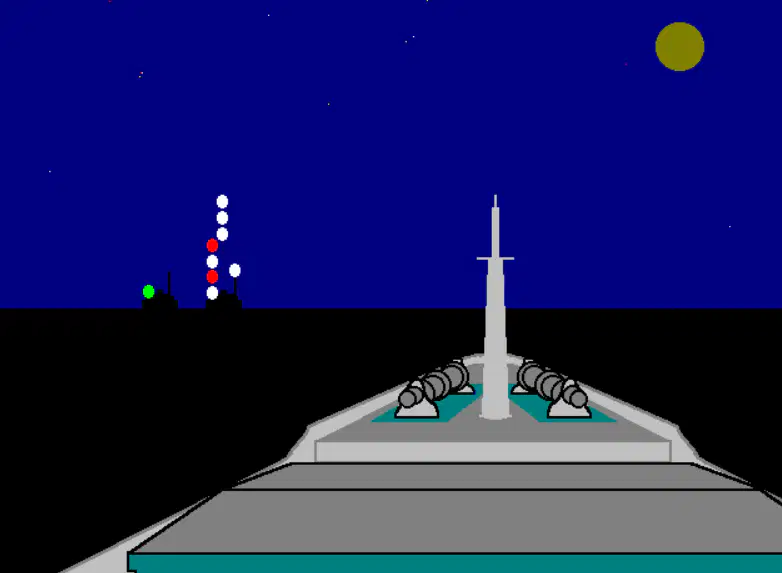
You observe this vessel at a range of 9 miles. What action would you take?
Make a substantial reduction of speed.
Stand on with caution. The other vessel should give way.
Alter course parallel to the other vessel's course.
no answer
Zincurile de pe bordajul unei nave au rolul de a
] proteja corpul navei �mpotriva depunerilor planctonice
proteja corpul navei �mpotriva ruginirii excesive
proteja corpul navei �mpotriva corod�rii datorate curen�ilor Foulcault
In practica, cunoscandu-se momentul unitar de asieta si valoarea momentului care produce inclinarea longitudinala a navei la deplasarea unei greutati dupa o directie orizontal-longitudinala, se poate determina direct
valoarea momentului unitar de banda
valoarea pantocarenei corespunz�toare respectivei �nclin�ri longitudinale
noua asiet� a navei
Capacitatea Dw a navei este o caracteristic� de
masa
volum
pescaj
Ordinul de imbarcare este un document de baza pentru :
intocmirea cargo-planului final;
angajarea navei;
acceptarea navei la incarcare;
evidenta echipajului.
Pentru o nava avand deplasamentul ( in apa cu densitatea ) si deplasamentul unitar TPC=24 t/cm, corectia de densitate a pescajului are valoarea:
0,134 m
0,164 m;
0,136 m;
0,138 m.
Precizia calculului de stabilitate si asieta depinde de :
natura marfurilor incrcate;
cantitatea de materiale de separatie si amaraj;
precizia intocmirii cargo-planului final;
experienta stivatorilor.

Pentru o nava avand distanta pupa (img) asieta t= -1,2 m si lungimea intre perpendiculare LIP =120 m, corectia de asieta a pescajului pupa y are valoarea:
+0,005 m;
-0,005 m;
+0,008 m;
-0,008 m.
Prin coloritul si grafica specifica, etichetele care se aplica pe coletele marfurilor periculoase retin atentia asupra:
riscului prezentat de marfuri
cantitatii compusului care da riscul primordial;
etichetarea cotelor nu este obligatorie.
portului de descarcare;
Unghiul critic de canarisire se considera :
jumatatea unghiului maxim de ruliu;
jumatatea unghiului critic de ruliu;
jumatatea unghiului maxim de canarisire
jumatatea unghiului de inundare a puntii
In relation to squat effect, which of the following statements is incorrect?
Squat results in an increase in ship's draft.
Squat results in a decrease in underkeel clearance.
Squat can be a serious problem for deep draft ship
Squat results in a decrease in ship's draft

Romanian merchant-and fishing vessels have to participate in the AMVER system. What is the purpose of AMVER?
Weather routing
A NATO reporting system in case of joining a war-convoy
World wide telecommunication system
Automated mutual vessel rescue system for plotting vessels with the purpose of rescue
Manevra pilotinei de apropiere de navi se executa?
�n sensul curentului �i pe direc�ia v�ntului sub un unghi c�t mai ascu�it
Nu are importan��, dar se va executa cu aten�ie pentru evitarea coliziunii
Conform indica�iilor comandantului navei
Sub un unghi ascu�it �i mereu �n bordul de sub v�nt �i curent
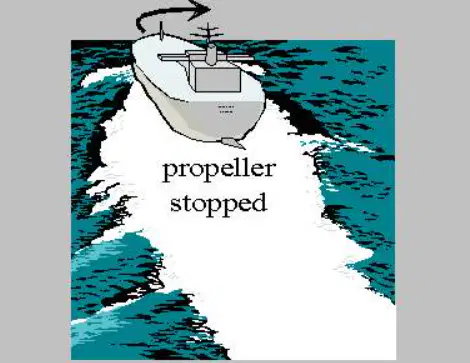
The rudder is in hard over position, propeller stopped. The ship is turning slowly. What can we do to make her turn faster without increasing forward speed?
Give slow ahead and leave her in that position
Give half astern as this will increase rate of turn.
Give a kick ahead.
Give full astern until ship is stopped, then full ahead again with rudder hard over.
Is the lookout allowed to leave his post without being relieved?
Yes, it is OK.
It depends on the situation
No, it is not OK.
Only for short periods to go to the toilet.

The vertical beam must be wide enough to allow for the......
rolling and pitching of the ship.
elimination of shadow sectors.
the size of large targets.
reduction of sea clutter.
The captain of a vessel has 2 years of experience as a captain and the pilot directing the navigation has 20 years of experience. Who is in charge ?
Always the officer with the longest sea experience
The Pilot
The master
Depends on Port Authority's decision
Which of these is the correct sequence of visibility associated with a weather "cold front"?
In advance - very good ; during the passage - moderate in showers ; at the rear - usually poor.
In advance - usually poor ; during the passage - first bad than good ; in the rear - usually very good except in showers.
In advance - very poor ; during the passage - bad ; in the rear - moderate.
In advance - very good ; during the passage - very poor ; in the rear - moderate
Which of the following options would be considered "good seamanship"?
Sounding a fog signal when in clear weather, but approaching a fog bank.
Using radar when proceeding at full speed in fog.
Using deck and accommodation lights to indicate the presence of your ship in poor visibility
Proceeding on the port side of a narrow channel to take advantage of a favourable current.
Care din urmatoarele afirmatii este ADEVARATA? O harta electronica radar (True MAP) poate fi trasata pe ecranul radar de catre utilizator si ulterior folosita pentru pilotarea navei, numai daca:
Radarul functioneaza in Miscarea Reala/ N UP
Radarul functioneaza in Miscare Relativa/ N UP
Numai daca radarul este cuplat cu receptorul GPS.
Avem pe radar un reper in functie de care sa putem pozitiona manual harta electronica
Corpul balizei marcajului cardinal de Est este piturat in dungi orizontale dispuse de sus in jos astfel
negru-galben-negru;
negru-galben.
galben-negru-galben
Variatia de nivel a suprafetei oceanului datorate unei furtuni aflate la distanta se numeste:
Maree;
Resaca;
Hula.
Ce indiciu da haloul ?
Vremea rea se va instala in regiunea in care este observat in circa 48 h de la inregistrarea fenomenului.
Indica o activitate solara, respectiv lunara, mai mare decit normal.
Indica gradul maxim de densitate a cetii si imbunatatirea vizibilitatii in urmatoarele 6 - 12 h; in cazul pachetelor de ceata indica schimbarea directiei de deplasare a acestora spre dreapta in raport cu partea opusa astruluI
Scara numerica a unei harti este:
raportul dintre lungimea si latimea hartii;
un numar de catalog;
raportul dintre lungimea unitara de pe Pamant si corespondentul pe harta
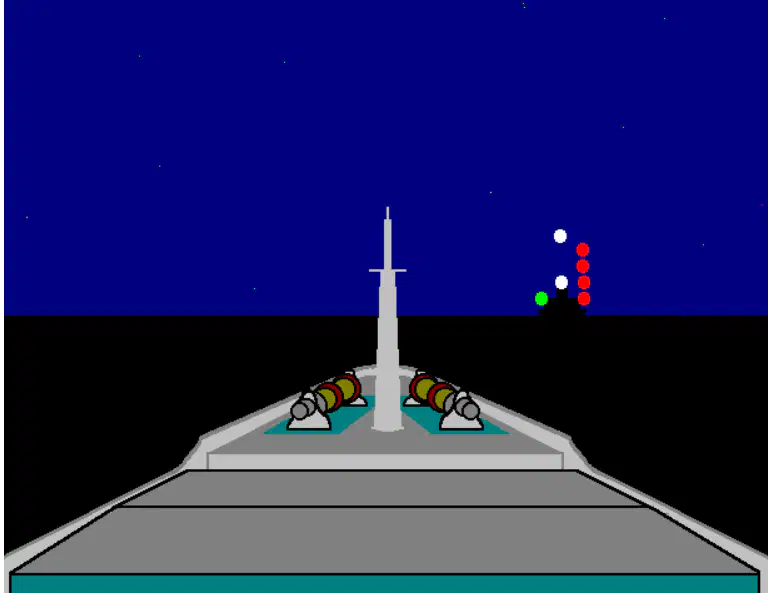
What is the length of the vessel shown here?
No indication of length.
Less than 50 metres
Less than 20 metres.
NO ANSWER
If you sighted three red lights in a vertical line on another vessel at night,it would be a vessel _____________.
aground
constrained by her draft
dredging
8. How shall a vessel cross the traffic lanes when is obliged to do so ?
At a small angle to the general direction of traffic flow and at small speed.
At as small an angle to the general direction of traffic flow as practicable at full speed.
As nearly as practicable at right angles to the direction of traffic flow.
What does the word "seaplane" mean ?
Any aircraft designed to carry out hydrotechnical and/or hydrometeorological work
Any aircraft designed to manoeuvre on the water.
Any aircraft being on the water for various reasons.
3. What lights shall a sailing vessel underway exhibit, when her length is less than 7 metres ?
She shall have ready at hand an electric torch or lighted lantern showing a white light which shall be exhibited in sufficient time to prevent collision.
Sidelights.
A white light at the masthead.
What lights shall a vessel constrained by her draught exhibit ?
The lights prescribed for power-driven vessels underway and an additional red light
The lights prescribed for power-driven vessels underway and 3 additional all-round red lights in a vertical line
The lights of a vessel restricted in her ability to manoeuvre.
What sound signals shall a vessel give when in sight of another and failing to understand the intentions of another, or when in doubt whether sufficient action is being taken by the other to avoid collision ?
At least 5 short and rapid blasts on the whistle.
One prolonged blast and 5 short blasts.
2 prolonged blasts followed by short blasts.
6. Which is the action by given-way vessel ?
When the vessels are in close proximity, the give-way vessel shall take substantial action by alterations of course and speed to completly avoid the risk.
The vessel shall so far as possible take early and substantial action to keep well clear.
The vessel shall take early action with small alterations of course not to deviate too much from her course
7. Which is the distress signal in radiotelegraphy ?
3 dashes ( O ) in the Morse Code.
3 dots, 3 dashes, 3 dots ( S.O.S. ) in the Morse Code.
Repeated dots ( E ) in the Morse Code.

