
 Worksheets
FUNCTIONAL ANATOMY QUIZ
Total questions: 74
Worksheet time: 1hrs 4mins
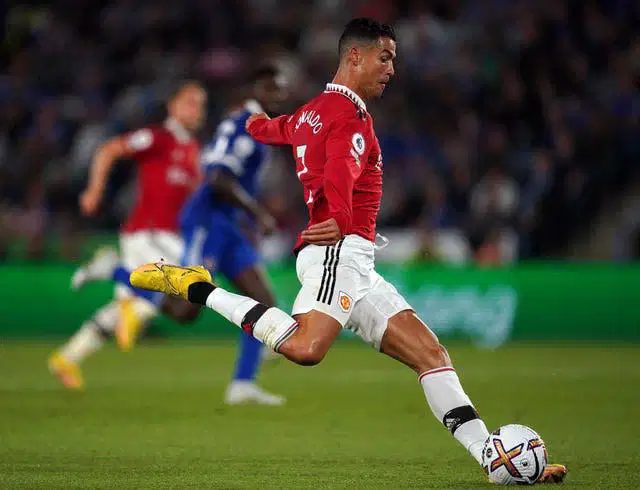
The BACKSWING of a leg when kicking a soccer ball is best described as;
Flexion of the thigh at the hip joint, extension of the lower leg at the knee joint
Extension of the thigh at the hip joint, flexion of the lower leg at the knee joint
Eversion of the thigh at the hip joint, extension of the lower leg at the knee joint
Inversion of the thigh at the hip joint, flexion of the lower leg at the knee joint
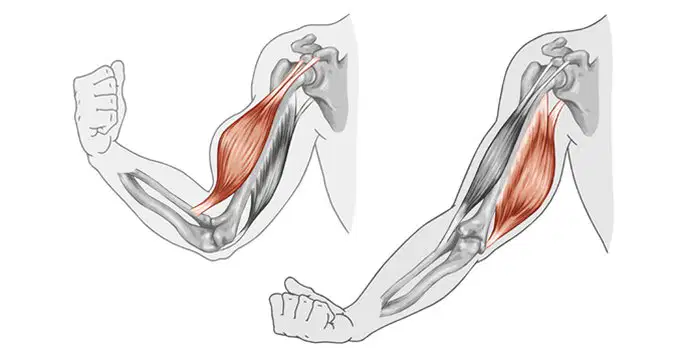
Contractibility of muscles says that;
The bigger the muscle the more forceful contraction
Contractions are all equal
Only the big muscles contract in a movement
Both big and small muscles contract equally
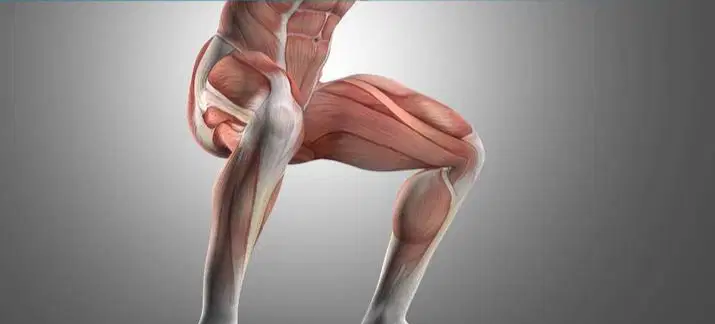
During flexion of the knee which muscle is the agonist (prime mover)?
Gastrocnemius
Tibiallis anterior
Hamstrings
Quadriceps

Abduction could be defined as....
Movement of a limb towards the midline of the body
Increasing the angle at the joint
Decreasing the angle at the joint
Movement of a limb away from the midline of the body

Which of the following is a ball and socket joint?
Elbow joint
Radio-ulnar joint
Shoulder Joint
Wrist joint
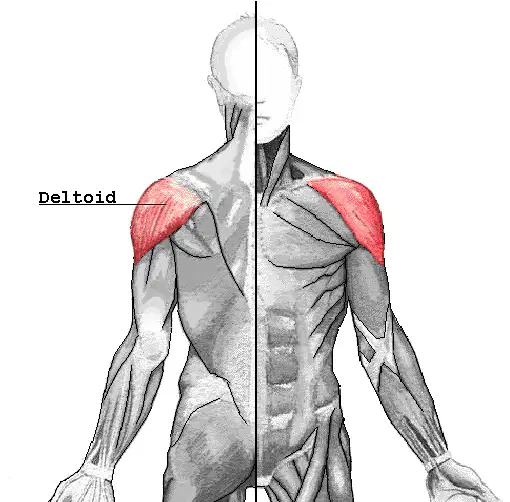
The skeletal muscles of the body often have more than one function. The deltoid muscles
flex the arm, abduct the arm and extend the arm
extend the arm adduct the arm and extend the forearm.
flex the humorous, adduct the arm and extend the arm.
flex the arm abduct the arm and flex the forearm

Muscles fibres that are most suited to endurance activities are
fast twitch or type I fibres.
fast twitch or type II fibres
slow twitch or type I fibres
slow twitch or type II fibres

The ability of a muscle to lengthen and then return to its original shape and size is known as the muscles
Extensibility
Elasticity
Excitability
Contractibility

A tennis player moves their hand to a palm down position when performing the top-spin forehand. This movement can best be described as:
Flexion
Extension
Pronation
Supination

A pair of muscles works together to produce movement. While serving in volleyball, you observed the player extending his elbow as he made contact with the ball. Which pair of muscles would primarily be involved in this process?
Biceps and triceps
Pectorals and trapezius
Biceps and deltois
Triceps and deltoid
Use the diagram to label the bones of the skeletal system
Clavicle
Phalanges
Metacarpals
Scapula
Humerus
Radius
Ulna
Carpals
Use the diagram to label the bones of the skeletal system
Humerus
Spine
Mandible
Skull
Clavicle
Sternum
Ribs
Use the diagram to label the bones of the skeletal system
Femur
Pelvis
Radius
Ulna
Spine
Use the diagram to label the bones of the skeletal system
Tarsals
Pelvis
Femur
Tibia
Fibula
Where is the trapezius muscle?
Where is the trapezius muscle?
Where is the deltoid muscle?
Where is the deltoid muscle?
Where is the pectoral muscle?
Where is the pectoral muscle?
Where is the Bicep muscle?
Where is the Bicep muscle?
Where is the Tricep muscle?
Where is the Tricep muscle?
Where is the abdominal muscles?
Label the muscles on the diagram.
Deltoid
Trapezius
Latissimus Dorsi
Soleus
Label the muscles on the diagram.
Deltoids
Biceps
Triceps
Quadriceps
Gluteus Maximus
Hamstrings
Gastrocnemius
Soleus
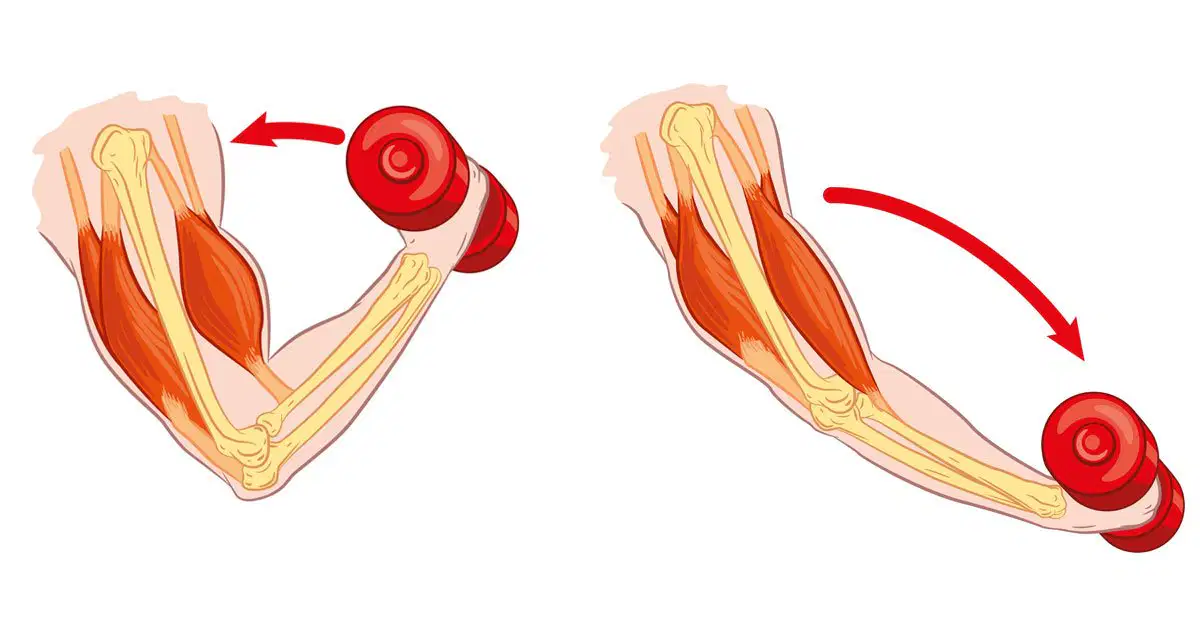
An eccetric contraction (a) in length, with the joint angle .
A concentric contraction (a) in length, with the joint angle (b) .

A isometric contraction (a) in length, with the joint angle (b) the same.
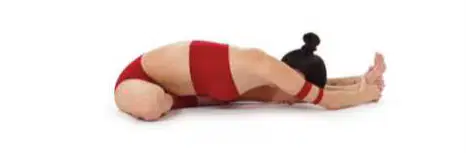
Extendability refers to how far your (a) stretch (b) their (c) length.

(a) refers to the ability your (b) to (c) .
This is the ability of skeletal muscle wherein it recoils to its original resting length after it has been stretched
Contractility
Excitability
Extensibility
Elasticity
This attaches your muscle to bone
Tendons
Ligaments
Aponeurosis
This is the ability of skeletal muscle wherein it recoils to its original resting length after it has been stretched
Contractility
Excitability
Extensibility
Elasticity
This attaches your muscle to bone
Tendons
Ligaments
Aponeurosis
This attaches your bone to bone
Tendons
Ligaments
Aponeurosis

The deltoid is a muscle in
the back
leg
chest
arm
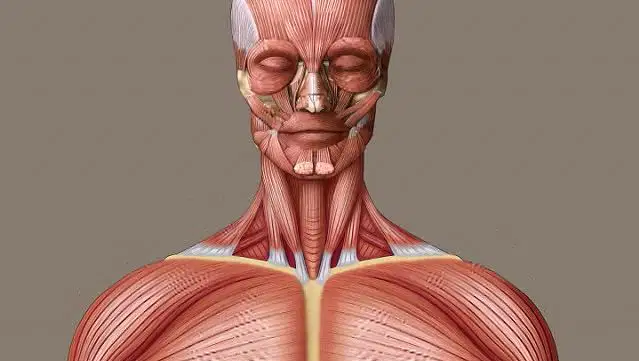
1 of the 4 main jobs of the muscular system is
to give us posture
sensory response (taste, smell, touch, etc)
protect from disease
deliver oxygen to the body

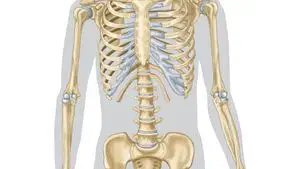
What are the 26 bones that make up your backbone called?
carpals
Tarsals
phalanges
vertebrae

Why is having increased extendibility of your muscles in sport advantageous?
Greater rannge of motion within movement
Allows greater power generation
Allows for a longer amount of time to generate force
All of the above

In knee flexion, which is the agonist?
(one that is contracting or getting shorter)
Hamstrings
Quadriceps

Which is the prime mover?
iliopsoas
gluteus maximus
Antagonist muscles in the squat pose would be? (think opposite side)
Hamstrings
Hip Flexors

What is the agonist and what is the antagonist in a bicep curl?
biceps are the agonist
triceps are antagonist
triceps are the agonist
biceps are antagonist
Muscles work in pairs.
True
False
The agonist muscle........................
Relaxes and shortens
Contracts and shortens
Relaxes and lengthens
Contracts and lengthens
The antagonist muscle.............
Contracts and shortens
Contracts and lengthens
Relaxes and contracts
Relaxes and lengthens
The muscle pairing of the tricep is......
Tricep
Deltoid
Bicep
Trapezius
The muscle pairing of the quadriceps is......
Gluteus Maximus
Hamstring
Hip Flexor
Gastrocnemius
Another name for your calf muscle is.............
Quadriceps
Hamstring
Gastrocnemius
Pectoralis Major is paired with what muscle?
Deltoid
Trapezius
Latissimus Dorsi
Iliopsoas

What muscle is the antagonist in a bicep curl?
(a)

What is the Antagonist muscle occurring at the knee joint?
Quadriceps
Hamstring
Gluteus Maximus
lliopsoas
Decreases the angle between bones at a joint
flexion
extension
elevation
retraction
Increases the angle between bones at a joint
flexion
extension
elevation
retraction
The muscle that causes the action and does the majority of the work
agonist
prime mover
antagonist
synergist
The muscles that oppose an action.
agonist
prime mover
antagonist
synergist
Match the following....

Flexion

Extension

Adduction

Abduction
Match the following....
Flexion
Extension
Adduction
Abduction
Match the following....

Supination

Circumduction

Rotation

Pronation
Match the following

Inversion

Eversion

Plantar flexion

Dorsi flexion
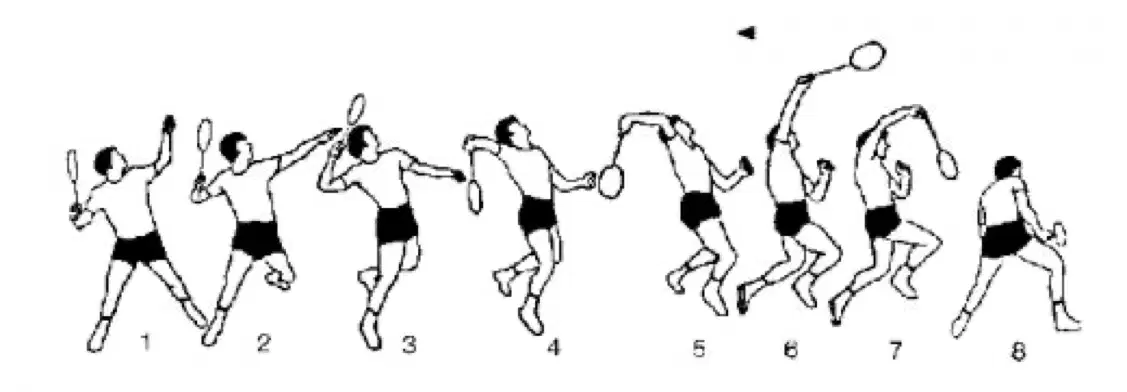
1.What movement can you see happening in picture 1 and picture 2 to enable the athlete to jump off the ground?
I
E
p
S
What movement can you see happening in picture 3 and picture 4 of the athletes RIGHT FOOT, that enable him to jump off the ground?
Inversion
Eversion
Plantarflexion
Dorsiflexion
What is the agonist muscle involved in the plantar flexion movement in picture 3 and 4?
Soleus
Gastrocnemius
Abdominals
Quadriceps
What movement is happening in pictures 1 and 2 of the athletes leg at the knee?
Flexion
Extension
Rotation
Supination
What is the agonist muscle in the movement shown in pictures 1 and 2?
Soleus
Hamstring
Biceps
Quadricep
What is the movement/action at the right hip in picture 7?
Inversion
Platar flexion
Extension
Flexion
What is the antagonistic muscle for the right hip movement in picture 7?
Gastrocnemius
Hip flexors (iliacus, psoas, pectineus, rectus femoris, and sartorius)
Hamstrings
Abdominals
What bone/s make up the knee joint?
Femur
Patella
Tibia
Fibula
All of the above
The knee joint is a hinge joint
True
False
The hip joint is a gliding joint
True
False
Match the following joint names to their characteristics...

Pivot

Saddle

Gliding or plane

Hinge

Ball and socket

