
 Worksheets
Biological Molecules of the Cells.
Total questions: 40
Worksheet time: 22mins
How are carbohydrates and lipids similar?
both contain C, H, O, N, P and store energy
both contain C, H, O, N and give energy
both contain C, H, O, N, S and store energy
both contain C, H, O and give energy
Match the protein with the correct picture.


What is the key role (function) of a protein?
instant energy for the cell/body
hormones, buoyancy, forms cell membranes, insulation, energy storage
growth, repair, and energy, immune system, enzymes
store and transmit genetic information/heredity
Identify the lipid:


Identify the nucleic acid:


Identify the key role of nucleic acids:
instant energy
hormones, buoyancy, formation of cell membranes, insulation, energy storage
transport hemoglobin, immunity, chemical reactions, regulation of proteins, tissue structure
store and transmit heredity, genetic information
Carbohydrates contain carbon (C), hydrogen (H), and oxygen (O). What is the ratio of these elements?
2:1:2
1:3:1
1:2:1
3:1:3
A monomer is ...
a single atom
a building block for polymers
a single element
an inorganic molecule
What are the functions of lipids?
Quick source of energy
Builds muscles & skin, enzymes, hormones
Stores genetic information
Stores energy, insulation, plasma membrane
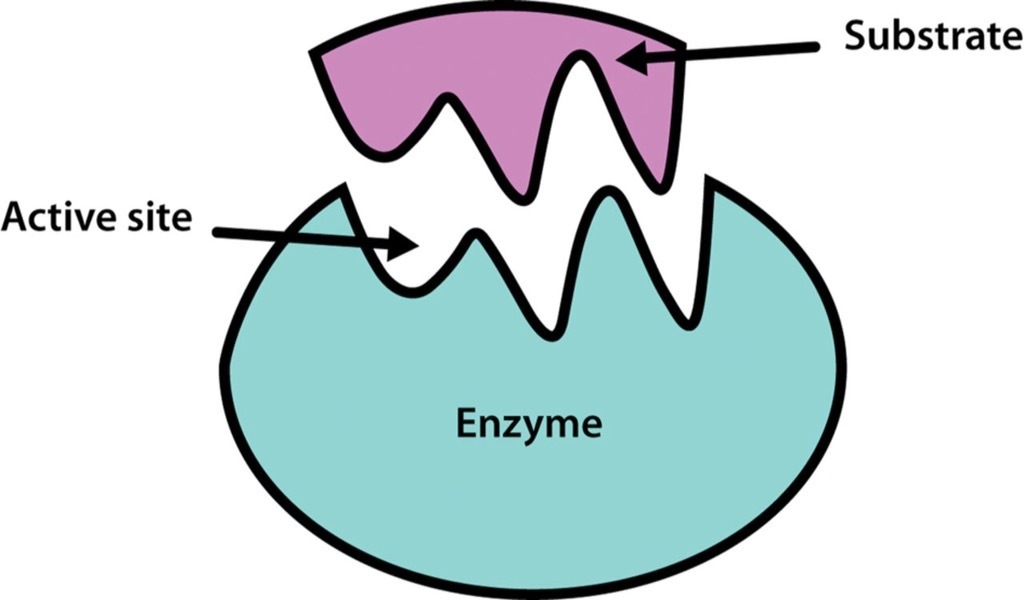
What biomolecule do enzymes belong to?
Carbohydrate
Lipid
Nucleic Acid
Protein
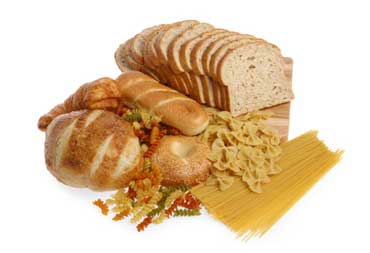

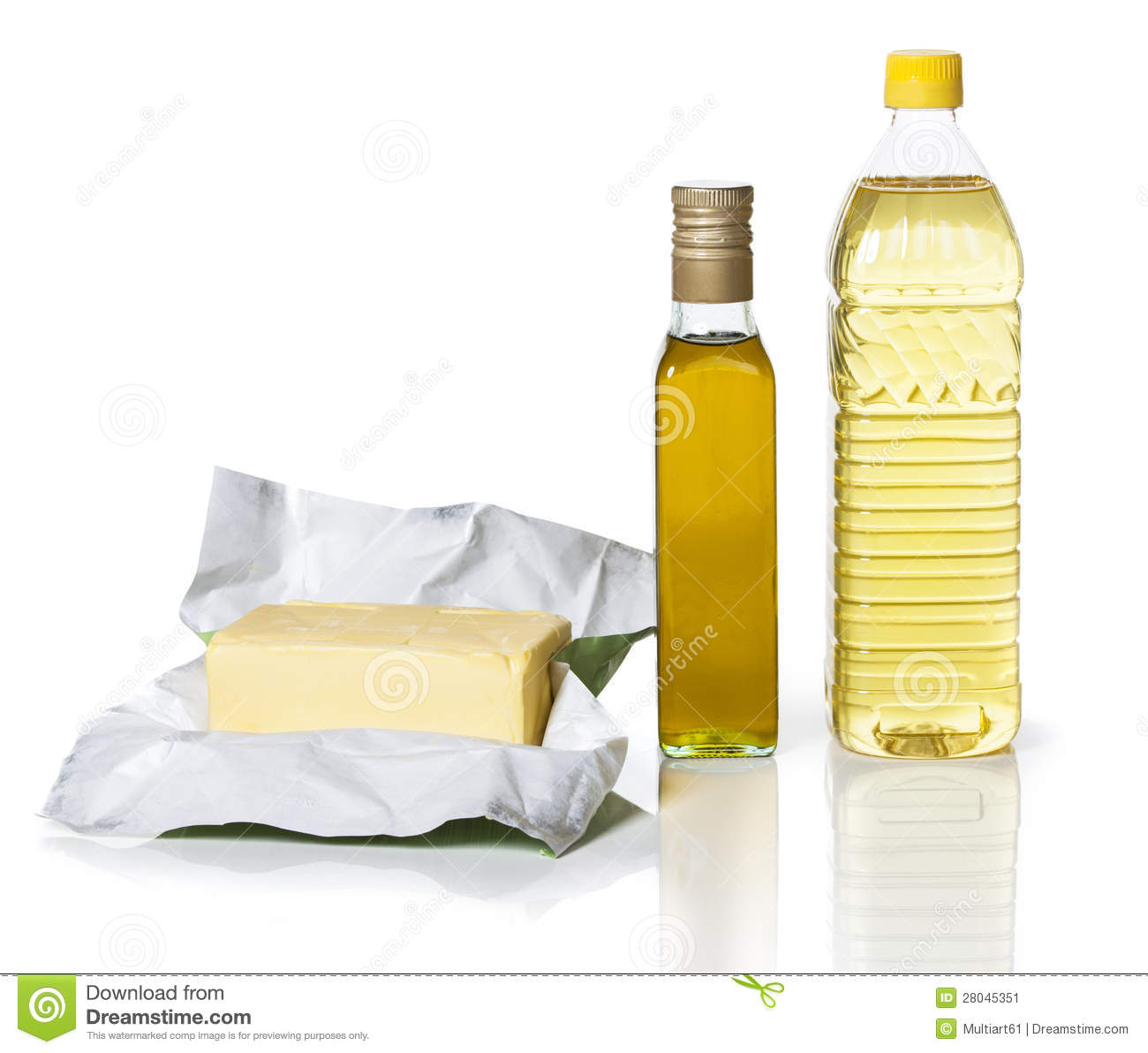


Which form of glucose is stored in the human liver and muscle?
Cellulose
Glycogen
Lipids
Starch
Lipids are insoluble in water because lipid molecules are _________?
hydophilic
hydrophobic
neutral
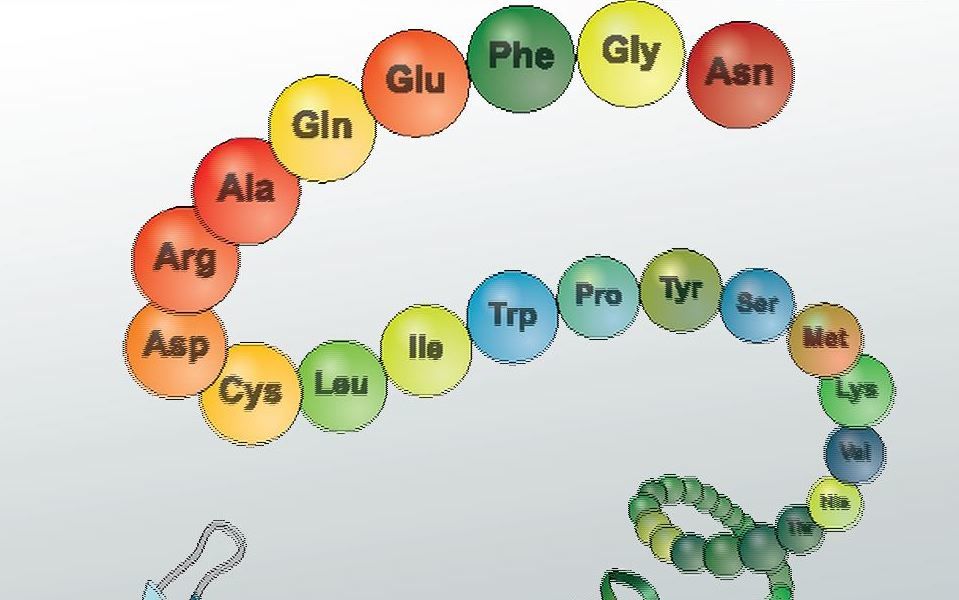


Which type of biomolecule makes up the wood of the trunk of a tree (A in this image)
AND
Which type of biomolecule makes the fruit on a tree taste sweet (B in this image)?
A = lipids, B = nucleic acids
A = starch, B = protein
A = protein, B = cellulose
A = cellulose, B = sugars like glucose and fructose
Which 2 of 4 biomolecules have the function of energy storage? (Select Two Answers)
Carbs
Lipids
Proteins
Nucleic Acids
Which of the following is a function of a carbohydrate?
forms the cell wall
insulation
gene expression
regulates enzymes

Each of these represents a different biomolecule. Which of the following is a protein?
a
b
c
d
One function of lipids is to store energy. What is another function of lipids in the human body?
to form plasma membranes
to make energy from the sun
to control chemical reactions
to provide quick energy for the cell
Water is an essential molecule for life, but it is NOT a biological macromolecule. Water is polar and therefore sticks to OTHER polar molecules. What is the scientific term for this property?
Cohesion
Coherence
Adhesion
Polarity
If you eat a complex carbohydrate and your body breaks that carbohydrate into sugar monomers, what process is occurring?
Catabolism
Anabolism
Breaking down
Buiding up
To build muscle (or any other body part), your body needs to use the monomers that come from your food to build new molecules. What is this process called?
Catabolism
Anabolism
Shazambolism
Cellular respiration
A phospholipid has two parts. What are they called?
Hydrophilic Head, Hydrophobic Tail
Hydrophobic Head, Hydrophilic Tail
Hydrophilic Head, Hydrophilic Tail
Hydrophobic Head, Hydrophobic Tail

Identify a cholesterol molecule
structure A
structure B
structure C
structure D

Identify a glycoprotein.
structure A
structure B
structure C
structure D

This image is an example of a phospholipid. Which part of a phospholipid is HYDROPHOBIC?
the phosphate "head"
the lipid "tails"
This image is an example of a phospholipid. Which part of a phospholipid is HYDROPHILIC?
the phosphate "head"
the lipid "tails"

Structure A in the diagram is
cholesterol
phospholipid
glycoprotein
channel protein

Part of the plasma membrane responsible for cell recognition and as a glue to attach cells together.

