
 Worksheets
Art -23-24
Total questions: 100
Worksheet time: 50mins
Someone who is skilled in the use of materials and tools and produces well-made objects of above average quality is known as a ________________.
Artist
Craftsman
Archaeologist
Evaluator
Each work of art has certain properties that belong to it. By analyzing them we can understand what makes that work unique is known as ______________.
Primary
Principles
Elements
Aesthetic Properties
____________ properties are known as the elements of art.
Sensory
Formal
Technical
Expressive
_________________properties are the characteristics of an artwork that causes us to respond to it with feelings and emotion.
Sensory
Formal
Technical
Expressive
________________ properties are known as the principles of art that help us to see how artists organize the
elements.
Sensory
Formal
Technical
Expressive
_____________ properties are the media, tools, and equipment used to make the work of art.
Sensory
Formal
Technical
Expressive
Images depicted, materials used and style of the piece help to place the object in a particular time and place is known as__________________
Reflection of Society
Warm-Up
Objectives
Performing Arts Connection
Collectors or __________ appreciate the appearance, craftsmanship or message of such objects.
Scienist
Artists
Connoisseurs
Sculptors
Objects that reflect the highest quality of work or classical examples are considered a _________________
commercial
paradigm
higher order thinking
principles
Utility, Religion, Politics, Information/History, and Aesthetics are reasons why ......?
people write songs
people create movies
people create art
people create games
_____________is a term to sum up the search for beauty.
Utility
Religion
Polotics
Aesthetics
___________ today are conveyed through cartoons, critical painting, and billboard posters.
Utility
Religion
Politics
Aesthetics
___________________is a term that describes an objects usefulness.
Utility
Religion
Information/History
Aesthetics
_____________played a major part in the creation of many objects that support beliefs and ceremonial activities.
Utility
Religions
Politics
Aesthetics
___________ is important in societies where there is no written language or where literacy rate is low.
Utility
Politics
Information/History
Aesthetics
Eating utensils, storage vessels made from clay, basketry, leather, or metals are examples of ____________.
utility
religion
politics
aesthetics
Sums up a search for beauty, for subject matter that is thought-provoking is an example of __________
utility
religion
politics
aesthetics
Castles, fortified cities, paintings on walls and towers to portray myths and power of kings is an example of __________.
utility
religion
politics
aesthetics
Paintings, statues, stained glass windows that pass on an understanding of cultures, folk tales, traditions, mythology and morals is an example of ______.
utility
politics
information/history
aesthetics

This image is an example of _____________.
utility
religion
politics
aesthetics
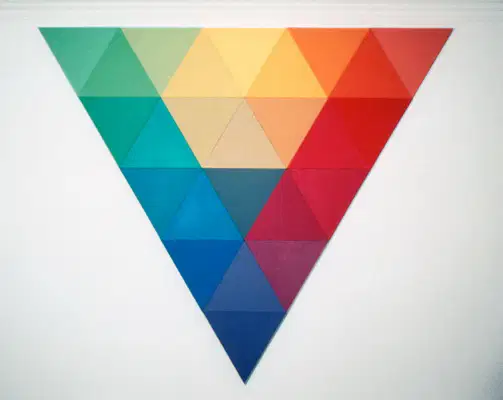
Robert Swain's Untitled is an example of ________
utility
religious
information/history
aesthetics
The unearthing and study of evidence from past cultures which have been hidden for centuries is known as ________.
archaeologist
archaeology
ancient stuff
museum quality
____________ provides the setting and context for a work of art.
Art history
Art criticism
Art production
Aesthetics
Why are museums concerned with controlling the humidity, temperature and light inside the buildings?
so that art on wood will not dry out
so that art on canvas will not dry out
so that art will not fade
all answers
Only after the revolutions of the 18th and 19th century, after the fall of monarchies ___________ were created.
galleries
coffee houses
museums
archaeologists
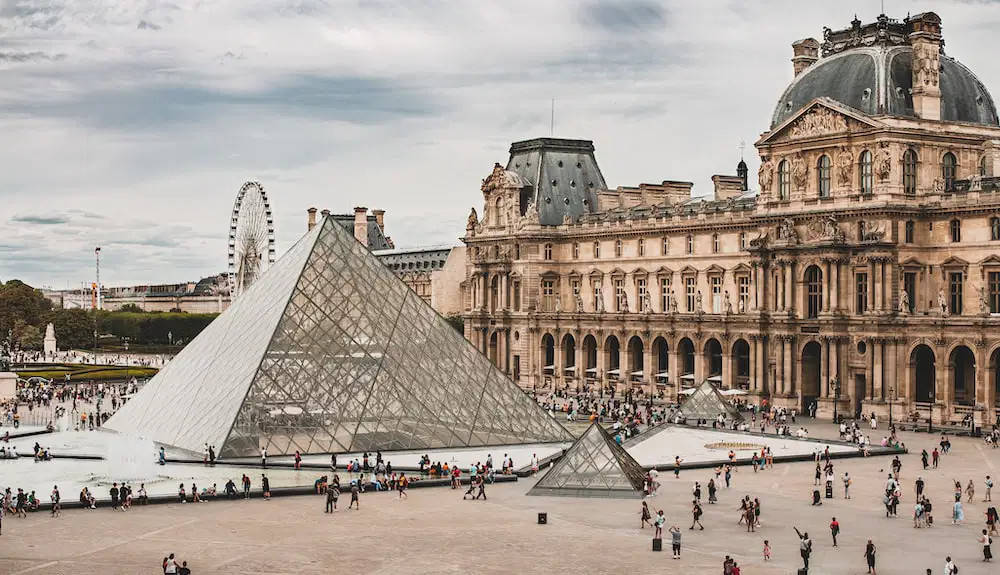
The ___________became a museum to the Republic in 1793. Many other royal buildings followed suit.
Boston Museum of Fine Arts
NOMA
Prado Museum
Louvre
The correct archaeology process of unearthing an ancient city is ______.
research site, drill sample cores, carefully dig and sift away earth, catalog/photo and date
drill sample cores, research site, carefully dig and sift away earth, catalog/photo and date
research site, drill sample cores, catalog/photo and date,carefully dig and sift away earth,
research site, drill sample cores, catalog/photo and date,carefully dig and sift away earth
Aesthetics, Art History, Art Production, and Art Criticism are 4 ways we _________.
create art
study art
preserve art
reteach art
_________provides the setting and context for a work of art.
Aesthetics
Art History
Art Production
Art Criticsm
____________is a term that refers to our personal responses to a work of art.
Aesthetics
Art History
Art Production
Art Criticism
___________ is analysis.
Aesthetics
Art History
Art Production
Art Criticism
________________ is the creation of art.
Aesthetics
Art History
Art Production
Art Criticism
____________ reflects the times and culture of people, provides a timeline from early history to present time.
Aesthetics
Art History
Art Production
Art Criticism
_____________ is by handling clay, mixing colors, working with compositions, using brushes, carving etc.
Aesthetics
Art History
Art Production
Art Criticism
________________ is explaining and judging works of art. It is how artists use elements, principles, media/tools, and in analyzing art.
Aesthetics
Art Production
Art History
Art Criticism
The tools and materials an artists uses is _____.
subject matter
media
craftsmanship
design
The ability to make useful objects attractive is _____.
subject matter
media
craftsmanship
design
Is what the artist is conveying _______.
subject matter
media
craftsmanship
design.
The grammar, structure, of visual language is ______.
subject matter
media
craftsmanship
design
________ is the subject where the artist creates a story.
Narrative
Religious
Still Life
Abstraction
________ is the subject where the simplification of subject matter into basic shapes are often geometric
Nonobjetcive
Expression
Abstraction
Social Comment
_________________ subject is for the artist to make visual statements about society or their world.
Genre
Literary
Social Comments
Landscapes
________________ are views of city streets, plazas, courtyards, buildings, and activities taking place in urban environments.
Religious
Cityscapes
Landscapes
Genre
________ comes in a variety of shapes and sizes; they are a representation of people.
Self-Portraits
Portraits
Figure
Literary
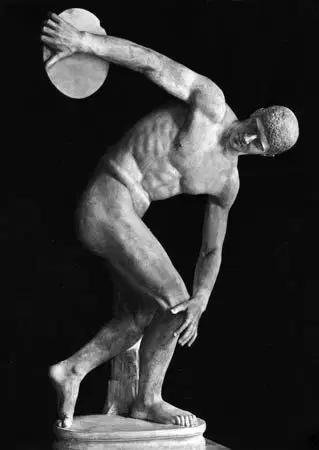
Myron, Discus Thrower is an example of a _______.
Portrait
Narrative
Genre
Figure

Twelve Views from a Thatched Hut is an example of a _________
Cityscape
Nonobjective
Abstract
Landscape

This Fernando Botero's work is an example of ____________
Genre
Social Comment
Literary Subjects
The Figure
_______________ refers to normal everyday activities of ordinary people.
Social Comment
Expression
Genre
Narrative
When personal emotion and feelings are added to a work of art is called ______________.
Abstraction
Expression
Nonobjective
Genre
_____________ is the most versatile drawing tool that dates back to the Roman Stylus.
Pencil
Charcoal
Ink
Pastel
______________is a dry material like colored chalk and is halfway between drawing and painting.
Pencil
Charcoal
Ink
Pastel
______ when applied undiluted, it makes a solid area; may be applied with a brush.
Pencil
Charcoal
Ink
Pastel
______________ can be compressed into sticks, can be wrapped into wood, and smudges easily.
Pencil
Charcoal
Ink
Pastel
The first _______ was made from charred twigs of willows or vines, now it is made from burning of hardwoods.
pencil
charcoal
ink
pastel
____________ were first made popular in Western Europe in 1720, had advantage of not having odor of turpentine/varnishes and less time for sitters of portraits.
Pencil
Charcoal
Ink
Pastels
____________ is a type of paint that is similar to poster paint.
Fresco
Tempera
Watercolor
Acrylic
_______ is one of the latest painting media to be developed that was begun by Picasso and Braque.
Fresco
Tempera
Acrylic
Collage
_____________ dominated the history of European Art, popular when more time was needed for larger surfaces.
Fresco
Tempera
Oil
Watercolor
_____________ and casein paints are opaque watercolors; some prefer these for excellent covering characteristics
Fresco
Tempera
Oil
Gouache
________________ used since ancient Egypt, recently became a major painting medium, originally a sketching medium before oil.
Fresco
Tempera
Oil
Watercolor
__________created in the last half of the 20th century, became one of the most popular media.
Fresco
Tempera
Acrylic
Collage
________________ is one of the oldest painting media, have been used in many parts of the world to decorate walls and ceilings.
Fresco
Tempera
Oil
Collage
The binding agent in ______________ is a gum arabic, a water-soluble adhesive.
Fresco
Tempera
Watercolor
Acrylic
___________ is first covered with a coat of rough plaster, which is allowed to dry.
Fresco
Tempera
Oil
Acrylic
______ originally used egg yolk as the binding agent.
Fresco
Tempera
Oil
Acrylic
_______ uses polymer emulsions instead on natural binders, can adhere pigments to almost any surface.
Fresco
Tempera
Oil
Acrylic
________________ can be bound to canvas or wood by using linseed or poppy.
Fresco
Tempera
Oil
Watercolor

The Sistine Chapel Ceiling is an example of ______ painting.
Fresco
Tempera
Oil
Acrylic
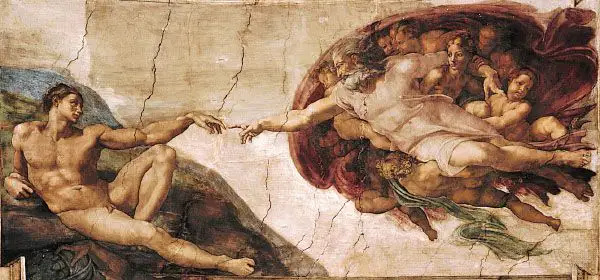
The Sistine Chapel Ceiling was created by ______
Leonardo da Vinci
Michelangelo
Raphael
Donatello
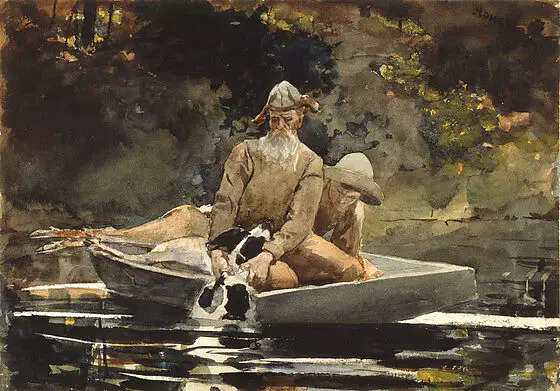
Watercolor became a major painting medium due to ______________. This American Artist used them as finished works instead of sketches.
Pablo Picasso
George Braque
Mary Cassat
Winslow Homer
_________ began as a way to furnish art to the masses at a reasonable price.
Drawing
Painting
Printmaking
Sculpture
_____is a relief printmaking medium similar to woodcut and uses cutting tools and linoleum.
Woodcut
Intaglio
Linocut
Lithograph
__________________ the newest of printmaking which is also known as silkscreen printing.
Woodcut
Intaglio
Serigraph
lithograph
_____________ is a relief print because the image on the wooden plate sticks up.
Woodcut
Intaglio
Linocut
Serigraph
____________ are made from lines or crevices on plates usually made from zinc or copper.
Woodcut
Intaglio
Linocut
Lithograph
______ appear textured, also known as stone writing.
Woodcut
Intaglio
Linocut
Lithograph
______ media artists work in a number of ways-cutting away, putting together, forming with hands, and producing from a mold.
Drawing
Painting
Sculpture
Printmaking
_____ is a very versatile material that can be cut, carved, nailed filed drilled, sanded and glued.
Bronze
Plastic
Wood
Steel

_____ can be polished or left rough and textured, such as the Lyre Player.
Bronze
Steel
Marble
Plastic
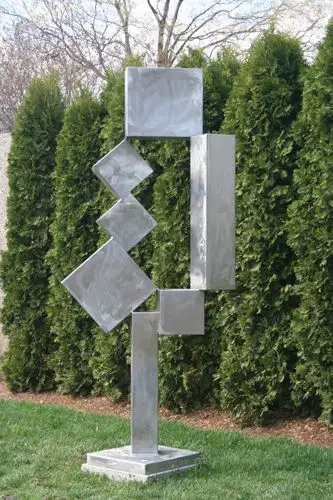
______ can be cut, welded, painted. polished or left to rust.
Bronze
Steel
Marble
Plastic
______ are found all over the world on floors, walls, ceilings, furniture and jewelry; made from pieces of glass, stones, pottery, marble or wood.
Fibers
Glass
Clay
Mosaics
______ tells us what the work says, the mood, time of year, literal or symbolic, how you feel.
Expressive Properties
Content
Formal Properties
Sensory Properties
_____ Determined by asking: Why did the artist make the work? What about the subject? What are the themes?
Content
Sensory Propertes
Formal Properties
Expressive Properties
______ are the principles of art.
Content
Sensory Properties
Formal Properties
Expressive Properties
_______ are the basic elements.
Content
Sensory Properties
Formal Properties
Expressive Properties
_______ is 3-D and encloses space.
Line
Shape
Form
Space

______ the painting is created to look like texture but is actually smooth.
Shape
Actual Texture
Simulated Texture
Perspective
_____ can be thick, thin, 2-d or 3-d, curved, vertical, horizontal, etc.
Line
Shape
Form
Color
________ is a phase of art that is also a science.
Value
Color
Form
Space
_______ is an evenly distribution of visual weight or activity on each side of the central axis.
Symmetrical
Approximate Symmetry
Asymmetrical
Radial
________ is a way of developing the main theme in a work of art, could be an element, subject or concept.
Unity
Emphasis
Contrast
Pattern
_______ directs the eyes of the viewer to the center of the interests that be be on 2-d or 3-d art.
Contrast
Pattern
Movement
Unity
_____________ works with aerial perspective, linear perspective, and overlapping.
Space
Texture
Balance
Unity
All cultures have produced art with the following commonality (ies):
geometric patterns
animal designs
human figures
all answers
Roman artists copied Greek sculptors and techniques. Japanese artists captured Korean potters to produce tea ceremony items. These examples are known as ________.
Cross-Cultural Influence
Common Denominators
Formal Properties
Cooperative Learning
Features usually found in emotional art include:
active colorful interpretation of subject
cool analytical approach to subject
use of rules and emphasis
neat clean arrangements
Features usually found in classical/intellectual art includes:
a strong interests in nature
violent movement and distortion
clean arrangements and proper proportions
bright and vivid colors
Which of the artworks below show Romantic Emotional Expressive features?
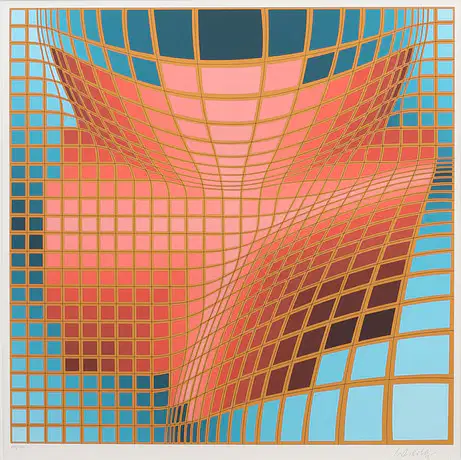
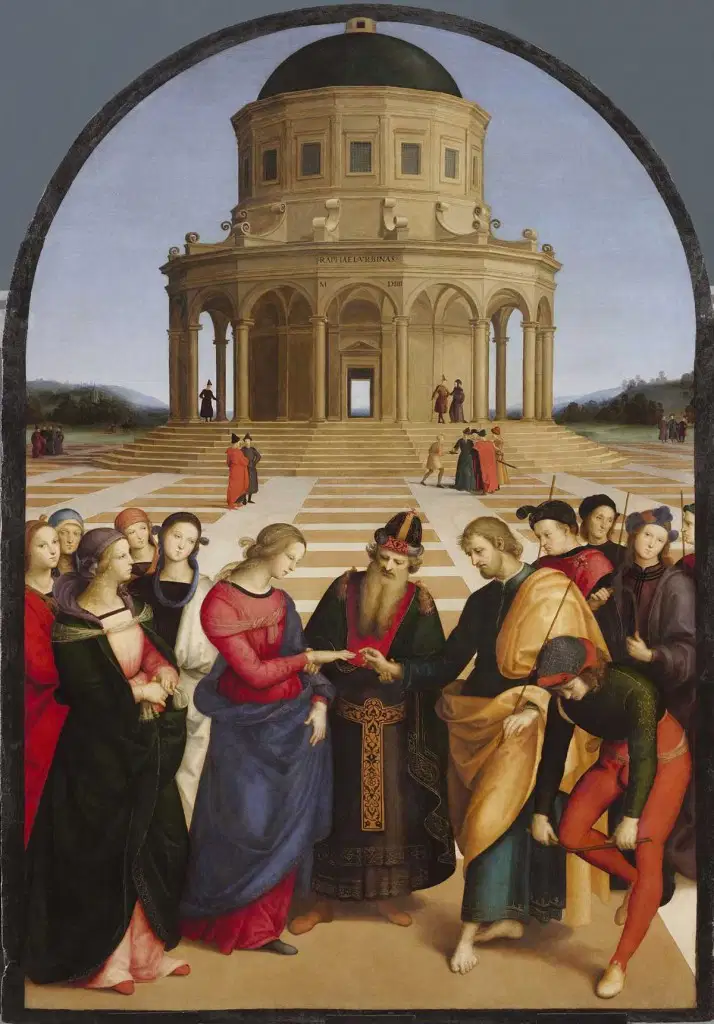


Which of the artworks below feature a Classical Intellectual approach?


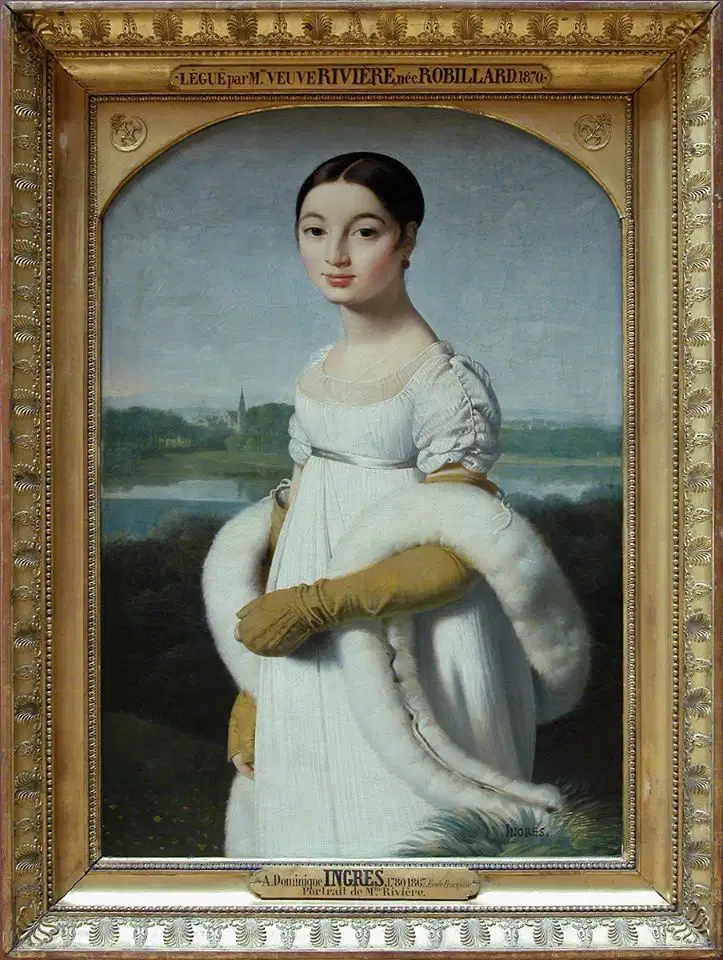
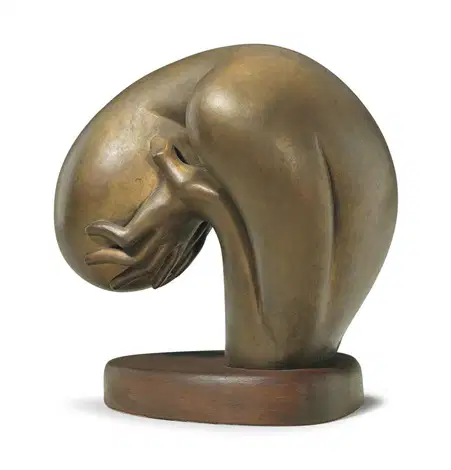
Accelerated transitions to communicate art is
slower today than in the past
nonexistent
has not changed
due to easier travel, computers, television, and books

