
Font size
 Worksheets
6th Ch-3 Separation of Substances
Total questions: 22
Worksheet time: 12mins

Choose a method of separation for the mixture bought by Aryan
Sieving
Handpicking
Threshing
Filtration

Ramaira wants to make low fat Lassi, which method shall she use for separating the fat?
Filtration
Sedimentation
Decantation
Churning

We can separate salt from water using filtration?
True
False

Choose the mixtures which cannot be separated by filtration
Cornflakes in milk
Sugar in Milk
Chocolate syrup in milk
Tea leaves from water
Which method is used to separate pebbles and stones from sand?
Threshing
Winnowing
Sieving
Filtration

Property which forms the basis of sieving
Difference in colour
Difference in weight
Difference in shape
Difference in Size

Identify the separation technique
Threshing
Winnowing
Sieving
Handpicking

Which method of separation can you observe in the picture?
Decantation
Evaporation
Sedimentation
Sieving

In absence of a strainer, which technique can be used to separate tea from tea leaves?
Threshing
Winnowing
Sedimentation-Decantation
Handpicking
you want to dissolve sugar in water, for preparing lemonade. will you add ice before or after adding sugar?
Sugar will be added before ice
Ice will be added before sugar
Sugar will not be dissolved in water
Ice will change the flavour
Sugar can be separated from water using which of the following techniques?
Sedimentation
Handpicking
Evaporation
Churning
Mixture of of salt, sand, oil and water is given ,which of these sequence can be used to separate salt
Decantation -> Filtration -> Evaporation
Filtration -> Evaporation -> Condensation
Filtration -> boiling ->Decantation
Decantation -> Evaporation -> Handpicking
Oil and water can be separated from each other using which of the following techniques?
Sieving
Filtration
Sedimentation-decantation
Winnowing
Iron particles can be separated from the mixture by:
Magnet
Sedimentation
Evaporation
Decantation
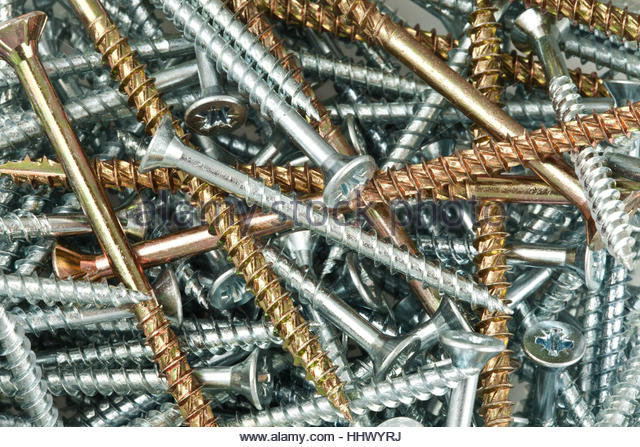

What separation technique does the picture show?
Sieving
filtering
magnetic separation
Distillation

When is the solution saturated?
No more salt can be dissolved in the amount of water we have taken
Lot more salt can be added
You have to add some sugar into the solution
None of the above
What is the purpose of Filtration?
Separating and insoluble solid from a liquid
Separation of a mixture of 2 solids
Separates heavier substances from a suspension

In ________ the stalks are beaten to free
the grain seeds.
Winnowing
Threshing
Sieving
Filtration

When the heavier component in a
mixture settles after water is added to
it, the process is called _______________.
Sedimentation
Decantation
Filtration
Winnowing

