
 Worksheets
Chapter 2.2 - Cells
Total questions: 28
Worksheet time: 56mins
Name
Class
Date
1.
a process that requires energy to move against a concentration gradient, from an area of lower concentration to one of higher concentration
a)
Centrioles
b)
Active Transport
c)
Citric Acid Cycle
d)
Passive Transport
2.
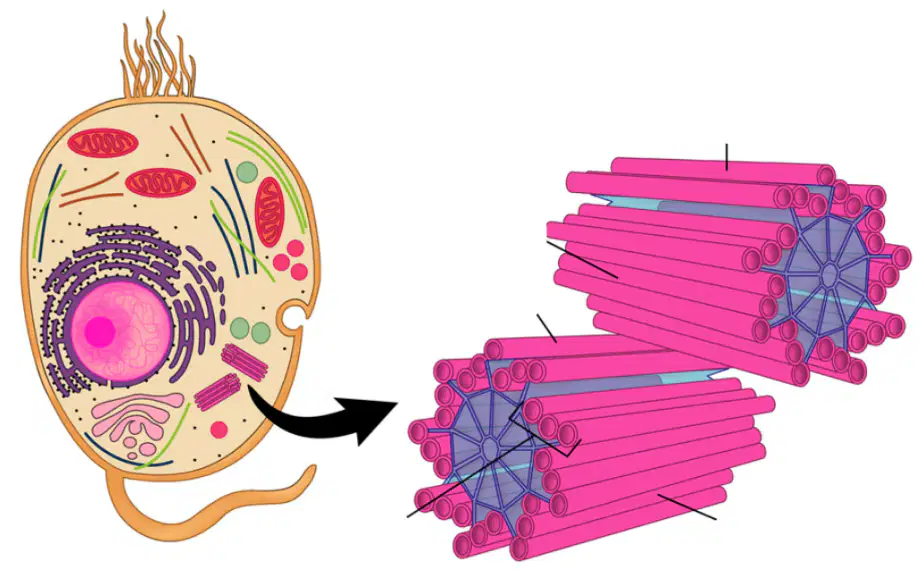
short cylinders made of nine triplets of parallel microtubules
a)
Centrioles
b)
Channel Proteins
c)
Citric Acid Cycle
d)
Cytoplasm
3.
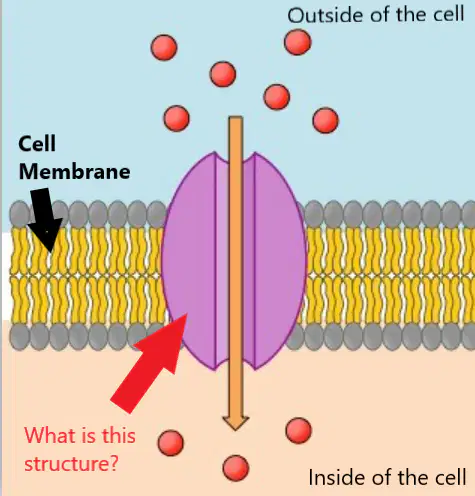
molecules with a hollow central pore that allows water or small, charged particles of certain substances to pass into or out of the cells
a)
Cilia
b)
Channel Proteins
c)
Cytokinesis
d)
Golgi apparatus
4.
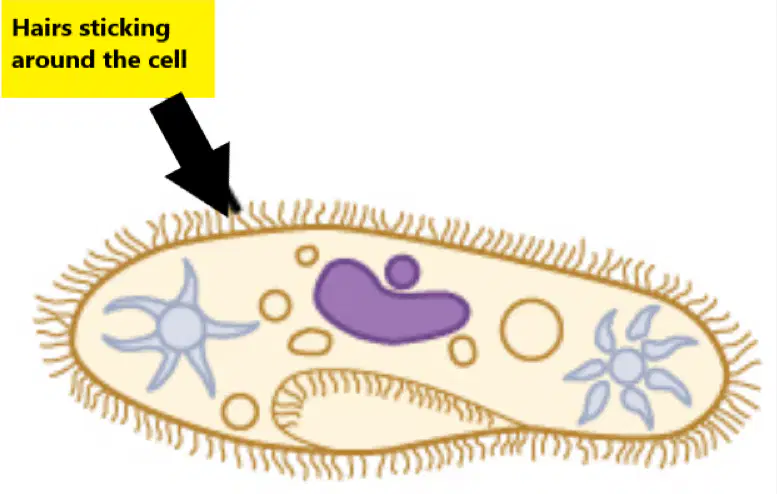
hair-like projections that actively flex back and forth to move fluid or mucus across the outside of a cell
a)
Microvilli
b)
cilia
c)
Cytoskeleton
d)
Mitochondria
5.
a chain of reactions, catalyzed by enzymes in the mitochondrial matrix, in which pyruvate is broken down into individual carbon atoms, which combine with oxygen molecules to make CO 2
a)
Citric Acid Cycle
b)
Codon
c)
Ribosomes
d)
Mitosis
6.
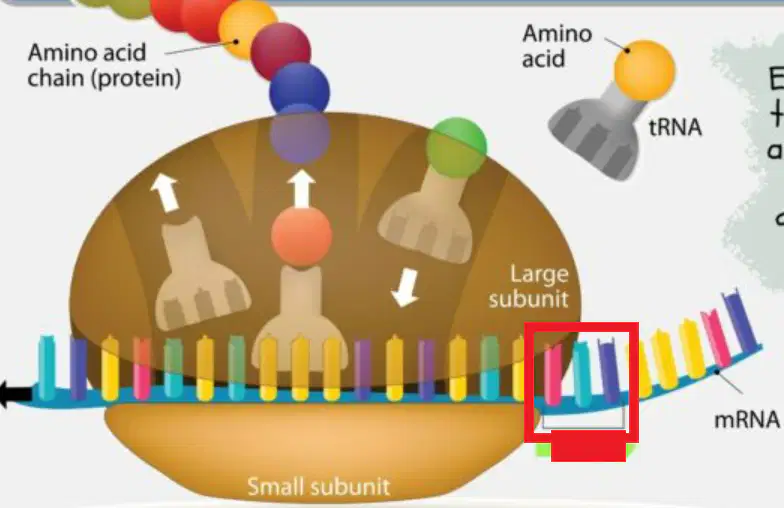
a set of three bases in DNA or RNA that codes for one amino acid
a)
codon
b)
Nucleus
c)
Microvilli
d)
Glycoproteins
7.
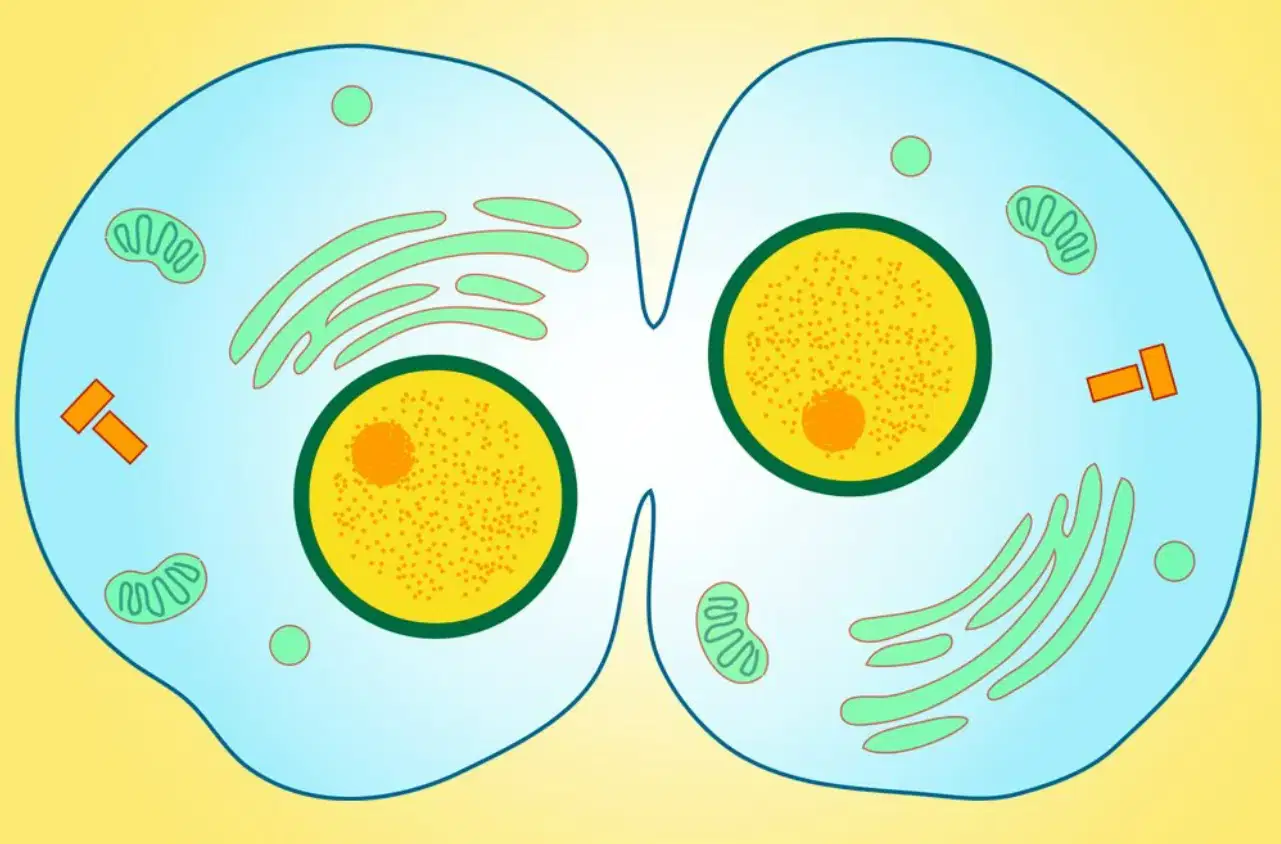
division of the cytoplasm during cell division
a)
Cytokinesis
b)
Cytoskeleton
c)
Cytoplasm
d)
Passive Transport
8.
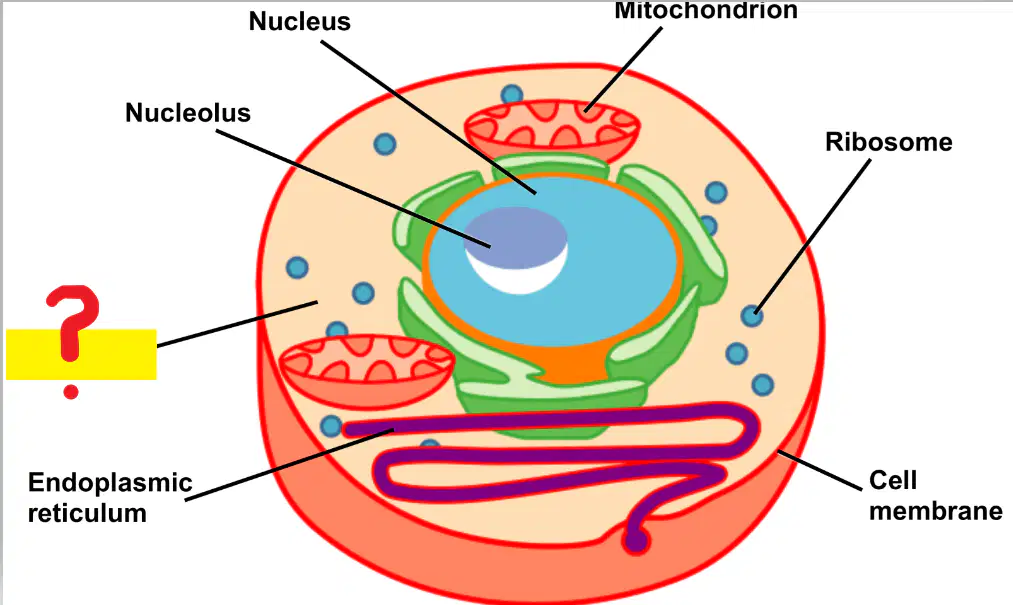
The part of the cell that contains all of the organelles inside the cell membrane except the nucleus
a)
Cytokinesis
b)
Cytoplasm
c)
Diffusion
d)
Endoplasmic Reticulum
9.
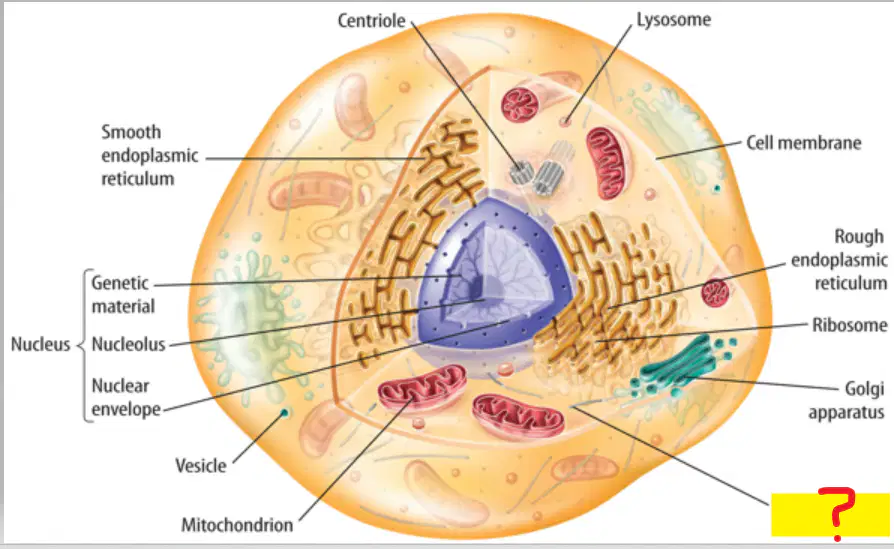
a network of proteins that defines the shape of a cell and gives it mechanical strength
a)
Endocytosis
b)
Cytoskeleton
c)
Microvilli
d)
Glycosis
10.
the movement of material from a place where it is concentrated to a place where it is less concentrated
a)
Active Transport
b)
Transfer RNA (tRNA)
c)
Glycolysis
d)
Diffusion
11.
process in which a region of a cell membrane forms a pocket into the cell and then pinches off to form a membrane-bound sac, or vesicle, inside the cytoplasm
a)
Extracellular Matrix
b)
Endocytosis
c)
Endoplasmic Reticulum (ER)
d)
Exocytosis
12.
A network inside the cytoplasm made up of membranes
a)
Cytoplasm
b)
Centrioles
c)
Endoplasmic Reticulum (ER)
d)
Mitochondria
13.
process in which a small, membrane-bound vesicle in the cytoplasm fuses with the cell’s membrane to export molecules that were inside the vesicle to the outside
a)
Codon
b)
Ribosomes
c)
Endocytosis
d)
Exocytosis
14.
a liquid made of mainly water that surrounds a cell
a)
Glycolysis
b)
Ribosomes
c)
Cilia
d)
Extracellular Fluid
15.
A solid or gel-like substance that surround a cell
a)
Extracellular Matrix
b)
Messenger RNA (mRNA)
c)
Glycoproteins
d)
Mitosis
16.
The breaking down of a glucose molecule forming pyruvate molecules
a)
Channel Proteins
b)
Glycolysis
c)
Nucleus
d)
Microvilli
17.
Proteins that have carbohydrate groups attached to them
a)
Cytokinesis
b)
Passive Transport
c)
Centrioles
d)
Glycoproteins
18.
Set of membranous discs in the cytoplasm
a)
Endoplasmic Reticulum (ER)
b)
Nucleus
c)
Channel Proteins
d)
Golgi apparatus
19.
a single-strand RNA molecule thats base sequence delivers information required by ribosomes to create protein
a)
Transfer RNA
b)
Messenger RNA (mRNA)
c)
Diffusion
d)
Citric Acid Cycle
20.
Finger-like extensions that enlarge the surface area within a cell
a)
Mitosis
b)
Microvilli
c)
Mitochondria
d)
Cytoplasm
21.
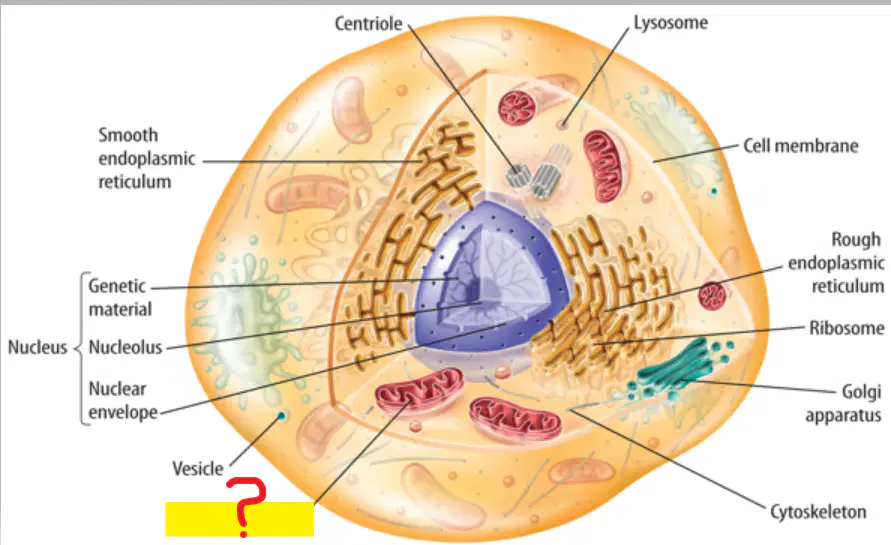
Organelles located inside the cytoplasm that create ATP
a)
Cytokinesis
b)
Ribosomes
c)
Mitochondria
d)
Channel Proteins
22.
the division of a cell nucleus and chromosomes into two nuclei, each with its own set of identical chromosome
a)
Codon
b)
Mitosis
c)
Passive Transport
d)
Centrioles
23.
A round/oval shaped mass of protoplasm inside the cytoplasm of a cell containing the cell’s DNA and is bounded by a membrane
a)
Mitochondria
b)
Nucleus
c)
Glycolysis
d)
Endoplasmic Reticulum
24.
A method of transportation not requiring energy
a)
Passive Transport
b)
Active Transport
c)
Ribosomes
d)
Transcription
25.
very large enzymes that make polypeptide
a)
Transcription
b)
Ribosomes
c)
Cytoplasm
d)
Endocytosis
26.
the production of RNA from DNA
a)
Glycoproteins
b)
Transcription
c)
Cytokinesis
d)
Cytoplasm
27.
a molecule that binds to the mRNA-ribosome complex and helps assemble amino acids into polypeptide
a)
Transcription
b)
Mitosis
c)
Transfer RNA (tRNA)
d)
Cilia
28.
the membrane that defines the outer shell of a cell
a)
plasma membrane
b)
Nucleus
c)
mitochondria
d)
Cilia
100 %

