
 Worksheets
ENGLISH QUIZ
Total questions: 29
Worksheet time: 22mins
1. Complete the telephone conversation between two friends.
Rose: “I have an appointment today."
Jasmine: .............................................
“With whom is it?”
“What time is it?”
“Why? What happened?”
Rose: “I am meeting a doctor.”
Jasmine: ......................................
“With whom is it?”
“What time is it?”
“Why? What happened?”
Rose : At 10 O’ clock.
Jasmine: ………………………….
“With whom is it?”
“What time is it?”
“Why? What happened?”
Read the text below. Then use the information in the text to answer the questions.
Have you ever lost your voice? Then you’ll know how important speaking is for us, because it’s the main way that humans communicate with each other. How do we speak? When we speak, we push air from our lungs inside our body past the vocal chords in our throat. Vocal chords are like the strings of a violin. The air from our lungs makes the vocal chords move. Then the air reaches our mouth. When we speak and sing, three things help us to control the sound of our voice: first, the speed of the air from our lungs; second, the shape of our mouth; third, the position of our tongue. The air comes out of our mouths as sound waves. These waves are measured in hertz (Hz). Human voices are about 1,000 Hz. How do animals use sound? Animals use a range of sounds to communicate with each other. For example, howler monkeys make some of the loudest sounds in the animal world. You can hear their screams – of around 6,000 Hz – up to 16 kilometres away! They use their noses to blow out powerful blasts of air. Some of the lowest sounds are made by frogs. They can make surprisingly low croaks – as low as 50 Hz. They do this by blowing up their throats almost as big as they are!
What is the main way in which humans communicate?
Speaking
Listening
Reading
Writing
Have you ever lost your voice? Then you’ll know how important speaking is for us, because it’s the main way that humans communicate with each other. How do we speak? When we speak, we push air from our lungs inside our body past the vocal chords in our throat. Vocal chords are like the strings of a violin. The air from our lungs makes the vocal chords move. Then the air reaches our mouth. When we speak and sing, three things help us to control the sound of our voice: first, the speed of the air from our lungs; second, the shape of our mouth; third, the position of our tongue. The air comes out of our mouths as sound waves. These waves are measured in hertz (Hz). Human voices are about 1,000 Hz. How do animals use sound? Animals use a range of sounds to communicate with each other. For example, howler monkeys make some of the loudest sounds in the animal world. You can hear their screams – of around 6,000 Hz – up to 16 kilometres away! They use their noses to blow out powerful blasts of air. Some of the lowest sounds are made by frogs. They can make surprisingly low croaks – as low as 50 Hz. They do this by blowing up their throats almost as big as they are!
The writer names different parts of the human body that make sound. Add to this list one more part of the human body that is in the text and is used for speech.
lungs, vocal chords, throat, mouth, (a)
Have you ever lost your voice? Then you’ll know how important speaking is for us, because it’s the main way that humans communicate with each other. How do we speak? When we speak, we push air from our lungs inside our body past the vocal chords in our throat. Vocal chords are like the strings of a violin. The air from our lungs makes the vocal chords move. Then the air reaches our mouth. When we speak and sing, three things help us to control the sound of our voice: first, the speed of the air from our lungs; second, the shape of our mouth; third, the position of our tongue. The air comes out of our mouths as sound waves. These waves are measured in hertz (Hz). Human voices are about 1,000 Hz. How do animals use sound? Animals use a range of sounds to communicate with each other. For example, howler monkeys make some of the loudest sounds in the animal world. You can hear their screams – of around 6,000 Hz – up to 16 kilometres away! They use their noses to blow out powerful blasts of air. Some of the lowest sounds are made by frogs. They can make surprisingly low croaks – as low as 50 Hz. They do this by blowing up their throats almost as big as they are!
Look at the whole text Sound. Tick (✔) the sentence which tells us what the text Sound is about.
It’s about how our lungs work.
It’s about how loud animals are
It’s about different ways of making music.
It’s about how humans and animals make sound
Have you ever lost your voice? Then you’ll know how important speaking is for us, because it’s the main way that humans communicate with each other. How do we speak? When we speak, we push air from our lungs inside our body past the vocal chords in our throat. Vocal chords are like the strings of a violin. The air from our lungs makes the vocal chords move. Then the air reaches our mouth. When we speak and sing, three things help us to control the sound of our voice: first, the speed of the air from our lungs; second, the shape of our mouth; third, the position of our tongue. The air comes out of our mouths as sound waves. These waves are measured in hertz (Hz). Human voices are about 1,000 Hz. How do animals use sound? Animals use a range of sounds to communicate with each other. For example, howler monkeys make some of the loudest sounds in the animal world. You can hear their screams – of around 6,000 Hz – up to 16 kilometres away! They use their noses to blow out powerful blasts of air. Some of the lowest sounds are made by frogs. They can make surprisingly low croaks – as low as 50 Hz. They do this by blowing up their throats almost as big as they are!
Which animal uses its nose to make loud sounds?
(a)
Read the story and then answer the questions.
Just then, a little rabbit hopped by. ‘Please, where can I get a drink?’ asked Rosie. ‘In the stream, of course!’ replied the rabbit, staring at this large, strange bird. Rosie jumped in the stream and had a long drink. It started to snow. Rosie wandered about looking for somewhere to shelter; then she saw a barn. ‘Ah, nice big doors. I’ll go in there.’ There were several hens there and when they saw Rosie – what a commotion! ‘That’s the biggest hen I’ve ever seen,’ clucked one of them, flapping about. ‘She’ll be the boss for sure!’ added another. They flew about in a panic, but Rosie settled down in the straw and the hens slowly became used to her. After a while, the farmer drove up in a tractor and looked into the barn. Rosie sprang up in a fright and sped out of the barn. The hens clucked loudly.
‘Hey, come back here,’ yelled the farmer. There might be a nice reward for capturing such a handsome ostrich, and wouldn’t his wife like some of those feathers for a hat!
Circle a verb from below that the writer could have used instead of ‘sprang’.
Carried
fell
jumped
moved
Just then, a little rabbit hopped by. ‘Please, where can I get a drink?’ asked Rosie. ‘In the stream, of course!’ replied the rabbit, staring at this large, strange bird. Rosie jumped in the stream and had a long drink. It started to snow. Rosie wandered about looking for somewhere to shelter; then she saw a barn. ‘Ah, nice big doors. I’ll go in there.’ There were several hens there and when they saw Rosie – what a commotion! ‘That’s the biggest hen I’ve ever seen,’ clucked one of them, flapping about. ‘She’ll be the boss for sure!’ added another. They flew about in a panic, but Rosie settled down in the straw and the hens slowly became used to her. After a while, the farmer drove up in a tractor and looked into the barn. Rosie sprang up in a fright and sped out of the barn. The hens clucked loudly.
‘Hey, come back here,’ yelled the farmer. There might be a nice reward for capturing such a handsome ostrich, and wouldn’t his wife like some of those feathers for a hat!
Here are some verbs from the story. Which two describe the way that the people or animals spoke? Tick (✔) two boxes.
clucked
hopped
yelled
loved
How many articles are there?
(a)

What part of speech is the underlined word?
What did she ask you to do?
Adverb
Conjunction
Pronoun
Noun
Select the common noun from the options below.
Ball
Mickey mouse
Intelligence
Swarm of bees

Chair
Glow
She
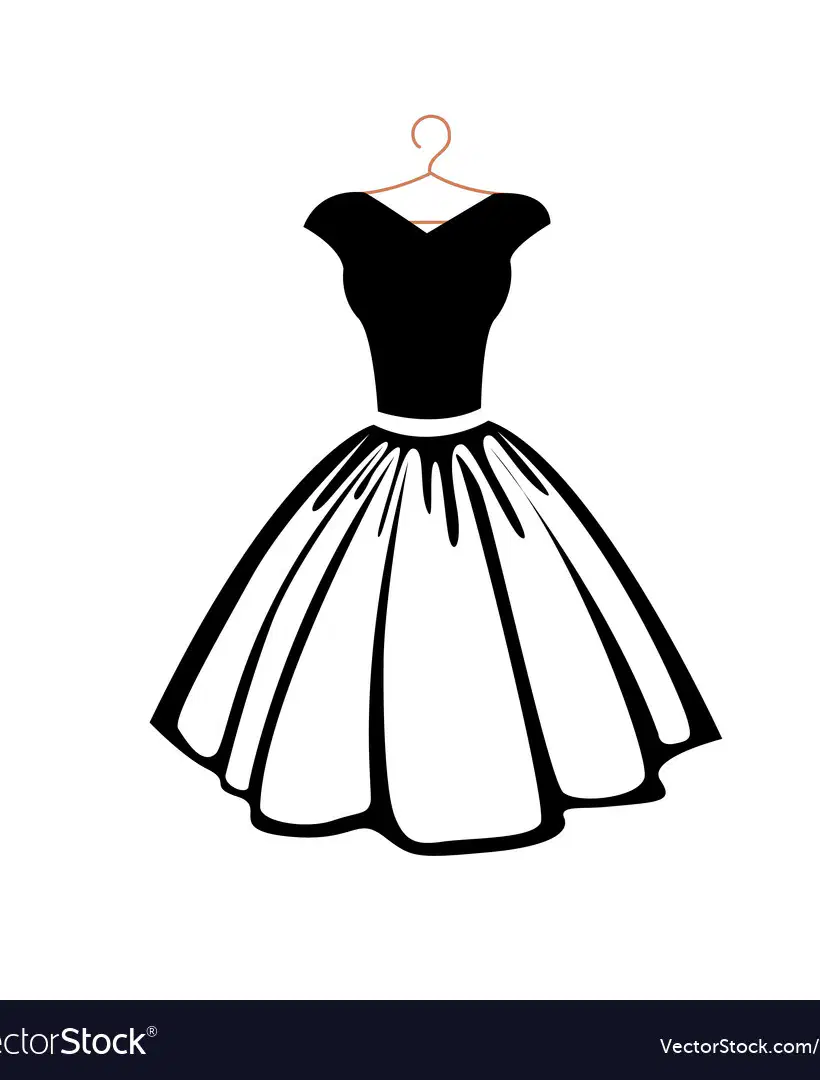
What part of speech is the underlined word?
I bought a beautiful dress.
Noun
Adjective
Verb
Preposition
Choose the word from the Word Bank that best completes each sentence. Write the word on the line.
1. Our family does a ………………………………………. cleaning job every spring.
deny
quote
theme
complaint
thorough
complaint
(a)
Q. “Dad and I don’t want to hear one…………………………………….,” said Mom.
deny
quote
theme
complaint
thorough
complaint
(a)
I won’t ……………………………………… the fact that I don’t like housework.
deny
quote
theme
complaint
thorough
complaint
(a)
Change the sentence in (a, b) from the past to the future.
a. Dave travelled to Dover for a meeting.
Change the sentence in (a, b) from the past to the future.
a. We trained for the match.

Check the right sentence.
She work in the office.
She don´t work in the office.
She works in the office.
He _____ arrive on time.
will
not
is
We _____ get there until after dark.
will am
won't
will'nt
Name the three types of tenses?
declerative, affermative, Imperative
past , present , future
What is the antonym (opposite) of add?
sum
gain
multiply
subtract
The local fair ................ the same day every year.
opens
every
local
fair
We ...................... food at the fair.
We
bought
food
at the

Tamara and her sister were both born in Mexico.
RIGHT
WRONG
DOESN'T SAY
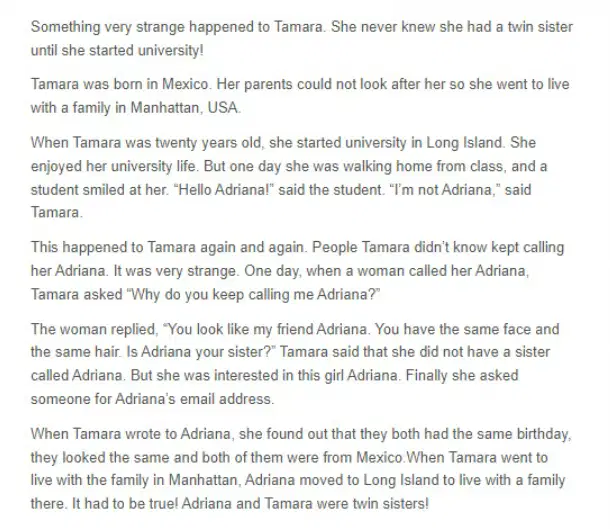
Tamara's parents moved from Mexico to Manhattan.
RIGHT
WRONG
DOESN'T SAY
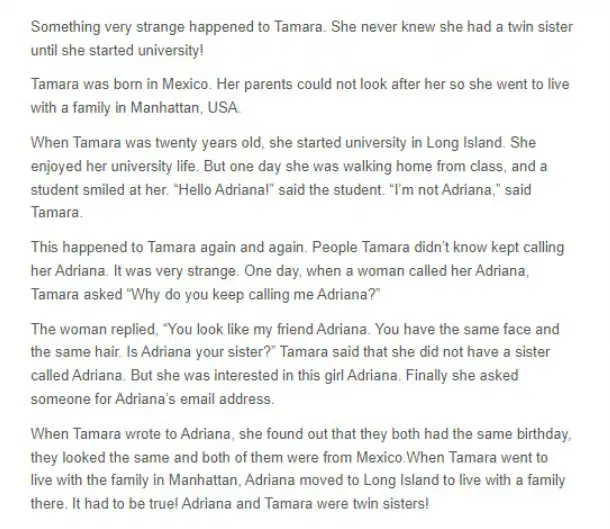
Adriana wrote to Tamara first.
RIGHT
WRONG
DOESN'T

