
 Worksheets
Med Term - Ch. 1 Test (26-27)
Total questions: 48
Worksheet time: 42mins
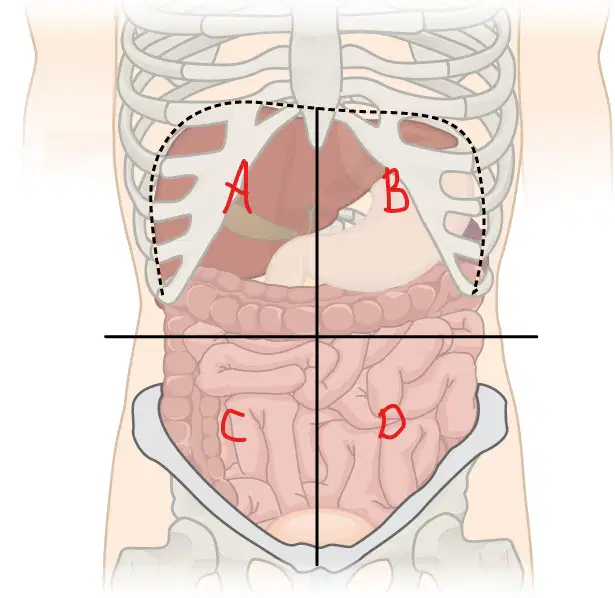
Match the following abdominopelvic quadrants
A
right upper quadrant
B
left upper quadrant
C
right lower quadrant
D
left lower quadrant

Match the following body planes
1
transverse
2
frontal (coronal)
3
midsagittal
The central (main) part of a medical word is known as the ______
The central (main) part of a medical word is known as the
root
a single letter or group of letters attached to the front of a root word
prefix
a single letter or group of letters attached to the end of a root word
suffix
Match:
The study of the structures of the body
anatomy
The study of the functions of the structures of the body
physiology
The study of disease and how it affects the body
pathophysiology
Anatomical position
This position is when the body is standing (a) , head and feet facing (b) , arms at (c) ,, and palms facing (d)
Which plane divides the body into top and bottom halves
transverse
midsagittal
frontal
anatomical position

Match:
3
superior
4
inferior
5
medial
6
lateral

Match:
1
anterior
2
posterior
5
medial
4
inferior
Ventral is the (a) of the body, while dorsal in the (b)
Proximal is ______ the point of origin
near
away
beside
behind
Distal is _____ from the point of origin
away
near
beside
in front
Body Positions
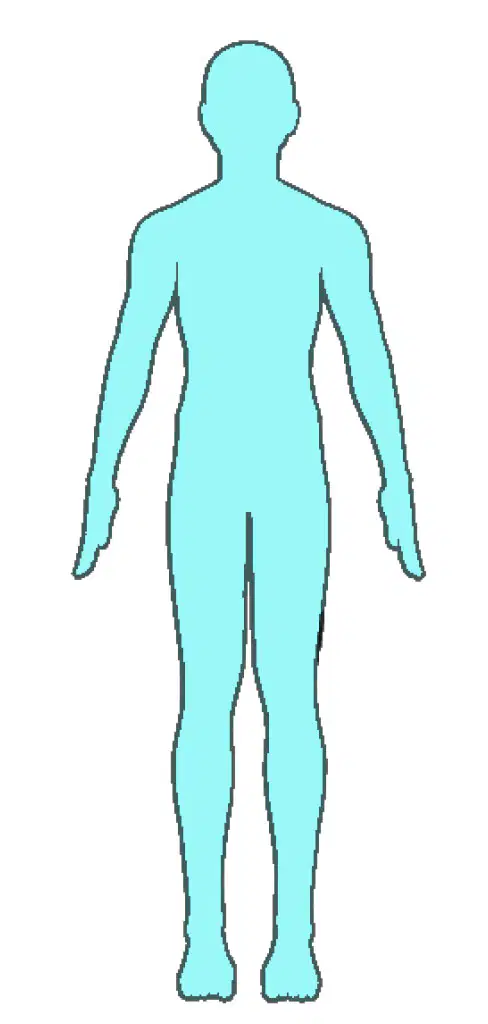
Standing upright
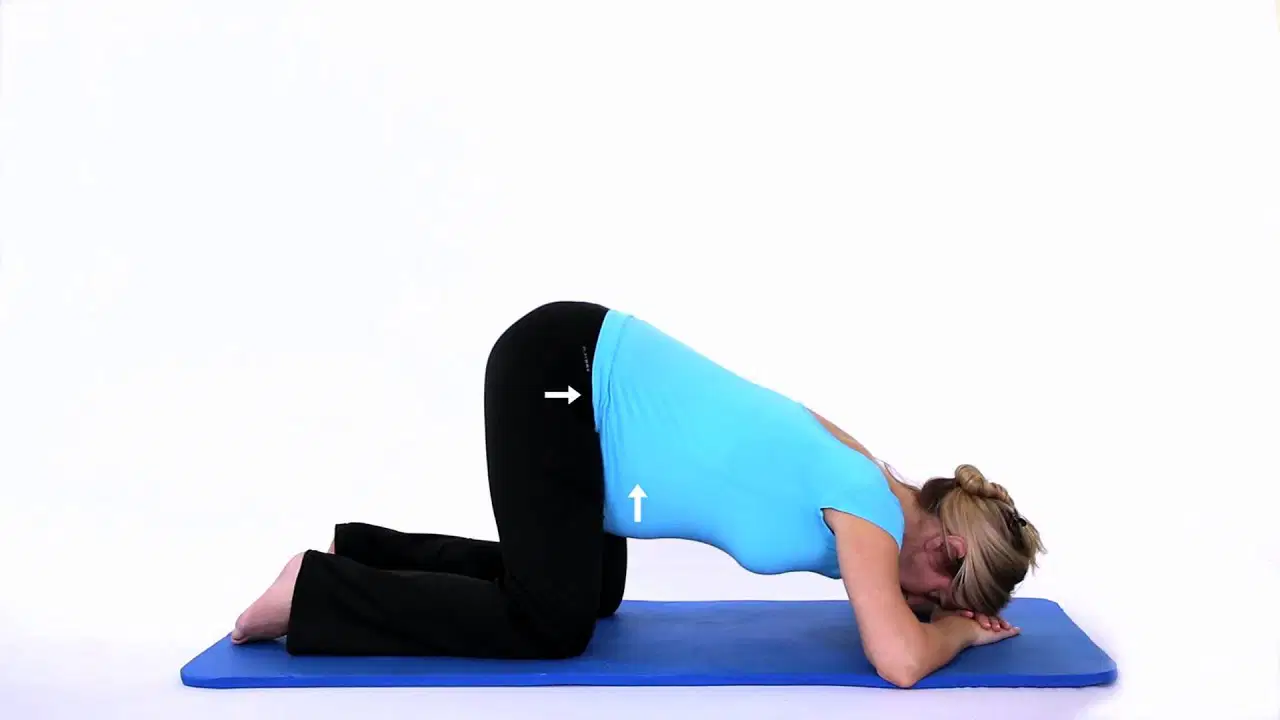
lying face down; knees bent

lying on side
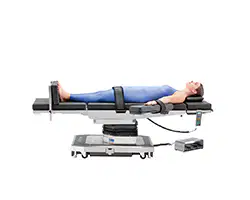
lying on back w/ face up
Body Positions
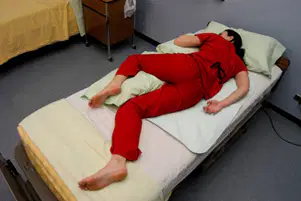
sims position
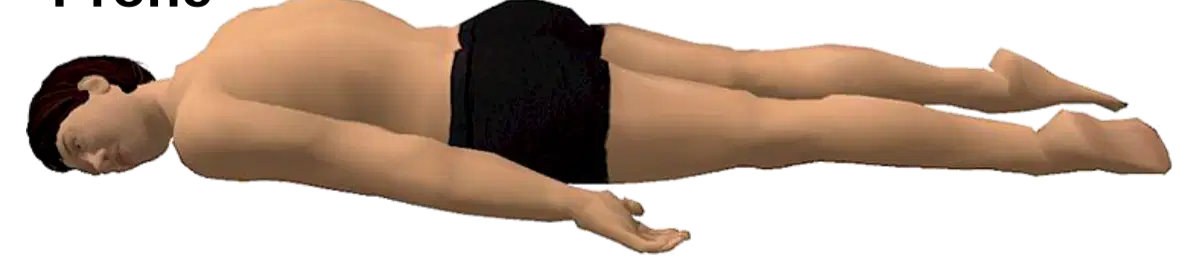
prone
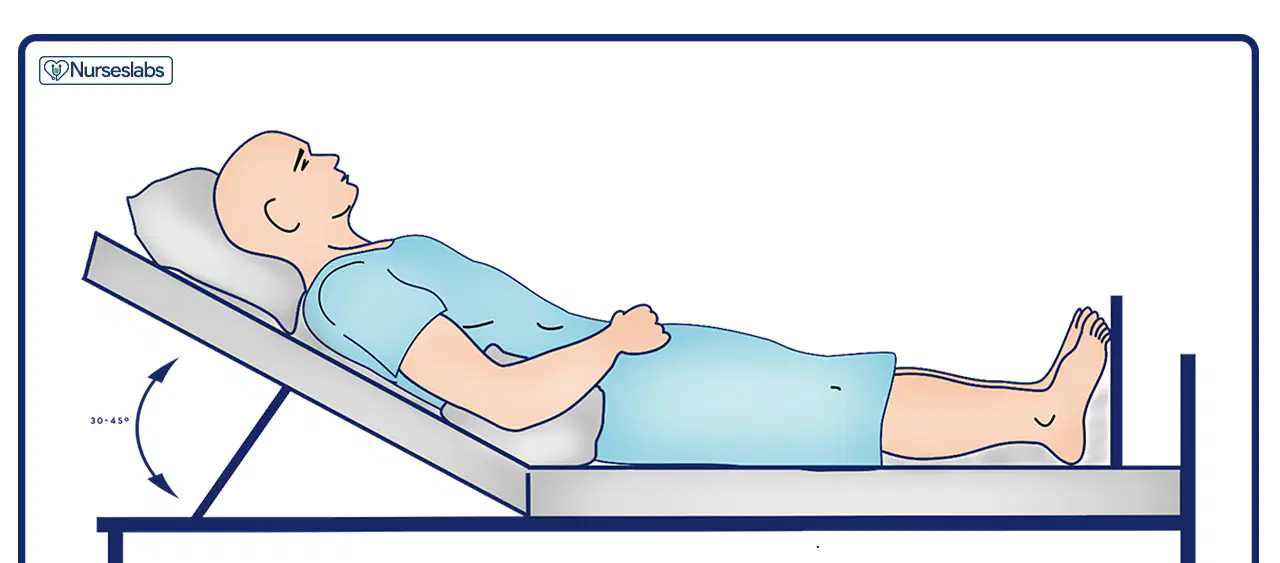
fowler's position
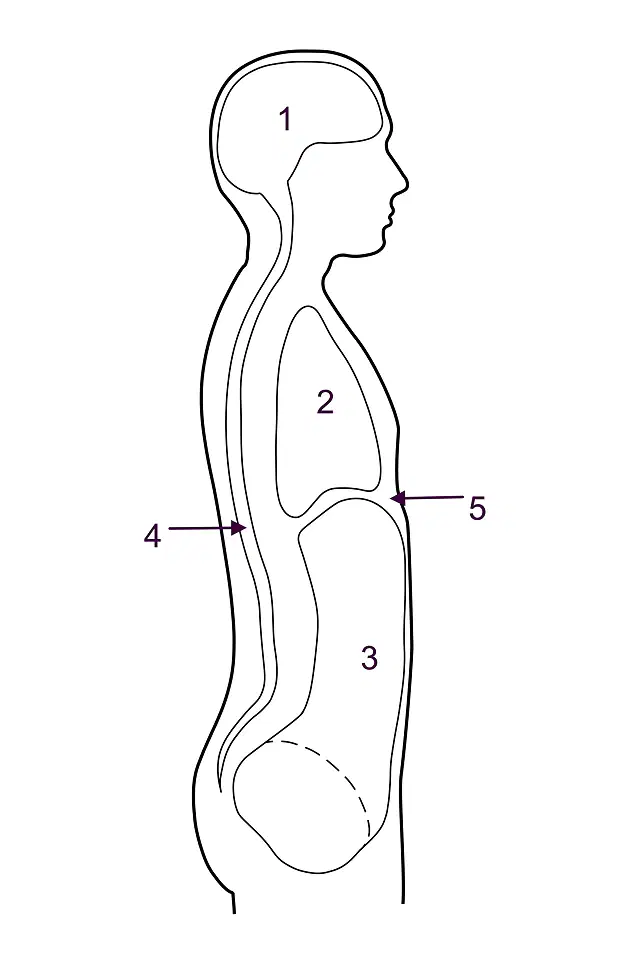
Match body cavities
1
cranial cavity
2
thoracic cavity
3
abdominal cavity
4
spinal cavity
Body Tissues Matching
contracts to produce bodily movement
muscle
supports/connects organs and body tissue
connective
receives/conducts electrochemical impulses
nervous
skin, organ linings, and some glands
epithelial
(a) are objective observations made by healthcare professionals, while (b) refers to a patient's awareness of abnormalities or discomfort.
Observation of one or more areas of the body
inspection
auscultation
observation
palpation
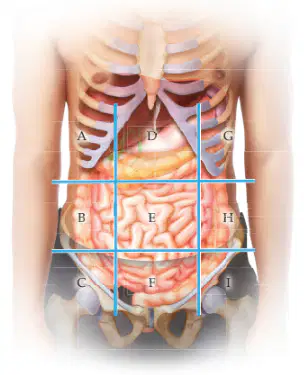
Match Regions
A
right hypochondriac region
B
right lumbar region
C
right iliac region
Match Regions
D
epigastric region
E
umbilical region
F
hypogastric region
Match Regions
G
left hypochondriac region
H
left lumbar region
I
left iliac region
Study of the structure and function of tissues
histology
cytology
pathology
anatomy
In the medical field, the abbreviation “abd” stands for:
abduction
abdomen
abnormal
abrasion
In the medical field, the abbreviation “CBC” stands for:
complete blood count
cardiac blood chemistry
central blood circulation
critical blood condition
In the medical field, the abbreviation “NKDA” stands for:
no known drug allergies
non-kidney disease assessment
normal kidney disease analysis
no known disease abnormalities
In the medical field, the abbreviation “NPO” stands for:
nothing by mouth
non-patient observation
no physical output
normal pulmonary operation
In the medical field, the abbreviation “ER” stands for:
emergency room
endoscopic repair
extended recovery
examination report
Use of the sense of smell to detect abnormalities
olfaction
percussion
palpation
observation
Tapping areas on the surface of the body to produce a vibrating sound
palpation
percussion
inspection
auscultation
Match body systems
protects the body by functioning as a physical barrier against microorganisms
integumentary system
pumps blood containing oxygen and nutrients throughout the body
cardiovascular system
transmits messages sensory stimuli to the brain
nervous system
filters blood and produces urine to remove waste
urinary system
breaks down food into nutrients for energy
digestive system
Body Systems
provides support and shape for the body; protects internal organs
skeletal system
allows voluntary and involuntary movement
muscular system
works with immune system to protect the body from infection
lymphatic system
produces hormones and regulates body functions
endocrine system
transports oxygen from the lungs to the body's tissues
respiratory system

