Wayground logo

Free Printable Worksheets

Font size

S
M
L
XL
Worksheets

Ecology Quiz 2

Total questions: 18

Worksheet time: 1hrs 16mins

Name
Class
Date
1.
Cattle egrets forage (feed) in fields among cattle. The egret gets easy access to flying insects stirred up by the cattle, and the cattle don't care if they are there or not.
a)
mutualism
b)
commensalism
c)
competition
d)
parasitism
2.
A relationship between two organisms in which one organism benefits and the other is unharmed...
a)
Mutualism 
b)
Competition
c)
Parasitsm 
d)
Commensalism 
3.
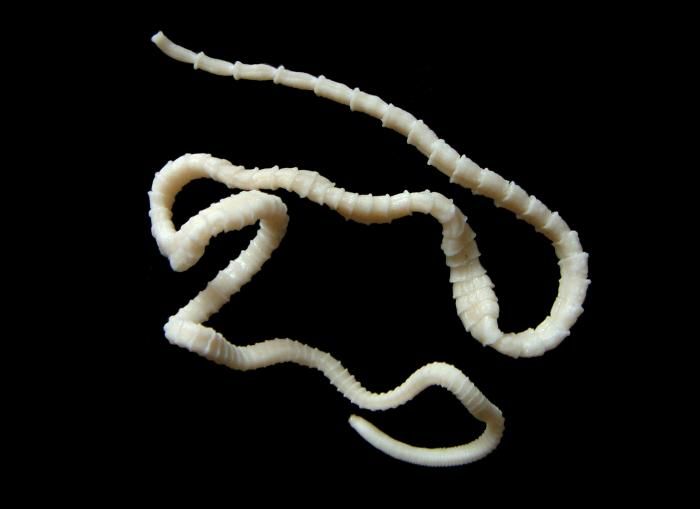
A tapeworm and a cat have this type of relationship.
a)
mutualism
b)
parasitism
c)
commensalism
d)
competition
4.
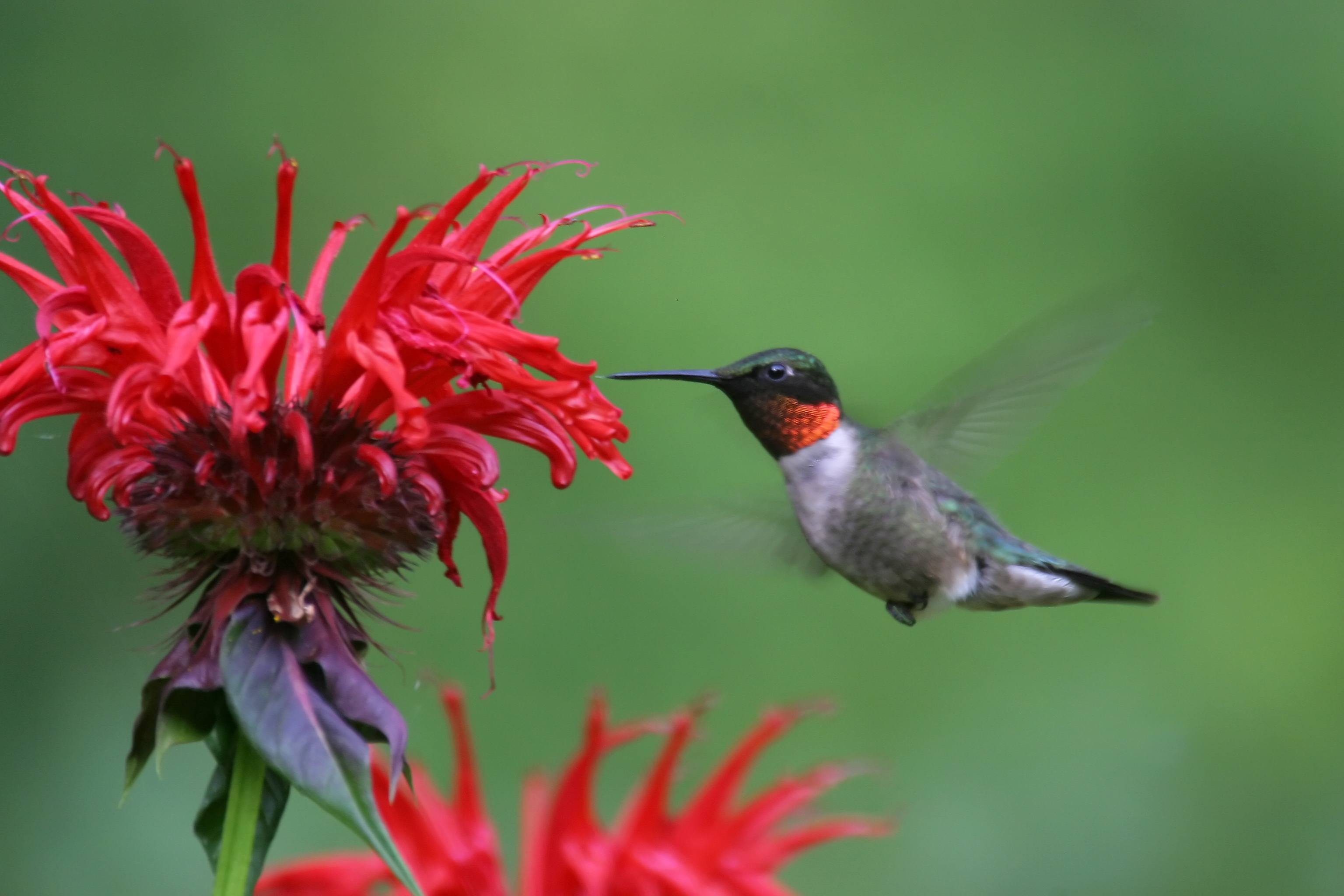
What type of symbiosis?  Hummingbirds feed on nectar from flowers.  The flowers are pollinated by hummingbirds as they move from flower to flower.
a)
commensalism
b)
mutualism
c)
parasitism
d)
predation
5.
A group of organisms of the same species living in the same area are called a/an ________.
a)
community
b)
habitat
c)
population
d)
ecosystem
6.
All of the living and nonliving things in an area that interact with each other are called a/an ______.
a)
community
b)
habitat
c)
population
d)
ecosystem
7.
What are the nonliving parts of the ecosystem? This includes temperature, water, sunlight, air, and soil.
a)
biotic factors
b)
communities
c)
abiotic factors
d)
microorganisms 
8.

An ecosystem thrives with biotic and abiotic components. An example of an abiotic part of an ecosystem is ______________.

a)

Bacteria

b)

Fungus

c)

Water

d)

Decaying plants

9.

What is a community?

a)

A habitat with abiotic factors

b)

A very small habitat

c)

All the abiotic factors in a specific area

d)

All the different populations that live together in an area

10.

Which of the following are all abiotic?

a)

Temperature, Light, Rain, Gravity, Heat

b)

Water, Fish, Insects, Lily Plants

c)

Dogs, Meat, Cats, Catnip

d)

Lion, Pride Rock, Warthog, Meerkat

11.

Which level of organization is depicted in this image?

a)

Population

b)

Community

c)

Ecosystem

d)

Biome

e)

Biosphere

12.

Which level of organization is depicted in this image?

a)

Population

b)

Community

c)

Ecosystem

d)

Biome

e)

Biosphere

13.

Which of the following organism above are considered "Heterotrophic"?

a)

Deer

b)

Fern Plant

c)

Apple Tree

d)

Owl

e)

Skunk

14.
From where do autotrophs obtain their energy?
a)
The sun
b)
Other organisms
15.

If the amount of food or resources available increases, the carrying capacity for an animal.....

a)

Stays the same

b)

Increases

c)

Decreases

d)

Fluctuates

16.

This is the largest number of individuals of a population that the environment can support...

a)

carrying capacity

b)

population crash

c)

lag phase

d)

mutualism

17.
If there is more food than usual in an ecosystem, then the population will mostly likely...
a)
stay the same
b)
decrease
c)
increase
d)
reach carrying capacity
18.
How will competition affect the carrying capacity of an ecosystem for the animal in competition?
a)
Decrease
b)
Increase
c)
Will show not affect
d)
Competition does not exist in nature