
 Worksheets
Unit 2 Vocabulary - American Revolution
Total questions: 36
Worksheet time: 18mins

American colonists in the cities encouraged local merchants to BOYCOTT British goods.
A nation formally cooperating with another nation, typically for a military purpose
An economic theory whose goal is building a state's wealth and power by increasing exports and accumulating precious metals in return
To refuse to buy items in order to show disapproval or force acceptance of one's terms
A person exercising power or control in a cruel, unreasonable way

Various laws passed by Britain’s PARLIAMENT were considered unfair restrictions on their freedom by many colonists.
The legislative body of the British government
A military force made up of ordinary citizens
An American colonist who remained loyal to Britain and opposed the war for independence
A nation formally cooperating with another nation, typically for a military purpose

Samuel Adams and the Sons of Liberty CONVENED in Boston, planning their next act of defiance.
Provide room or lodging to members of the military
To force onto others
To refuse to buy items in order to show disapproval or force acceptance of one's terms
Come together for a meeting; assemble

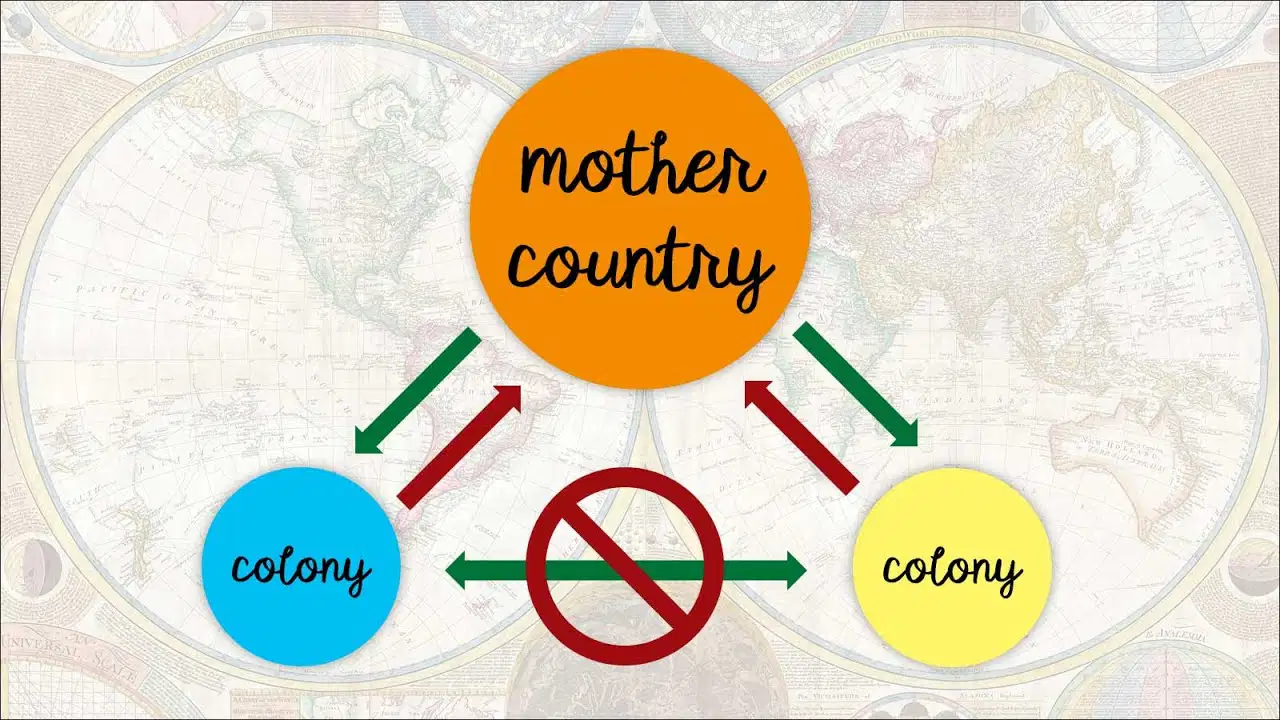
English parliament believed in the theory of MERCANTILISM, thinking it would be beneficial to both themselves and the colonies.
An economic theory whose goal is building a state's wealth and power by increasing exports and accumulating precious metals in return
Rights you have as a human, that cannot be taken away
A nation formally cooperating with another nation, typically for a military purpose
Formal complaints
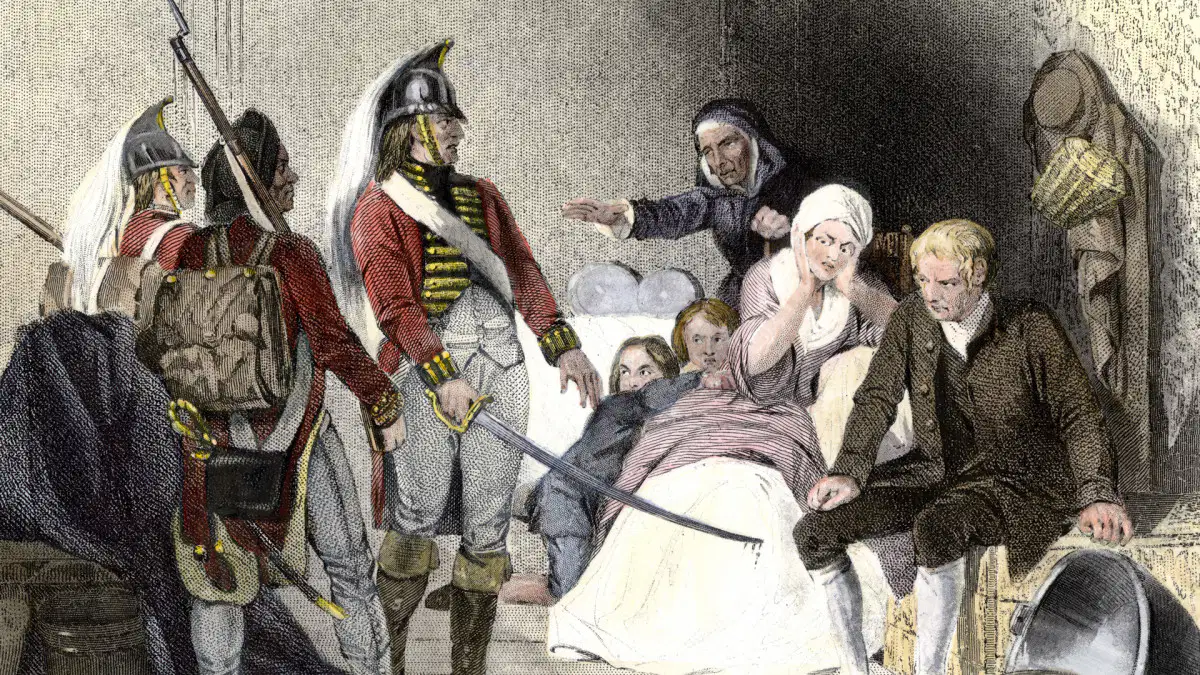
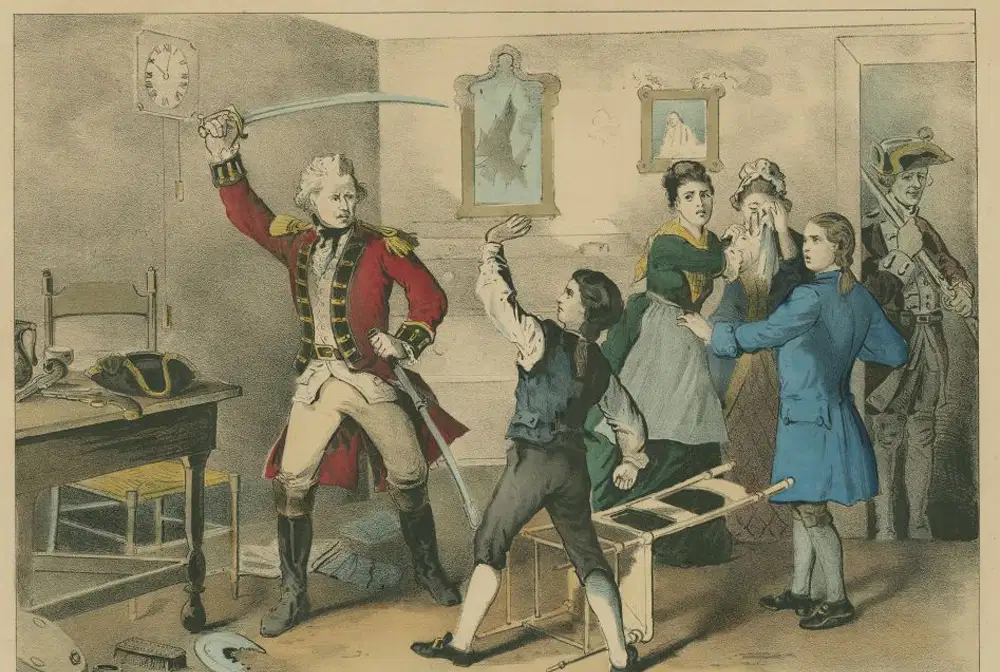
New York City residents were forced to QUARTER British soldiers in their homes during this time.
Come together for a meeting; assemble
Formal complaints
Provide room or lodging to members of the military
A person exercising power or control in a cruel, unreasonable way

George Washington led the MILITIA into French territory to force the French out of British territory.
The legislative body of the British government
A military force made up of ordinary citizens
An American colonist who favored American independence
An American colonist who remained loyal to Britain and opposed the war for independence

The Iroquois nation had to choose who would be their ALLY - the British or the French?
A person exercising power or control in a cruel, unreasonable way
The legislative body of the British government
An American colonist who remained loyal to Britain and opposed the war for independence
A nation formally cooperating with another nation, typically for a military purpose

In Boston, PATRIOTS started to gather weapons and stockpile supplies in the case of an invasion.
An American colonist who favored American independence
A person exercising power or control in a cruel, unreasonable way
A military force made up of ordinary citizens
An American colonist who remained loyal to Britain and opposed the war for independence
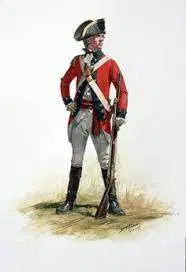
LOYALISTS quickly learned to keep to themselves to avoid gaining unwanted attention from war-hungary colonists
The legislative body of the British government
An American colonist who remained loyal to Britain and opposed the war for independence
An American colonist who favored American independence
A nation formally cooperating with another nation, typically for a military purpose
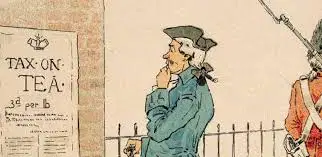
The GRIEVANCES against King George III ranged from unlawful imprisonment to unfair taxes to violating the colonists’ trust.
A measure to keep ships from entering or leaving a harbor
To refuse to buy items in order to show disapproval or force acceptance of one's terms
To force onto others
Formal complaints
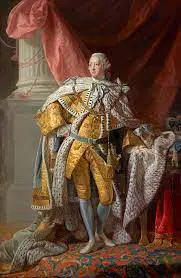
King George III’s behavior soon earned him the title of TYRANT among some groups.
An American colonist who remained loyal to Britain and opposed the war for independence
A military force made up of ordinary citizens
An American colonist who favored American independence
A person exercising power or control in a cruel, unreasonable way

Americans are blessed with UNALIENABLE RIGHTS simply for being human beings.
Rights you have as a human, that cannot be taken away
Provide room or lodging to members of the military
A measure to keep ships from entering or leaving a harbor
To refuse to buy items in order to show disapproval or force acceptance of one's terms

When Britain began IMPOSING various taxes and random restrictions on the colonists, their anger became more apparent.
To refuse to buy items in order to show disapproval or force acceptance of one's terms
A measure to keep ships from entering or leaving a harbor
Come together for a meeting; assemble
To force onto others
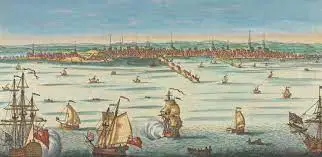
During the war, shipowners became experts at sneaking past the British BLOCKADES.
Formal complaints
A measure to keep ships from entering or leaving a harbor
A military force made up of ordinary citizens
Come together for a meeting; assemble

To refuse to buy items in order to show disapproval or force acceptance of one's terms
Patriot
Blockade
Grievances
Boycott
Come together for a meeting; assemble
Boycott
Convened
Quarter
Impose
An economic theory whose goal is building a state's wealth and power by increasing exports and decreasing imports
Mercantilism
Tyrant
Blockade
Parliament
Provide room or lodging to members of the military
Boycott
Quarter
Militia
Ally
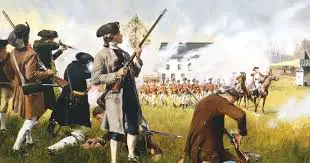
A military force made up of ordinary citizens
Boycott
Quarter
Militia
Patriot
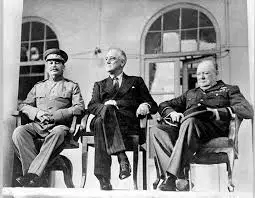
A nation formally cooperating with another nation, typically for a military purpose
Ally
Patriot
Loyalist
Tyrant
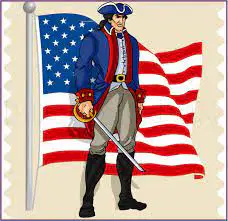
An American colonist who favored American independence
Patriot
Ally
Loyalist
Parliament
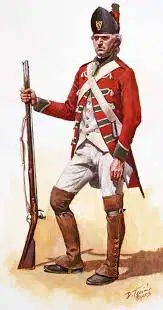
An American colonist who remained loyal to Britain and opposed the war for independence
Ally
Patriot
Loyalist
Tyrant
Formal complaints
Tyrant
Unalienable Rights
Grievances
Convened
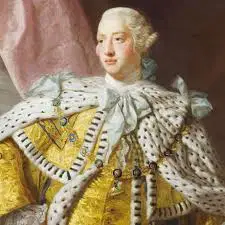
A person exercising power or control in a cruel, unreasonable way
Tyrant
Militia
Loyalist
Grievances
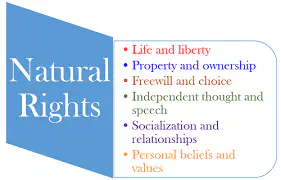
Rights you have as a human, that cannot be taken away
Grievances
Quarter
Mercantilism
Unalienable Rights
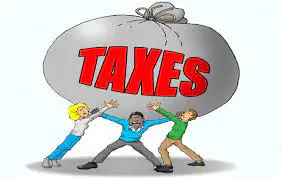
To force onto others
Blockade
Impose
Mercantilism
Quarter

A measure to keep ships from entering or leaving a harbor
Blockade
Impose
Boycott
Mercantilism
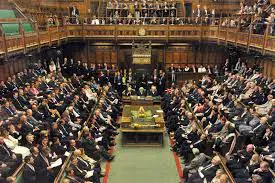
The legislative body of the British government
Parliament
Patriot
Loyalist
Ally
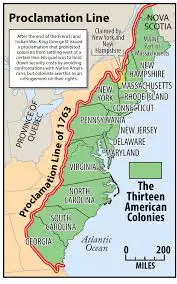
King George issued the Proclamation of 1763 to keep the colonists out of the Ohio River Valley.
a public or official announcement, especially one dealing with a matter of great importance.
A measure to keep ships from entering or leaving a harbor
To force onto others
Formal complaints
a public or official announcement, especially one dealing with a matter of great importance.
Proclamation
Blockade
Convene
Boycott
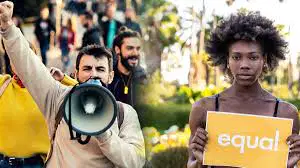
fundamental freedoms that protect individuals from government interference and are guaranteed by law
Civil Liberties
Unalienable Rights
Grievances
Militia
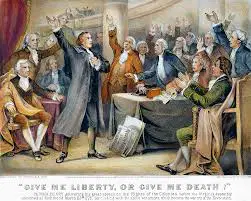
During the American Revolution, colonists often argued that King George III and Parliament had violated their fundamental civil liberties.
To refuse to buy items in order to show disapproval or force acceptance of one's terms
A person exercising power or control in a cruel, unreasonable way
communication that is primarily used to influence or persuade an audience
fundamental freedoms that protect individuals from government interference and are guaranteed by law
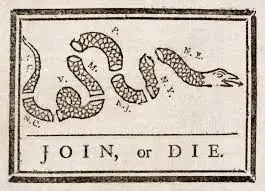
communication that is primarily used to influence or persuade an audience
Sovereign
Impose
Proclamation
Propaganda
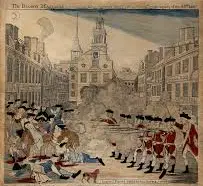
During the American Revolution, colonists effectively used propaganda, to rally support and galvanize public sentiment against British rule.
communication that is primarily used to influence or persuade an audience
a public or official announcement, especially one dealing with a matter of great importance.
A person exercising power or control in a cruel, unreasonable way
To refuse to buy items in order to show disapproval or force acceptance of one's terms
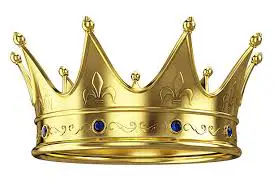
describes a person who has supreme power or authority
Sovereign
Patriot
Loyalist
Ally
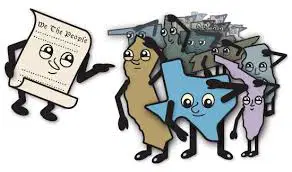
Each state retains its sovereignty, freedom, and independence, and every power, jurisdiction, and right, which is not by this Confederation expressly delegated.
describes a person or something who has supreme power or authority
fundamental freedoms that protect individuals from government interference and are guaranteed by law
The legislative body of the British government
A person exercising power or control in a cruel, unreasonable way

