
 Worksheets
Chapter 1 Test
Total questions: 40
Worksheet time: 30mins
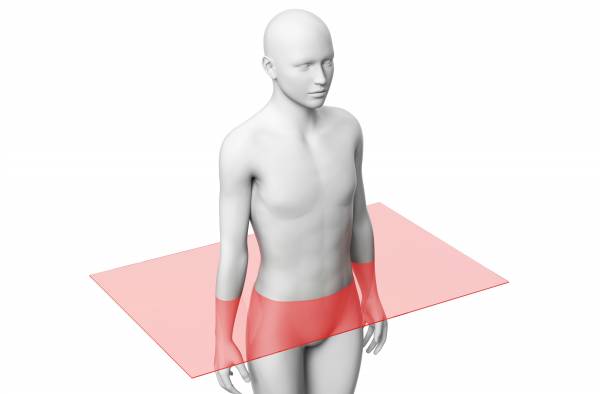
Identify the section or cut.
frontal section
lateral section
transverse section
sagittal section
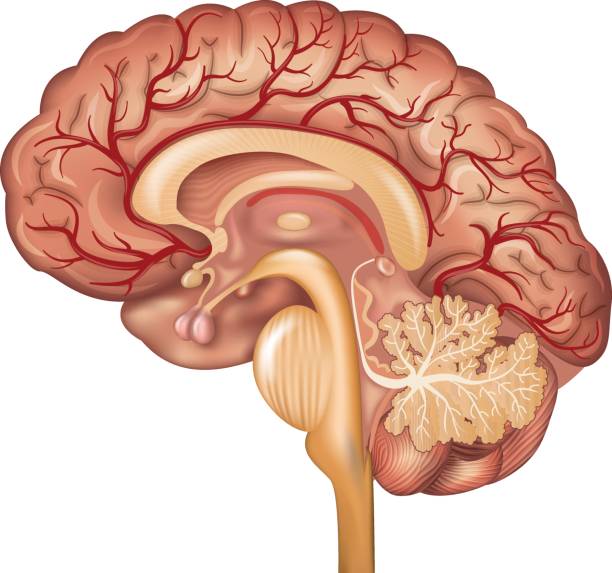
Identify the section or cut.
frontal section
cross section
transverse section
sagittal section
The thoracic cavity...
includes the head, neck, and trunk
contains the nose
chest cavity
upper limbs
The appendicular portion ...
upper and lower limbs
heart cavity
chest cavity
only the lower limbs
Viscera ...
contains abdominal & pelvic cavities
lines the heart cavity
muscular portion of the body
pertaining to internal organs
Integumentary system
consists of the skin, mucous membranes, hair & nails
membranes that line the pelvic cavity
lining the closed cavities of the body
enclose the lungs and line the chest wall
Cranial cavity
upper and lower limbs
includes the head, neck, and trunk
contains the brain
pertaining to internal organs
Skeletal system function
connect muscles to bones
attach bones togher to form joints
lines the serous cavities
to support, protect organs, produce blood cells
The study of internal and external structures is
physiology
histology
anatomy
cytology
Physiology is the study of
how living organisms perform functions
internal and external body sturctures
maintenance and repair of body tissues
all of the above are correct
Which of the following lists is in the order of increasing levels of complexity?
organelle - tissue - atom- cells - organ systems - organ - molecule - macromolecule
atom - molecule - macromolecule - organelle - cell - tissues - organs - organ system - organism
cell - macromolecules - tissues - organelle - atom - organ - organ system - organism
atom - macromolecule - molecule - tissue - cell - organ - organelle - organ system - organism
The heart is an example of a(n)
cell
groups of tissues that form together to perform a function
organelle
organ segment
Which of the following is most inferior in location?
pelvic cavity
diaphragm
plural cavity
larynx
Which set of directional terms are opposites?
distal and proximal
medial and inferior
superior and ventral
anterior and deep
The cranial cavity is _____ to the thoracic cavity.
inferior
anterior
peripheral
superior
A plane dividing an organism into dorsal and ventral sides
Coronal
Sagittal
Transverse
Movement of a limb away from the abdomen
Eversion
Inversion
Abduction
Adduction
Towards the middle
Lateral
Proximal
Rotation
Medial
Synonym to Posterior
Anterior
Ventral
Dorsal
Superior
Towards or on the surface
Deep
Caudal
Superficial
Eversion
Rotation of hands so that palms are up
Flexion
Eversion
Supination
Pronation
Vertical plane dividing an organism into left and right sides
Transverse
Sagittal
Frontal
The movement of a limb towards the abdomen
Adduction
Abduction
Flexion
Extension
Which structure is most medial?
nose
ears
heart
femur
Pleur
three
rib
chest
joint
Cardio
chest
cartilage
heart
two
One function of the skeleton is to
help the body maintain temperature
move food through the digestive system
provide shape and support for the body
encloses the lungs
pleura
pericardium
peritoneum
encloses the heart
pleura
pericardium
peritoneum

A hormone is a chemical messenger molecule.
True
False
When blood glucose levels rise, insulin secretion is initiated causing glucose levels to fall back to normal levels. Which type of feedback loop is this?
negative
positive
neutral
Which hormone stimulates the removal of sugar from the blood?
glucose
glucagon
insulin
glycogen

