
 Worksheets
Periodic Table, Atoms, and Chemical Bonds
Total questions: 50
Worksheet time: 50mins


Which 3 of the elements below are considered Metals?
Carbon
Sodium
Magnesium
Silver
Helium

Based on the periodic table, which compound would be the most similar to Sodium Chloride (NaCl)?
Magnesium Bromide (MgBr2)
Lithium Fluoride (LiF)
Carbon Dioxide (CO2)
Sulfur Hexafluoride (SF6)
Most of the mass of an atom is found
in the nucleus
in the electron cloud
Impossible to tell
The charge of an atom is determined by
Its protons and neutrons
Its protons and electrons
Its electrons and neutrons
Its mass
How many electrons can the first outer shell hold when drawing the atomic structure?
1
2
3
4
How many electrons can the rest of the outer electron shells hold besides the first?
1
2
6
8

How many protons does Neon have?
10
20
21
11

How many electrons does Neon have?
10
11
21
20

What is the rounded atomic mass for Neon?
10
11
21
20

What element is drawn below?
(19 protons, 20 neutrons, 19 electrons)


When atoms gain or lose electrons, they are called
Isotopes
Atoms
Ions
Electrons
True or False
Atoms can share electrons
True
False
When atoms bond together, a _________ is formed.
Mixture
Compound
Pair
Solution
In a covalent bond, electrons are
Gained
Pulled apart
Shared
In the nucleus
In a covalent bond, electrons are
Gained
Pulled apart
Shared
In the nucleus
Covalent bonds form between
1. Metal - Non-metal
2. Non-metal - Non-metal
3. Metal - Metalloid
4. Non-metal - Metalloid
1 and 2
2 and 3
3 and 4
2 and 4
In ionic bonds, electrons are
Gained or lost
Shared
Mixed randomly
Negatively charged
Positive ions
Gain electrons
Lose electrons
Negative ions
Gain electrons
Lose electrons
Why do all bonds form?
so the number of protons equals the number of electrons
so an atom can become unstable
to fill the outermost energy level
An atom with 3 valence electrons "wants" a full shell, so it can either gain 5 or lose 3. Which is more likely to occur?
Gain 5
Lose 3
Nothing
How many Aluminum atoms are in Al2O3?
3
5
2
1

What two types of atoms make a covalent bond?
2 Nonmetals
1 Metal and 1 Nonmetal
2 Metals
2 Noble Gases
When an atom loses an electron, it becomes a
positive ion
negative ion
neutral ion
neutral atom
Hydrogen and Chlorine will from a ____ bond
Unique
bestie
Covalent
Ionic
MgO
Ionic
Metallic
Covalent
Why don't noble gases form bonds?
They all have a full octet
Noble gases do form bonds
They only bond when with eachother
none of these answers are correct
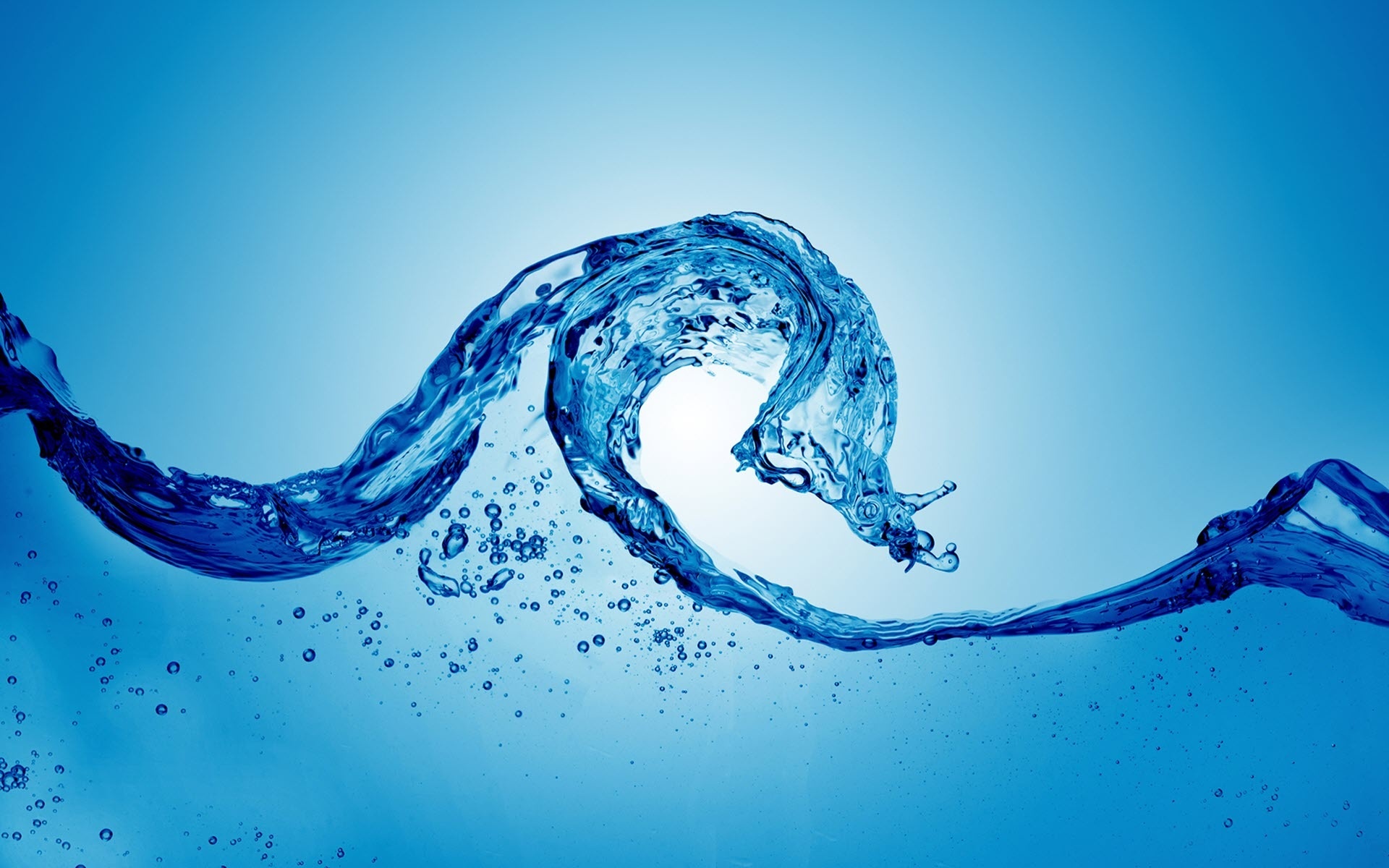
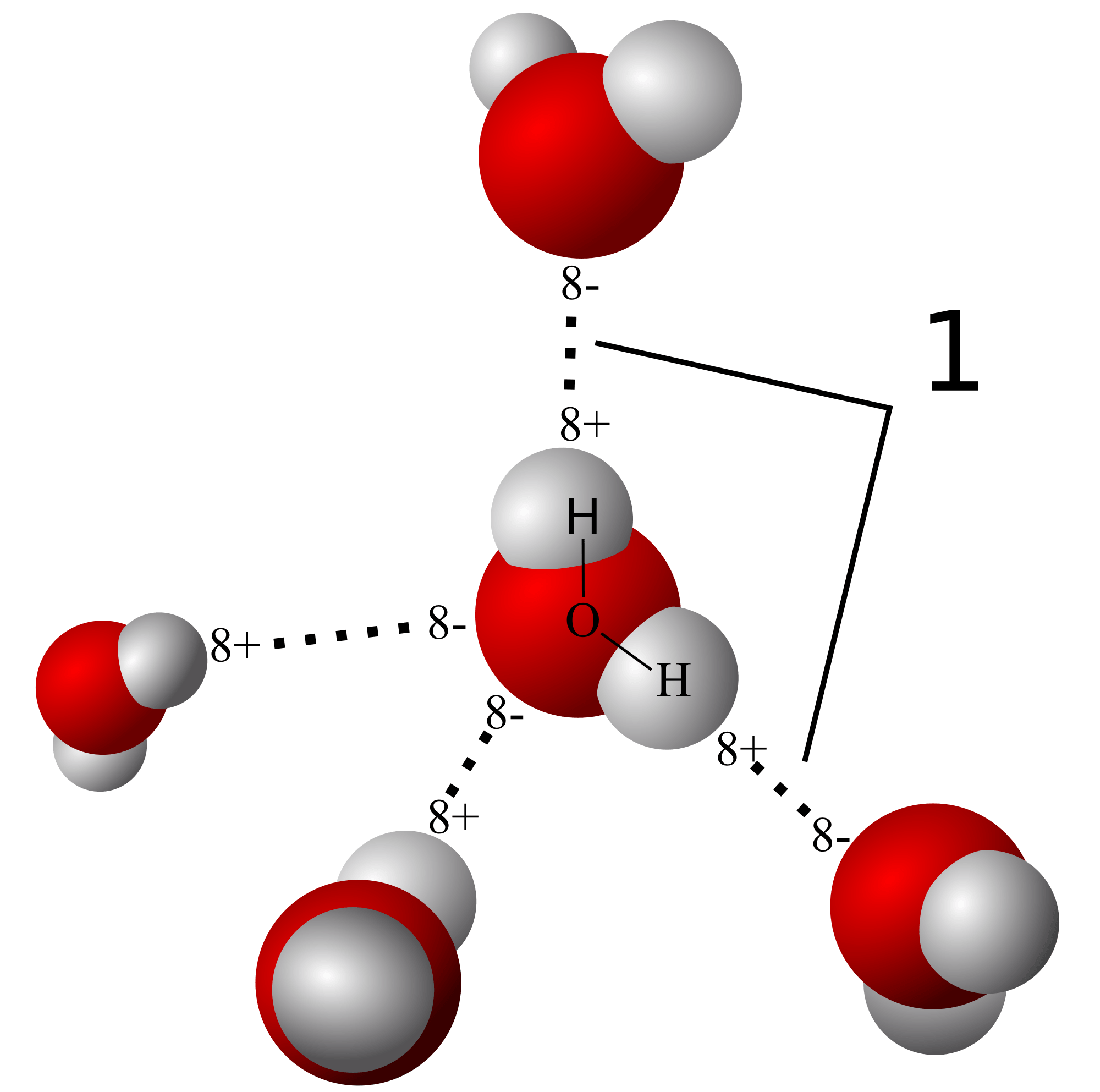
How many hydrogen atoms are in a water molecule?
5
1
2
0
The bond that holds the Oxygen and Hydrogen atoms together in a water molecule is a ________ bond.
ionic
Hydrogen
Covalent
Weak
Bonds between multiple water molecules are called ____________.
Hydrogen Bonds
Covalent Bonds
Ionic Bonds
Water Bonds
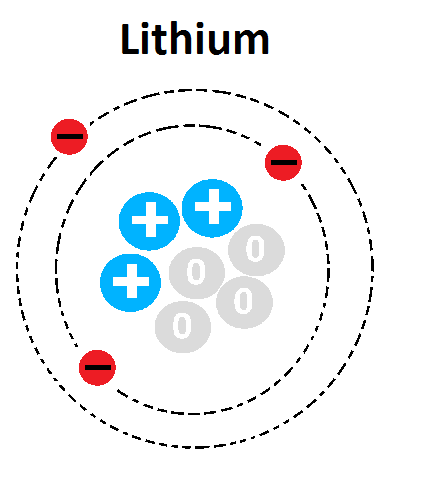
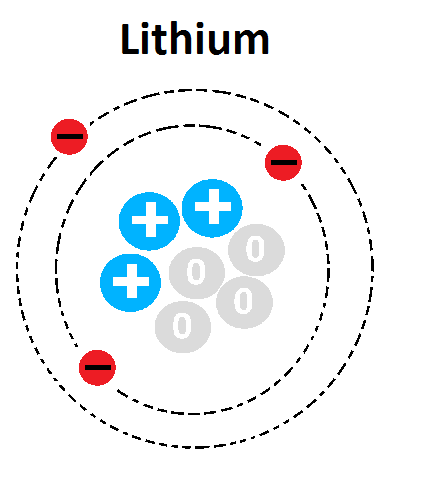
What is the mass number of this atom?
1
3
4
7
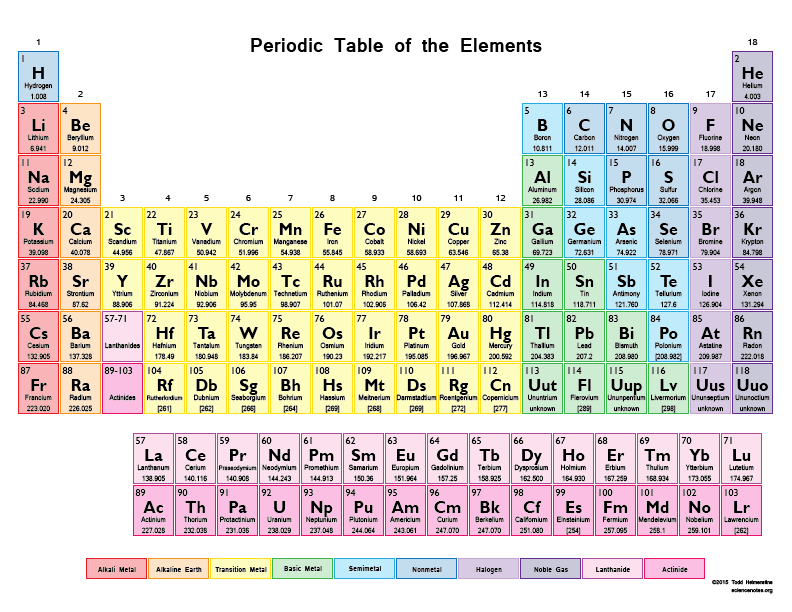
What is the atomic number of Barium, Ba? (enlarge the periodic table)
20
38
56
88
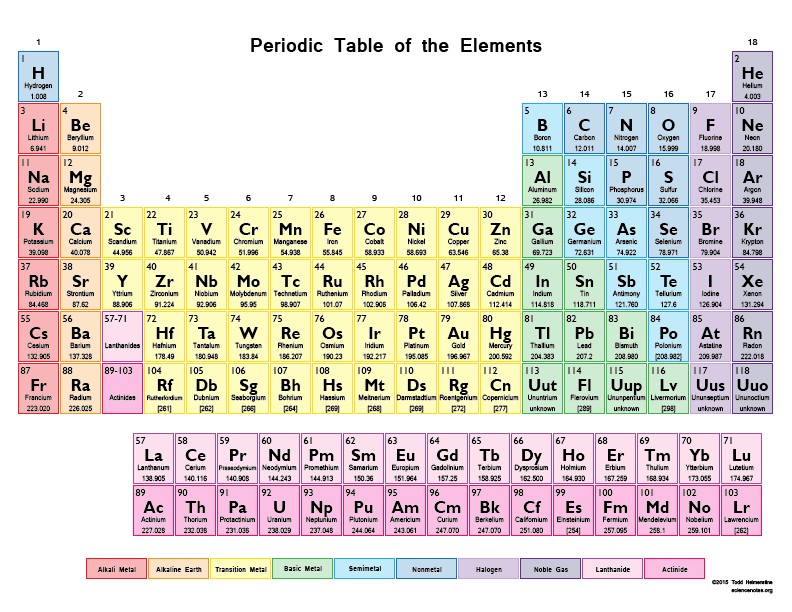
How many protons are in a sodium atom, Na? (tap to enlarge the periodic table)
Sodium has 1 proton.
Sodium has 3 protons.
Sodium has 11 protons

