
 Worksheets
Biology CA1 Review
Total questions: 20
Worksheet time: 22mins
What is the function of carbohydrates?
Perform cell's functions/tasks
Fast energy
Energy storage
Alter other biomolecules
Store information for cells
Carbohydrates are primarily made out of...
Carbon
Hydrogen
Oxygen
Nitrogen
Phosphorus
What is the function of nucleic acids?
Perform cell's functions/tasks
Fast energy
Energy storage
Alter other biomolecules
Store information for cells
What is the function of lipids?
Perform cell's functions/tasks
Fast energy
Energy storage
Alter other biomolecules
Store information for cells
Dystrophin is a molecule that holds muscle fibers together. In people with muscular dystrophy, a genetic disease that causes people to lose the ability to walk at a young age, dystrophin molecules never develop.
What biomolecule is this person missing?
Carbohydrates
Lipids
Proteins
Nucleic Acids
A monosaccharide is the monomer for which biomolecule:
Lipid
Carbohydrate
Nucleic Acid
Protein
Which biomolecule has amino acids as their monomer?
Carbohydrate
Nucleic acid
lipid
protein

protein

nucleic acid

carbohydrate

lipid
Carbs and lipids are similar because they...
Are a source of energy for living organisms
Help with immune response
build structures such as cellulose and chitin
Contain the same elements (CHO)
Match the following functions to the biomolecule
Act as hormones
Lipid
Build muscle
Protein
Carry genetic information
Nucleic acid
Energy source (cellular respiration)
Carbohydrate
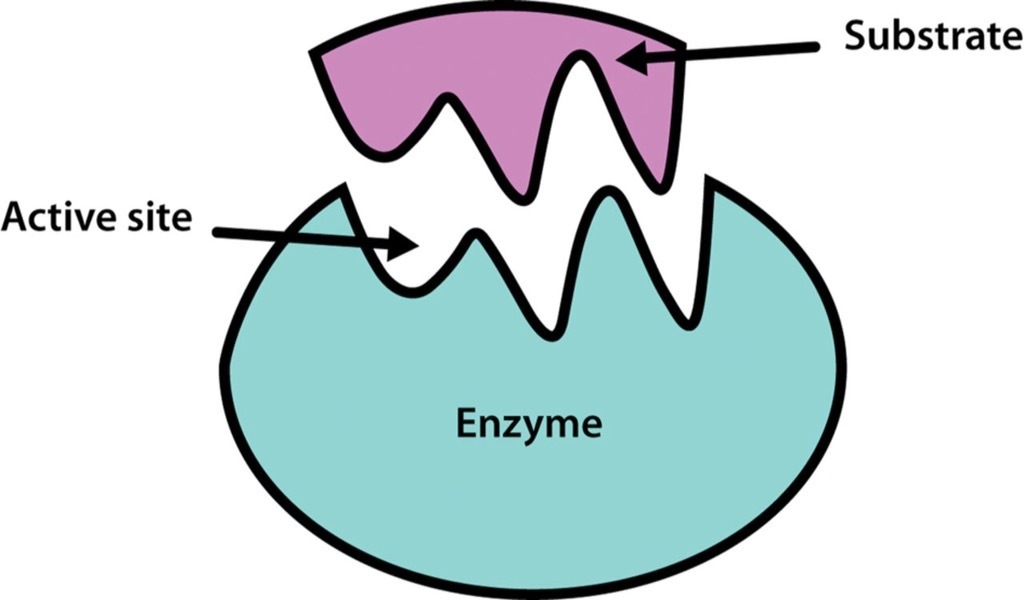
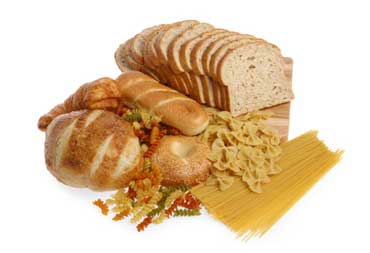
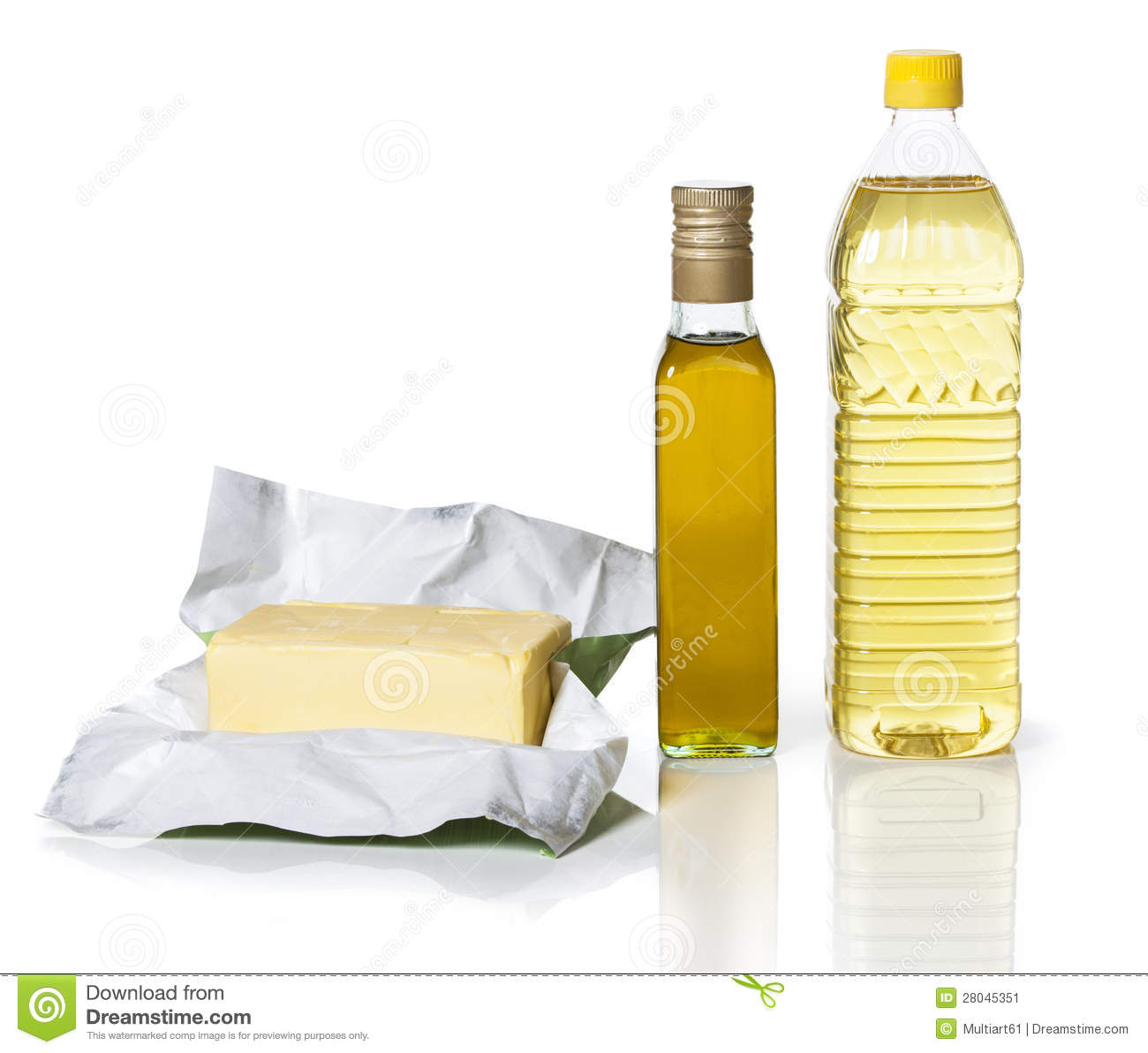
Which biomolecule helps form muscles?
Nucleic Acid
Carbohydrate
Protein
Lipids
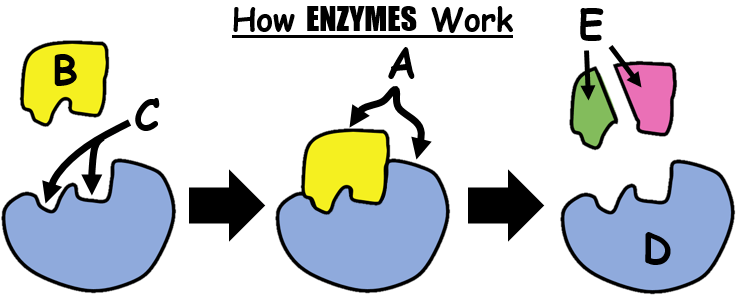
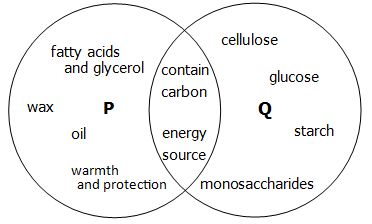
Use the Venn diagram to compare and contrast two macromolecules.
What is the best title for the letter Q?
carbohydrates
lipids
nucleic acids
proteins

