
 Worksheets
Skin Part 1
Total questions: 17
Worksheet time: 19mins

The largest organ of the human body is the:
(a)
Healthy skin should be:
completely dry
without any color
without any pores
slightly moist and soft
Where is skin the thinnest?
(a)
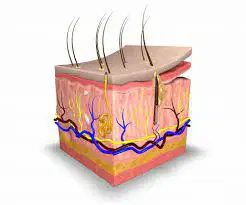
The two main divisions of the skin that concern Cosmetologists most are: (a) and (b)
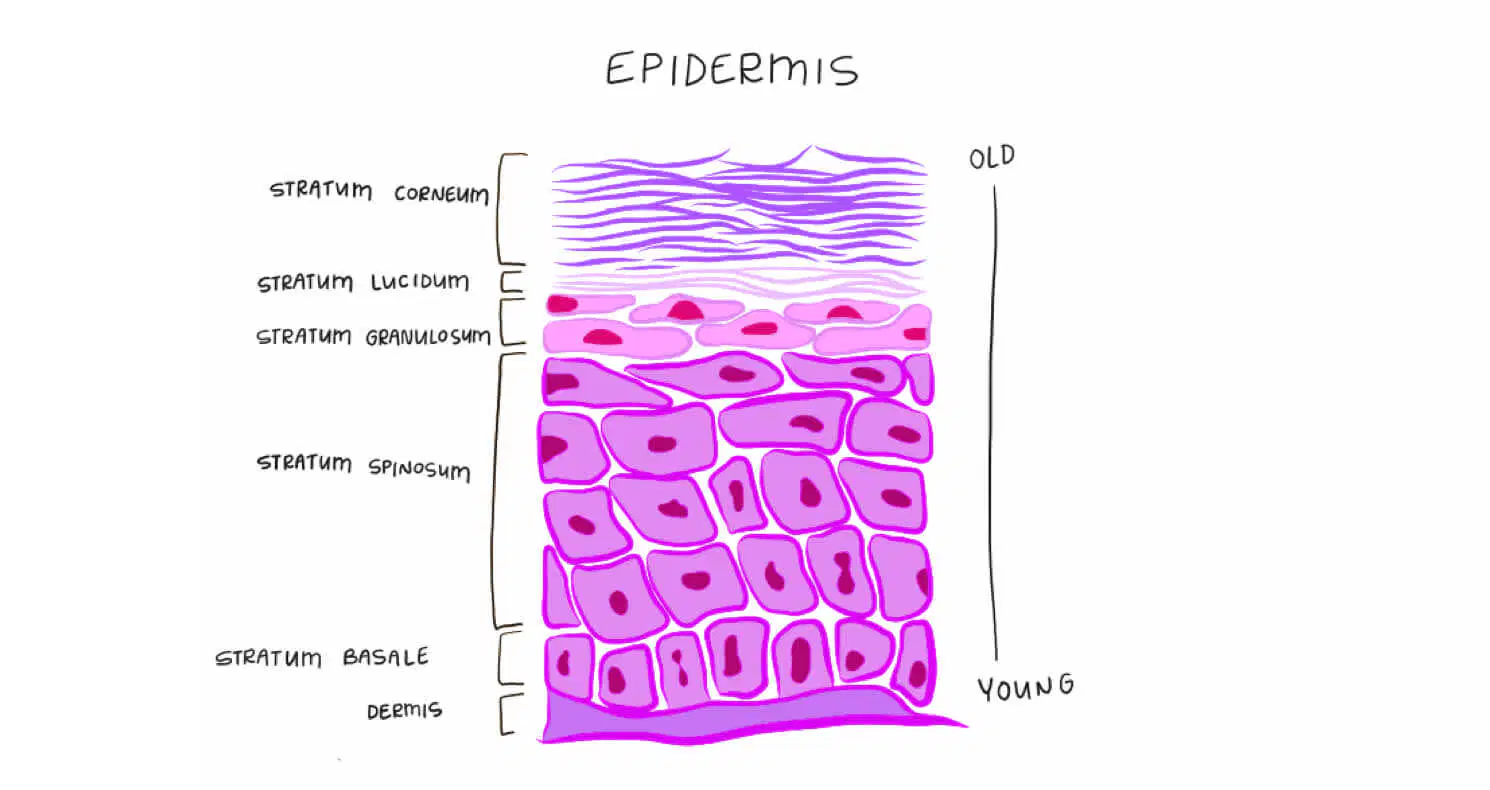
What is the outer protective layer of the skin called?
Subcutaneous
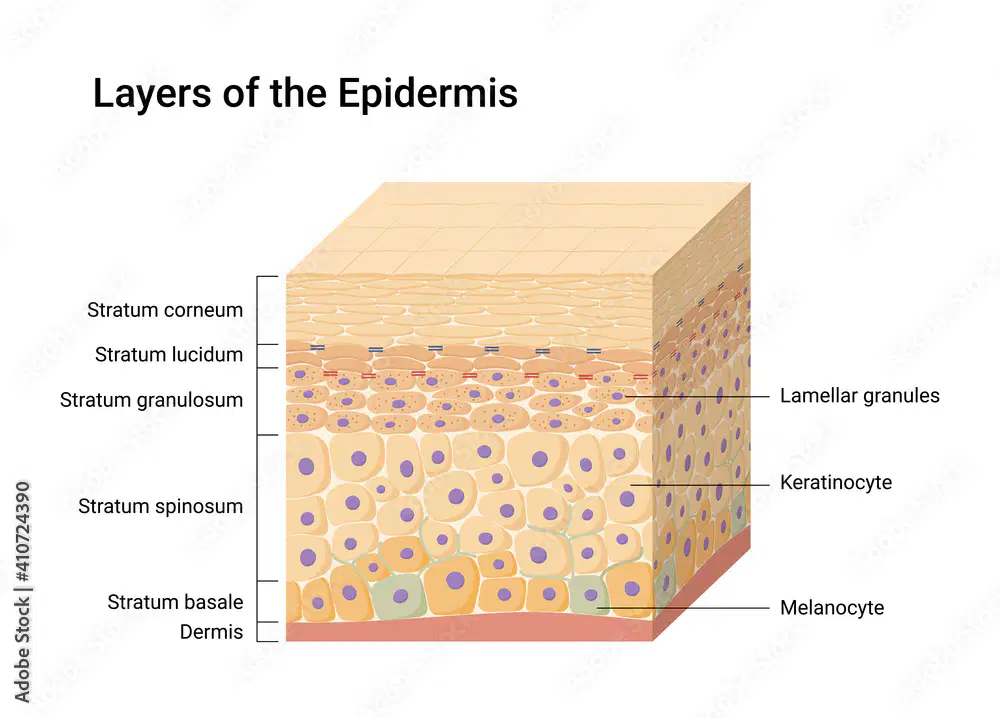
The outer layer of the skin does not contain any (a)
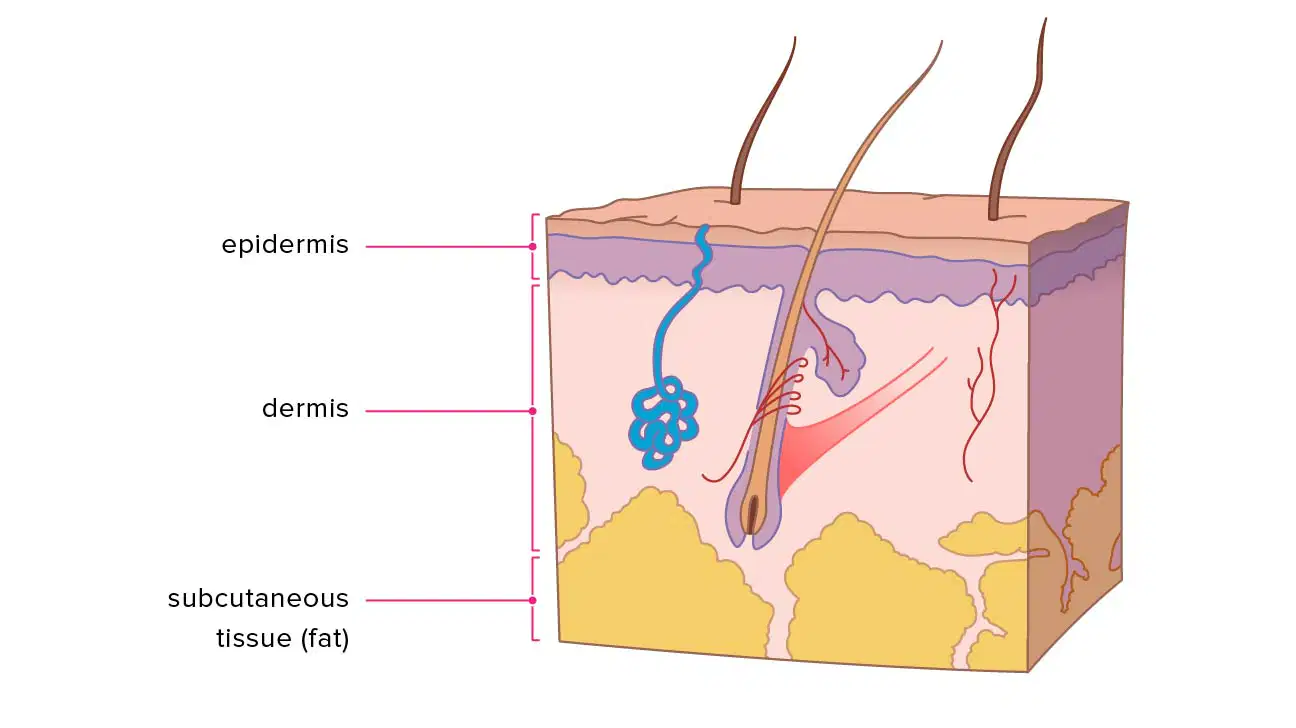
Blood vessels, nerves, and glands are found in the: (a)

The epidermis contains many: (a)

Match the following
The layer of the epidermis that contains melanin and contributes to the growth of the skin
stratum germinativum
The layer of the epidermis that consists of small transparent cells through which light can pass
stratum lucidum
The outer layer of the epidermis that has cells that are constantly being shed and replaced
stratum corneum
The layer of the dermis that supplies the skin with oxygen and nutrients
reticular
The layer of the dermis that contains some melanin
papillary
Match the following
Another name for the stratum corneum
horny layer
Another name for the stratum lucidum
clear layer
Another name for the dermis
true skin
Another name for the stratum germininativum
basal layer
Another name for the subcutaneous layer
adipose
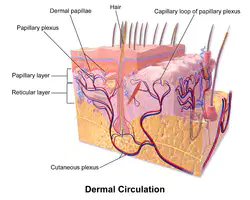
What are the layers of the dermis?
Stratum corneum, lucidum, granulosum, spinosum, and germinativum
Adipose and Subcutaneous layer
Papillary layer and Reticular layer
Collagen layer and Elastin layer
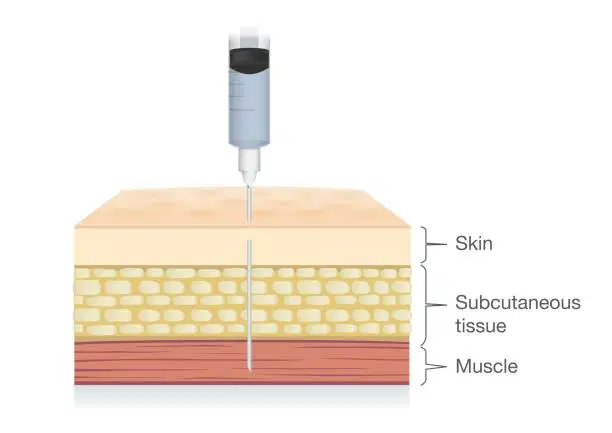
What layer of the skin contains mostly fatty tissue?
cuticle
dermis
epidermis
subcutaneous

What are the endings of nerve fibers in the papillary layer called?
arrector pili
tactile corpuscles
Where is the subcutaneous tissue located?
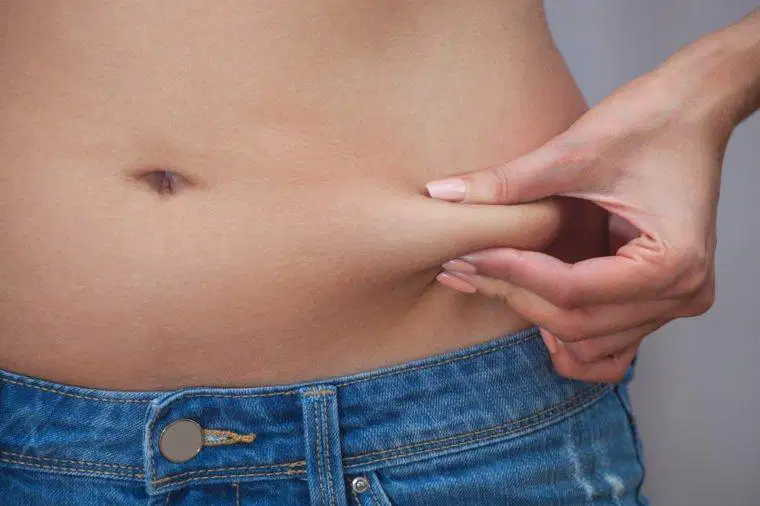
What does the adipose or subcutis tissue give to the skin?
elasticity
strength
flexibility
contour

A fiber that gives the skin flexibility and elasticity is (a) while a fiber that gives form and strength is (b)
Nerve fibers connected to arrector pili muscles are (a) while nerve fibers that send messages to the brain regarding heat, cold, touch, and pressure and pain are (b)

