wayground logo

Free Printable Worksheets

Font size

S
M
L
XL
Worksheets

WH Chapter 2 Review

Total questions: 100

Worksheet time: 1hrs 6mins

Name
Class
Date
1.
a ship invented by the Portuguese that made it possible to travel long distances
a)
schooner
b)
caravel
c)
lateen
d)
astrolab
2.
Spanish conquerors of the Americas
a)
conquistadors
b)
Aztecs
c)
Incas
d)
encomienda
3.
seventeenth-century economic theory that held that the prosperity of a nation depended on a large supply of gold and silver
a)
encomienda
b)
mercantilism
c)
mita
d)
Columbian Exchange
4.
forced labor system used by the Spanish in colonial Latin America
a)
ecomienda
b)
peninsulares
c)
indentured servitude
d)
mita
5.
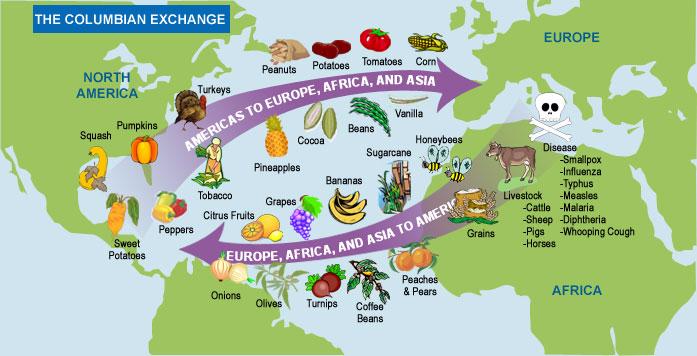
exchange of plants, animals, and people between Europe, Asia, and the Americas
a)
Middle Passage
b)
Northwest Passage
c)
Columbian Exchange
d)
Magellan Exchange
6.
forced voyage of enslaved Africans across the Atlantic Ocean to the Americas
a)
Columbian Exchange
b)
Middle Passage
c)
Mita
d)
Inquisition
7.
settlement of people living in a new territory, linked with the parent country by trade and direct government control
a)
caravel
b)
colony
c)
mission
d)
state
8.
sponsored the first Portuguese fleets to explore the west coast of Africa
a)
Prince Henry the Navigator
b)
Christopher Columbus
c)
John Cabor
d)
Hernan Cortes
9.
Spanish and Portuguese officials who resided temporarily in Latin America
a)
peninsulares
b)
colonists
c)
mestizos
d)
creole
10.
Vasco da Gama's discovery of a route to India by sea proved to be
a)
very profitable, since da Gama returned with a valuable cargo of spices
b)
far too costly to be sailed on a regular basis
c)
useless because of the difficulties and expenses of making the trip
d)
too long to be repeated 
11.
The Treaty of Tordesillas, signed in 1494,
a)
put an end to warfare between Portugal and Spain
b)
established a line between territories controlled by Spain and Portugal
c)
ended violence between Portuguese and Muslim spice traders
d)
made Portuguese the official language of the Americas
12.
The conquistadors' main advantage over the Aztec and Inca empires was their
a)
knowledge of the territory
b)
vast army size
c)
types of weaponry
d)
superior intelligence
13.
Why were enslaved African needed in the Caribbean Islands?
a)
Importing and paying Europeans for labor kept the balance of trade.
b)
Growing sugarcane was familiar to Africans.
c)
Spain respected the Native Americans and did not want to enslave them.
d)
The Native American population was small due to diseases brought from Europe.
14.
According to the mercantilists, the prosperity of a nation depended on
a)
importing more goods rather than exporting
b)
a large supply of bullion, or gold and silver
c)
conquering new territories and settling them
d)
finding and maintaining a supply of cheap labor
15.
Why did the Catholic Church have so much influence in Latin America?
a)
The Catholic Church gave Native Americans food and clothing
b)
Spanish and Portuguese rulers wanted Native Americans to become Catholic
c)
The missions were well organized and profitable
d)
Native Americans became docile members of the Spanish and Portuguese empires
16.
How did the Portuguese and Spanish make money from their Latin American colonies?
a)
farming and mining
b)
buying and selling land
c)
selling enslaved people
d)
governing the colonies
17.
The Portuguese were the first successful European explorers because they
a)
had the strongest desire for riches among all European nations.
b)
focused entirely on trade and did not waste money establishing colonies
c)
invented a faster ship that also held a large amount of cargo
d)
were more determined because of their strong religious goals
18.
What was the pattern of trade that connected Europe, Africa, and the American continents called?
a)
Golden Age
b)
triangular trade
c)
slave trade
d)
Middle Passage
19.
The Spanish used encomienda and mita to
a)
educate people
b)
establish missions
c)
force people to work
d)
create different social classes
20.
Who was the first person to circumnavigate the globe?
a)
Christopher Columbus
b)
Amerigo Vespucci
c)
Francisco Pizarro
d)
Ferdinand Magellan 
21.
Who conquered the Aztec empire?
a)
Ferdinand Magellan
b)
Francisco Pizarro
c)
Hernan Cortes
d)
Hernan de Soto
22.

How many voyages did Zheng He take part in?

a)

1

b)

2

c)

7

d)

6

23.
Why did Yongle send Zheng He on voyages of trade and exploration?
a)
To extend Chinese influence
b)
He wanted to win tribute, or payment, from other countries
c)
Both of these answers are correct
24.
The highest ranking member of Japanese feudal society was the 
a)
Emperor
b)
Shogun
c)
Daimyo
d)
Samurai
25.

Definition:

A social and political system that provided protection through a stable social pyramid.

a)

feudalism

b)

aristocracy

c)

democracy

d)

meritocracy

26.

Which members of the feudal system owned most of the land in Feudal Japan?

a)

Samurai

b)

Shoguns

c)

Daimyos

d)

Artisans

27.

Which members of the social hierarchy were considered to be the least important people in Feudal Japan?

a)

Merchants

b)

Artisans

c)

Peasants

d)

Farmers

28.
The Ming Emperor wanted more tributaries so he gave his trusted adviser, ___________ the title "Admiral of the Western Seas" and told him to sail to "the countries beyond the horizon"
a)
Zheng He
b)
Marco Polo
c)
Ahmed
d)
Jamal al-Din
29.

Zheng He's voyages took him to

a)

the Americas.

b)

Europe.

c)

Japan and Korea.

d)

Southeast Asia, India, and East Africa.

30.

In the early 1400s, during the Ming Dynasty, Zheng He was sent by his emperor on sailing voyages to

a)

search for gold and other riches in Africa

b)

defeat the Mongol navy in the East China Sea

c)

show China's interest in trade and display the power and splendor of China

d)

discover an ocean route to North America

31.

Following Zheng He's death, what happened to the voyages, the Chinese navy and the focus of China? Select 3.

a)

the voyages stopped and the navy was drastically cut

b)

a new leader was put in place and voyages to America began

c)

attention was placed on stopping Mongol attacks from the North

d)

a period of isolationism began

32.
Japanese warriors that lived by a strict code of ethics and duty
a)
Samurai
b)
Daimyo
c)
Shogun
d)
Confucian
33.
The code of honor and morals developed by the Japanese samurai
a)
Bushido
b)
Daimyo
c)
Shogun
d)
Confucian
34.

Why did Japan choose to isolate itself?

a)

To prevent Christians from entering

b)

To stop the Daimyo from promoting Shintoism

c)

To quarantine Japan from diseases

d)

To stop the British from selling opium

35.
What was another major effect of Japan's island location?
a)
It had all of the resources it needed to become a farming civilization.
b)
It was invaded by China.
c)
It was isolated from foreign powers and developed its own unique culture.
d)
It dominated trade in the Pacific Ocean.
36.

Japan's Tokugawa Shogunate could be described as _______ in the way they viewed Christian padres. 

a)
xenophobic
b)

invigorated

c)
maladjusted
d)

open-minded

37.

Who conquered the Aztecs?

a)

Pizarro

b)

Columbus

c)

Cortez

d)

Balboa

38.

Who conquered the Incas?

a)

Balboa

b)

Ponce de Leon

c)

Cortez

d)

Pizarro

39.

Which European discovered the Pacific?

a)

Balboa

b)

Cortez

c)

Pizarro

d)

Ponce de Leon

40.

For what 3 reasons were the Spanish successful in conquering the New World?

a)

Disease

b)

Religion

c)

Technology

d)

Gold

e)

Political Instability

41.

Who discovered Florida and what would be the mainland USA?

a)

Cortez

b)

Pizarro

c)

Balboa

d)

Ponce de Leon

42.

Who fought for better treatment of the natives?

a)

Cortez

b)

Ponce de Leon

c)

Bartolome de las Casas

d)

Balboa

43.

What denomination arose as a direct result of the Reformation?

a)

Catholic

b)

Orthodox

c)

Mormon

d)

Protestant

44.

Why was the Church of England started?

a)

To challenge the monopoly of the Catholic Church

b)

So that the king could get a divorce

c)

To spread the truth of the Gospel

d)

For the lulz

45.

Who was the Spanish monarch who wanted England to return to Catholicism?

a)

King Phillip II

b)

King Louis VI

c)

King Phillip V

d)

King Henry VIII

46.

Which English monarch tried to return England to Catholicism?

a)

King Henry VIII

b)

Queen Mary I

c)

Queen Elizabeth I

d)

King John

47.

Which monarch cemented England's place as a protestant nation?

a)

King Henry VIII

b)

Queen Mary I

c)

Queen Elizabeth I

d)

King John

48.

What was the name of the Spanish fleet sent to conquer England?

(a)  

49.

Who did Queen Elizabeth I place in charge of the English navy?

a)

Captain Jack Sparrow

b)

Sir Francis Drake

c)

Magellan

d)

Sir Bartoma de Crusoe

50.

Who was the Aztec ruler the Spanish took prisoner?

a)

Tenochitilan

b)

Montezuma II

c)

Adahualpa

d)

Axolotl

51.

Who was the Incan ruler the Spanish took captive?

a)

Tenochitilan

b)

Montezuma II

c)

Adahualpa

d)

Axolotl

52.

What continents did the Atlantic Slave Trade include?

a)

North America, South America, and Brazil

b)

North America, South America, Europe, and Africa

c)

North America, Europe, and Africa

d)

South America, Asia, and Europe

53.
The impact of the Atlantic Slave Trade not just affected the slaves but also...
a)
the economies and history of the world
b)
the amount sugar sold 
c)
the amount of slaves sold
d)
the amount of slaves killed
54.
When did the Atlantic Slave Trade begin?
a)
1400s
b)
1500s
c)
1600s
d)
1700s
55.
What were the new crops grown in the colonies that demanded slave labor?
a)
sugar cane, cotton, tabacco
b)
sugar, cotton, wheat
c)
cotton, wheat, corn
56.
To meet the massive demand for slaves, where did the Europeans look for slaves?
a)
Europe
b)
Spain
c)
Africa
d)
Asia
57.

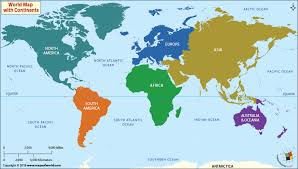
What continents are in the New World?

a)

North America

b)

South America

c)

Europe

d)

Asia

e)

Africa

58.

What items are from the New World World?

a)

Potatoes

b)

Horses

c)

Coffee

d)

Pumpkins

e)

Corn

59.

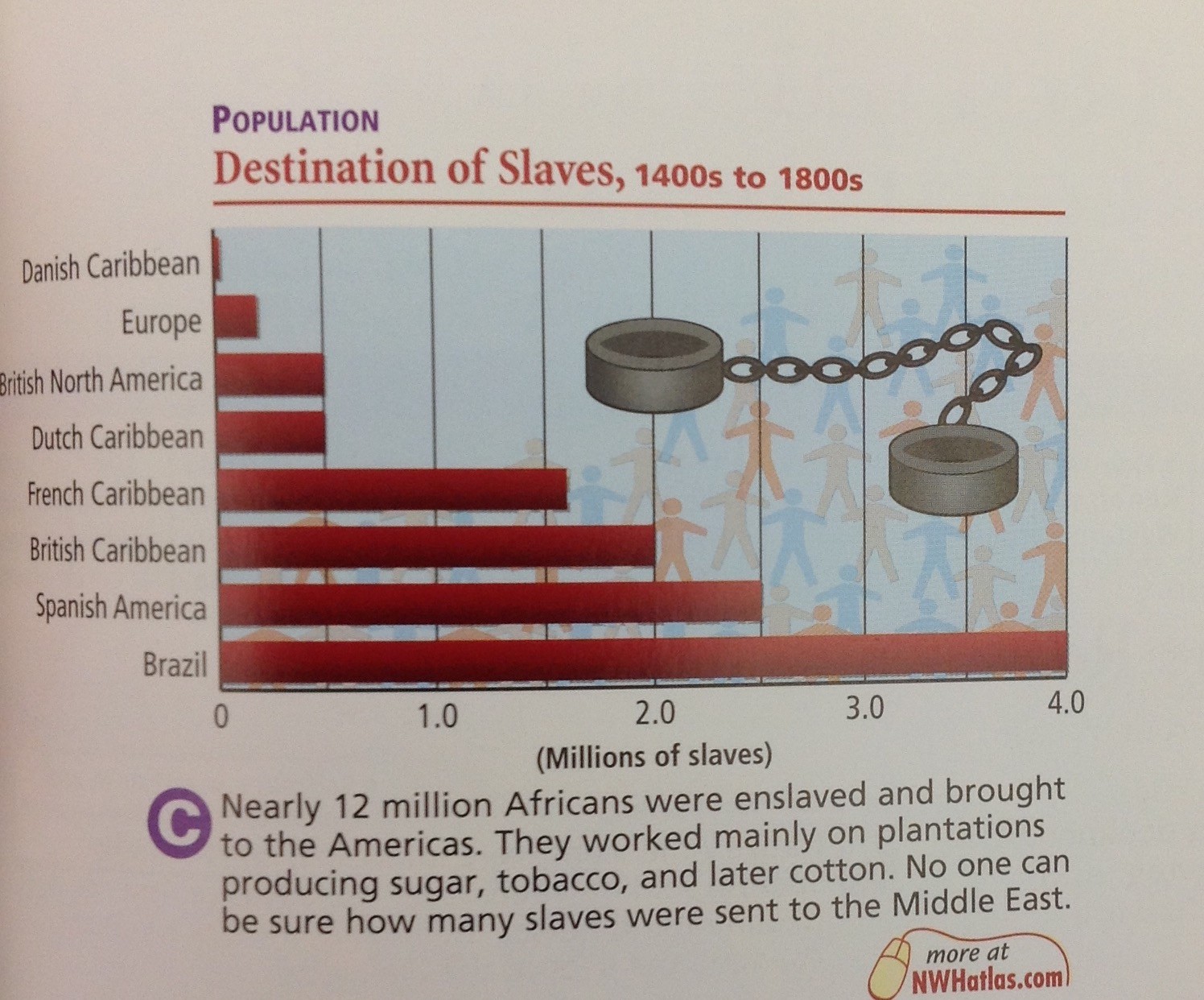
According to the graph, where were most African slaves brought to in the New World?

a)

Danish Caribbean

b)

Brazil

c)

Europe

d)

North America

60.

What was the route of the Triangle Trade Route?

a)

England to Africa, Africa to the Americas, the Americas back to England.

b)

China to North America, North America to India, India back to China.

c)

England to South America, South America to China, China back to England.

d)

South America to England, England to India, India back to South America.

61.

Who were the first European countries involved in the slave trade?

a)

Spain and Italy

b)

England and the U.S.

c)

Spain and Portugal

d)

Africa and Brazil

62.
Which phrase accurately describes the conditions aboard the slave ship?
a)
Luxurious 
b)
Accommodating
c)
Spacious 
d)
Dark and Claustrophobic 
63.
The impact of the Atlantic Slave Trade not just affected the slaves but also...
a)
the economies and history of the world
b)
the amount sugar sold 
c)
the amount of slaves sold
d)
the amount of slaves killed
64.
The buying and selling of Africans for work in the Americas was called the -?
a)
Middle Passage
b)
Triangular Trade
c)
Atlantic Slave Trade
d)
The Bermuda Triangle
65.
What is the term applied to the section of trade where the "cargo" consisted of humans?
a)
European Passage
b)
Middle Passage
c)
Atlantic Passage
d)
Silk Road
66.

In the triangle trade, merchants brought __________ ________ from Europe to Africa.

a)

raw materials

b)

manufactured goods

c)

laborers (slaves)

67.

In the triangle trade, merchants brought ________ ________ from Africa to the New World (Americas)

a)

raw materials

b)

manufactured goods

c)

laborers (slaves)

68.

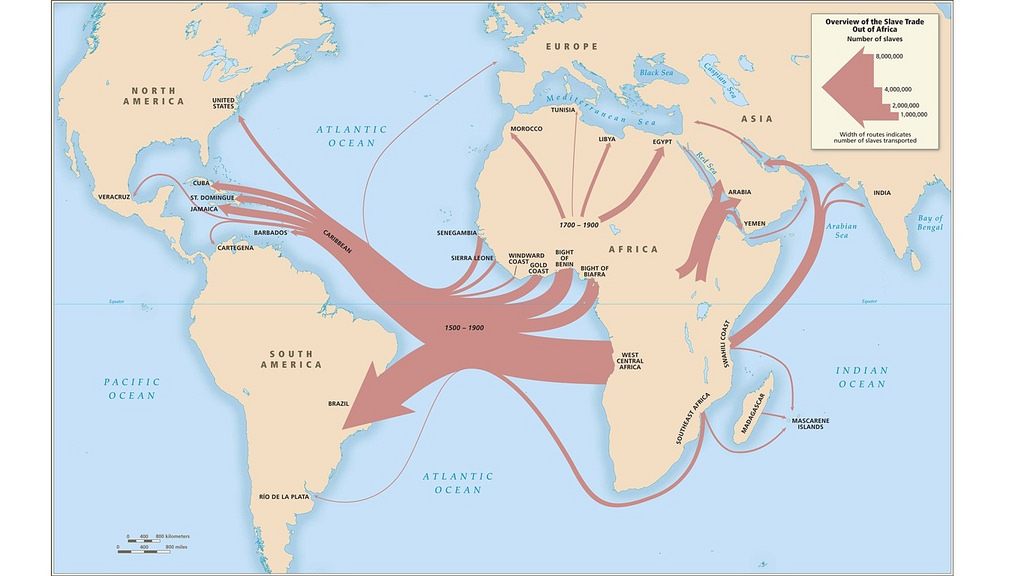
According to this map, most African slaves were brought to

a)

North America

b)

South America

c)

Europe

d)

Asia

69.

What was the impact of the Atlantic Slave Trade on Africa?

a)

Depopulation (less people)

b)

Less conflict

c)

Famine

d)

Destruction of traditional cultures

70.

What were impacts of the slave trade for Europe

a)

Longer lifespans

b)

Increased disease

c)

More money

d)

Redistribution of wealth

71.

Hongwu was formerly known as

a)

Zhu Yuanzhang

b)

Yangdi

c)

Wendi

d)

Wu Zhao

72.

The First leader of the Ming dynasty was

a)

Wu Zhao

b)

Taizong

c)

Hongwu

d)

Wendi

73.

After this person died, his body was thrown overboard or "Buried at sea"

a)

Wendi

b)

Zheng He

c)

Mr. Moore

d)

Taizong

74.

What two reasons did Zhengtong give for stopping future Chinese expeditions?

a)

They cost too much

b)

Brought back dangerous foreign ideas

c)

He wasnt able to go on them so he stopped them

d)

His brother died while on one of the expeditions

75.

Why did the Manchu rulers enforce a strict dress code, including a particular hairstyle, on the Han Chinese?

a)

To promote fashion trends

b)

To foster unity and legitimacy

c)

To make everyone appear equal

d)

To discourage foreign influence

76.

How did the Qing Dynasty influence the economy, especially in terms of trade?

a)

By promoting isolationist policies

b)

By encouraging the growth of major urban centers

c)

By limiting domestic trade

d)

By regulating foreign trade through the Canton system

77.

What was the primary currency imported by Qing China through foreign trade?

a)

Gold

b)

Silver

c)

Copper

d)

Silk

78.

[p1] What other country did Korea's Yi rulers imitate?

a)

Japan

b)

China

c)

Korea

d)

France

79.

[p1] What influenced Korean leaders to isolate the country?

a)

Korea attacked & devastated Japan.

b)

Japan and the Manchus attacked & devastated the country.

c)

Korea's central government strengthened.

d)

Korean leaders did not want Western goods.
80.
Who invaded China and eventually defeated the weakened Ming Empire?
a)
Zheng
b)
Yong Le
c)
Manchus
d)
Nanjing
81.
Emperor Yonglo built this within the Imperial City
a)
Forbidden City
b)
Lost World
c)
Inner Secret
d)
Forgotten City
82.
Chinese technologies like the ________ reached Europe, this helped the  Europeans when they began exploring. 
a)
wheelbarrow
b)
printing press
c)
compass
d)
stirrup
83.
The European merchant named ___________ arrived in Kublai Kahns court and impressed him. 
a)
King George 
b)
Christopher Coloumbus
c)
Marco Polo
d)
Vasco de Gama 
84.
What did the Ming rebuild with stone?
a)
Grand Canal
b)
Silk Road
c)
Great Wall
d)
a new capital city
85.

The process of Japanese unification began in the late ____ century

a)

14th

b)

15th

c)

16th

d)

17th

86.

How many political figures did it take to complete the unification of Japan?

a)

4

b)

2

c)

5

d)

3

87.

Which person was responsible for capturing Kyoto and gaining control in central Japan?

a)

Hideki Matsui

b)

Oda Nobunaga

c)

Toyotomi Hideyoshi

d)

Tokugawa Ieyasu

88.

Which man started life as a peasant, moved up to a military leader, and used that power to gain control over a majority of Japan?

a)

Toyotomi Hideyoshi

b)

Odu Nobunaga

c)

Taka Wantanabe

d)

Tokugawa Ieyasu

89.

Which man completed the unification of Japan and set up a shogunate in Japan to maintain that control?

a)

Toyotomi Hideyoshi

b)

Ito Hirohito

c)

Oda Nobunaga

d)

Tokugawa Ieyasu

90.

After Christian converts in China began destroying local shrines, the Japanese government forbade all Christian activities on Japanese lands

a)

False

b)

True

91.

Which European country was the first allowed to trade with Tokugawa Japan?

a)

the Netherlands

b)

Portugal

c)

Great Britain

d)

United States

92.

Tokugawa rule brought about a long period in Japan's history known as the "Great Peace."

a)

False

b)

True

93.

Heads of noble families that also ruled hans

a)

Lords

b)

Edo

c)

Daimyo

d)

Ronin

94.

After the Emperor and imperial court, the order of social classes in Tokugawa Japan was:

a)

warrior, peasant, artisans, merchants

b)

peasant, warrior, peasant, merchants

c)

ronin, warrior, merchants, artisans

d)

warrior, merchant, peasant, eta

95.

During Tokugawa rule, the rights of women in Japan were increased.

a)

False

b)

True

96.

Hans are. . .

a)

fighters for hire during the Tokugawa shogunate

b)

granted only to those who are related directly to the emperor

c)

inherited by the oldest son only

d)

domains of land in Japan during the time of Tokugawa

97.

Kabuki theaters could be found primarily in the urban areas of Japan.

a)

False

b)

True

98.

Ihara Kaikaku was a. . .

a)

popular poet

b)

popular artist

c)

popular author

d)

popular Kabuki performer

99.

Who was responsible for running Japan and distributing the rice crop?

a)

Emperor

b)

Samurai

c)

Shogun

d)

Daimyo

100.

How did the growth of a banking industry and merchant class in urban Japan impact the Japanese peasants?

(majority of the population)

a)

the peasant population was able to find work in urban areas when farming became less profitable

b)

some profited from cash crops, but most experienced poverty that led to revolts

c)

even before Tokugawa rule, peasants were in a constant state of revolt again the daimyo

d)

many were able to benefit because of the high demand for cash crops, and revolts were fairly rare.