
 Worksheets
viraj
Total questions: 243
Worksheet time: 3hrs 11mins

You need ___________ and _____________
for ENERGY.
Protein
Vitamins and minerals
Fats and carbohydrates
fiber and food

Why do we eat protein?
To keep us healthy
To help us grow
To give us energy
To help us digest our food

Wholegrain foods are healthier because they…
contain fibre
are grown on special farms
are made with healthy oils
taste better
Which of the following is an excellent source of vitamin C?
orange juice
milk
bread
hamburger

I like to eat eggs because they are rich in...
Vitamins
Proteins
Carbohydrates
Minerals

I like to eat milk because they are rich in...
carbohydrates
proteins
vitamins
proteins and minerals

I like to eat potatoes because they are rich in...
proteins
minerals
carbohydrates
vitamins
Deficiency of __________ causes Night blindness.
Vitamin B1
Vitamin D
Vitamin A
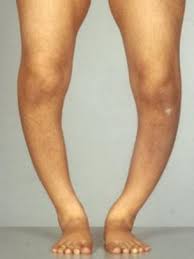
Deficiency of which nutrient leads to this disease?
Vitamin A
Vitamin D
Vitamin C
Having iodized salt regularly in your food will help in the prevention of __________.
Goitre
Anaemia
Rickets
Having foods rich in this vitamin will prevent Beriberi disease.
Vitamin A
Vitamin C
Vitamin B1
If you suffer from Anaemia you should eat foods rich in _____.
Vitamin A and C
Calcium and Phosphorus
Iron and Vitamin B12
Lack of exposure to sunlight may lead to deficiency of this ______________.
Vitamin D
Vitamin K
Vitamin E
The deficiency diseases can be prevented by having ___________.
Junk food
Balanced diet rich in fresh fruits and vegetables
Lots of water
Deficiency of __________ causes Night blindness.
Vitamin B1
Vitamin D
Vitamin A
Having iron regularly in your food will help in the prevention of __________.
Goitre
Anaemia
Rickets
Having foods rich in this vitamin will prevent scurvy disease.
Vitamin A
Vitamin C
Vitamin B1

Vitamin A is known for:
It's vision-related function
Blood clotting
To prevent birth defects in unborn children
Which material can not be used to make a chair ?
Wood
Plastic
Metal
Paper
What are non-lustrous material ?
Objects which shine eg copper, aluminium
Objects which dont shine eg wood, plastic
Objects which shine eg wood, plastic
Objects which dont shine eg copper, aluminium
Materials which can be compressed or scratched easily are called ___
Soft
Hard
Lustrous
Non-Lusturos
What will happen if you mix oil in water ?
Oil will dissolve in water
Oil will settle down
Water changes to oil
Oil will float on above of water
What helps fish breathe in water ?
Because water is hard
Because water is lustrous
Because water is transparent
Because of solubility of oxygen and water
Will a stone float or sink in water ?
Float
Sink
Depends upon weight of stone
None of these
Will a key float or sink in water ?
Float
Sink
Depends upon weight of key
None of these
While playing hide and seek, behind which of following will you hide to win ?
Opaque door
Transparent door
Translucent door
None of these
Ram sells variety of good chocolates but no one purchases only see container in which chocolate is there. Which of following might be a possible reason ?
The container is hard
The container is opaque
The container is lustrous
The container floats on water
While editing a photo to make it look blurred what feature would you use ?
Make Opaque
Make transparent
Make translucent
Make shine
Why is sorting materials into group important ?
Helps to make work easier
To set items in house
Makes easier for shopkeepers to sell their items
All of These
Lemon Juice is ____ and vinegar is _____ in water
Soluble, Soluble
Soluble, Insolube
Insoluble, Soluble
Insoluble, Insoluble
When no more sugar/salt can be dissolved in water it is called ____
Soluble
Saturated Solution
Insoluble
Opaque
On what basis will you sort these materials.
Basketball, Marigold, Football, Lotus
Eatebles and Flowers
Different Balls and Flowers
Eatebles and Different Balls
Black and Brown Colour
In what of following can you sort materials into groups ?
Based on Lustrous-Non Lustrous
Based on Hardness
Based on Solublity
All of These
Which of following can be made from paper ?
Chair, Table, Bed, Sofa
Books, Newspapers, calendars
Shoes, Jackets
Bed sheets, Polythene, Cottonseed oil
What will happen to chalkpowder if we mix it with water ?
It will dissolve completely in water
It will make a separate layer on top of water
It will settle down
Remain same
Grain is separated from stalks while ____
Threshing
Winnowing
Growing Plant
Harvesting
Method you will use to separate mangoes and guavas
Churning
Winnowing
Threshing
Hand picking
_____ is taken out by churning milk
Curd
Butter
Ghee
Double toned milk
Why do we separate tea leaves ?
To separate two, but useful components
To remove non useful components
To remove impurities or harmful components
None of these
How do we obtain salt ?
From sugarcane
From saltcane
By salt left after evaporation of sea
By condensation
Conversion of water vapour into liquid form is called
Sedimentation
Filtration
Condensation
Evaporation
Conversation of water to its vapour is called
Threshing
Evaporation
Condensation
Sedimentation
We can use sedimentation and decantation to separate
Mangoes and guavas
Tea leaves and tea
Impurities from wheat
Soil and water
What helps wheat go out from sieve and remain impurities ?
The size is smaller of impurities
The size is smaller of wheat
Wheat is soft and impurities are hard
Impurities are yellow and wheat is white
Process when standing on a stool and slanting container to make items fall is called ___
Winnowing
Threshing
Handpicking
Sieving
Process used to separate grains from stalks is ___
Threshing
Winnowing
Churning
None of these
machines are also used to ____ large quantities of ___
thresh, grain
winnowing, grain
thresh, wheat
winnowing, wheat
how many process do we use to separated sand and salt ?
5
3
4
2
process used to separate sand and water from mixture is called ___
evaporation
condensation
sedimentation and decantation
filtration
when we pour clean water to another glass after sedimentation its called __
decantation
filtration
evaporation
sieving
the pure water which has obtained from filtration process is called
residue
filtrate
filterpaper
sediment
what is the method of separating components from a mixture by blowing?
handpicking
threshing
winnowing
washing
What is the process that is used to separate grains from stalks called?
handpicking
threshing
sieving
winnowing
In which of the following, does the threshing process can be applied
Removing husk from grains
Removing dust from broom
Removing sand from water
Removing oil from cloth
Hand picking is done where the number of substances to be separated out is __________
More
Less
Does not depend
Extremely More
Which of the following is essential to perform winnowing activity?
Wind
Water
Magnet
Filter paper
Hand picking method is effective in
solid mixture
Liquid mixture
Gaseous mixture
None of these
While preparing chapatis, Paheli found that the flour to be used was mixed with wheat grains. Which out of the following is the most suitable method to separate the grains from the flour?
Threshing
Sieving
Winnowing
Filtration
Pure substances are made up of the same kind of atoms.
True
False
Which of the following is not a homogeneous mixture?
Oxygen in water
Tea
Sugar and water
Fried rice
The small pores of sieve should be
less than the size of smaller particle
slightly more than the size of smaller particle
more than the size of bigger particle
slightly less than the size of bigger particle
Which of the following mixture can be separated by sieving method?
Sugar and ice
Salt and fine spices
Salt and sugar cubes
sugar cube and paneer cubes
Sand and few stone mixture can be separated by
Sieving
Handpicking
Both sieving and handpicking
Winnowing
During sieving, some medium sized particles are also coming alongwith smaller particles. What can be the possible reason
Nets of the sieve may be broken somewhere
Sieve handle may be broken
Overload of big particles in sieve
Sieve holes may get closed somewhere

What separation technique does the picture show?
Sieving
filtering
magnetic separation
Distillation
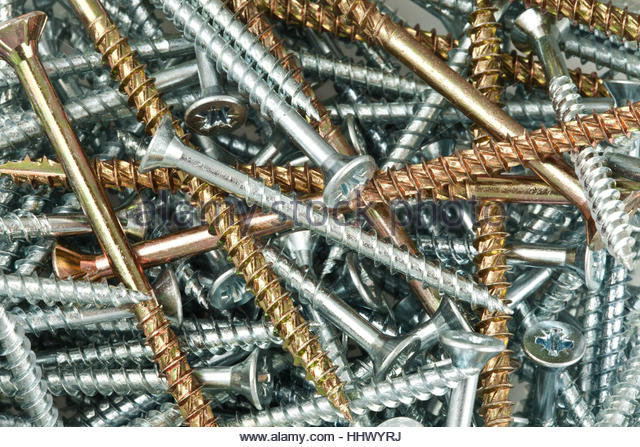
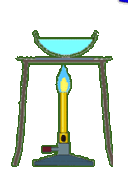
Which one of the following is the name for separation technique in the picture below
distillation
filtration
evaporation
chromatography

The separation technique that involves heating a solution until the liquid changes into a gaseous state, leaving behind a solid is known as
decanting
evaporation
loading
chromatography
Evaporation
A technique used to separate substances that move at different speeds
A change of state from liquid to gas
A technique used to recover a liquid from a solution
A change of state from gas to liquid

The process of settling down of particles of a solid in a liquid is
Sublimation
Sedimentation
Filtration
Decantation
The process of changing solid to gas directly is ______
Evaporation
Condensation
Melting
Sublimation

what is churned to separate butter?
water and oil
curdled milk
milk and curds
flour and milk
What is the process after the heavier component in a mixture settles after the water is added.This process is called???
Filtration
Decantation
Sedimentation
Disttilation
What is the process called when the water along with the dust is removed?
Handpicking
Winnowing
Decantation
Sedimentation

How would you separate the substances shown in the picture (oil and water)?
by sieving
by decanting
by distillation
by filtering

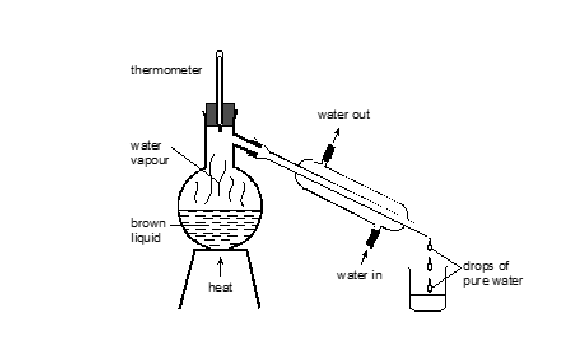
what is the method of separating components from a mixture by blowing?
handpicking
threshing
winnowing
washing
What is the process that is used to separate grains from stalks called?
handpicking
threshing
sieving
winnowing
In which of the following, does the threshing process can be applied
Removing husk from grains
Removing dust from broom
Removing sand from water
Removing oil from cloth
Hand picking is done where the number of substances to be separated out is __________
More
Less
Does not depend
Extremely More
Which of the following is essential to perform winnowing activity?
Wind
Water
Magnet
Filter paper
Hand picking method is effective in
solid mixture
Liquid mixture
Gaseous mixture
None of these
While preparing chapatis, Paheli found that the flour to be used was mixed with wheat grains. Which out of the following is the most suitable method to separate the grains from the flour?
Threshing
Sieving
Winnowing
Filtration
Pure substances are made up of the same kind of atoms.
True
False
Which of the following is not a homogeneous mixture?
Oxygen in water
Tea
Sugar and water
Fried rice
The small pores of sieve should be
less than the size of smaller particle
slightly more than the size of smaller particle
more than the size of bigger particle
slightly less than the size of bigger particle
Which of the following mixture can be separated by sieving method?
Sugar and ice
Salt and fine spices
Salt and sugar cubes
sugar cube and paneer cubes
Sand and few stone mixture can be separated by
Sieving
Handpicking
Both sieving and handpicking
Winnowing
During sieving, some medium sized particles are also coming alongwith smaller particles. What can be the possible reason
Nets of the sieve may be broken somewhere
Sieve handle may be broken
Overload of big particles in sieve
Sieve holes may get closed somewhere
What separation technique does the picture show?
Sieving
filtering
magnetic separation
Distillation
Which one of the following is the name for separation technique in the picture below
distillation
filtration
evaporation
chromatography
The separation technique that involves heating a solution until the liquid changes into a gaseous state, leaving behind a solid is known as
decanting
evaporation
loading
chromatography
Evaporation
A technique used to separate substances that move at different speeds
A change of state from liquid to gas
A technique used to recover a liquid from a solution
A change of state from gas to liquid
The process of settling down of particles of a solid in a liquid is
Sublimation
Sedimentation
Filtration
Decantation
The process of changing solid to gas directly is ______
Evaporation
Condensation
Melting
Sublimation
what is churned to separate butter?
water and oil
curdled milk
milk and curds
flour and milk
What is the process after the heavier component in a mixture settles after the water is added.This process is called???
Filtration
Decantation
Sedimentation
Disttilation
What is the process called when the water along with the dust is removed?
Handpicking
Winnowing
Decantation
Sedimentation
How would you separate the substances shown in the picture (oil and water)?
by sieving
by decanting
by distillation
by filtering
The plants which have branches at the base are __________.
herbs
shrubs
creepers
trees
A plant with weak stem is _____________.
mint
sunflower
lemon
china rose
Which plant is the example of a herb?
mango
china rose
wheat
none of these
The plant which takes the support of the neighbouring structures and climbs up is _______________.
tree
shrub
creeper
climber
Classify Neem in one of the categories of plants.
Herb
Shrub
Tree
All of these
Lemon plant is a _______________.
herb
shrub
tree
none of these
Pumpkin plant is a _________________.
creeper
climber
shrub
herb
A tree has a soft trunk and soft branches.
True
False
Shrub Plant-


Plants with green and tender stems are called-
HERBS
CREEPERS
SHRUBS
NONE
Some plants have the stem branching out near the base. The stem is hard but not very thick. They are known as
TREES
SHRUBS
BOTH A AND B
NONE
Some plants are very tall and have hard and thick brown stem known as-
TREES
CREEPERS
CLIMBERS
ALL OF THE ABOVE
Line on the leaves are called-
MIDRIB
VEINS
PATIOLE
ALL OF THE ABOVE
The part of the leaf by which it is attached to the stem it is known as-
SEPALS
PATIOLE
BOTH A AND B
NONE
Which one of the following are the fibrous root-
DO NOT HAVE ANY MAIN ROOT
HAVE TWO MAIN ROOT
HAVE ONE MAIN ROOT
ALL OF THE ABOVE
Which part of the plant supplies water to the leaf-
PETALS
STEM
BOTH A AND B
NONE
Leaves lose water through the process of-
PHOTOSYNTHESIS
TRANSPIRATION
BOTH A AND B
NONE
Which one of the following is tap root


NONE
From where does the roots gets water and minerals ??
STEM
SOIL
The food produced in the leaves is in the form of
Starch
Proteins
Chlorophyll
None of these
The stem of tomato plant is
Tender
Thick
Hard
Thin
The plants having leaves with parallel venation have
taproots
lateral roots
fibrous roots
None of these
A tomato plant has stems of which colour?
Green
Red
sometimes green, sometimes red
Neither green nor red
Select the plant whose roots store food for future use.
Turnip
Sweet potato
Tapioca
All of these
Which of the following is given out during the process of photosynthesis?
Water vapours
Carbon dioxide
Oxygen
None of these
The pattern of veins on the leaf.
Design
Lamination
Venation
Pollination
The flat green part on the leaf.
Lamina
Veins
Petiole
Midrib
Plants having parallel venation have _________ roots.
tap
fibrous
The type of vein forming a network on leaves is called reticulate venation.
True
False
The process of manufacturing food by the leaves.
Transpiration
Photosynthesis
Pollination
Venation
Leaves contain a green colour pigment called chlorophyll.
True
False
Stem is considered to be a one way street.
True
False
Name one female part of the flower-
(a)
What is the outer layer of the leaf called ?
Leaf blade
Leaf Mergin
Leaf Margin
Leef Margin
What is the male part of the flower called as ?
(a)
The plants which have branches at the base are __________.
herbs
shrubs
creepers
trees
A plant with weak stem is _____________.
mint
sunflower
lemon
china rose
Which plant is the example of a herb?
mango
china rose
wheat
none of these
The plant which takes the support of the neighbouring structures and climbs up is _______________.
tree
shrub
creeper
climber
Classify Neem in one of the categories of plants.
Herb
Shrub
Tree
All of these
Lemon plant is a _______________.
herb
shrub
tree
none of these
Pumpkin plant is a _________________.
creeper
climber
shrub
herb
A tree has a soft trunk and soft branches.
True
False
Shrub Plant-
Plants with green and tender stems are called-
HERBS
CREEPERS
SHRUBS
NONE
Some plants have the stem branching out near the base. The stem is hard but not very thick. They are known as
TREES
SHRUBS
BOTH A AND B
NONE
Some plants are very tall and have hard and thick brown stem known as-
TREES
CREEPERS
CLIMBERS
ALL OF THE ABOVE
Line on the leaves are called-
MIDRIB
VEINS
PATIOLE
ALL OF THE ABOVE
The part of the leaf by which it is attached to the stem it is known as-
SEPALS
PATIOLE
BOTH A AND B
NONE
Which one of the following are the fibrous root-
DO NOT HAVE ANY MAIN ROOT
HAVE TWO MAIN ROOT
HAVE ONE MAIN ROOT
ALL OF THE ABOVE
Which part of the plant supplies water to the leaf-
PETALS
STEM
BOTH A AND B
NONE
Leaves lose water through the process of-
PHOTOSYNTHESIS
TRANSPIRATION
BOTH A AND B
NONE
Which one of the following is tap root
NONE
From where does the roots gets water and minerals ??
STEM
SOIL
The food produced in the leaves is in the form of
Starch
Proteins
Chlorophyll
None of these
The stem of tomato plant is
Tender
Thick
Hard
Thin
The plants having leaves with parallel venation have
taproots
lateral roots
fibrous roots
None of these
A tomato plant has stems of which colour?
Green
Red
sometimes green, sometimes red
Neither green nor red
Select the plant whose roots store food for future use.
Turnip
Sweet potato
Tapioca
All of these
Which of the following is given out during the process of photosynthesis?
Water vapours
Carbon dioxide
Oxygen
None of these
The pattern of veins on the leaf.
Design
Lamination
Venation
Pollination
The flat green part on the leaf.
Lamina
Veins
Petiole
Midrib
Plants having parallel venation have _________ roots.
tap
fibrous
The type of vein forming a network on leaves is called reticulate venation.
True
False
The process of manufacturing food by the leaves.
Transpiration
Photosynthesis
Pollination
Venation
Leaves contain a green colour pigment called chlorophyll.
True
False
Stem is considered to be a one way street.
True
False
Name one female part of the flower-
(a)
What is the outer layer of the leaf called ?
Leaf blade
Leaf Mergin
Leaf Margin
Leef Margin
What is the male part of the flower called as ?
(a)
Which of these form skeleton?
Bones & cartilage
Skull & ribs
Legs & hands
Shoulder & hipbones
Hinge joints are present in which of these
Fingers
Elbows
Ankles
All of these
Is your upper jaw a fixed joint ?
Yes
No
Not sure
May be
How many ribs do a human body have
20
12
6
24
Which type of bone is present in ear
Cartilage
Hinge joint
Pivotal joint
Pick the correct spelling
Contractions
Controctioms
Contoractions
Contractians
Which of the following statements best describe how the arm bends at the elbow?
Bicep contracts to bend arm at the elbow while the tricep relaxes.
Bicep contracts to bend arm at the elbow
Tricep contracts to bend arm at the elbow
Tricep contracts to bend arm at the elbow while the bicep relaxes.
Skeletal muscles always work in _____
pairs
groups of 3
bones
joints
A) elbow joint
B)shoulder joint
C) Knee joint
D)Hip joint
A) Forearm
B) knee
C) neck
D) hip
Which of the following are the functions of the skeleton
Gives support to the body
Protects inner organs
Does not give shape to the body
All of the above
Which of the following joints is immovable?
Lower jaw and upper jaw
Upper jaw and skull
Knee and hip joint
Wrist and pivotal joint
Underwater divers wear fin-like flippers on their feet to
Swim easily in water
Walk on water surface
Look like a fish
Walk on the sea bed
Which of the following are the characteristics of the birds?
Light bones
Hollow bones
Strong muscles
Forelimbs modified as wings
Hinge joint can allow movement upto
360 degree
90 degree
45 degree
180 degree
An earthworm is able to move with the help of its
Bones
Bones and muscles
Muscles
Shell
Muscular foot is a locomotary organ in
Snakes
Cockroach
Earthworms
Snails
Which of the following organs are protected by the rib cage
Stomach
Heart
Lungs
Both heart and lungs
Which type of bone is present in ear
Cartilage
Femur
Scapula
Humerus

Earthworm body secretes a______________substance to help the movement.
Rough
Slimy
Enzymes
Blood
What is a joint?
A place where two muscles come together
A place where a bone and a muscle come together
A place where two bones come together
All of the above
How many bones are in the human body?
25
127
206
389
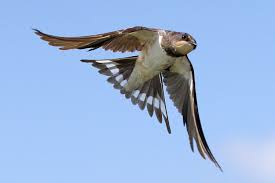
Which part of birds are modified as wings?
Hindlimbs
Shoulder
Forelimbs
Beak

The snakes's body curves into many (a) .

Name the four types of Joints.

identify the insect which can climb, fly and have outer skeleton.
Snail
Cockroach
Earthworm
snake

