wayground logo

Free Printable Worksheets

NEW

Font size

S
M
L
XL
Worksheets

Atoms and Periodic Table

Total questions: 25

Worksheet time: 1hrs 27mins

Name
Class
Date
1.
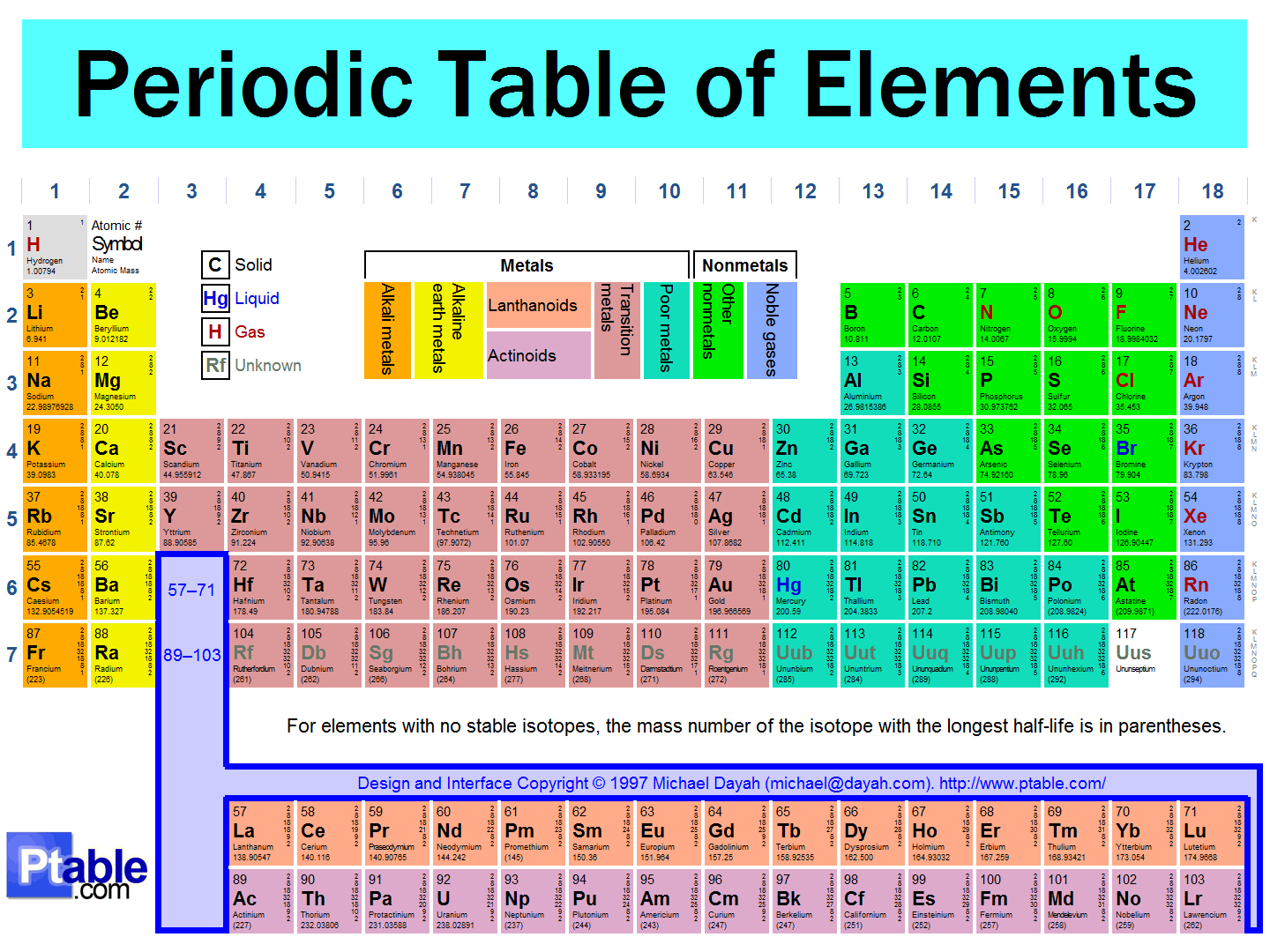
Most of the elements on the periodic table are classified as _____.
a)
Metals
b)
Nonmetals
c)
Metalloids
d)
Periods
2.
This class of elements are sometimes called "semiconductors."
a)
Metals
b)
Nonmetals
c)
Metalloids
d)
Groups
3.

______________ refers to the way a metal can be hammered or rolled into thin sheets.

a)

Luster

b)

Malleable

c)

Metalloids

d)

Solid

4.

Metals are found on the ______________ side of the periodic table.

a)

nonmetals

b)

left

c)

right

d)

metals

5.

This group of elements have properties that are opposite those of metals. ______________________

a)

luster

b)

nonmetals

c)

metalloids

d)

metals

6.

This group of elements sit along a stair step line on the periodic table and have properties of both metals and nonmetals. _________________________

a)

luster

b)

metals

c)

nonmetals

d)

metalloids

7.

Copper is a common metal. Which of the following properties does this metal most likely have?

a)

High conductivity, high malleability, and low luster

b)

Low conductivity, low malleability, and low luster

c)

High conductivity, high malleability, and high luster

d)

Low conductivity, high malleability, and high luster

8.

What is the name of group number 1?

a)

halogens

b)

noble gases

c)

alkali metals

d)

alkaline earth metals

9.

What group number are the halogens found?

a)

18 (8A)

b)

1

c)

2

d)

17 (7A)

10.

Which element is found in group 2, period 6?

a)

Oxygen (O)

b)

Barium (Ba)

c)

Selenium (Se)

d)

Carbon (C)

11.

All matter is made of _________.

a)
energy 
b)
atoms 
c)
electrons 
d)
compounds 
12.
What does the nucleus of an atom contain?
a)
Electrons and neutrons
b)
Protons and neutrons
c)
Neutrinos and positrons
d)
DNA and RN
13.

__________ are negatively charged particles that are in the orbitals around the nucleus.

a)

protons

b)

nucleus

c)

neutrons

d)

electrons

14.
Which is an electron?
a)
A
b)
B
c)
C
15.
The particles with no charge in an atom are the _______.
a)
electrons
b)
neutrons
c)
protons
d)
protons and neutrons
16.

An atom with atomic number 6 would have how many protons?

a)

6

b)

12

c)

3

17.
What is the number of protons that the element in this image contain?
a)
14
b)
7
c)
15
d)
18
18.
What is the atomic mass of "F"
a)
9
b)
18
c)
17
d)
19
19.
The air is a _________. 
a)
element 
b)
mixture 
c)
compound 
d)
energy 
20.
Contains two or more atoms combined
a)
Elements
b)
Compounds
c)
Mixtures
21.
Contains only one kind of atom.
a)
Element
b)
Compund
c)
Mixture
22.
Classify the picture with the correct label.
a)
Element
b)
Compound
c)
Mixture of Elements
d)
Mixture of Compounds
23.
Classify the picture with the correct label.
a)
Element
b)
Compound
c)
Mixture of Elements and Compounds
d)
Mixture of Elements
24.
This can be separated physically. 
a)
mixture 
b)
element 
c)
compound 
25.

What would be the best way to separate a salt water mixture into Sodium Chloride and H2O?

a)

Filtration

b)

Evaporation

c)

Chemical separation

d)

Magnetic Separation