
 Worksheets
Unit 2 Review
Total questions: 30
Worksheet time: 26mins

A glass of water is frozen to form ice. This change is a
chemical reaction
physical change
musical change
Ice Ice baby

Is this an example of a physical or chemical change?
physical
chemical

Is this an example of a physical or chemical change?
physical
chemical

Is this an example of a physical or chemical change?
physical
chemical

Is this an example of a physical or chemical change?
physical
chemical

Is this an example of a physical or chemical change?
physical
chemical
A chemical change
changes the physical properties of an object, but does not create a new substance.
creates a new substance and cannot be undone.
A physical change...
changes the physical properties of an object, but does not create a new substance.
creates a new substance and cannot be undone.

Is this an example of a physical or chemical change?
physical
chemical

A precipitate is a ___________ that forms when 2 liquids react together.
solid
liquid
gas
plasma
(a) is found in all four areas of the earth (lithosphere or solid earth), biosphere (all living matter on earth), hydrosphere (all water on earth), and atmosphere (the sphere of gases surrounding our earth).
Which element is the second most abundant in Earth's crust?
Oxygen
Calcium
Sodium
Silicon
Two elements that occur in the earth's atmosphere are _____ and _______.
Silicon and Argon
Argon and Aluminum
Nitrogen and Oxygen
Helium and Nitrogen

What graph is represented?
Living Things
Ocean
Crust
Atmosphere

What is this graph representing?
Living Things
Ocean
Crust
Atmosphere

What is this graph representing?
Ocean
Living Things
Atmosphere
Crust

What is this graph representing?
Ocean
Atmosphere
Crust
Living Things

What is the most abundant element in Earth's Atmosphere?
Oxygen
Nitrogen
Argon
Oxygen and Nitrogen

Which element is the least abundant in Earth's crust?
Silicon
Aluminum
Calcium
Oxygen
Which element is the most abundant in living matter?
nitrogen
oxygen
hydrogen
carbon
What is the most common element in the ocean?
hydrogen
oxygen
nitrogen
silicon
Which pure substance cannot be further broken down into other chemicals?
compound
element
Organize the following options into the corresponding categories.
Neon (Ne)
H2O
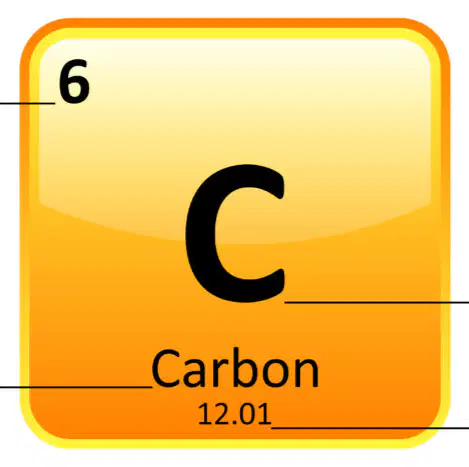

H2
HCl

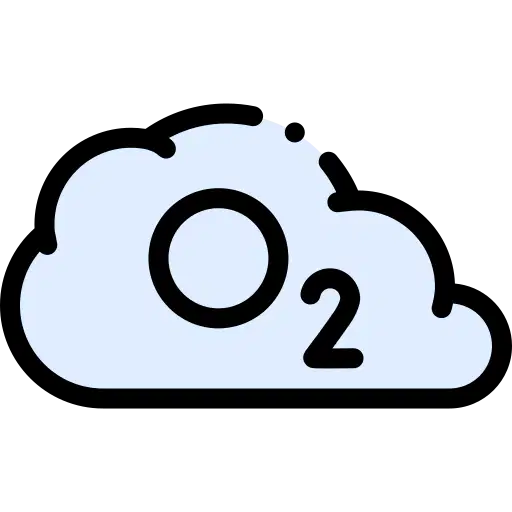
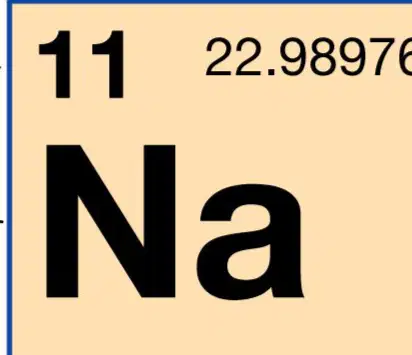
Na
NaCl is a compound because it is made up of two or more...
molecules
elements
gases
solids
Which of the following molecule is NOT a compound?
H2O
CO2
N3
NaCl
What is the smallest part of a silver ring that is still silver?
an electron
a molecule
an atom
a compound
Which combination of letters could be used as a chemical symbol for an element?
BR
CHO
Sn
FeO
Which combination of letters could be used as a chemical formula for a compound or molecule?
Na
SO4
Po
Cu

