
Font size
 Worksheets
SEL Lesson on Strengths and Self-Compassion
Total questions: 31
Worksheet time: 17mins
What are strengths?
Negative qualities or attributes that a person possesses.
Characteristics that are considered weaknesses.
Skills or abilities that a person lacks.
Positive qualities or attributes that a person possesses.
What are weaknesses?
Areas of expertise
Areas of vulnerability or lack of strength.
Strengths
Skills
What is self-awareness?
The ability to understand and empathize with others' thoughts, emotions, and behaviors.
The ability to recognize and understand one's own thoughts, emotions, and behaviors.
The ability to control and manipulate one's own thoughts, emotions, and behaviors.
The ability to predict and anticipate one's own thoughts, emotions, and behaviors.
Why is self-awareness important?
Self-awareness is important because it allows individuals to understand their own thoughts, emotions, and behaviors.
Self-awareness is important because it helps individuals understand others' thoughts and behaviors.
Self-awareness is only important for introverted individuals.
Self-awareness is not important because it leads to self-doubt and insecurity.
What is personal development?
The process of deteriorating oneself through activities, experiences, and learning.
The process of regressing oneself through activities, experiences, and learning.
The process of improving oneself through activities, experiences, and learning.
The process of staying stagnant and not growing through activities, experiences, and learning.
Why is personal development important?
To improve skills, knowledge, and abilities for personal growth and success.
To hinder personal growth and success
To remain stagnant and unfulfilled
To waste time and energy
How can you identify your strengths?
Take personality tests, analyze your achievements, and seek advice from mentors.
Reflect on past experiences, ask for feedback, and take assessments.
How can you improve your weaknesses?
Identify weaknesses, set goals, develop a plan, seek feedback, practice regularly, seek support, be consistent and persevere.
Give up on improving weaknesses
Blame others for weaknesses
Ignore weaknesses and focus on strengths
What is the first step towards personal development?
Self-awareness
Positive thinking
Time management
Goal setting
Why is it important to work on both strengths and weaknesses?
To avoid burnout and boredom.
To maximize potential and achieve personal and professional growth.
To maintain a balanced skill set.
To impress others with a wide range of abilities.

Same as truth, not lie
courageous
honest
fair

Taking care of or controlling of something, independent to make decisions
creative
calm
responsible

Having ideas that are different from others (art, ASL performance, or dance)
creative
fun-loving
friendly

Showing that you are nice or kind by giving or helping others
hard-working
generous
fair

Not bothered by fear or danger; brave
caring
courageous
creative

Wanting to know or find out or learn something
curious
calm
friendly

Showing an ability to understand and share the feelings of another
honest
empathic
responsible

Not showing or feeling nervousness, anger, or other strong emotions
generous
trustworthy
calm
Self- awareness can make us more proactive, boost our acceptance, and encourage positive self-development.
True
Fasle
Self-awareness leads to better decision-making.
True
False
What are ways to build self-awareness
Create space and time
Practice mindfulness
Journal your awareness
Practice listening
Get a different perspective
Self-care is caring for your _____?
Mental and Emotional Needs
Physical and Mental Needs
Emotional, Physical, and Spiritual Needs
Mental, Emotional, Physical, Social, and spiritual needs
Self-Care is a Luxury.
True
False
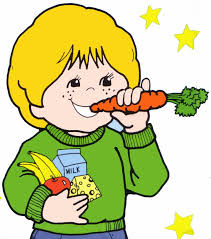
How is this person using self-care?
Looking at stars
Holding a lot of food
Smiling
Eating a healthy snack
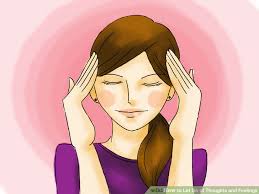
How is this person using self-care?
Having a headache
Touching her head
Thinking positive thoughts
Being confused
Which is not considered self-care?
Taking a warm bath
Laughing
Yelling at a friend
Deep breathing

What is something we can do that helps us feel healthier?
relax
recharge
take care of our emotional wellbeing
eat donuts
Why is Self Care important?
There's more to life than work
It improves your mental health
It improves your physical health
All of the above
What happens if we don't use Self Care?
Decreased productivity
Burnout
Emotional strain
All of the above
Internal Self Care is...
Anything healthy
Anything that you enjoy doing alone
Anything that involves exercise
Anything that doesn't involve technology
Which is an example of Self care?
Taking on new work
Practicing a skill for school or work
Meeting with a professor
Volunteering at an animal shelter

