
Font size
 Worksheets
City State Ancient Greece (SSWH2)
Total questions: 55
Worksheet time: 1hrs 2mins


Which three seas surround Greece
Mediterranean Sea
Baltic Sea
Ionian Sea
Aegean Sea
The ___________________________ were the first advanced civilization on the Greek mainland. They were warlike people who went to war with nearby civilizations using bronze weapons.
Mycenaeans
Ionians
Persians
Minoans
What is another name for a city-state?
acropolis
peninsula
polis
agora
Instead of forming a civilization under one government, the ancient Greeks formed communities called ___________ with their own governments and economic systems.
settlements
colonies
city-states
provinces
True or false. Greece is made up of 75% mountains.
True
False
Even though farming was difficult, the Greeks were able to grow grapes and olives.
True
False
How did the geography (land and climate) impact the Greeks?
Flooding made farming difficult.
The mountains allowed invaders to attack Greece.
The seas prevented the Greeks from traveling and trading.
The mountains separated the Greeks causing them to form separate communities called city-states.
What did the ancient Greeks become very good at building because of their geography?
Castles
Pyramids
Ships
Weapons
What did the ancient Greeks build to honor their gods?
Temples like the Parthenon
Oracles
Pyramids and obelisks
None of these
What was the purpose of the ancient Olympics?
It was a festival for the Gods
To find out who the strongest person in Greece was
To make money
All of these
What field of study are Socrates, Plato, and Aristotle famous for?
Literature
Philosophy
Mathematics
Science


(It housed a fort and a temple to the city-state's local god or goddess)


(Also, the largest city-state by a wide margin)
What effect did the geography of Greece have on its early development?
Greece had lots of natural resources, so they never had to trade with other nations
Being located on the Mediterranean Sea limited cultural diffusion
75 % of Greece was covered by mountains, which led to independent city-states (called polis)
Its location limited colonization outside of Greece
Which form of government involves all people who are residents of said location by giving each citizen the right to vote? (Used primarily in Athens)
Monarchy
Aristocracy
Direct Democracy
Oligarchy
How would someone from Athens describe Sparta after visiting it?
“The Spartans are so strict. Their military is what dominates their society.”
“It’s interesting how both the rich and poor can be rulers in Sparta."
"This society has so many personal freedoms, unlike in Athens.”
“Sparta is exactly like Athens."
Which of the following did Sparta and Athens have in common?
Both Favored Democracy
Both were dominated by their military
Both were Greek city-states
They fought on the same side in the Peloponnesian Wars
In a comparison between the Greek city-states of Sparta and Athens, Sparta placed more importance with ___
Equality and voting rights
Art and culture
education
the military
Which statement describes a direct democracy?
The government controls the actions of the people
Citizens participate in government decisions by voting
The military leaders create laws
Religious leaders control the governmen
Why is Ancient Greece considered important to Western Civilization?
Greek culture influenced today’s democracy, architecture, and entertainment
Athens defeated Sparta in the Peloponnesian Wars
The Greeks borrowed ideas from Rome and improved upon them
The Greeks invented the world’s first monotheistic religion
Who conquered all of Greece after the Peloponnesian Wars?
Alexander the Great
King Xerxes of Persia
King Darius of Persia
King Phillip of Macedonia
What were two regions conquered by Alexander the Great?
Egypt and Persia
China and Egypt
Persia and China
Macedonia and Germany
Who conquered all of Greece after the Peloponnesian Wars?
Alexander the Great
King Xerxes of Persia
King Darius of Persia
King Phillip of Macedonia

Based on this image, Hellenism was the result of ___
military strength
combining cultural ideas (cultural diffusion)
isolation of Egypt, India, Persia, and Greece
urbanization

Based on this image, what is “Hellenism”?
Separation of cultures to prevent the mixing of ideas
The study of Greek culture
The spread and blending of Greek culture with other cultures
A nation along the Mediterranean Sea
Which great leader is most closely associated with the spread of Hellenistic civilization?
Augustus Caesar
Chandra Gupta
King Phillip II of Macedonia
Alexander the Great
Greek cities had a(n) ________, a massive marketplace that was the center of trade and government.
Acropolis
Coliseum
Palace
Agora
Which three bodies of water surround Greece?
Mediterranean
Ionian
Aegean
Yellow
Women could vote and take part in government in Athens.
True
False
Match the following.
Zeus
King of the Gods, God of the Sky & Lightning
Athena
Goddess of Wisdom and War
Hades
God of the Underworld
Poseidon
God of the Sea
Aphrodite
Goddess of Love and Beauty
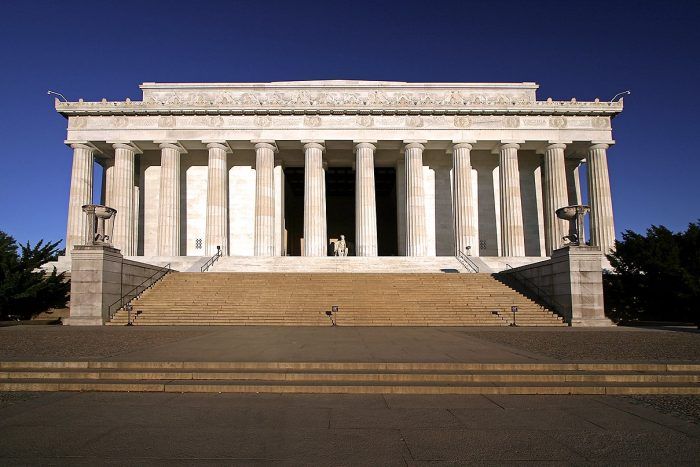
What did architects of ancient Greece use in the construction of their buildings?
ceilings
walls
mosaic
columns


What was this war called?
Which of these is NOT true about the geography of Ancient Greece?
Greece is made up of small islands and peninsulas
Greece had a lot of good farmland
Greece is rocky and mountainous
The mountains and seas isolated Greek city-states
A Spartan's name for an enslaved soldier.
Tyrant
Helot
Democracy
Oligarchy
A government system where only a few people hold power.
Ephor
Democracy
Oligarchy
Tyranny
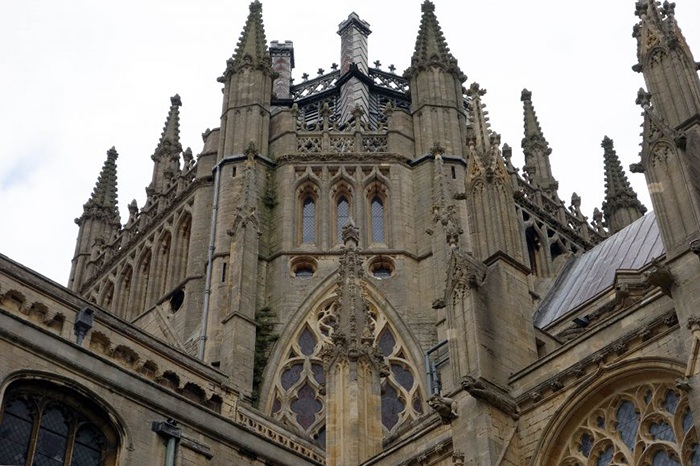
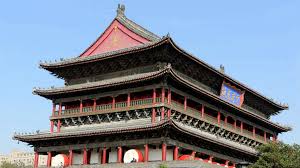
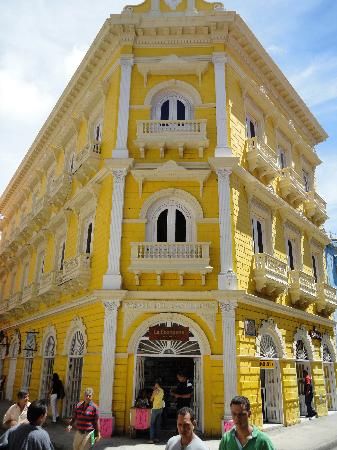
Which would be an example of Greek architecture?

Which continent is Europe?
1
5
6
4
Greece is made up of hundreds of islands
True
False

