
 Worksheets
Industrial Revolution Review
Total questions: 64
Worksheet time: 3hrs 12mins
Where did the New Immigrants come from?
Northern/western Europe
Latin America
Asia
Eastern/southern Europe
Which of the following were reasons people might have been encouraged to come to America.
to be a cowboy
work in a trade
pursue an education
to live in a tenement
What is the best definition of Nativism?
When Native Americans are discriminated against.
the belief that immigrants are inferior to others.
When immigrants are recruited from overseas
When immigrants choose to live in areas with people like them.
Upon arriving in New York, immigrants were to go to
Central Park
Elis Island
Manhattan
the Empire state building
An "ethnic neighborhood" is
an area that is segregated
An area where food is prepared
a bad part of town
a place where many people from one country might live.
which of the following are reasons a union might go on strike for during the Gilded Age?
better pay
paid vacation
shorter hours
safer conditions
An immigrant new to America would most likely where?
a penthouse
a tenement apartment
in the suburbs
on a ranch
Which of the following limited immigration?
the Dawes Act
The Homestead Act
The Pacific Railway Act
Chinese Exclusion Act
The growth of cities is called . . .
rural
technology
immigration
urbanization
The Gilded Age saw the greatest shift in population from which area to which area?
Rural areas to Urban areas
Urban areas to Rural areas
The growth of machines and factories to produce goods is called...
industrialization
urbanization
populism
nativism
Many people, including immigrants, lived in run-down ___________________ during the Gilded Age.
slums
factories
coal mines
offices
Immigrants came to America to escape
religious persecution
low living standards
poor economies
all of the above

Americans who were opposed (against) immigrations were
Bootlegger
Monopolies
Communists
Nativists
To make a difference and to making something better...
Reform
Nativize
Urbanize
Industrialize
Which of the following refomers was a photojournalist who wanted to expose slum life?
Jane Addams
Mrs. Moore
Thomas Edison
Jacob Riis
The Great Migration was the movement of ______________ to ________________ after the Civil War.
Native Americans to the South
African Americans to the North
Native Americans to the North
African Americans to the South

Why was it called the "Gilded Age"?
America had many organizations for immigrants to join.
America looked bright and shiny from the outside, but had problems, like corruption.
It was beginning to build many large cities, with skyscrapers.
Andrew Carnegie and John D Rockefeller created monopolies. What is a monopoly?
When one person or company controls a market
a board game created by Rockefeller and Carnegie
a law that gave them advantages in business
Andrew Carnegie and John D Rockefeller were know as robber barons because:
they were like nobility, but they trampled on people to get rich.
they robbed trains to get rich.
they made their fortune by working through the night.
When a single group of people makes decisions for multiple companies and trade stocks, it is known as a:
stock
corporation
monopoly
trust
How did Cornelius Vanderbilt build his wealth?
Automobile Industry
Railroad and Shipping Industry
Oil Industry
Steel Industry
During the late 19th century, most immigrants to the U.S. found work as ?
Educated professionals
Factory workers
Scientists
Lawyers
Who owned Standard Oil and is considered the wealthiest American of all time?
John D. Rockefeller
Andrew Carnegie
Samuel Gompers
JP Morgan
- Founded what became US Steel
- Wrote the Gospel of Wealth
- Used profits in philanthropic activities
What Gilded Age individual best represents the description above?
John D. Rockefeller
Andrew Carnegie
George Pullman
Thomas Edison
Which historical figure is known for leading the banking industry during the Gilded Age?
J.P. Morgan
Cornelius Vanderbilt
Andrew Carnegie
John D. Rockefeller
Men such as Andrew Carnegie believed in giving money to libraries, museums and schools to help benefit people who wanted to move up in the social ladder.
geopolitical
political bosses
anthropology
philanthropy
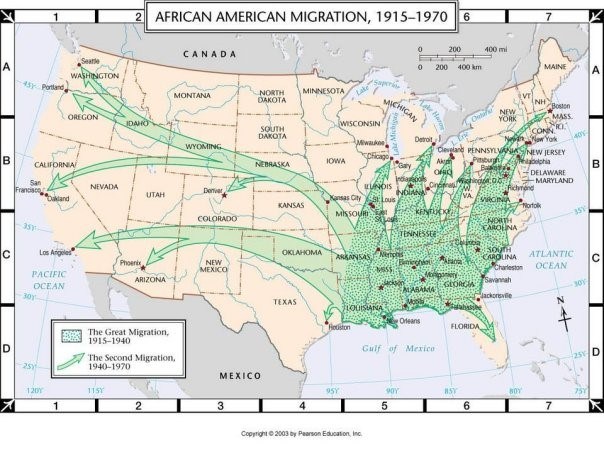
By 1910 where did the majority of African-Americans live?
The South
The North
The East
The West
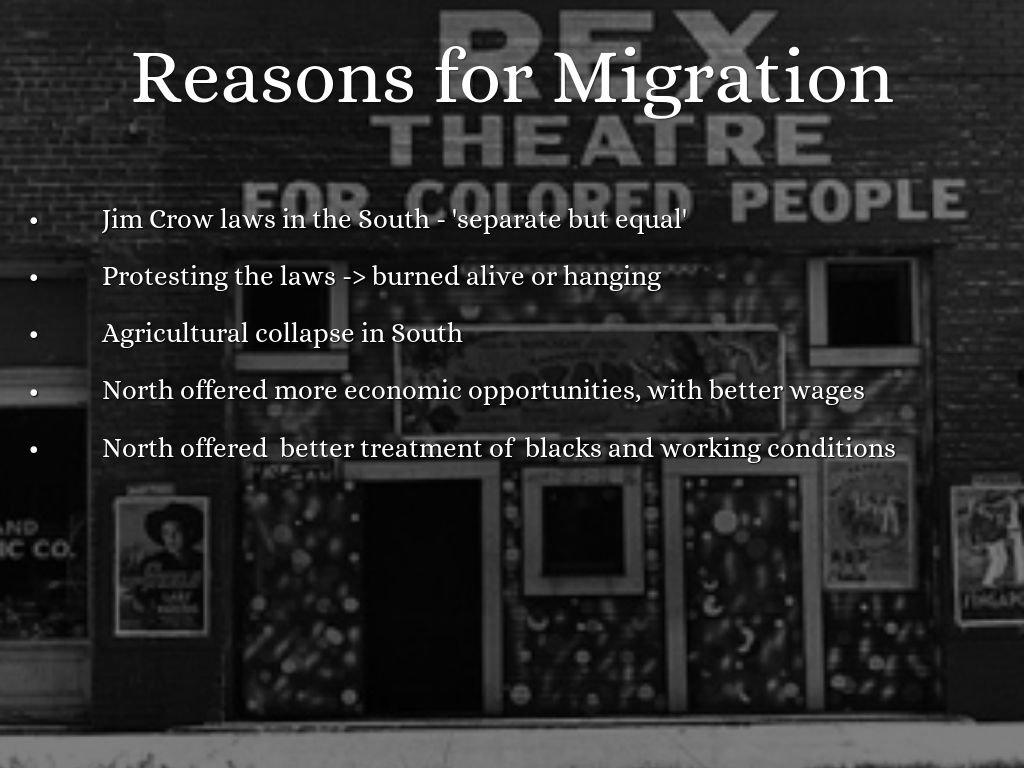
What two (2) things were African-Americans looking for when they did move?
Segregation and a Better Life
Lost Family and A Better Life
Discrimination and More Opportunities
More Opportunities and a Better Life
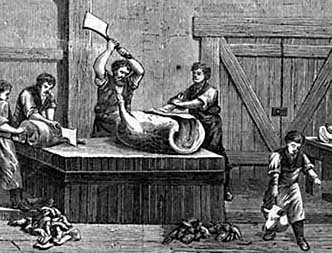
Which of the following was NOT an area where African-Americans were able to get jobs in the North.
Sharecropping
Steel Industry
Automotive Factories
Meatpacking Plants
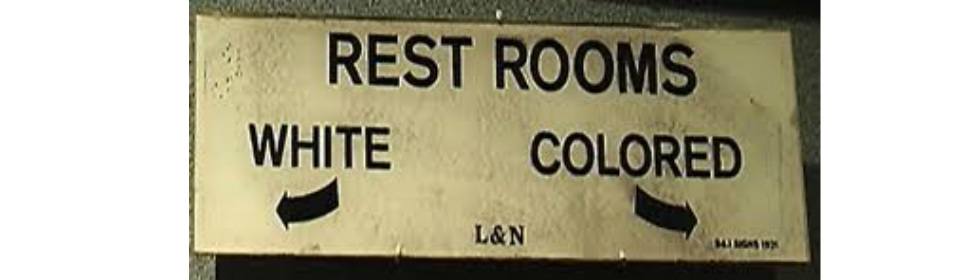
What part of the Jim Crow laws were African-Americans mostly trying to get away from? Hint: One of these has always been around the other was created by these new laws
Discrimination
Segregation
Which is a reason African Americans migrated North and West?
Jobs were scarce and low paying
There was plenty of work
It was safe in the South
An overt favoritism toward Native-born Americans. This gave rise to anti-immigration sentiment
Activism
Nativism
Americanism
Marxism
the immigration station located in CA that processed over 500 Asian immigrants every day
Ellis Island
Thomas Island
Angel Island
Williams Island
The illegal use of political influence for person gain
Tweed Ring
Gain
Graft
Raft
An organized group of people that controlled the activities of a political party
Political machine
Republican
Democratic machine
presidential machine
Multi story, multi-family urban dwellings that were overcrowded and unsanitary
Hotel
Skyscraper
Tenement
Motel
"Boss" Tweed was.....
The head of AFL
The Boss of J.P Morgan's empire
The Boss of the Amalgamated Steel Corporation
The head of Tammany Hall, a NYC democratic political machine
This idea grew out of the English Naturalist Charles Darwin's theory of biological evolution
Americanism
Activism
Social Darwinism
Marxism
Community centers in slum neighborhoods that provided assistance to people in the area
Settlement Houses
The Williams Houses
Tenement Houses
The Skyscraper Houses

These organizations tried to improve working conditions for workers-
Political Bosses
Labor Unions
Political Machines
Farmers

They worked hard, did not attend school, and there was not any laws to protect them.
Lockout
Arbitration
Child Labor
Collective Bargaining

A refusal to work (most successful method)
strikes
lockouts
collective bargaining
black lists

This incident led to demise of Knights of Labor
Pullman Strike
Homestead Strike
Haymarket Square
During the industrial Revolution in the U.S., laissez-faire economic policies led to what?
Markets that were dominated by monopolies
The creation of strong regulations that ensured businesses did not harm the general public
Significant improvements in working conditions gained through collective bargaining by labor unions
The government placing heavy taxes on the large monopolies and truasts
What does "ICC" stand for?
International Cooperative Committee
Interactive Competitive Challenge
Ideological Californian Corporations
Interstate Commerce Commission
Low wages, long workdays, and bad working conditions led to the formation of
Labor Unions
Corporations
Inventions
Progress towards better conditions in government and society is known as
Industrialization
Innovation
Progressivism
Journalists that investigated and exposed political corruption, child labor, slum conditions, and other social issues were called
Monopolies
Muckrakers
Corporations
The Meat Inspection Act and Pure Food and Drug Act were created because of the book “The Jungle” written by
John Rockefeller
Upton Sinclair
Teddy Roosevelt
set of laws established in the South and resulted in inferior education, health care, and transportation systems for African Americans.
Jim Crow Laws
NAACP Laws
Progressive Laws
What southern state was Plessy in?
Louisiana
Texas
Georgia
What did Homer Plessy do that got him arrested?
Sat in the white only part of the bus.
Took a seat in the white only car of a train.
Sat at a white only section of a lunch counter.
Plessy and the other members of his organization were trying to challenge
the Brown v. Board of Education case
Segregation and the Jim Crow laws
Reconstruction
equal pay for equal work
What was one of the results of Plessy v. Ferguson?
The Supreme Court ruled in favor of Plessy saying segregation was illegal.
The Supreme Court never made a ruling.
The Supreme Court ruled that segregation was legal.
What famous phrase came out of the Plessy case?
"Separate but equal"
"Give me liberty or give me death."
"By any means necessary"
The Plessy v. Ferguson case had what impact on the U.S.?
It legalized Jim Crow (Segregation) Laws throughout the U.S.
It made Jim Crow (Segregation) Laws illegal throughout the U.S.
It created more equality
Which court Supreme Count case overturned (changed) Plessy v. Ferguson and the idea of segregation?
Dred Scott v. Sanford
Tinker v. Des Moines
Roe v. Wade
Brown v. Board of Education

