
Font size
 Worksheets
Pure Substances and Mixtures: Review
Total questions: 26
Worksheet time: 18mins
What are two the two types of mixtures?
elements
compounds
heterogenous
homogenous
A pure substances ________ be broken down into simpler matter using physical methods.
sometimes
can
can not
Why kind of mixture is this? All parts of the mixture are visible because they do not mix together.
Heterogeneous
Homogenous
Element
Compound
Why kind of mixture is this? Compounds cannot be distinguished from each other.
Heterogeneous
Homogenous
Element
Compound
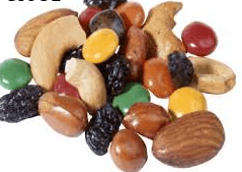
Why kind of mixture is this?
Heterogeneous
Homogenous
Element
Compound
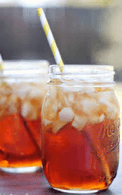
Why kind of mixture is this? (the sugar in the tea)
Heterogeneous
Homogenous
Element
Compound
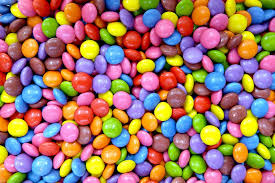
Why kind of mixture is this?
Heterogeneous
Homogenous
Element
Compound
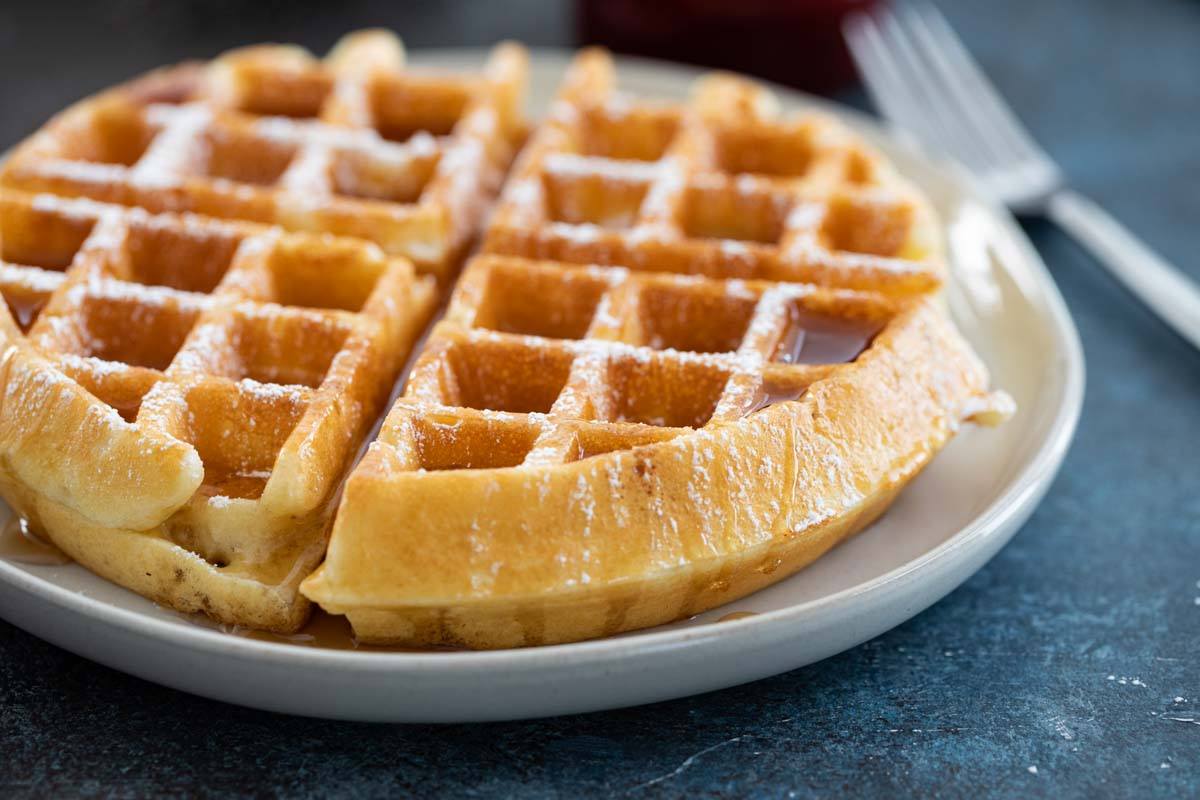
Why kind of mixture is this?
Heterogeneous
Homogenous
Element
Compound
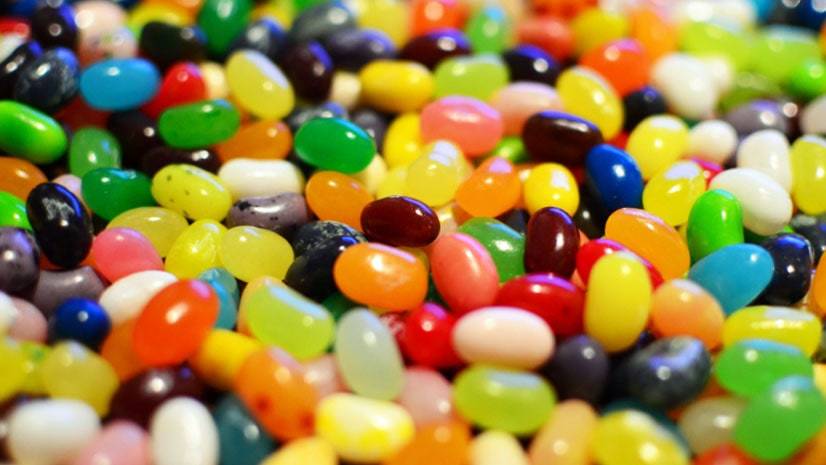


SEA WATER is an example of:
solution
colloid
LEMONADE is an example of:
solution
colloid
SMOKE is formed when solid particles of ash are suspended in the air. This is an example of a:
solution
colloid
The "BEST MIXED" of all mixtures is
colloid
solution
heterogeneous
element
Which is a colloid?
Air
Rice in water
Fog
Rain water
Which one is a colloid?
sea water
air
river water
milk
which one is a suspension?
oil in water
soapy water
air
brass
Which is True?
Suspensions do not settle
suspension settle
colloids settle
Solutions settle
Which of the following would result in being able to dissolve a greater amount of solid in a solution?
Lower the temperature.
Decrease the pressure of the solution.
Increase the pressure of the solution.
Heat the solution.
Which one of these is considered a SOLUTE?
Salt
Water
Salt Water
What are the factors that affect solubility?
rate of stirring
particle size
temperature
all of these
What combination would dissolve a solid solute the fastest?
high temperature, no stirring
no heat, no stirring
sugar cube, no heat
high temperature, stirring
Why do sugar particles dissolve faster in hot water?
water particles move slow
water particles move fast
water particles settle down
water particles stay on top

