Wayground logo

Free Printable Worksheets

Font size

S
M
L
XL
Worksheets

WH1

Total questions: 47

Worksheet time: 27mins

Name
Class
Date
1.

The rise, fall, and overthrowing of a ruling family in ancient China is called

a)

The Dynastic Cycle

b)

The Mandate of Heaven

c)

The rule of thumb

d)

The Caste System

2.
This is the name of the social system in India.
a)
Untouchables
b)
ancient
c)
caste
d)
Vedas
3.
River Valleys provided all the following benefits EXCEPT -
a)
Protection from invaders
b)
Potential severe floods
c)
Water for agriculture
d)
Water for sanitation
4.
Name the River Valley Civilization shaded in orange on the map
a)
Egypt
b)
Mesopotamia/
Sumer
c)
India
d)
China
5.
Shang China established a series of rulers from the same family.  What is each family rule called? 
a)
Monarchy
b)
Dynasty
c)
Dictatorship
d)
Empire
6.
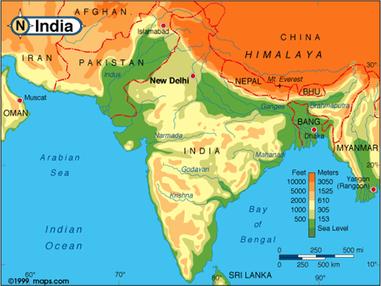
What river did these people in the ancient India settle along?
a)
Tigris
b)
Nile
c)
Indus
7.
Babylonian leader who created the first written code of 282 laws that dealt with almost every part of daily life
a)
Gilgamesh
b)
Sargon
c)
Hammurabi 
d)
Sumer
8.
Name the civilization: 
- Huang He (Yellow) River
- Calligraphy writing
- Paper and Silk
a)
Egypt
b)
Mesopotamia/
Sumer
c)
India
d)
China
9.
Name the civilization: 
- Tigris and Euphrates
- Cuneiform
- City-States
a)
Egypt
b)
Mesopotamia/
Sumer
c)
India
d)
China
10.
Name the civilization: 
- Nile River
- Hieroglyphics
- Pyramids
a)
Egypt
b)
Mesopotamia/
Sumer
c)
India
d)
China
11.
Zoroastrians believe in _____________.
a)
1 God
b)
3 Gods
c)
Many Gods
d)
No Gods
12.
Who was the first leader of the Persian Empire?
a)
Xerxes
b)
Darius the Great
c)
Cyrus the Great
d)
Alexander the Great
13.
Zoroastrianism is a religion founded during the Persian Empire. What was its main belief?
a)
Belief in one God
b)
Belief in many Gods
c)
Belief in 2 opposing forces (Good & Evil)
d)
Belief in karma and reincarnation
14.
Which of the following was NOT a leader of the Persian Empire?
a)
Cyrus the Great
b)
Darius I
c)
Napoleon
d)
Xerxes
15.

What best completes the list?

a)

Lived in clans

b)

Migrated to new places

c)

Created cave art

d)

Made pottery

16.
What was the purpose of this structure?
a)
To make travel easier
b)
To carry water
c)
To practice a religion
d)
To defend a city
17.
According to the Mandate of Heaven, a Chinese emperor could remain in power as long as he --
a)
obeyed the priests
b)
controlled the army
c)
governed as a just ruler
d)
conquered new territories
18.
Which empire is associated with the Indus river system?
a)
Gupta Empire
b)
Chinese Empire
c)
Phoenician Empire
d)
Babylonian Empire
19.
Taoism and Confucianism use this symbol to represent...
a)
Opposites
b)
Peace
c)
Humility
d)
Unity
20.
Which religion would follow this system of social hierarchy?
a)
Taoism
b)
Hinduism
c)
Buddhism
d)
Shintoism
21.
Who is this man?
a)
Siddhartha Gautama
b)
Confucius
c)
Abraham
d)
Zoroaster
22.
Which two cities were discovered in the Indus River Valley?
a)
Tigris and Euphrates
b)
Sumer and Babylonia
c)
Harappa and Mohenjo-Daro
d)
Cairo and Bahgdad
23.
What were oracle bones used for?
a)
Cooking
b)
Telling stories
c)
Building the Great Wall of China
d)
Asking for advice from the gods
24.
Name the civilization: 
- Huang He (Yellow) River
- Calligraphy writing
- Paper and Silk
a)
Egypt
b)
Mesopotamia/
Sumer
c)
India
d)
China
25.
Which of the following means one god?
a)
Monotheism
b)
Polytheism
26.

The mountains in that separate India from the rest of Asia are the

a)

Khyber Pass

b)

Himalyayas

c)

Rockies

d)

Cascade

27.

Who was a ruler of ancient Egypt?

a)

pharaoh

b)

scribe

c)

noble

d)

mummies

28.

Mesopotamia means the land between two rivers. Name the two rivers.

a)

Nile and Amazon

b)

Tigris and Euphrates

c)

Snake and Colorado

d)

Pol and Yangtze

29.

What is the name of the strict social structure of the Indus Valley?

a)

Upper Class

b)

Caste System

c)

Triangle Structure

d)

Social System

30.
What group of people made up the bottom levels of both 
a)
farmers and slaves
b)
landowners
31.

The defining characteristic of polytheistic religions is the idea that?

a)

there is an eternal struggle between good and evil

b)

beings undergo many cycles of rebirth

c)

past actions control the destiny of each person

d)

there are many gods and goddesses in existence

32.

Which ancient civilization created the settlements shown in this map?

a)

Phoenician

b)

Egyptian

c)

Hebrew

d)

Greek

33.

What ancient writing system is illustrated in this picture?

a)

Chinese characters

b)

Phoenician alphabet

c)

Egyptian hieroglyphics

d)

Sumerian cuneiform

34.

Which of thee best completes this diagram?

a)

Vedas

b)

Upanishads

c)

Twelve Tables

d)

Ten Commandments

35.

The origin of Judaism can be traced to:

a)

Abraham

b)

Mohammed

c)

Asoka

d)

Gautama

36.

One of the first written codes of law was the:

a)

Vedas

b)

Code of Hammurabi

c)

Eightfold Path to Enlightenment

d)

Hieroglyphics

37.

The most important reasons man's earliest civilizations began in river valleys was because these valleys:

a)

were used for extensive trade

b)

offered abundant wildlife for food

c)

offered rich soil for agriculture

d)

provided transportation for nomadic people

38.

Polytheism is -

a)

there is an eternal struggle between good and evil

b)

The idea there are many gods and goddesses

39.

What Mesopotamian Empire were seafaring traders in the Mediterranean Sea who colonized North Africa and created the first alphabet?

a)

Phoenicia

b)

Sumer

40.

This appeared before the Nile river flooded.

a)

bright star

b)

solar eclipse

c)

lunar eclipse

d)

UFO

41.

Process which preserves the body for centuries.

a)

embalming

b)

mummification

c)

burial

d)

cremation

42.

The Egyptian number system is based on _______.

a)

tens

b)

hundreds

c)

ones

d)

tenths

43.

The Great Pyramid is in _________.

a)

Aleppo

b)

Cairo

c)

Giza

d)

Jericho

44.

First tools, the use of fire, and cave art are from this era.

a)

Paleolithic Era

b)

Neolithic Era

45.

Which number on the map represents the region where archaeologists believe the first humans appeared?

a)

1

b)

2

c)

3

d)

4

46.

Scientists who study past cultured by analyzing human remains, fossils, and artifacts are called:

a)

geologists

b)

archaeologists

c)

physchologists

d)

entomologists

47.

Which statement best explains the migration of early humans?

a)

rise of civilizations displaces other people

b)

natural disasters forced people to leave native lands

c)

people searched for new sources of food

d)

religious conflicts made people leave disputed lands