
 Worksheets
Appendicular Practice
Total questions: 100
Worksheet time: 3590secs
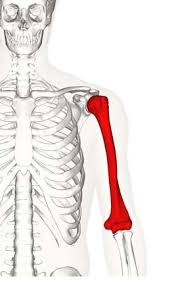
Which bone is highlighted
humerus
fibula
radius
ulna
tibia
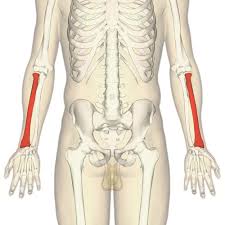
Which bone is highlighted
humerus
radius
ulna
femur
fibula
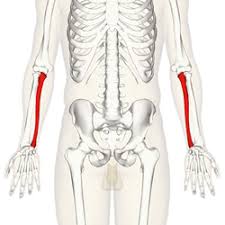
Which bones are highlighted
humerus
radius
ulna
fibula

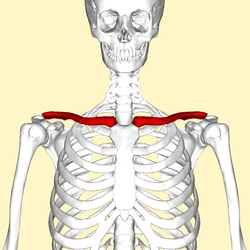
Clavicle
Scapula
Sternum
Radius

The 8 colored bones make up the
metatarsals
tarsals
carpal bones
metacarpal bones
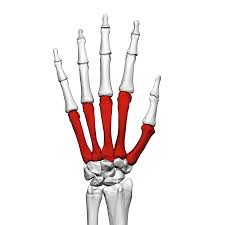
Which bones are highlighted
metacarpals
metatarsals
carpals
tarsals
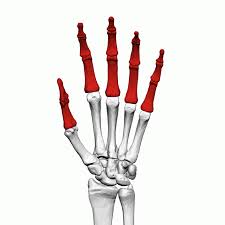
Which bones are highlighted
phalanges
carpals
metatarsals
metacarpals
The pelvis is made of which 3 bones?
Pubis, Ischium, and Sacrum
Sacrum, Lumbar, Pubis
Ischium, Ilium, Sacrum
Ilium, Ischium, Pubis

Identify the highlighted part of this bone
Iliac crest
Pubis
Ilium
ischium

Identify the highlighted part of this bone
Iliac crest
Pubis
Ilium
Ischium

What bone of the pelvic girdle is colored purple (#1)?
ilium
ischium
pubis
sacrum
coccyx
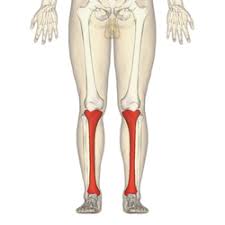
Which bone is highlighted
fibula
tibia
ulna
radius
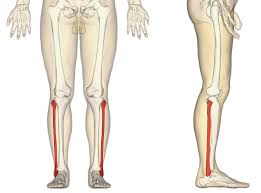
Which bone is highlighted
femur
radius
tibia
fibula

Identify these bones that make up the ankle
tarsals
carpals
metatarsals
metacarpals
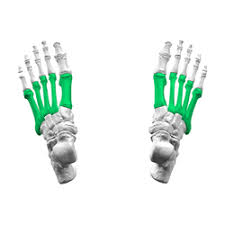
Which bones are highlighted
metatarsals
metacarpals
tarsals
carpals


the yellow bone in the image:
trapezoid
lunate
triquetrum
hamate
pisiform
the light blue bone in the image:
trapezoid
lunate
scaphoid
capitate
pisiform
the pink bone in the image:
trapezoid
trapezium
scaphoid
capitate
triquetrum
the red bone in the image:
trapezium
lunate
scaphoid
capitate
pisiform
the black bone in the image:
trapezium
lunate
trapezoid
capitate
triquetrum
the purple bone in the image:
trapezium
lunate
scaphoid
capitate
hamate
the light green bone in the image:
trapezium
lunate
triquetrum
capitate
pisiform
the grayish blue bone in the image:
trapezium
lunate
triquetrum
capitate
scaphoid
How many phalanges are in the fingers (2-5)?
1
2
3
4

What are the names of the phalanges colored blue?
distal phalanges
middle phalanges
proximal phalanges
What are the names of the phalanges colored green?
distal phalanges
middle phalanges
proximal phalanges
What are the bones colored yellow?
phalanges
metacarpals
carpals

What carpal bone is colored light green (far right, under the red)?
hamate
capitate
pisiform
triquetrum
What carpal bone is colored light blue (bottom right, under the dark blue)?
lunate
trapezium
trapezoid
scaphoid

What bones are colored yellow?
Tarsals
Metatarsals
Phalanges
Metacarpals

Name the outside portion of the tibia shown in blue.
Medial malleolus
Lateral malleolus
Acetabulum
Talus

Name the outside portion of the femur shown in blue.
Patella
Lesser acetabulum
Greater trochanter
Greater talus

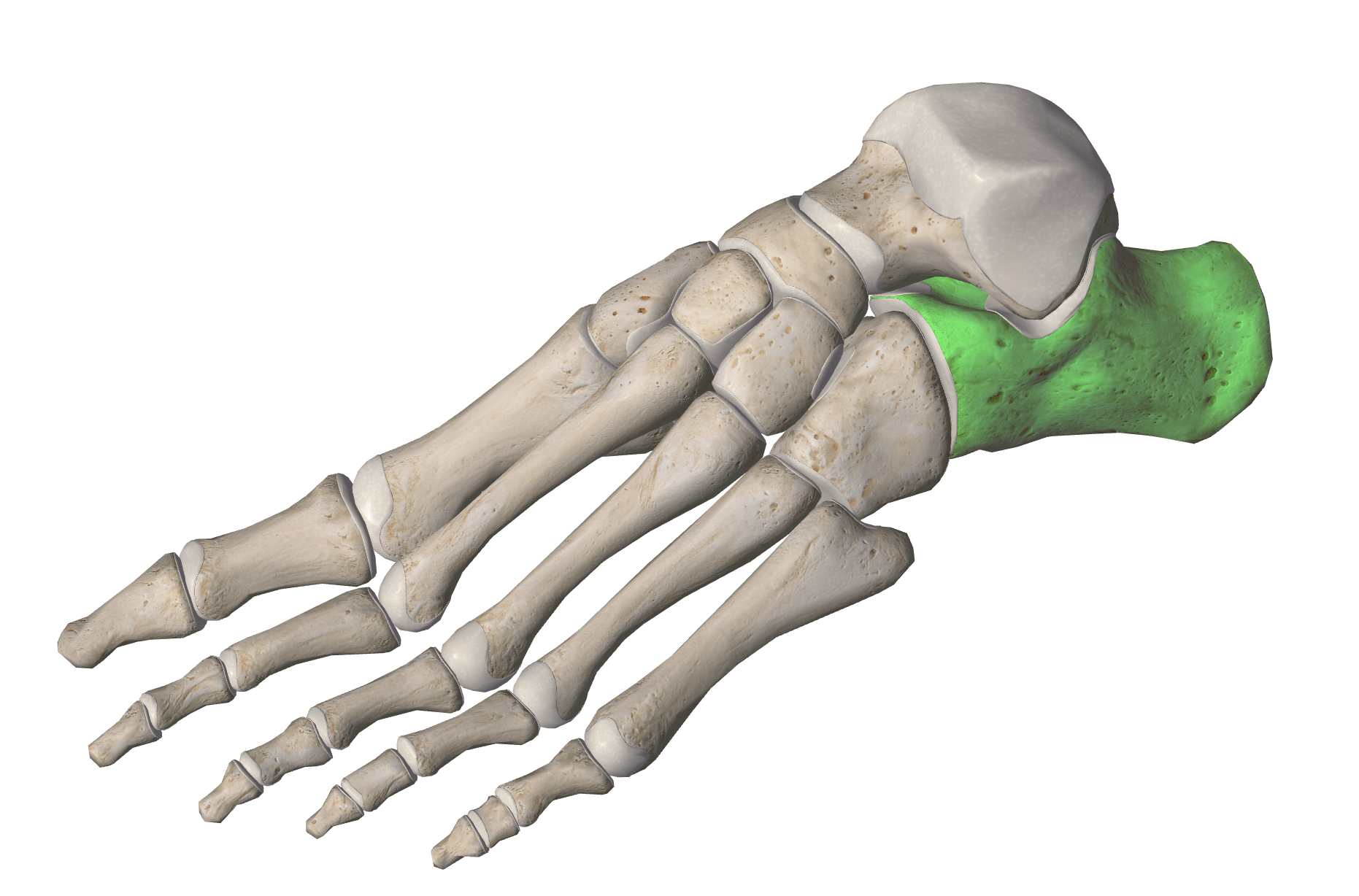
Tarsals
Metatarsals
phalanges of feet
iliac crest
talus

Tarsals
Metatarsals
phalanges of feet
iliac crest
calcaneus

Tarsals
Metatarsals
phalanges of feet
iliac crest
calcaneus

Tarsals
Metatarsals
phalanges of feet
iliac crest
calcaneus

coxal
femur
patella
fibula
tibia

carpals
metacarpals
phalanges
ilium
ischium

carpals
metacarpals
phalanges
ilium
ischium

coxal
femur
patella
fibula
tibia

Which bone is highlighted
ilium
ischium
pubis
coccyx
sacrum
The appendicular skeleton is composed of ___ bones.
120
206
150
126

What feature is labeled 6?
obturator foramen
acetabulum
greater sciatic notch
pubis symphysis

The iliac crest is at which number?
7
9
4
5

What feature is pointed out by arrow 8?
acetabulum
pubis symphysis
iliac spine
obturator foramen
The head of the radius articulates with the
Carpals
Capitulum
Trochlea
Styloid process
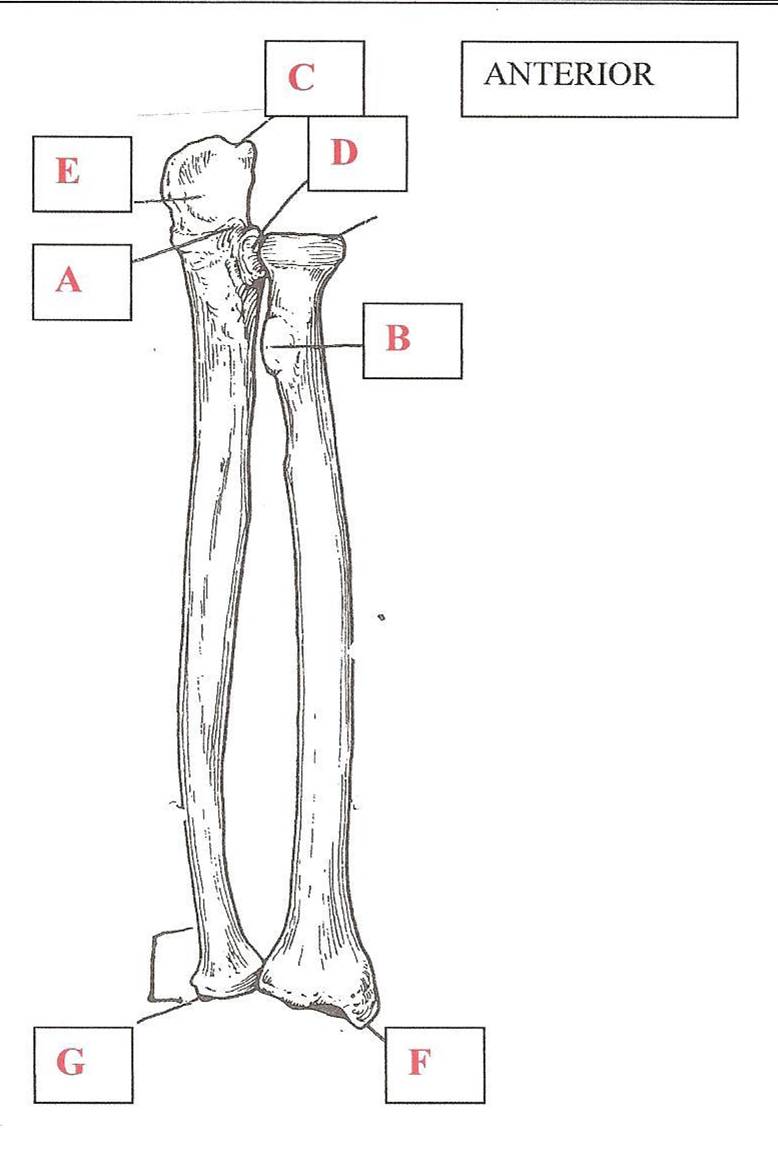
Label C (anterior view of the left forearm)
Semilunar Notch
Coronoid process
Radial tuberosity
Olecranon process
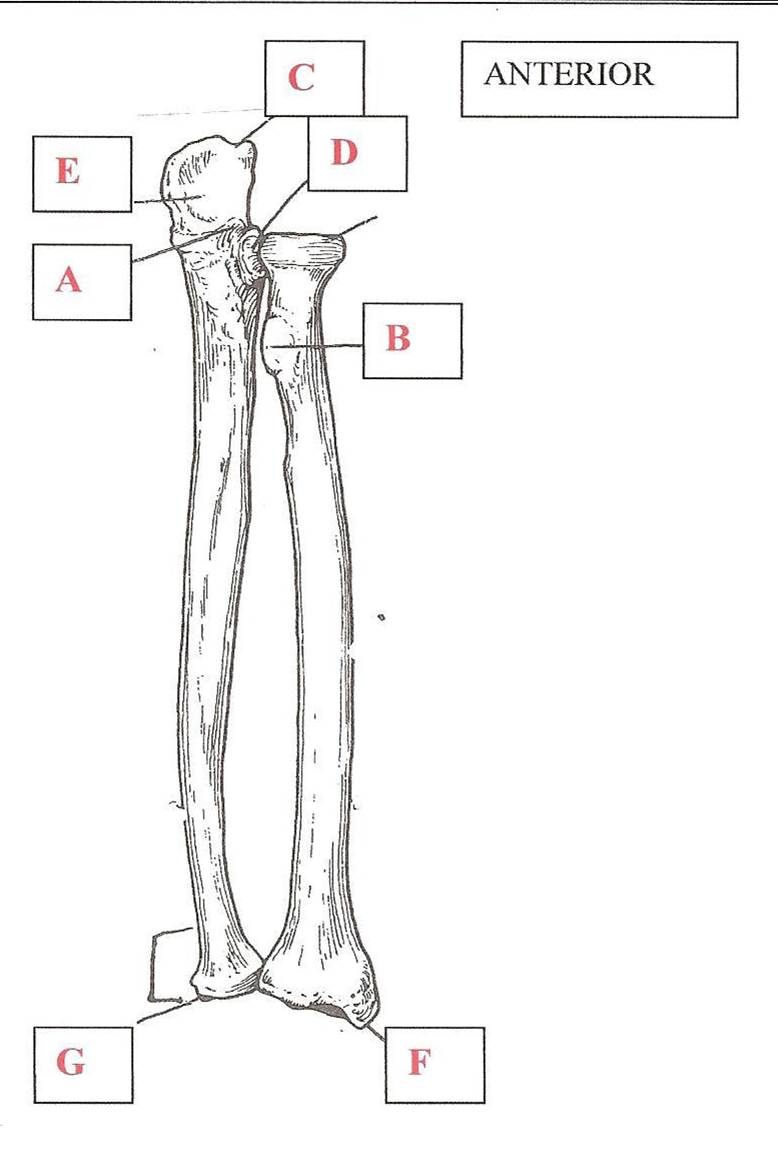
Label A (anterior view of the left forearm)
Semilunar Notch
Coronoid process
Radial tuberosity
Olecranon process

Label A (anterior view of the left arm)
Medial epicondyle
Lateral epicondyle
Capitulum
Coronoid fossa
The clavicle is composed of two ends, one is the sternal end and the other is
Acromial end
Coracoid end
Glenoid end
Medial end

The ridge on top of the bone is the ___________tuberosity.
coronoid
epicondyle
deltoid
bicep

Intertubercular groove
coronoid process
trochlea
condyle

greater tubercle
lesser tubercle
deltoid tuberosity
coronoid fossa


medial epicondyle
lateral epicondyle
trochlea
capitulum

Green marking is the:
trochlea
olecranon fossa
capitulum
coronoid process

What is number 1?
olecrannon process
ulna
radius
radial styloid process

What is number 3?
ulna
radius
ulnar styloid process
radial styloid process

What is number 4?
radius
ulna
ulnar styloid process
radial styloid process

What is number 6?
radial notch
radial styloid process
ulnar styloid process
head of radius

What is number 6?
lateral epicondyle
medial epicondyle
head of the radius
head of the ulna

#7
Lunate
Hamate
Triquetrum
Scaphoid

#9
Trapezoid
Trapezium
Capitate
Pisiform

Number 1
Posterior Superior Iliac Spine
Greater Sciatic Notch
Lesser Sciatic Notch
Obturator Foramen
Iliac Crest
Number 2
Posterior Superior Iliac Spine
Greater Sciatic Notch
Lesser Sciatic Notch
Obturator Foramen
Iliac Crest
Number 3
Posterior Superior Iliac Spine
Greater Sciatic Notch
Lesser Sciatic Notch
Obturator Foramen
Iliac Crest

Number 6
Anterior Inferior Iliac Spine
Superior Ramus of Pubis
Articular surface of pubis
Posterior Superior Iliac Spine
Lesser Sciatic Notch
Number 9
Anterior Inferior Iliac Spine
Superior Ramus of Pubis
Articular surface of pubis
Posterior Superior Iliac Spine
Lesser Sciatic Notch
Number 10
Anterior Inferior Iliac Spine
Superior Ramus of Pubis
Articular surface of pubis
Posterior Superior Iliac Spine
Lesser Sciatic Notch

Green Marking is the __________neck of the humerus.
anatomical
surgical

lesser tubercle
greater tubercle

DISTAL END
STERNAL END
ACROMIAL END
PROXIMAL END


GLENOID FOSSA
SCAPULAR NOTCH
INFRASPINOUS FOSSA
INFRASPINATUS MUSCLE

SPINE
ACROMION
CORACOID PROCESS
SUPRAGLENOID TUBERCLE



