
Font size
 Worksheets
Chapter 3 Review
Total questions: 25
Worksheet time: 19mins
Most of the water on Earth is FRESHWATER.
True
False
Intense heat and pressure are needed to form which type of rock?
sedimentary
metamorphic
igneous
What the movement of water into the atmosphere from surface waters?
precipitation
transpiration
evaporation
subduction
Which of the following is the process by which producers use carbon dioxide, water and sunlight to make their own food?
photosynthesis
cellular respiration
decomposition
deposition
Which of the following is responsible for breaking down matter in an ecosystem?
producer
decomposer
consumer
Which of the following are compounds?
carbon dioxide
oxygen
sulfur
water
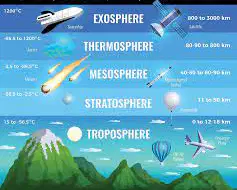
The image is a diagram of which sphere?
atmosphere
geosphere
hydrosphere
biosphere
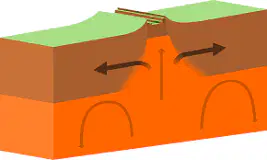
What type of boundary is in the image?
transform
divergent
convergent
subduction
Is the following an example of a positive or negative feedback loop?
As global temperature increases, ice sheets begin to melt. As ice sheets melt, more evaporation occurs and cloudiness in the atmosphere increases. With more clouds present, more solar radiation is reflected and global temperatures cool.
positive feedback loop
negative feedback loop
When a fish eats plankton, what part of the food chain are they?
decomposer
producer
consumer

The heater kicks on and the house warms up, so it kicks off. Then the house cools a bit and the heater kicks back on. This continues all day. It's a _____________ loop.
positive
negative
A ________________ feedback loop makes a system more stable.
Positive
Neutral
Negative
Circular
A _________________ feedback loop moves a system to an extreme.
Positive
Neutral
Circular
Negative

Which boundary is represented by the picture?
convergent
divergent
transform
When water molecules stick to other water molecules this is called...
Cohesion
Adhesion
Surface Tension
Surfactants
Why do water molecules attach to one another?
Because of the slightly positive regions and slightly negative regions
Due to the positive regions attracting other positive regions
Due to the negative regions attracting other negative regions
None of the above
In a dead zone, _________ levels are really low such that living organisms are not able survive.
nitrogen
oxygen
fertilizer
carbon dioxide
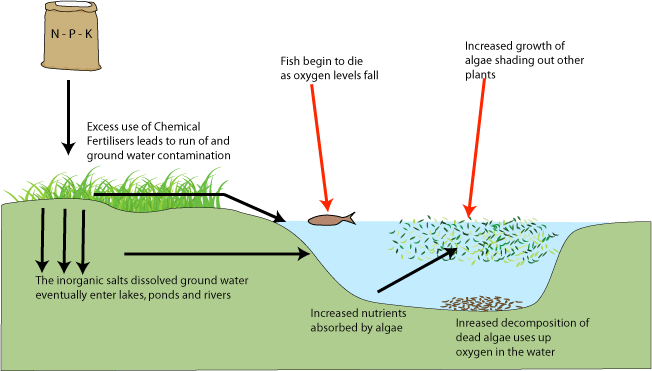
An increase in the amount of nutrients in a lake is known as
calcification
cellular respiration
eutrophication
photosynthesis
What causes eutrophication of a lake?
a dramatic drop in phosphate and nitrate levels
a dramatic increase in phosphate and nitrate levels
increased indicator tests taken at the lake
a high fish population in the lake
When heat and water and ice break down rock into sediments this is called?
Erosion
Weathering
Compaction
Deposition
Which of the following describes the process of sediments being picked up and carried away by wind, moving water, or ice
Erosion
Weathering
Deposition
Compaction

Sedimentary rocks are represented by which letter?
A
B
C

Letter C represents what rock type?
Igneous
Metamorphic
Sedimentary
How does salt water from the ocean end up as fresh water in precipitation?
Runoff leaves salt in the soil
Precipitation leaves salt in the clouds
Evaporation leaves salt in the ocean
Condensation leaves salt in the water vapor
Transpiration is the
process by which grass grows in the summer months
process by which plants absorb water through their roots and then release it through the pores on their leaves
process by which water evaporates into the air through animals
process by which salt water is purified

