
 Worksheets
2026 Final-103 Drivetrains
Total questions: 65
Worksheet time: 3hrs 36mins
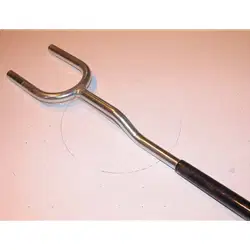
what is the average (industry standard) measurement for the gap between the clutch brake and throw out bearing?
3/4 inch
1 inch
1 foot
1/2 inch
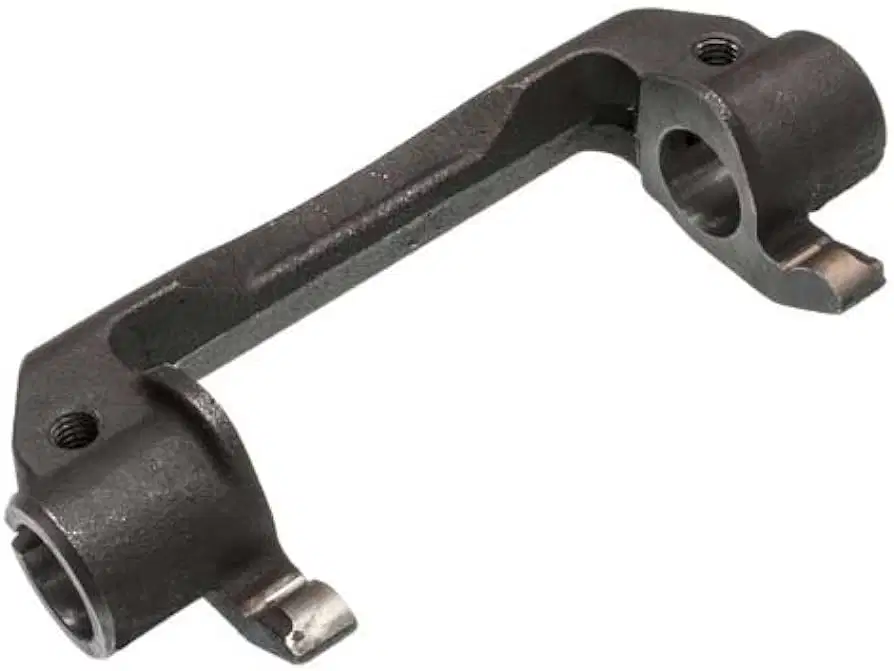
what is this component of the clutch that pushes against the throw out bearing:
yoke clutch release
input shaft
clutch bushing
clutch adjuster

What is this component of the clutch system:
yoke clutch release
clutch brake
clutch bushing
flywheel housing
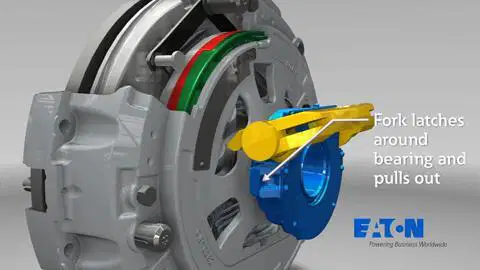
What distance(GAP) should there be between the throw out bearing and the clutch forks on most clutches?
1/2 inch
1/8 inch
1/4 inch
3/4 inch

can a clutch be rebuilt:
true
false
Warping or damage to the discs could cause the discs to stay partially pressed against the flywheel or pressure plate when disengaged.
true
false
What is the function of a clutch in a vehicle?
To change gears
To start the engine
To connect and disconnect the engine from the drivetrain
To provide power to the wheels
What could be a possible symptom of a failing clutch?
Difficulty in steering
Engine overheating
Difficulty in changing gears
Reduced fuel efficiency
Clutch inspection and maintenance should be performed according to the manufacturer's maintenance schedule which depends upon vehicle vocation.
true
false
which of these is not a element of preventive maintenance?
clutch inspection
lubrication
clutch rebuild
clutch adjustment
What tool do you use to measure free play of a clutch pedal:
pen
voltmeter
pressure regulator
tape measure
What is the role of the clutch disc in a vehicle:
To provide traction for the clutch to engage and disengage
To cool down the engine
To increase fuel efficiency
To control the steering
What is the role of the flywheel in a vehicle's clutch system?
To provide friction to the clutch
To connect the engine to the wheels
To store rotational energy
To control the speed of the vehicle
Regular lubrication of the clutch components can extend the life of the clutch.
true
false
What is the typical thickness of a new clutch disc:
1/2 inch
1/4 inch
1/8 inch
3/4 inch
The Spur gear teeth are :
Straight cut teeth
Angle cut teeth
Cut on two diagonal lines of teeth
Spiral teeth
A Helical gear teeth are:
Straight cut teeth
Angle cut teeth
Double offset teeth
Spiral teeth
When a small gear is driving a larger gear, the term used would be :
Overdrive
Direct drive
Underdrive
Spline drive
When a large gear is driving a smaller gear, the term for this is:
Underdrive
Overdrive
Direct drive
Four wheel drive
When calculating the gear ratio on a gear set that incorporates and idler gear.
You must use the two gear ratio math method
You can ignore the idler gear size and calculate using the drive and driven gears only.
You have to measure the size of the gear with a dial caliper before you can calculate the ratio
You must know the speed of the gear first before you can calculate the gear ratio.
What is the main function of an idler gear:
To increase the speed of the driven gear
To decrease the speed of the driven gear
To increase the torque of the driven gear
To change the direction of rotation of the driven gear
What is the main difference between spur and helical gears?
Spur gears are more efficient than helical gears
Helical gears are more efficient than spur gears
Helical gears are quieter and can carry more load than spur gears
Spur gears can be used in both parallel and non-parallel shafts, while helical gears can only be used in parallel shafts

What type of gearing system is this
orbital
planetary
universal
rotational
What is the purpose of a gear in a machine?
To measure rotational speed
To tighten bolts
To change the direction of rotational movement
To multiply torque
Which of these does not apply to the transmission fluid
It cleans
It lubricates
It cools
It adds horsepower
Tech A says that if the clutch brake is within 0.75" from the throw out bearing on a pull-type clutch it is at the correct adjustment. Tech B says he is certain that 0.5" is correct. Who is correct?
Tech A
Tech B
Both Techs
Neither Techs
After correcting the release-bearing free travel dimension to be ____". Check that the clearance between the release fork fingers and the contact pads on the release-bearing is ____"
1/8"-0.5"
0.5", 1"
0.5", 1/8"
0.75", 0.55
An out of adjustment clutch brake causes _______ ________ to grind into the selected gear.
Sliding Clutches
Alignment Gears
Clutch Sliders
Input Shafts
The __________ is the area that meets a mating gear.
Dedendum
Tooth face
Root
Top land
In (most cases), when there is catastrophic damage to a transmission requiring complete overhaul, A standard truck shop will __________.
Install a rebuilt transmission
Remove and overhaul the failed transmission
Overhaul the failed transmission in the truck
Install a used transmission
Which of the following best defines fatigue failures:
They occur when a component is momentarily overloaded to a level that surpasses the base strength of the material.
They occur because of lack of driver training or caring.
They occur gradually and progress until the component fails.
They are normally due to poor maintenance, incorrect lubrication, lack of lubrication, and contaminated lube.
Simple gear ratios are the relationship between one driving and one __________ gear.
Main shaft
Input
Driven
Countershaft
How do you normally check the fluid for a differential assembly or manual transmissions ?
remove correct fluid level plug and verify fluid is at base of threads
drain fluid and refill
check filters
check dipstick
What type of gear is the simplest of modern gears used in vehicles today:
Worm gear
Spur gear
Helical gear
Pinion gear
What component does the clutch disc spline to?
Input shaft
pressure plate
Flywheel
crankshaft

What component is this:
Throw-out Bearing
Input Shaft
Output Shaft
Wheel Bearing
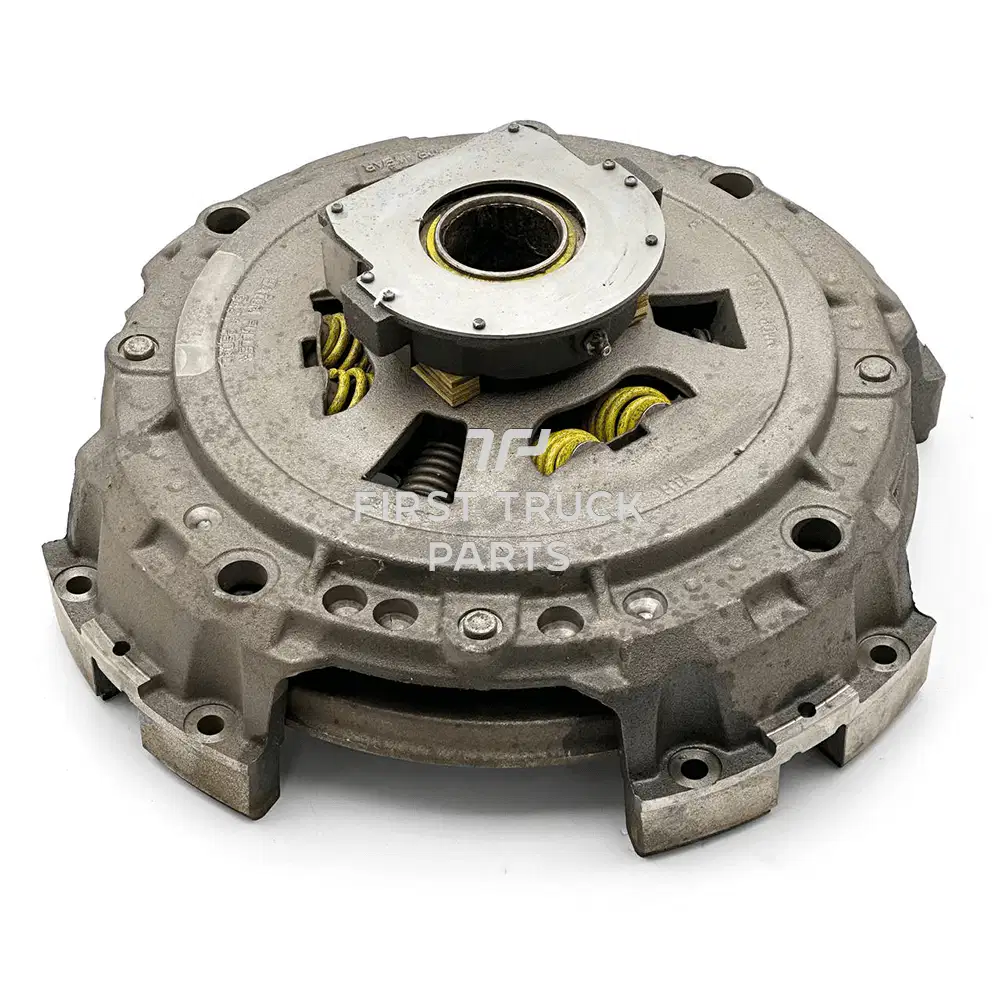
What component is this:
Clutch Cover
Clutch Disc
Flywheel
Intermediate Plate
Clutch __________ is the intermittent grabbing and slipping of the clutch while it is being engaged.
Grabbing
Engagement
Chatter
Slipping

What is the name of this component:
friction disc
clutch housing
flywheel
clutch fork
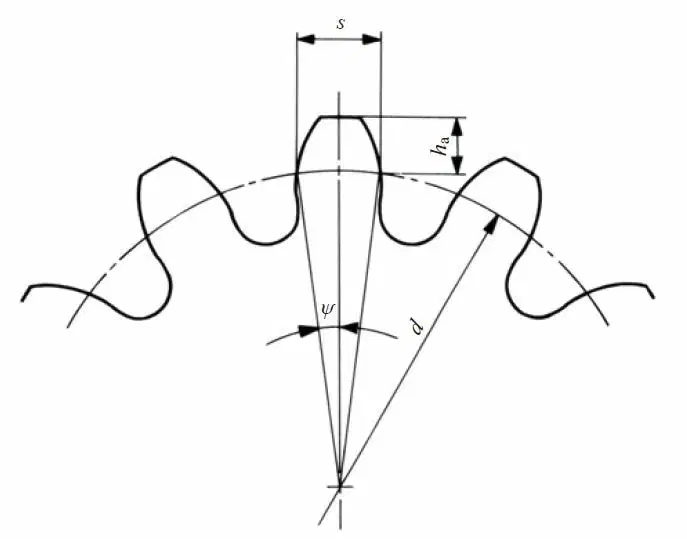
What is the name of the bottom of a straight cut gear tooth
dedendum
addendum
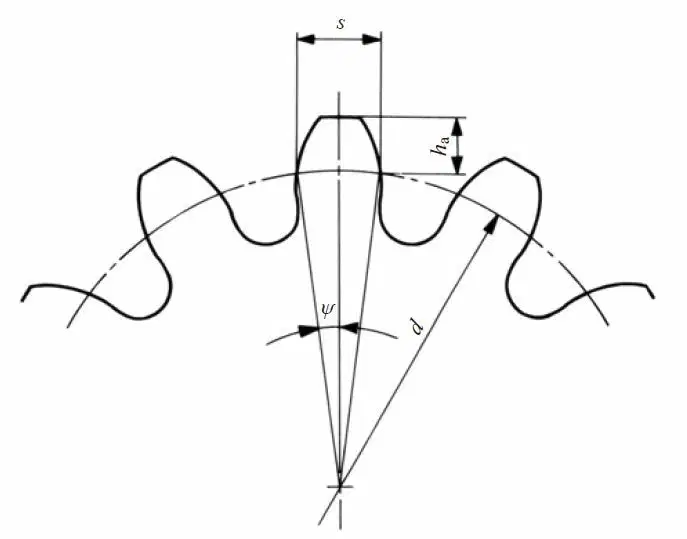
What is the name of the top of a straight cut gear tooth
Addendum
dedendum
In medium- and heavy-duty vehicles, gears are typically made from ______ or cast ductile iron.
steel
aluminum
plastic
copper
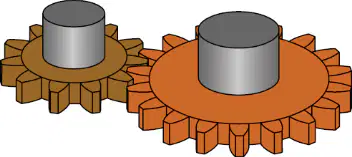
When two external toothed gears are in mesh with each other, what happens to the direction of the driven gear compared to the drive gear?
It turns in the same direction
It turns in the opposite direction
It stops moving
It turns faster
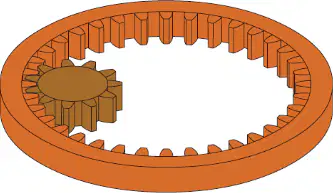
When a gear with external teeth is in mesh with a ring or internal gear, what happens to the direction of the driven gear compared to the drive gear?
It rotates in the same direction
It rotates in the opposite direction
It stops moving
It rotates slower
What is the relationship between the sizing of gears called?
Gear ratio
Torque
Speed
Power
Which of the following is a characteristic of spur gears?
They are complex and expensive to manufacture
They produce axial thrust during operation
They are simpler and less expensive to manufacture
Their teeth are cut at an angle to the axis of rotation
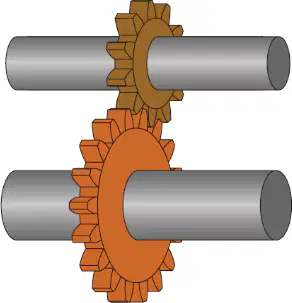
Which type of gear is shown in the diagram?
Spur gear
Bevel gear
Worm gear
Helical gear
Helical gears are much _______ in operation than spur gears.
quieter
noisier
slower
weaker

Name this gear
(a)
Tech A says Helical Gears create axial thrust. Tech B says Spur gears create axial thrust. Who is correct?
Tech A
Tech B
Both Tech A and B
Neither Tech A nor B
Match the Following:

Crown

Spider

Cross

Spider Gear
Simple gear ratios are the relationship between one driving and one __________ gear.
Main shaft
Input
Driven
Countershaft
What would be the gear ratio when gears with the same number of teeth are meshed?
1:3
1:2
2:1
1:1
Technician A says that the flywheel housing wear cannot be measured. Technician B says flywheel housing wear can be measured. Who is correct?
Technician A
Technician B
Both Technician A and Technician B
Neither Technician A nor Technician B
Self-adjusting clutches have an automatic adjusting system that relies on __________ movement to cause an adjustment.
Clockwise
Pedal
Pressure plate
Linkage
If a clutch pedal is hard to depress, what would a possible cause be?
Warped clutch disc or pressure plate
Intermediate plate binding
Insufficient release bearing free travel
Linkage binding
Which of the following best defines fatigue failures?
They occur when a component is momentarily overloaded to a level that surpasses the base strength of the material.
They occur because of lack of driver training or caring.
They occur gradually and progress until the component fails.
They are normally due to poor maintenance, incorrect lubrication, lack of lubrication, and contaminated lube.
In most cases, when there is catastrophic damage to a transmission requiring complete overhaul, the shop will __________.
Install a rebuilt transmission
Remove and overhaul the failed transmission
Overhaul the failed transmission in the truck
Install a used transmission
Multiple-countershaft transmissions split the input torque between __________ countershafts.
2 or 3
3 or 4
6
8
The __________ is the area that meets a mating gear.
Dedendum
Tooth face
Root
Top land
The spacers that were removed from under the differential ring gear carrier bearings will determine backlash when reinstalled.
True
False
Ring gear tooth pattern represents
Proper pinion bearing preload and torque
Proper side gear internal clearance
Proper ring gear runout
Proper contact between the ring and pinion gears
no assist for these questions
What is the primary function of trailer dead axles?
To provide attachment points for brakes and suspension.
To increase the speed of the vehicle.
To reduce the weight of the trailer.
To improve fuel efficiency.
What is a characteristic of drop center tubular axles?
They are convex in the middle.
They are concave in the middle.
They are flat in the middle.
They are cylindrical throughout.
What is the primary function of a drive (live) axle?
To allow the rotational power to turn 90 degrees
To increase the speed of the vehicle
To reduce the engine's rotational power
To control the braking system
What is a worm-and-crown gear set composed of?
A shaft with machined roll threads on the worm in mesh with a crown gear.
A shaft with smooth roll threads on the worm in mesh with a crown gear.
A shaft with machined roll threads on the worm in mesh with a spur gear.
A shaft with smooth roll threads on the worm in mesh with a spur gear.
What is the term for a worm mounted below the crown wheel in a worm-and-crown gear set?
Underslung.
Top-mount.
Bottom-mount.
Crown-mount.
What is the primary function of bevel gears in modern trucks?
To increase the speed of rotation.
To turn rotational power through 90 degrees.
To reduce noise in the axle system.
To connect the axle to the engine directly.
What is the name of the small driving gear in a bevel gear system?
Crown gear.
Ring gear.
Pinion gear.
Differential gear.
What is one benefit of spiral bevel gears in terms of torque?
Reduction in torque capacity
Boost in torque capacity
Elimination of torque
Stabilization of torque
What feature of durapoid tooth design contributes to its effectiveness?
A decentralized tooth contact pattern
A centralized tooth contact pattern
A lightweight tooth structure
A flexible tooth design
What is the position of the pinion in an amboid gear set relative to the crown gear centerline?
Below the centerline
Above the centerline
At the centerline
To the side of the centerline
What is the shape of the tooth drive face side of the amboid crown gear?
Convex
Flat
Concave
Cylindrical
What advantage does the amboid gear design provide for the driveshaft universal joints?
Larger operating angles
Smaller operating angles
Increased torque
Reduced friction
According to Detroit, what design feature of the topoid system contributes to reduced driveline angles and vibration?
The lower placement of the pinion
The higher placement of the pinion
The use of an amboid system
The addition of extra gears
What is the function of the carrier in a drive axle?
To hold the support bearings for the drive axle gearing
To provide lubrication for the axle
To connect the axle to the wheels
To control the speed of the vehicle
How do differential gears differ in purpose from drive axle gearing?
Differential gears serve a completely different purpose than drive axle gearing
Differential gears increase the speed of the drive axle
Differential gears reduce the weight of the vehicle
Differential gears improve the vehicle's aerodynamics
What is the primary function of differential gears in a vehicle?
To allow wheels to turn at equal speeds during a turn
To allow wheels to turn at unequal speeds during a turn
To reduce the turning radius of the vehicle
To increase the speed of the vehicle during a turn
What happens to the wheels on the outside of an axle during a turn (mark all that apply):
They travel a shorter distance than the inside wheels
They travel the same distance as the inside wheels
They travel further than the inside wheels
They turn slower than the inside tires.
They spin faster than the interior tires.
What happens to the inside and outside gears of a differential gear set when a vehicle turns?
Both gears slow down.
Both gears speed up.
The inside gear slows down, and the outside gear speeds up.
The inside gear speeds up, and the outside gear slows down.
What is the role of spider gear teeth in a differential gear set during a turn?
They stop the motion of the gears.
They transfer motion to the other side gear, causing it to speed up.
They slow down both gears equally.
They reverse the direction of the gears.
What is the primary function of thrust washers in differential gear sets?
To increase the speed of rotation between the gears
To absorb heavy thrust loads caused by bevel gears
To reduce the size of the differential case
To eliminate the need for lubrication in the gears
What material are the thrust washers in differential side and spider gears typically made of?
Plastic
Aluminum
Steel
Copper
What can cause damage to the spider gear in a differential gear set?
Excessive lubrication.
Uneven tire pressure.
One wheel of the differential spinning.
Overloading the vehicle.
What is the major benefit of a differential in a vehicle?
It allows wheels to rotate at the same speed.
It allows wheels to rotate at different speeds when necessary.
It increases the torque required to spin wheels on slippery surfaces.
It prevents wheel spin on slippery surfaces.
What is a major drawback of a differential in a vehicle?
It requires more torque to spin wheels on slippery surfaces.
It allows wheels to rotate at different speeds, which can lead to spin-out conditions.
It prevents wheels from spinning on slippery surfaces.
It increases the resistance of wheels on slippery surfaces.
What is the function of friction plates in a controlled traction differential?
They are splined to a movable spline that slides along one axle shaft.
They provide lubrication to the axle shaft.
They prevent the axle shaft from rotating.
They act as a brake for the vehicle.
What happens when locking differential systems are activated?
The vehicle's speed increases
One side gear is prevented from turning, stopping spider gear movement
The suspension system becomes more rigid
The engine power is reduced
Which gears apply to the clutch break (mark all that apply):
1st
2nd
3rd
reverse
5th

