
Font size
 Worksheets
Origin of the Earth, and Facts about the Planet
Total questions: 32
Worksheet time: 17mins
What is the age of Earth?
4.5 billion years
10 million years
100 million years
1 billion years
What caused Earth to become a molten planet?
Volcanic eruptions
Radioactive decay
Bombardment by asteroids
Solar wind
What is the purpose of Earth's magnetic field?
To generate heat
To protect from solar wind
To create a molten core
To attract meteors
What happened to Mars when its iron core cooled?
It lost its atmosphere
It formed a magnetic field
It became habitable
It grew in size
What is the role of the solar wind?
To generate heat on Earth
To create the magnetic field
To strip away the atmosphere
To form asteroids
What is the purpose of the liquid iron core in Earth?
To generate electricity
To create a magnetic field
To produce volcanic eruptions
To cool the planet
Why is Earth's magnetic north pole constantly moving?
Due to the rotation of the Earth
Due to the melting of the ice caps
Due to the movement of the liquid iron core
Due to the influence of other planets
What is the primary gas in Earth's atmosphere?
Oxygen
Carbon Dioxide
Nitrogen
Hydrogen
What is the outermost layer of the Earth called?
Mantle
Crust
Core
Lithosphere
What is the primary component of Earth's core?
Iron
Gold
Silver
Copper
What would happen to Earth if its magnetic field disappeared?
It would lose its atmosphere
It would become habitable
It would grow in size
It would attract more meteors
What is the second most abundant gas in Earth's atmosphere?
Oxygen
Carbon Dioxide
Nitrogen
Argon
What is the outermost layer of the Earth called?
Crust
Mantle
Core
Lithosphere
What would happen if Earth's magnetic field disappeared?
The planet would heat up
The planet would cool down
The atmosphere would be stripped away
Nothing significant would happen
What is the innermost layer of the Earth called?
Mantle
Crust
Core
Lithosphere
how much percent of the earth is ocean
10%
70%
90%
50%
The study of how humans interact with the environment
environmental science
biology
ecology
physics
The goal of environmental science is to learn how the natural world works, determine the effect humans have on the environment, and to
teach people how to live with the permanent damage in the environment
determine how to deal with humans effects on the environment
look to other nations to produce all of our goods in order to protect our own environment.
Environmental scientist study the biological, physical and chemical interactions in the environments. Which of the followiing are biologic factors? Select all that apply
oceans
trees
atmosphere
humans
Environmental scientist study the biological, physical and chemical interactions in the environments. Which of the followiing are physical factors? Select all that apply
oceans
tornadoes
oxygen gas
bacteria
Environmental scientist study the biological, physical and chemical interactions in the environments. Which of the followiing are chemical factors? Select all that apply
pesticides
tornadoes
carbon dioxide gas
wind
Environmental scientist study the biological, physical and chemical interactions in the environments. Which of the followiing are physical factors? Select all that apply
droughts
hurricanes
fields of grass
wind
It takes light from the sun ____________ minutes to reach the Earth!
93 million
8
12
60
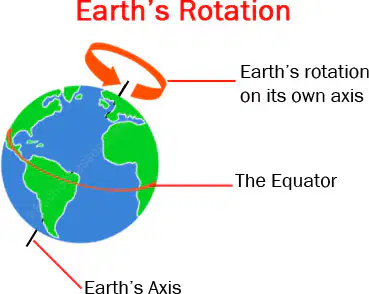
How long does it take Earth to rotate on its axis?
365 days
24 hours
8 minutes

How long does it take Earth to revolve once around the sun
24 hours
28 days
365 days
Earth's axis of rotation is tilted 23.4 degrees with respect to the plane of Earth's orbit around the Sun. This tilt causes our yearly cycle of _________________.
day and night
light and dark
seasons
The moon is responsible for making Earth such a great home. It stabilizes our planet's wobble, which has made the _____________________ less variable
Seasons
weather
climate
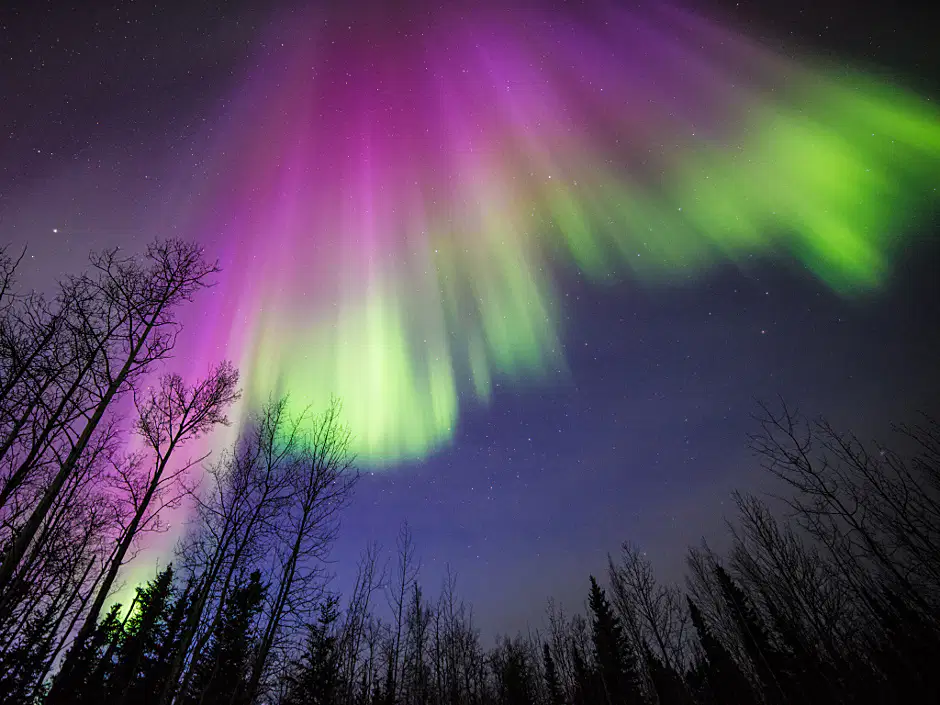
The Northern and Southern lights are caused by the magnetosphere. This visual display of color can also be called a(n)
aurorae
watercolor
rainbow

How do astronomers know exactly how far away the Moon is?
they use kilometers as measured by parallax
astronauts measured the distance along the way
laser beams are bounced off reflectors on the Moon's surface
they don't actually know exactly how far away it is

The Moon most likely formed from an impact of a Mars-size object with early Earth.
True
False
Where do scientist thing the water from the oceans came from?
Plants
Dinosaurs
Comets
Rain
The ____________________ affects Earth's long-term climate and short-term local weather and shields us from much of the harmful radiation coming from the Sun. It also protects us from metiorites,
magnetosphere
atmosphere
outer core

